Commodities News & Market Digest
Oil, gas, gold and raw materials at the center of supply and demand.
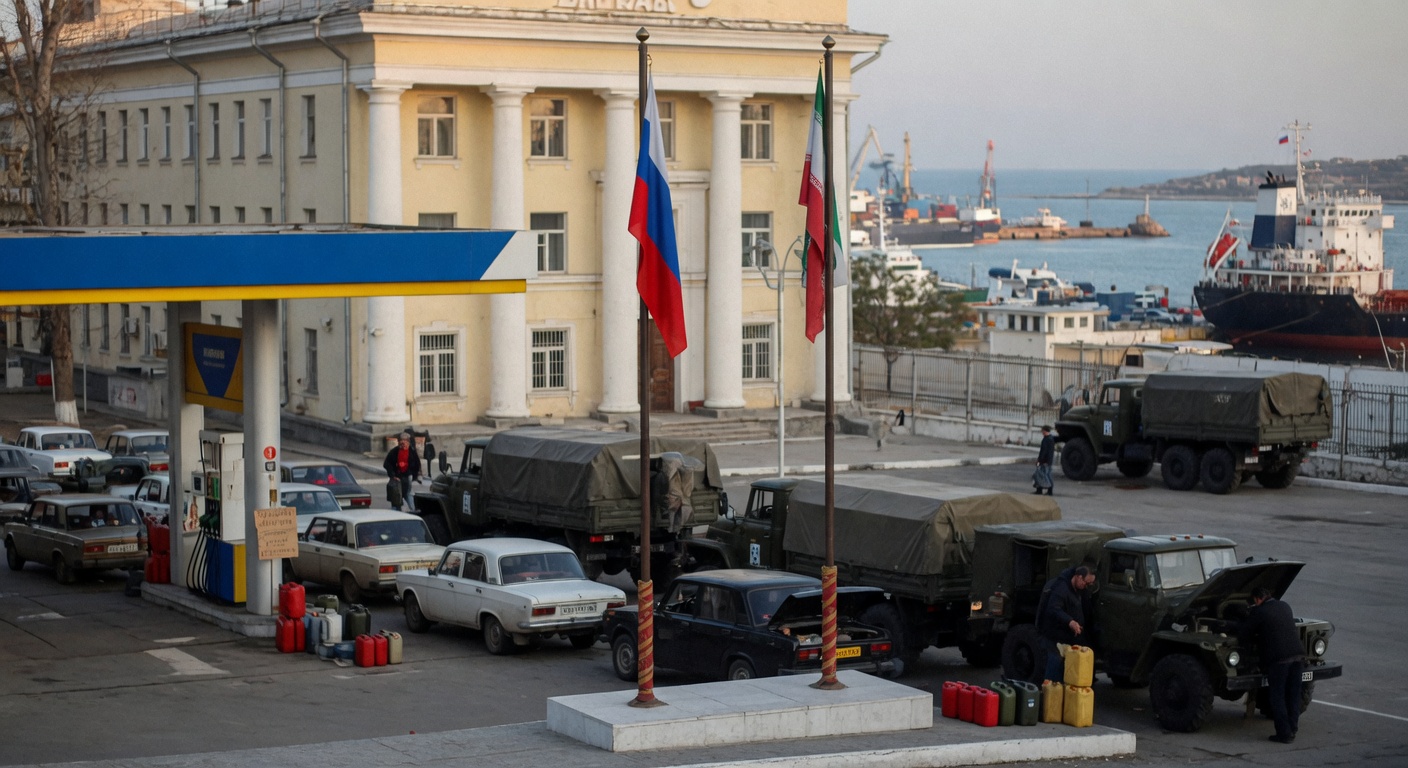
Russia introduces fuel rationing in Sevastopol amid logistical challenges from Iran war
Russia has introduced fuel rationing for cars in the port city of Sevastopol in Russian-occupied Crimea due to logistical challenges, as reported on May 23, 2026. This comes amid broader impacts from the Iran conflict on energy supplies.
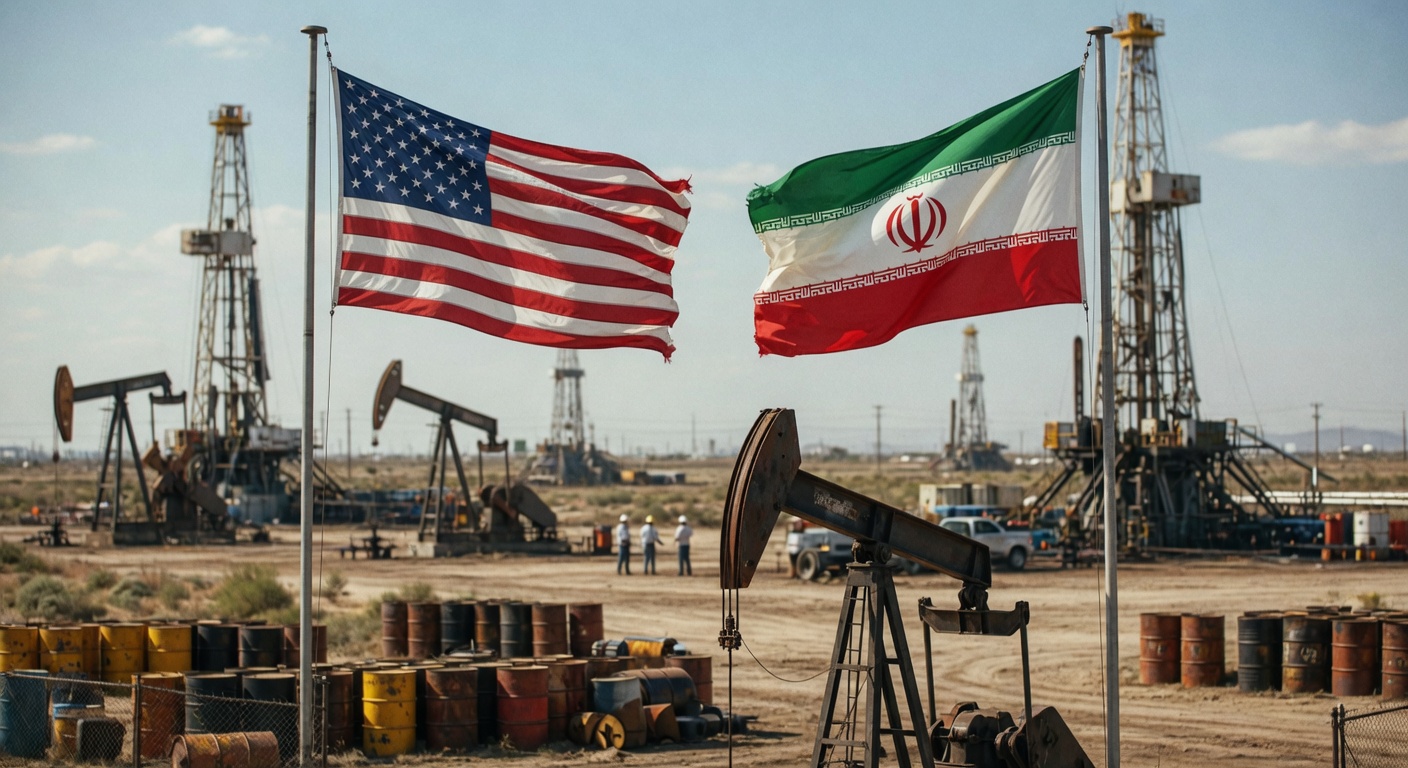
US oil producers increase output to capture price surge from Iran war
US oil producers are ramping up output to take advantage of higher crude prices driven by the ongoing Iran conflict. This development was reported on May 23, 2026.
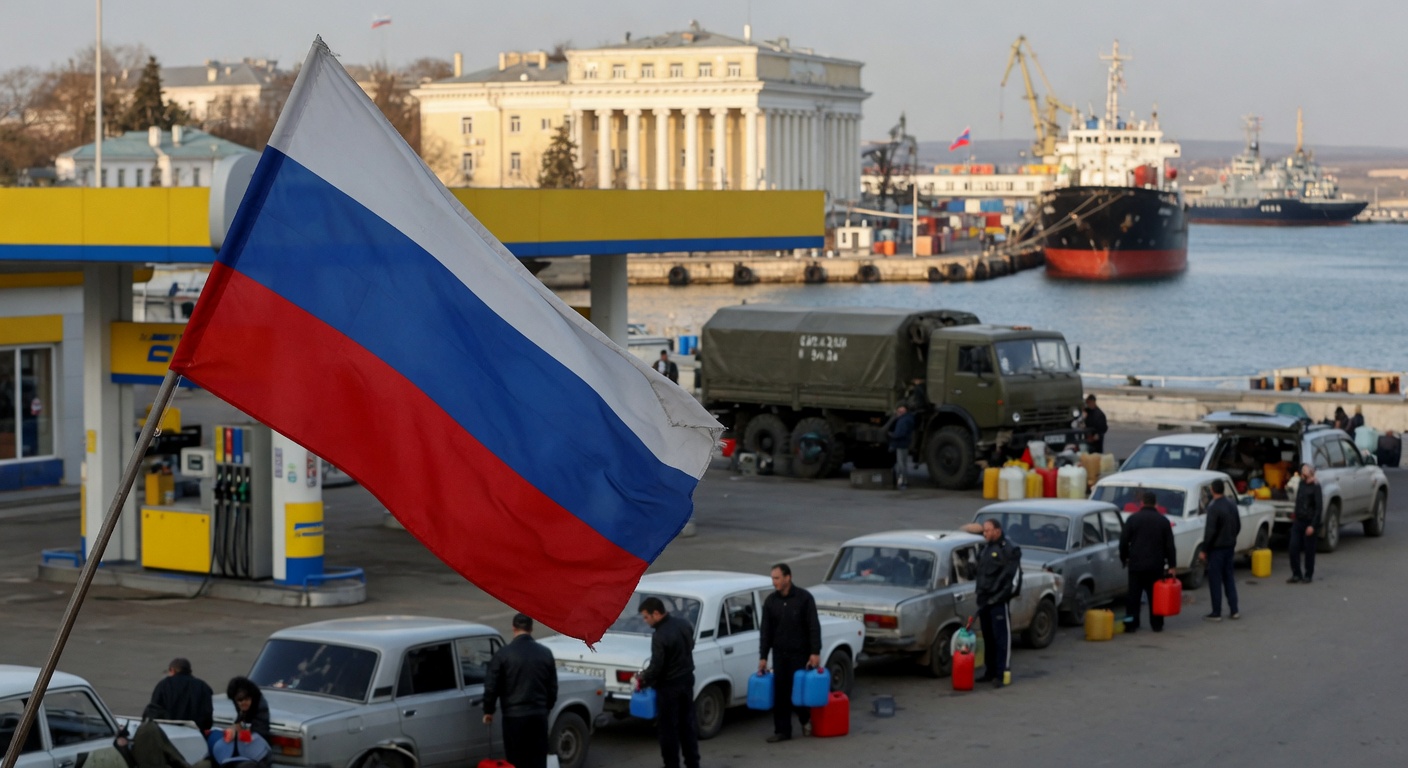
Russia introduces fuel rationing in Crimea's Sevastopol amid logistical challenges
Russia has introduced fuel rationing for cars in the port city of Sevastopol in Russian-occupied Crimea due to logistical challenges, according to the local governor on May 23, 2026. This follows ongoing Middle East tensions affecting energy supplies.
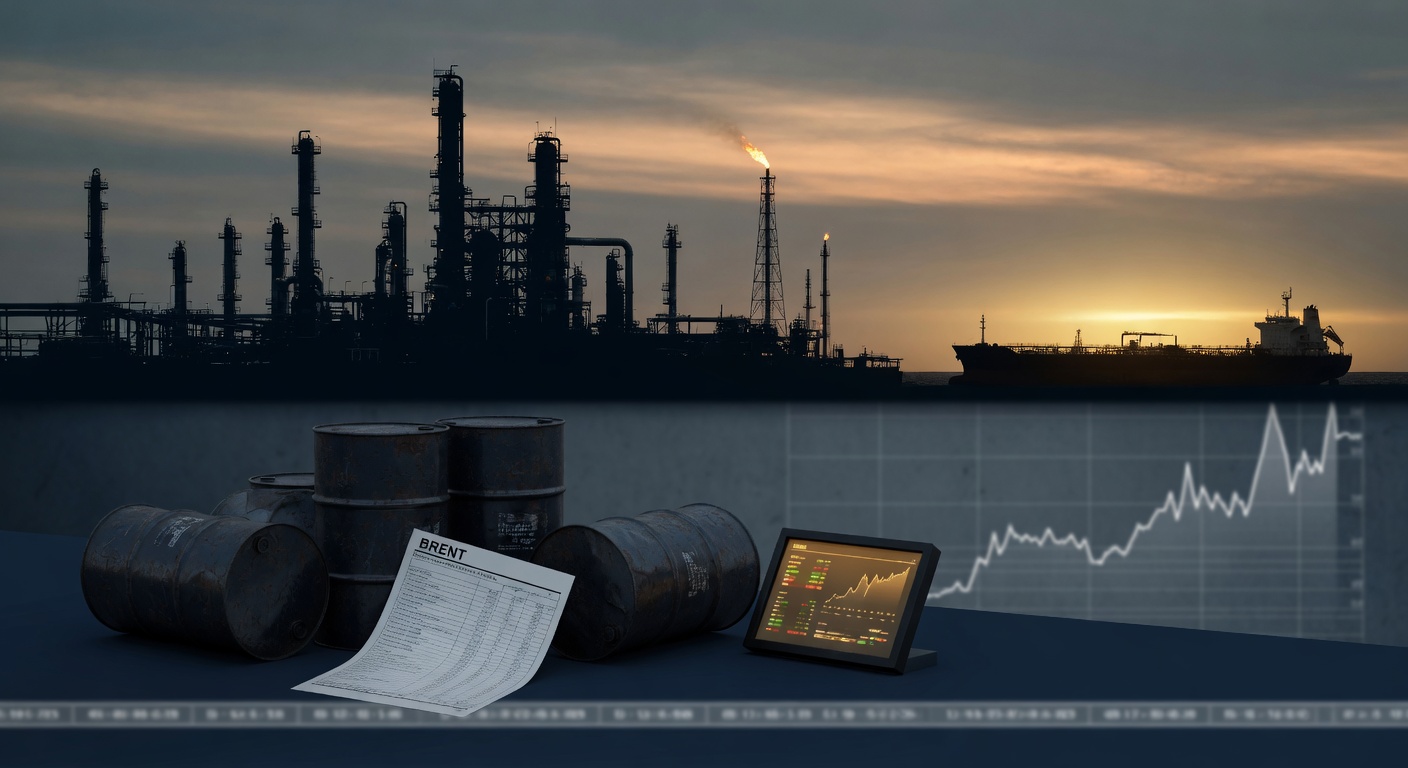
Brent crude oil rises to ~$104 amid Middle East supply concerns
On May 22, 2026, Brent crude futures settled around $104.25, up 0.69-0.95% for the day, with WTI near $97, as ongoing geopolitical tensions in the Middle East continue to support prices despite some volatility from earlier peace talk reports.
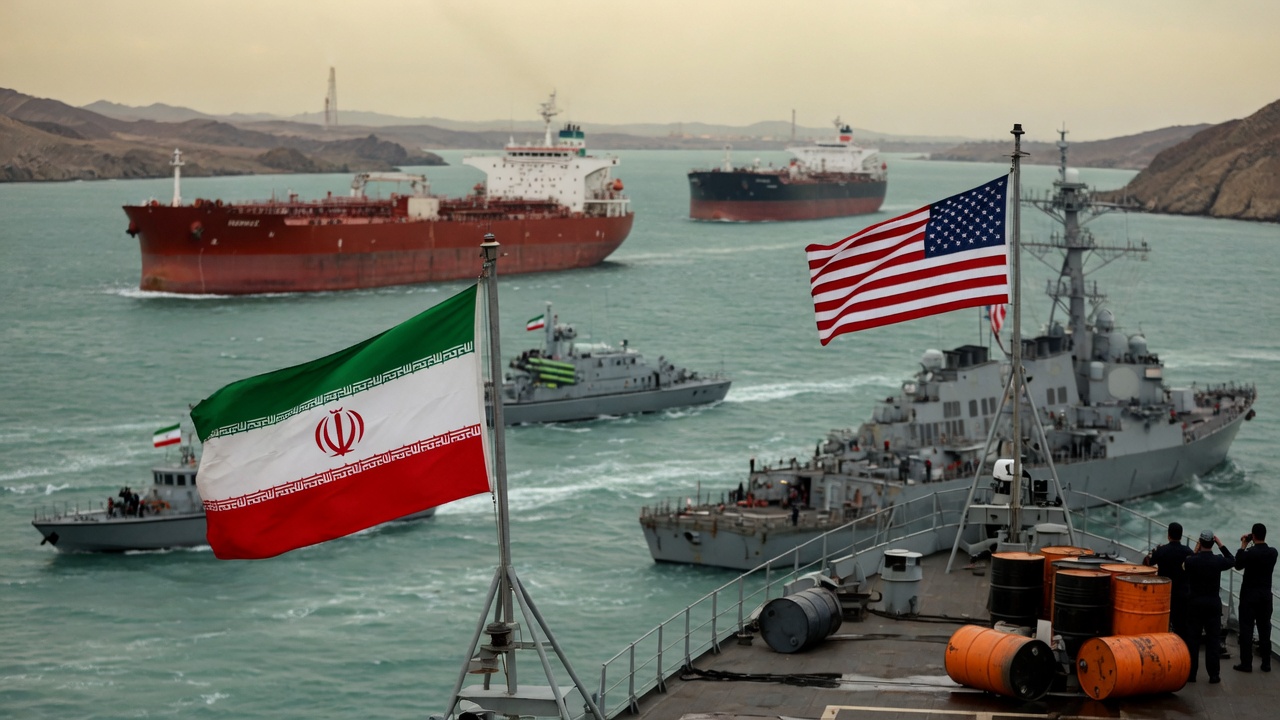
Iran Says It Stops Ships in Hormuz, Lifting Oil Prices
Iran announced it would stop ships in the Strait of Hormuz amid disputes with the U.S., causing oil prices to rise as markets priced in supply disruption risks from renewed conflict.
Oil Prices Volatile on Uncertainty Over US-Iran Deal Resolution
On May 21, Brent crude settled at $102.58 per barrel down $2.44 (2.3%) and WTI at $96.35 down $1.90 (1.9%), with prices whipsawing amid uncertainty over prospects for ending the US-Israeli conflict with Iran and supply disruptions via the Strait of Hormuz.
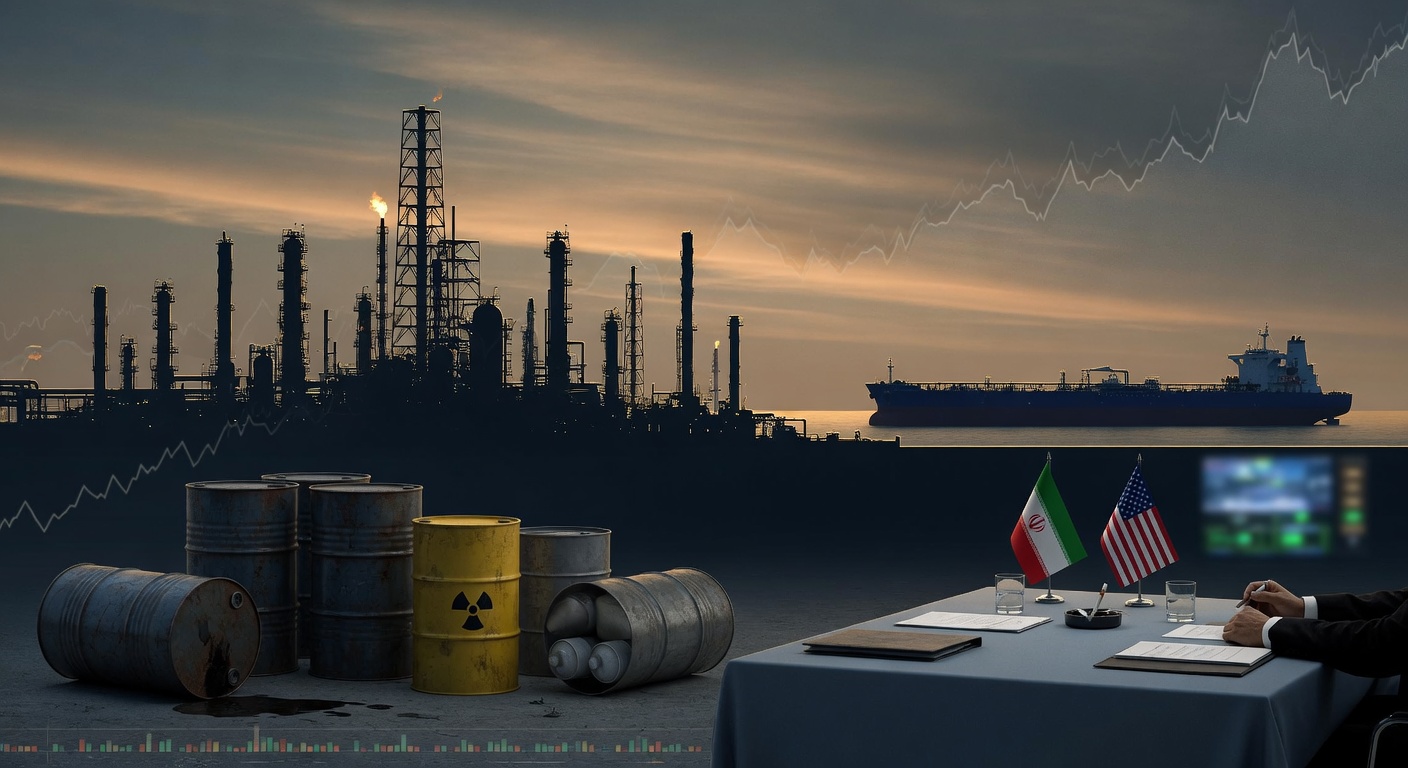
Oil Prices Rise 2% on Complications to US-Iran Peace Talks
Oil prices rose over 2% on May 21 as Iran's Supreme Leader directed that near-weapons-grade uranium must stay in the country, complicating potential US-Iran deals. Brent crude gained $1.95 to around $106.97 per barrel and WTI rose to $100.61.
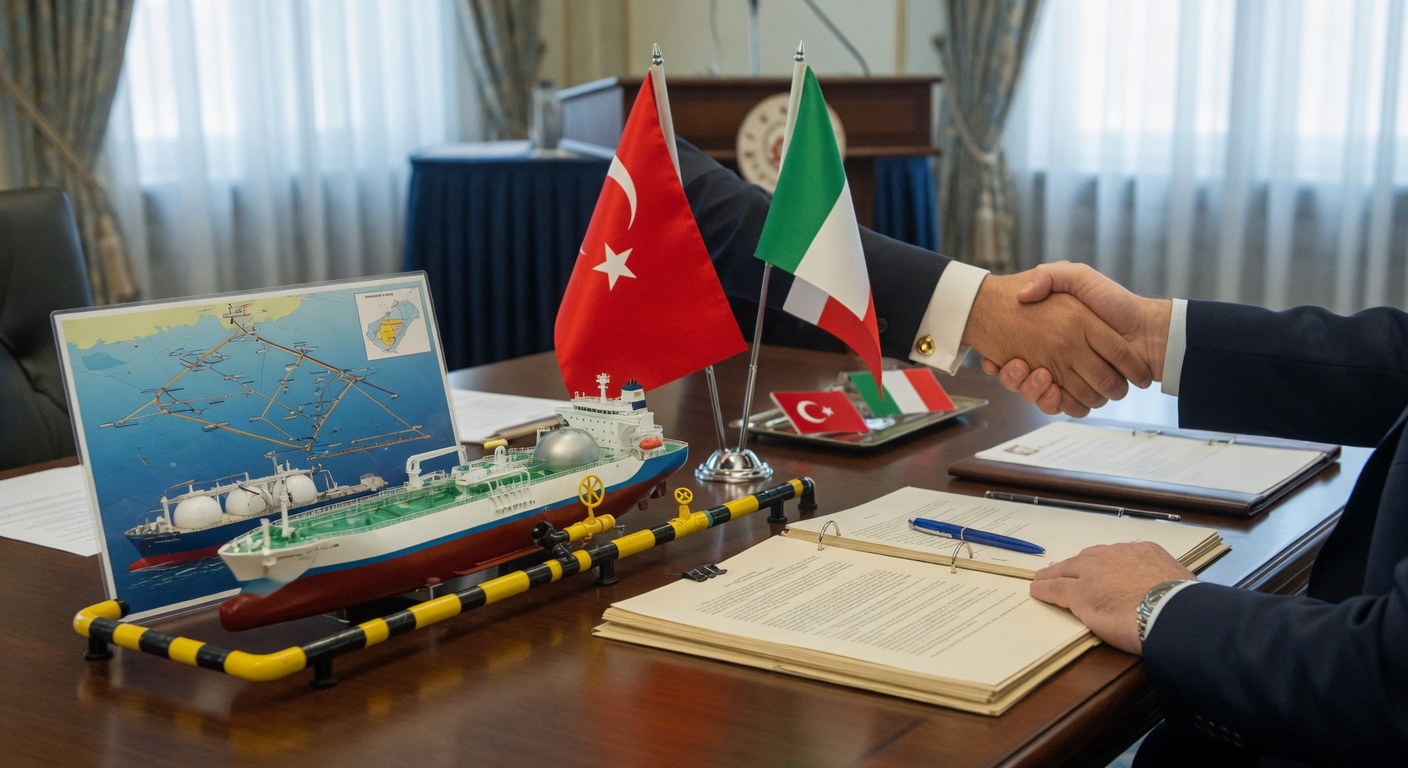
Turkey's BOTAS signs MoU with Italy's Edison for natural gas and LNG cooperation
Turkey's state energy firm BOTAS signed a memorandum of understanding with Edison on May 22, 2026, to explore cooperation in natural gas and LNG. This follows recent energy market volatility.
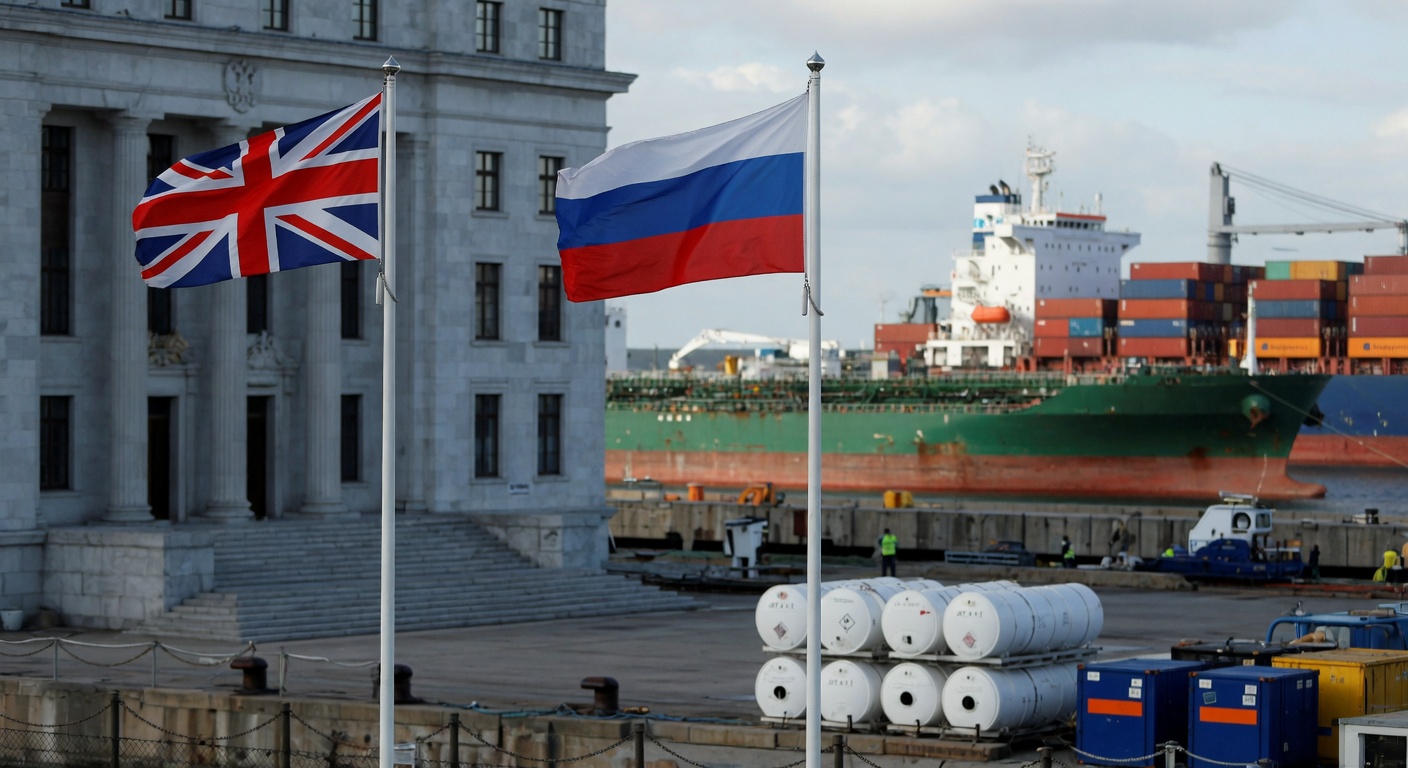
UK Eases Sanctions on Russian Oil Refined into Jet Fuel and Diesel
On May 20, the UK announced it would ease sanctions allowing Russian oil refined into jet fuel and diesel to be imported under certain conditions. This move could increase supply availability in European energy markets amid ongoing geopolitical tensions.
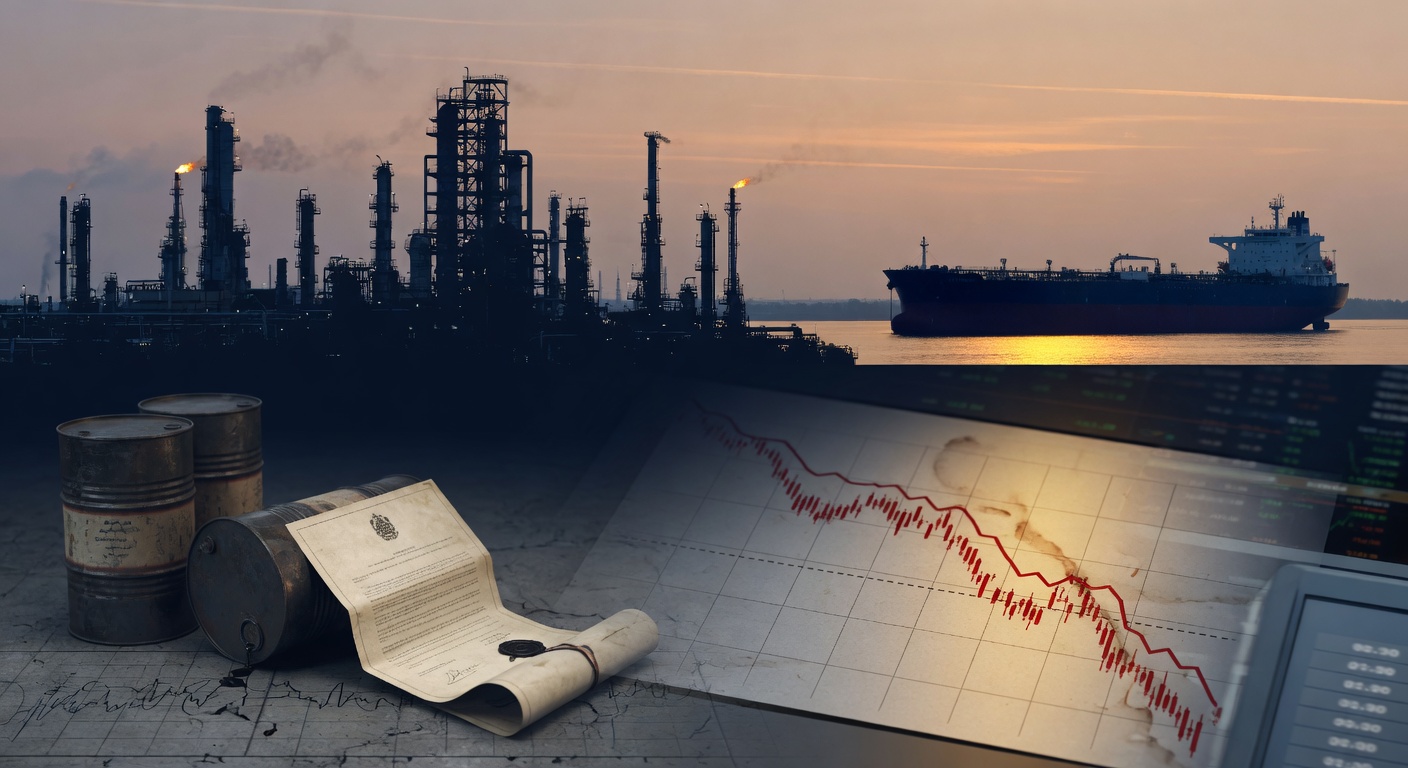
Oil Prices Fall More Than 1% as Iran Reviews Proposed US Agreement
Brent crude futures dropped over 1% to around $93.85-$94.29 per barrel and WTI fell to $91.07-$91.34 amid reports that Iran is reviewing a proposed US agreement to halt conflict, following previous session gains.
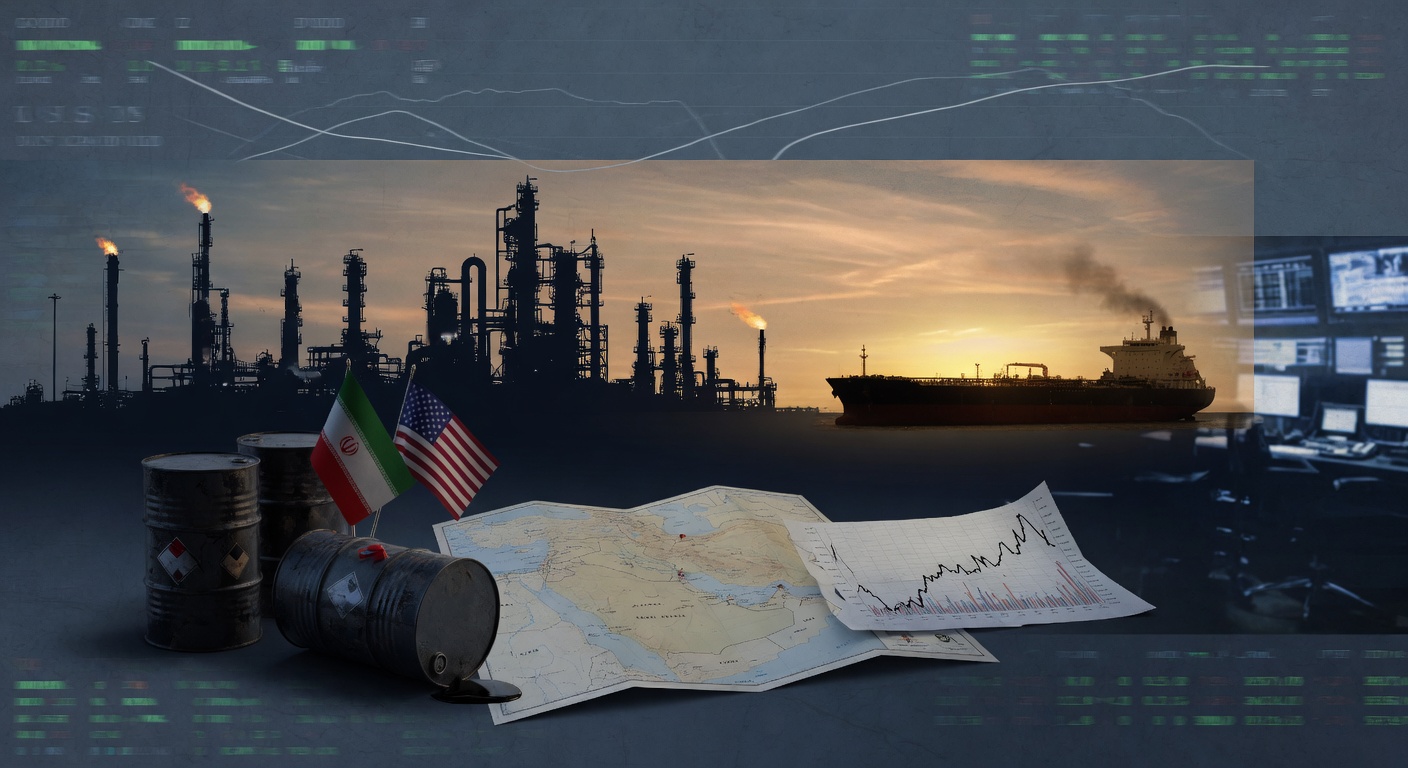
Oil futures edge up amid Middle East tensions and US-Iran deal hopes
Oil futures rose slightly on May 22, 2026, ahead of the US long weekend, supported by ongoing high Middle East tensions from the Iran war, while earlier sessions saw volatility on hopes for a US-Iran negotiated deal. Benchmark prices remain elevated with supply disruption concerns.

High Gas Prices Weigh on US Consumer Sentiment and Spending
Americans struggling with persistently high gas prices and inflation have seen consumer sentiment hit record lows, leading to cutbacks in discretionary spending as summer approaches.
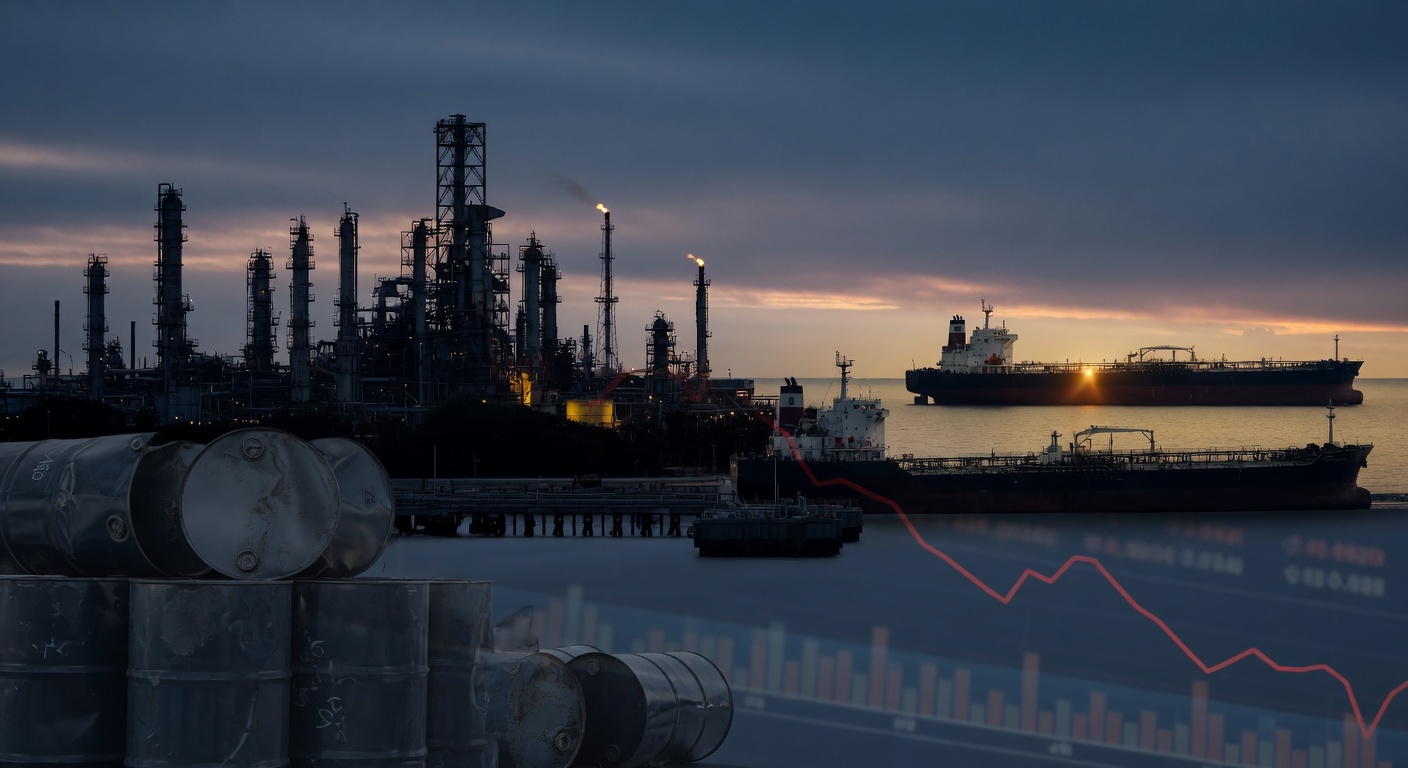
China Oil Import Cuts and Higher US Exports Wrongfoot Market Bulls
On May 22, 2026, reports highlighted China cutting oil imports while US exports surged to records amid the Iran war supply disruptions, pressuring oil market bulls and contributing to inventory drawdowns. Brent crude traded around $104 per barrel with ongoing volatility from Middle East tensions.
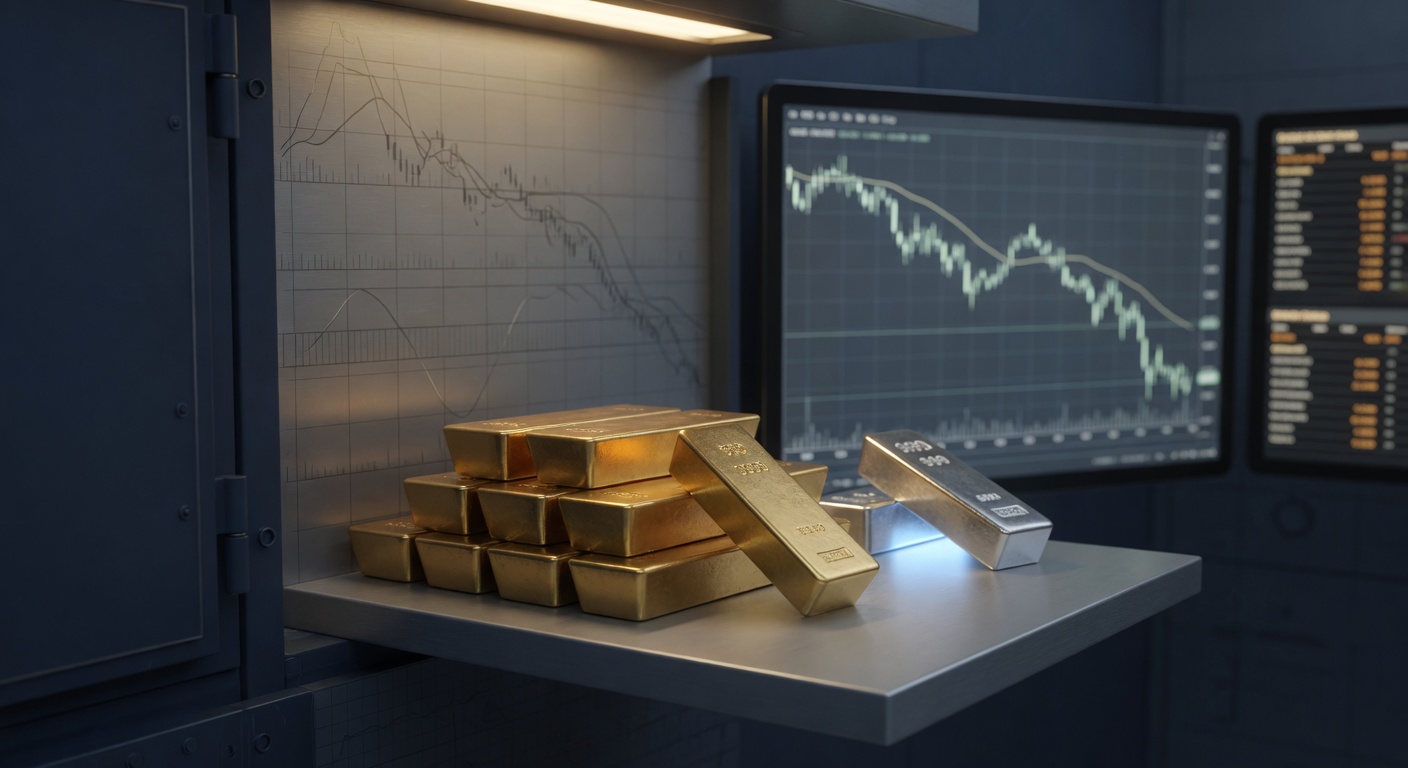
Gold and silver consolidate lower after recent highs
On May 22, 2026, Comex gold settled near $4,521/oz and silver near $75.89/oz with minor declines of ~0.7-1%, extending a recent pullback from record levels amid shifting rate expectations and profit-taking.
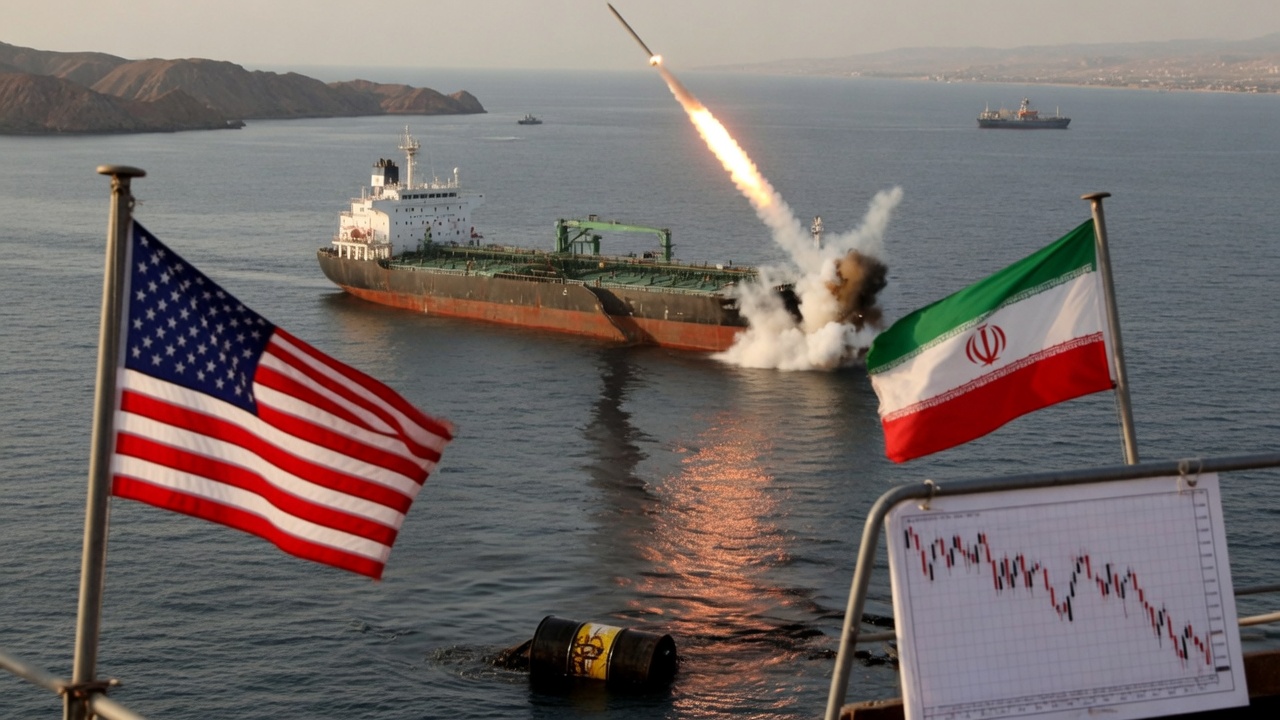
Oil Prices Jump on Escalating U.S.-Iran Conflict
Oil prices rose sharply after new rounds of strikes between the U.S. and Iran, with traders monitoring supply risks in the Strait of Hormuz. Brent and WTI futures showed gains amid ongoing geopolitical tensions.

Oil Slides 2% as U.S. Delays Iran Strike Plans
Oil futures fell around 2% with prices near $107 as traders assess U.S. pressure on Iran and some easing of Russian restrictions, reducing immediate supply disruption fears.
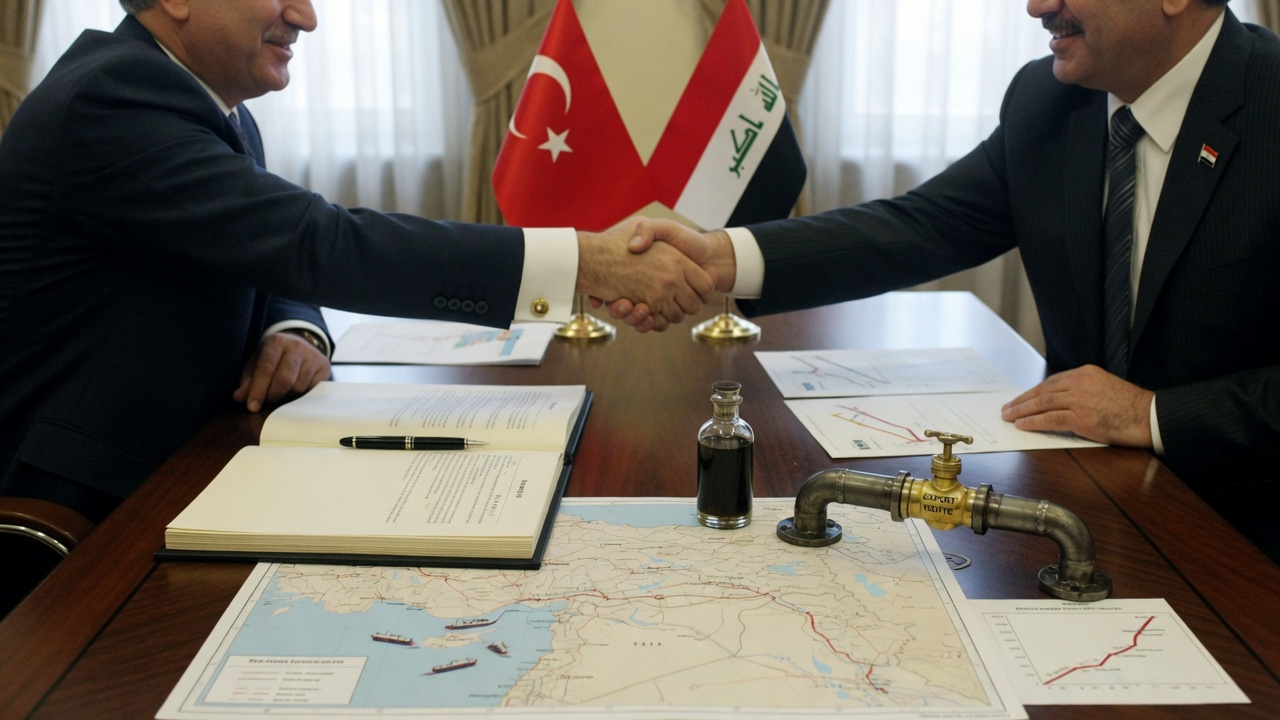
Turkey and Iraq Sign One-Year Oil Pipeline Deal
Turkey and Iraq agreed to a one-year extension of their oil pipeline deal, expected to facilitate continued crude exports from Iraq through Turkey.

Gold Extends Losses on Rate Hike Fears
Gold prices continue to slump amid higher U.S. Treasury yields and inflation concerns, extending recent declines despite safe-haven demand from Middle East tensions.
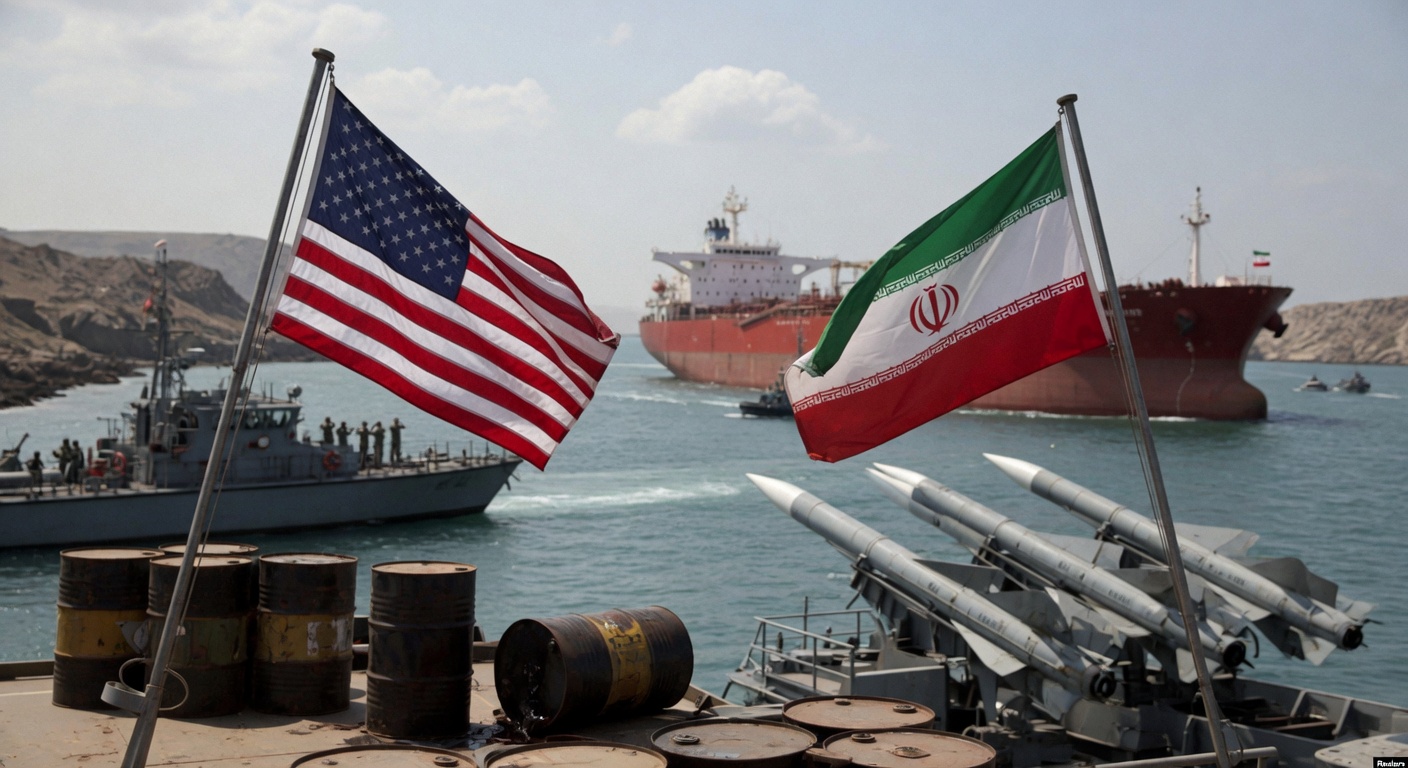
Brent Crude Rises 3% on US Strikes in Iran
Brent crude oil rose 3% on Tuesday after the U.S. military carried out strikes in Iran, adding uncertainty over whether a peace deal will be reached soon and whether shipping flows through the Strait of Hormuz will reopen.
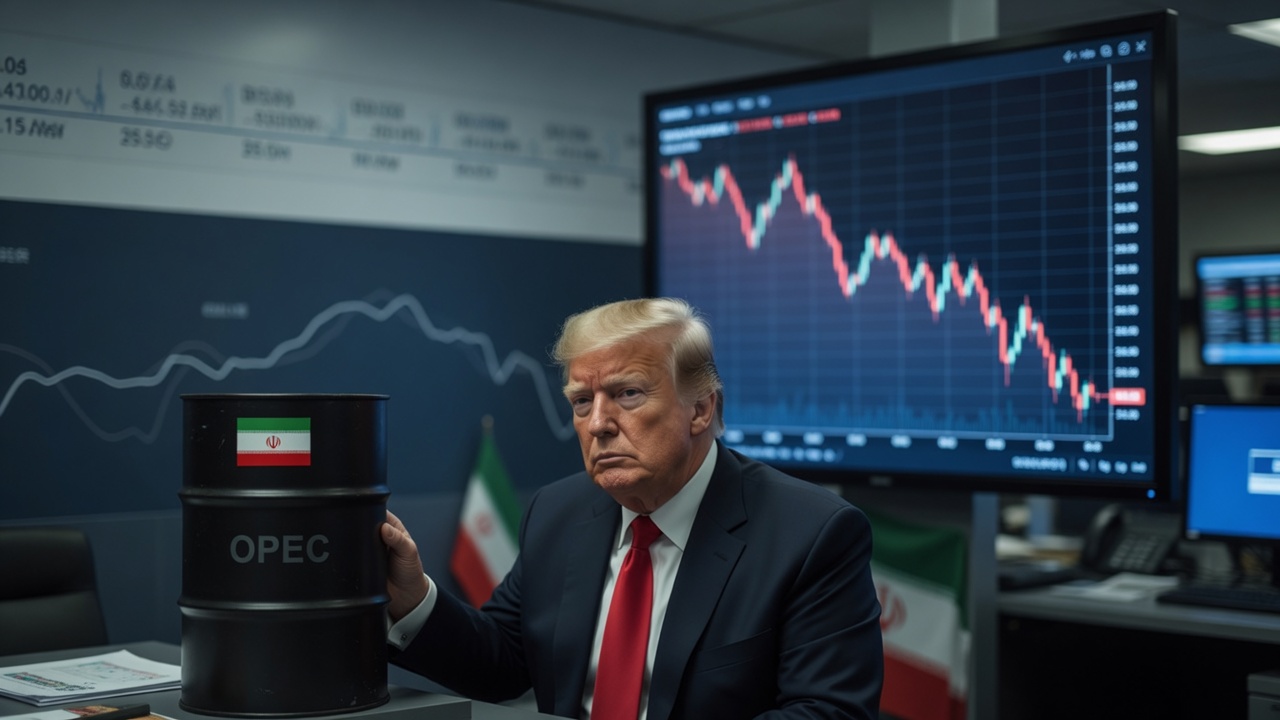
Oil Prices Extend Losses as Trump Cancels Iran Strikes
Brent crude fell over $1 to around $88.55 a barrel and WTI dropped to $86.11 on June 12 after President Trump canceled planned strikes on Iran, reducing escalation fears following recent tit-for-tat attacks. OPEC also lowered its 2026 oil demand growth forecast to 970,000 bpd.
Understand the moves behind the headlines
Going long means profiting when price rises; going short means profiting when it falls. Learn how each works, what it costs, and where the risks differ.
Support is where buyers repeatedly step in; resistance is where sellers do. Learn how to draw levels that matter and why they flip roles when broken.
Drawdown is the fall from an account's peak to its trough. Learn why recovery is asymmetric and how much a 50% loss really costs you.