BRENT
Brent Crude

Brent Crude
Ask about BRENT
Brent Crude (BRENT) price converter
1 BRENT = $91.94
Popular BRENT conversions
News — articles from publishers · Digest — our daily curated roundup · AI insights — model-generated take

Brent Crude Settles at Lowest Since Pre-Iran War as Hormuz Flows Normalize
Brent settled at its lowest level since before the Iran conflict started, pressured by US-Iran talks and sanctions relief expectations. J.P. Morgan cut its Brent price forecast for the second half of 2026 due to smoother crude flows via Hormuz.

Trump Cancels Iran Strikes for Nuclear Deal Talks
US President Trump called off planned strikes on Iran to pursue a nuclear deal, leading Brent crude futures to tumble toward pre-war levels around $70 per barrel after months of conflict disruptions via the Strait of Hormuz.

Oil flows through Hormuz normalize amid US-Iran de-escalation
US Energy Secretary reports 20 million barrels exited Strait of Hormuz in last 24 hours as tankers resume normal navigation following initial US-Iran agreement, pressuring Brent crude to lowest levels since before the Iran war.

Brent Oil Tops $90 as US-Iran Conflict Intensifies
Brent crude prices rose 2% above $90 per barrel on July 20 due to U.S.-Iran strikes limiting shipments via the Strait of Hormuz. The escalation is driving immediate gains in energy markets.

Markets Price In Two ECB Rate Hikes By Early 2027 On Inflation Concerns
Markets are pricing in two ECB rate hikes by early 2027 amid persistent inflation concerns, with Brent oil topping $90.
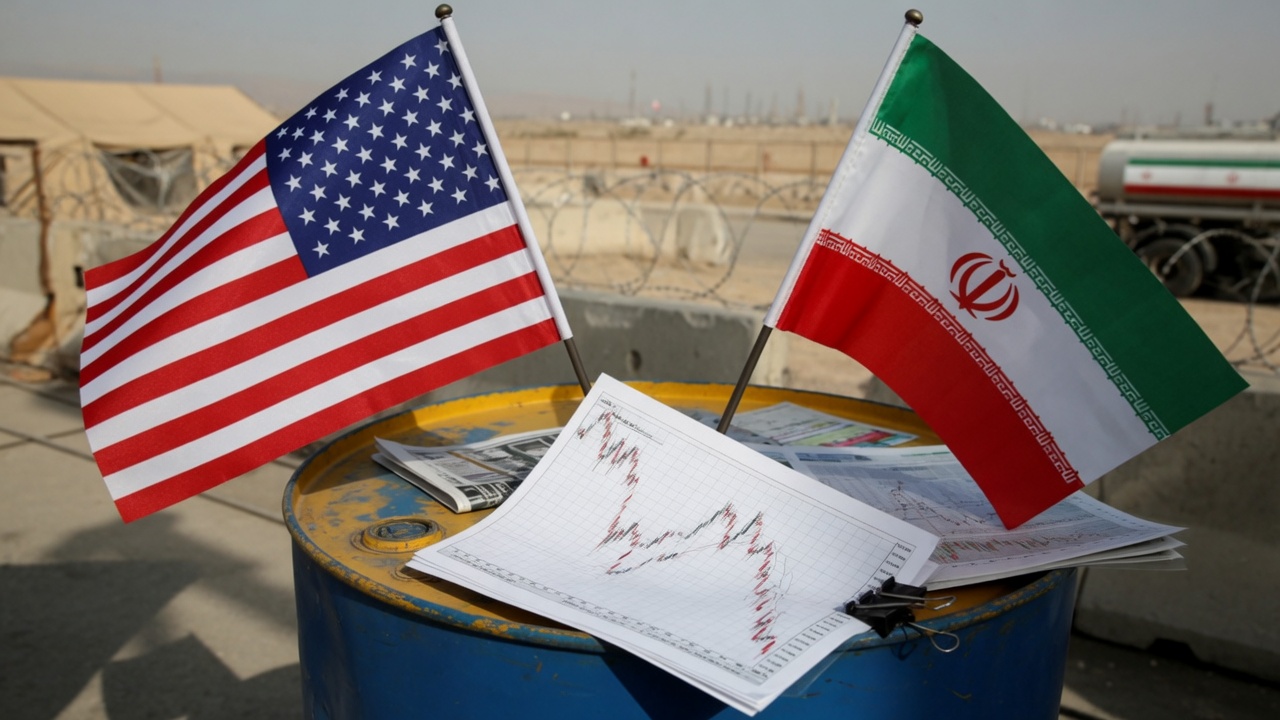
Brent Oil Tops $90 Amid US-Iran Conflict, Fanning Inflation Fears
Escalating conflict in the Middle East has lifted Brent oil prices above $90, raising inflation concerns and pressuring Asian shares. This follows recent US-Iran tensions intensifying.

Oil Prices Rise Further as US-Iran Hostilities Flare
Brent crude gained amid worsening Middle East hostilities with strikes on energy targets, trading near $85 a barrel on July 15.

Barclays Cuts 2026-2027 Brent Crude Price Forecasts
Barclays lowered its Brent forecast to $96 per barrel for 2026 and $85 for 2027 from prior $100 and $88 estimates, citing rising oil flows through the Strait of Hormuz. UBS also trimmed its near-term forecasts sharply.


