Crude Oil
News — articles from publishers · Digest — our daily curated roundup · AI insights — model-generated take
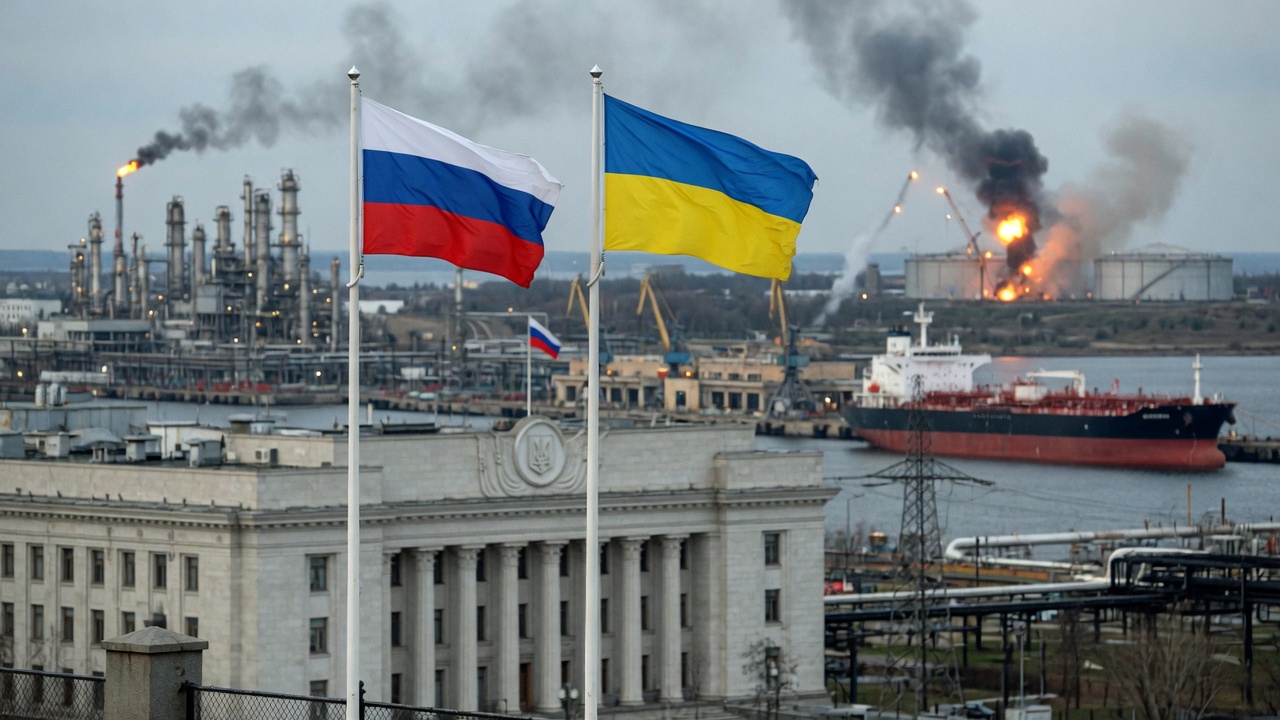
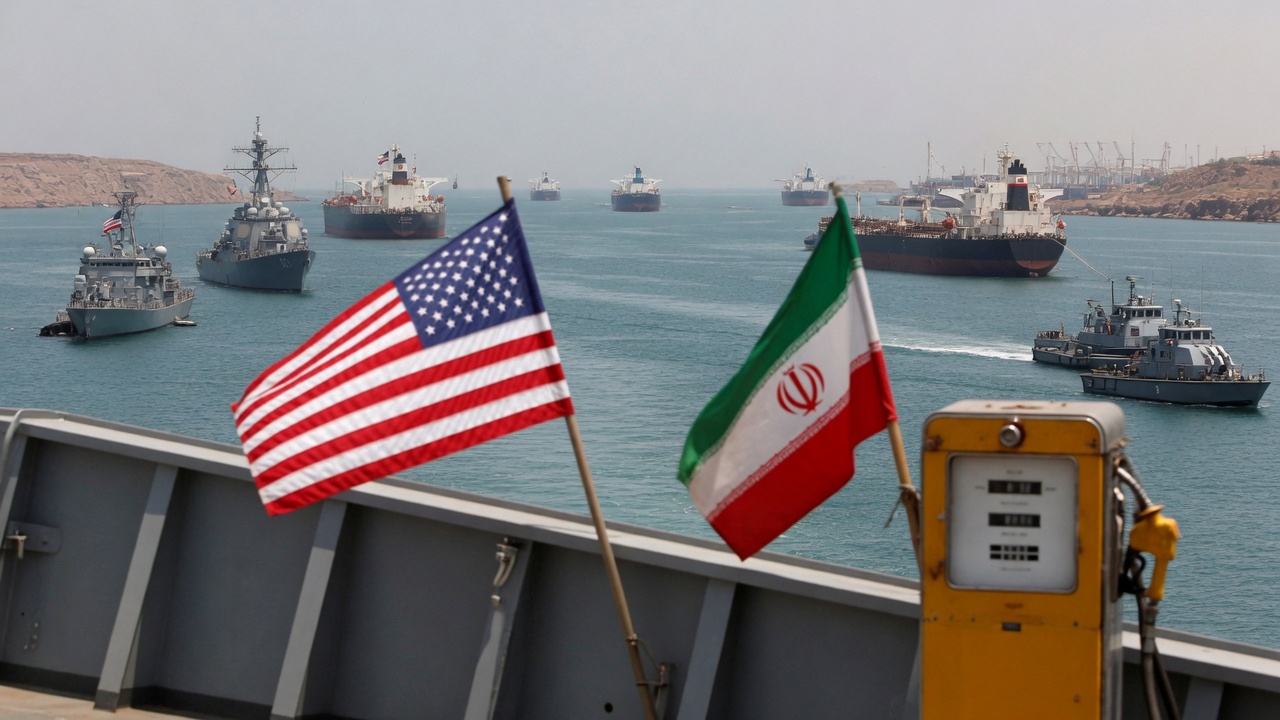
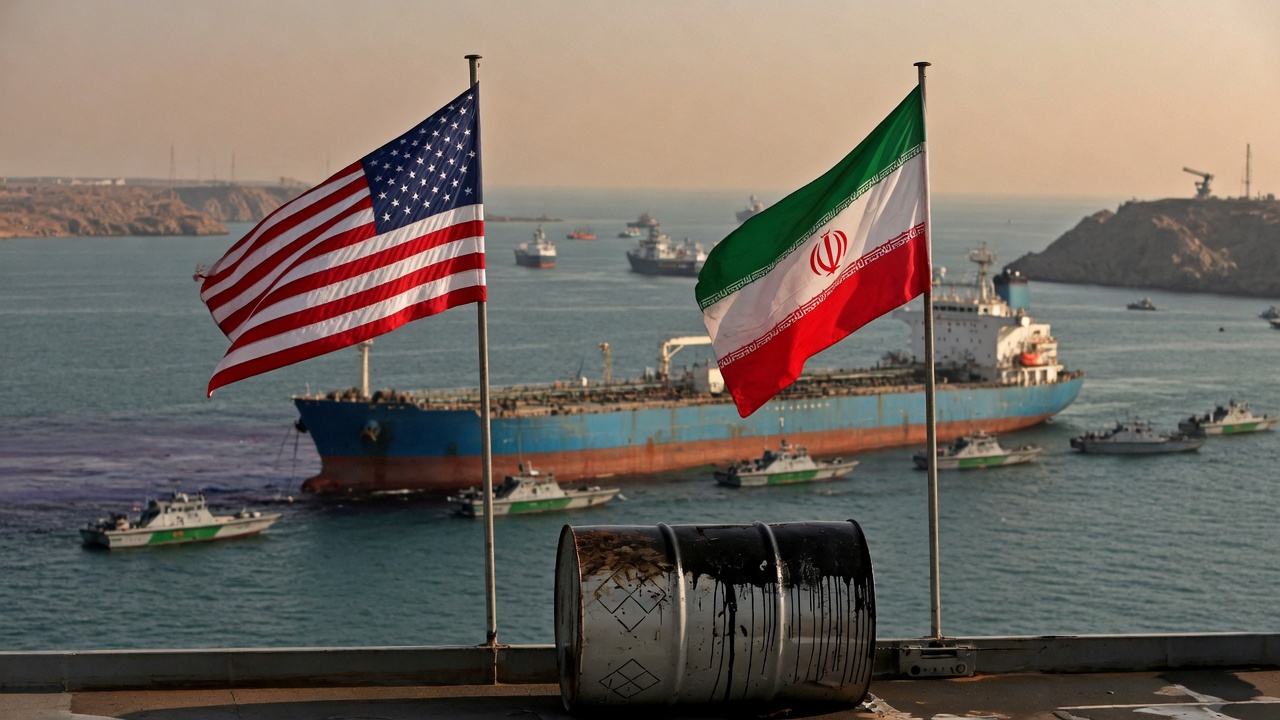
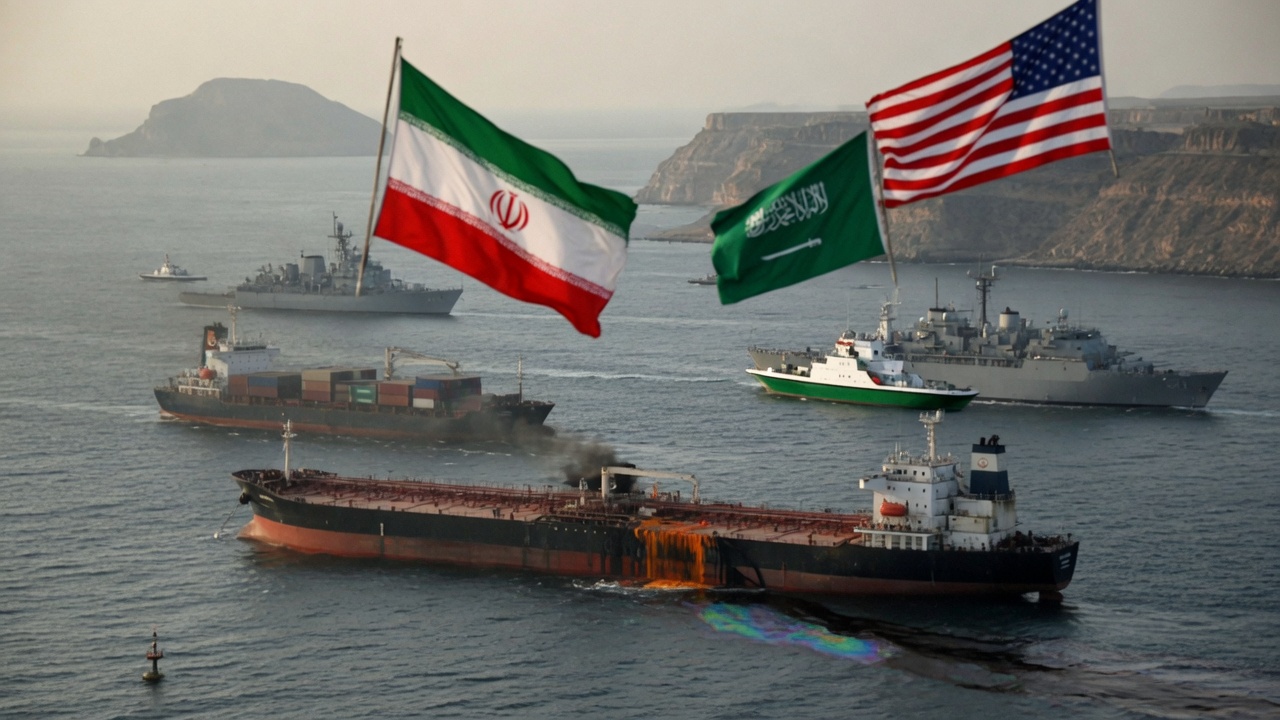
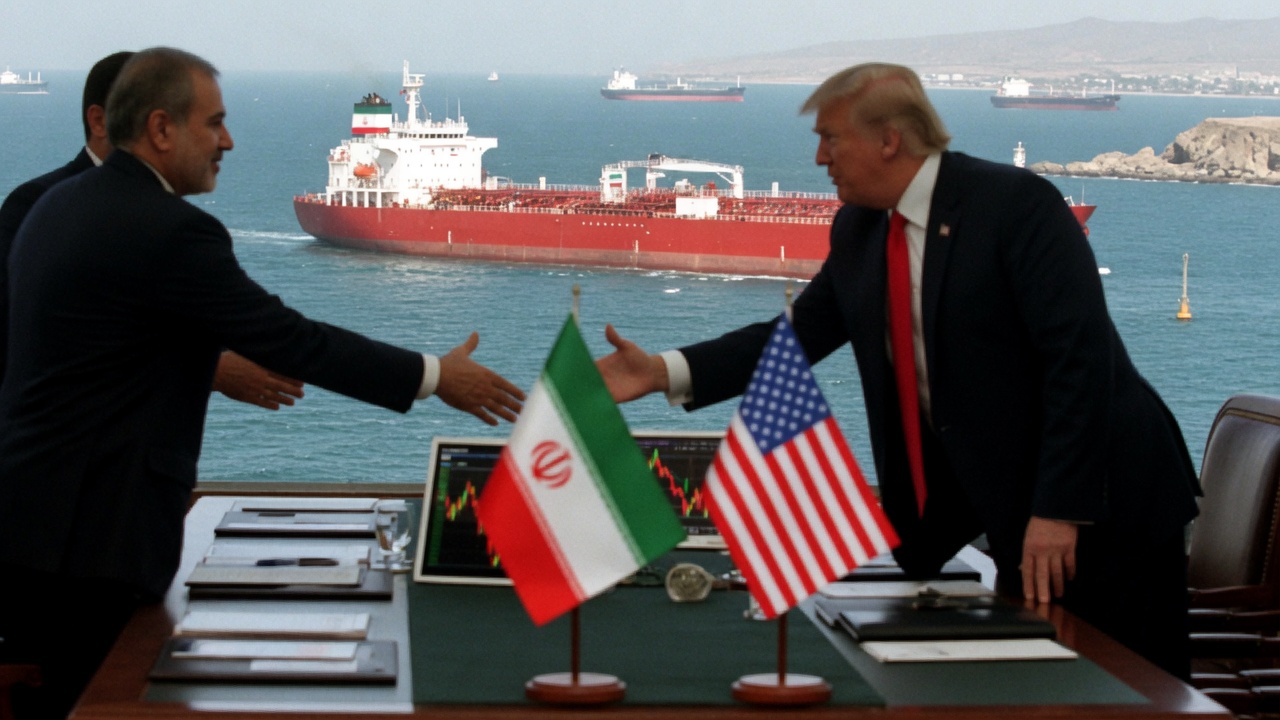
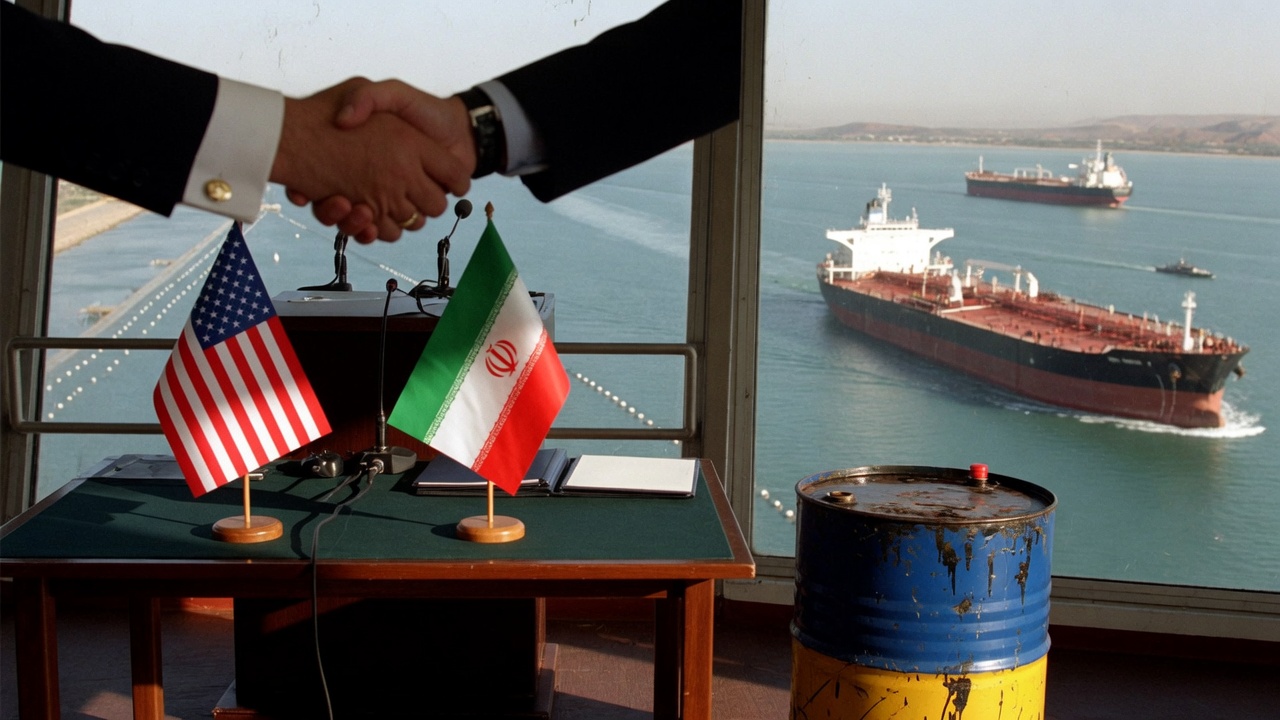
Oil prices declined on May 27 as markets gauged prospects for progress in US-Iran negotiations and potential reopening of the Strait of Hormuz. Brent and WTI futures fell amid easing supply disruption concerns from the Middle East.

Brent crude futures climbed about 3% to over $96 a barrel following fresh US strikes in Iran. US stock futures pointed higher with S&P 500 contracts up around 0.5% as investors monitored Middle East developments.

Oil prices tumbled on hopes of a US-Iran deal to end conflict but rose after new US strikes; markets showed mixed reactions with European futures pointing lower amid ongoing tensions.

Brent crude fell almost 6% to $97.42 a barrel and WTI dropped 5.9% to $90.88 on May 25 as optimism grew over US-Iran peace talks that could reopen the Strait of Hormuz; both hit two-week lows.

Oil rebounded after fresh US military strikes clouded prospects for an interim US-Iran deal to reopen the Strait of Hormuz, reversing earlier declines on peace hopes; prices held lower on signs of negotiation progress earlier in the period.

Oil futures showed mixed movements as traders assessed U.S.-Iran peace talks and reports of possible Strait of Hormuz reopening, with some prices retreating on optimism while others held gains.

On May 24, 2026, President Trump stated the Iran deal is largely negotiated with a dispute over Strait of Hormuz reopening, while US blockade remains; oil futures fell more than 4% amid peace hopes, with stocks rising and dollar sliding.
WTI crude oil trades neutrally at $96.6 per barrel despite ongoing geopolitical developments involving Iran. Recent data shows the Fed's preferred inflation gauge approaching 4% year-over-year, influenced by energy price spikes. Market participants are monitoring potential negotiations that could affect supply routes like the Strait of Hormuz.

Brent crude fell $5.85 or 5.7% to $97.69 a barrel and WTI dropped 6% to $90.85, hitting two-week lows, as optimism grew that the US and Iran are moving closer to a peace deal despite remaining disputes over the Strait of Hormuz.

Stocks surged and oil prices hit two-week lows on optimism for a US-Iran deal ending the war, while gold rose over 1% as the dollar weakened and oil eased.

Global equities climbed toward record levels while crude oil prices dropped after officials signaled progress toward a US-Iran agreement to reopen the Strait of Hormuz. The dollar weakened amid the developments reported on May 24-25, 2026.

President Trump reported that US and Iranian negotiators are getting much closer to finalizing an agreement to end the war, including reopening the Strait of Hormuz. Gulf markets surged on peace deal expectations while oil prices faced downward pressure from de-escalation hopes.

The Federal Reserve’s preferred PCE inflation measure is rapidly approaching 4% year-over-year, with an 8% surge in April driven by energy costs from the Iran conflict, marking the largest two-month acceleration since late 2021.

The Federal Reserve's report highlighted geopolitical risks and the oil shock from the Middle East conflict as top concerns for financial stability, with three-quarters of respondents citing them. Prolonged disruption risks inflation and growth impacts.

US Secretary of State Rubio and Indian counterpart discuss Middle East tensions, trade, and energy supplies with Washington highlighting progress toward resolving the Iran conflict that has throttled Hormuz shipping.

Oil prices climbed as investors worried that the U.S. and Iran would be unable to reach a peace agreement normalizing shipping in the Strait of Hormuz amid ongoing Middle East tensions. Brent crude and WTI futures rose on Friday, May 22, 2026.

The Federal Reserve’s favored PCE price index is approaching 4% as energy costs surge due to the Iran conflict, with April data expected to show a 3.8% year-over-year rise—the largest two-month acceleration since late 2021.

Trump admin extended waiver for countries to buy sanctioned Russian oil to counter energy price shocks from Middle East conflict.

Oil prices climbed on Friday as investors worried that the U.S. and Iran would be unable to reach a peace agreement allowing normal shipping traffic in the Strait of Hormuz. Oil settled higher amid ongoing Middle East tensions and doubts over a breakthrough deal.

The Federal Reserve's preferred inflation measure is rapidly approaching 4% as war-driven spikes in energy costs raise concerns that price pressures will broaden.

Indian fuel retailers increased prices for a third time in response to the Iran conflict and elevated global oil costs. The moves reflect broader pressure on energy markets from Middle East developments.

Russia has introduced fuel rationing for cars in the port city of Sevastopol in Russian-occupied Crimea due to logistical challenges, as reported on May 23, 2026. This comes amid broader impacts from the Iran conflict on energy supplies.

Oil futures rose slightly on May 22, 2026, ahead of the US long weekend, supported by ongoing high Middle East tensions from the Iran war, while earlier sessions saw volatility on hopes for a US-Iran negotiated deal. Benchmark prices remain elevated with supply disruption concerns.

Government data expected Thursday will likely show the PCE price index at 3.8% y/y for April, up a full percentage point from February, marking the largest two-month acceleration since late 2021 amid Iran war-related energy price spikes.

Russia has introduced fuel rationing for cars in the port city of Sevastopol in Russian-occupied Crimea due to logistical challenges, according to the local governor on May 23, 2026. This follows ongoing Middle East tensions affecting energy supplies.

US oil producers are ramping up output to take advantage of higher crude prices driven by the ongoing Iran conflict. This development was reported on May 23, 2026.

On May 21, Brent crude settled at $102.58 per barrel down $2.44 (2.3%) and WTI at $96.35 down $1.90 (1.9%), with prices whipsawing amid uncertainty over prospects for ending the US-Israeli conflict with Iran and supply disruptions via the Strait of Hormuz.

Americans struggling with persistently high gas prices and inflation have seen consumer sentiment hit record lows, leading to cutbacks in discretionary spending as summer approaches.

Oil prices fell about 6% on Wednesday after U.S. President Donald Trump said negotiations with Iran were in the final stages. The drop marked the biggest one-day decline in two weeks amid hopes for easing Middle East supply disruptions.

U.S. crude and gasoline inventories declined last week while distillates rose, according to EIA data released on Wednesday. This comes alongside reports of tankers exiting the Strait of Hormuz with millions of barrels of crude.

Oil prices lost more than 2% on Wednesday after U.S. President Donald Trump asserted that the Iran war will end very quickly. Brent crude fell $2.70 to $108.58 a barrel and WTI dropped $2.30 to $101.85 amid easing supply disruption concerns from Middle East peace talks.