Brent News & Market Digest
Brent crude oil news and global energy benchmarks.

Brent crude oil rises to ~$104 amid Middle East supply concerns
On May 22, 2026, Brent crude futures settled around $104.25, up 0.69-0.95% for the day, with WTI near $97, as ongoing geopolitical tensions in the Middle East continue to support prices despite some volatility from earlier peace talk reports.
Brent Crude Rises 3% on US Strikes in Iran
Brent crude oil rose 3% on Tuesday after the U.S. military carried out strikes in Iran, adding uncertainty over whether a peace deal will be reached soon and whether shipping flows through the Strait of Hormuz will reopen.
Brent Crude Rises Nearly 2% on US Strikes in Iran
Brent crude futures rose over 2% in early Asian trade after the U.S. military carried out strikes in southern Iran, keeping markets on edge as a deal to end the war and open the Strait of Hormuz remained elusive.

Brent crude oil prices plunge to lowest since before Iran war on Hormuz flow hopes
Brent futures fell 3% to $74.76 per barrel on June 24, the weakest level since February 27, as more tankers are set to transit the Strait of Hormuz following the U.S.-Iran ceasefire. WTI also dropped nearly 3% amid expectations of smoother crude flows.

Brent Crude Heads for 8-9% Weekly Loss Amid US-Iran Truce and Hormuz Reopening
Brent crude futures fell toward $79-80 per barrel on June 19, 2026, after US-Iran peace talks were called off but a ceasefire deal reopened the Strait of Hormuz, with shipments rising sharply and easing supply concerns. Oil prices are set for a deep weekly decline as traders weigh fading truce prospects and increased Gulf exports.

Brent Crude Set for 8% Weekly Fall on Israel-Hezbollah Ceasefire and US-Iran Deal
Brent crude futures rose modestly on Friday but remained on track for an 8% weekly decline to around $80.38/bbl after Israel and Hezbollah agreed to a ceasefire and a US-Iran interim deal paved the way for reopening the Strait of Hormuz. Analysts expect the accord to release over 85 million barrels into global markets, easing supply concerns.
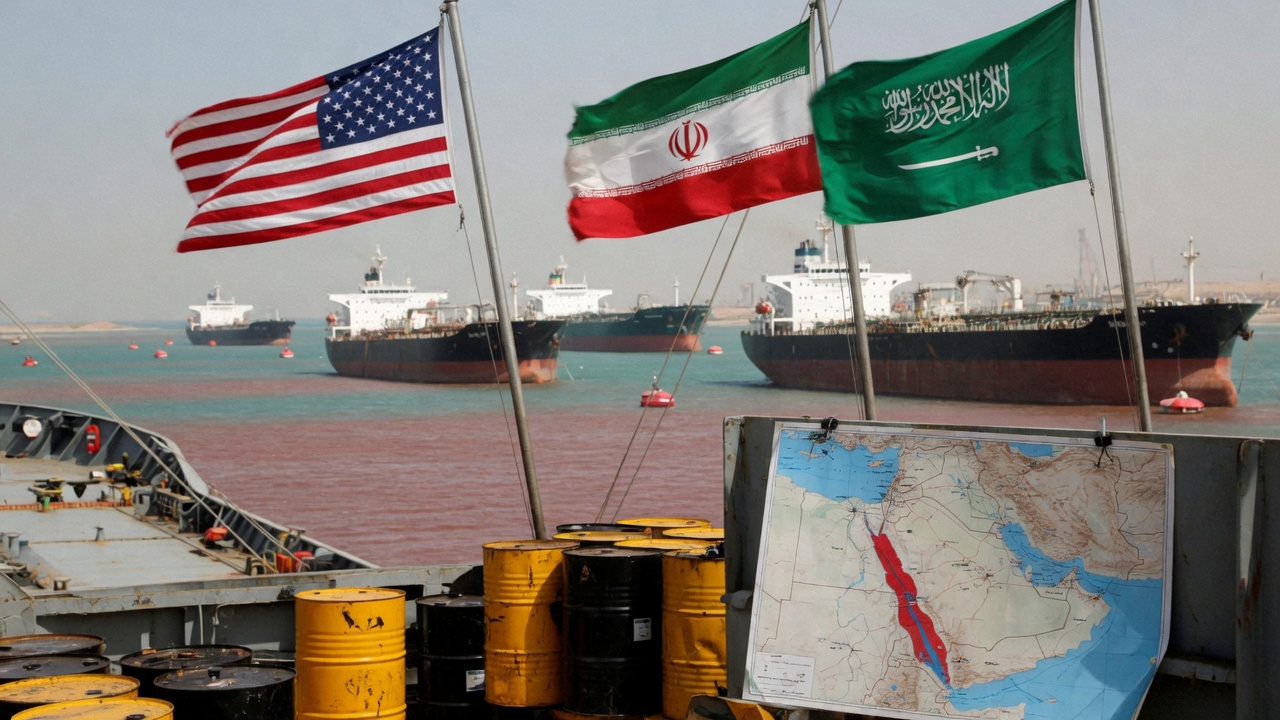
Brent Crude Hovers Above $100/bbl Amid Middle East Escalation
Brent oil prices remained above $100 per barrel on July 24-25, 2026, driven by Houthi attacks on Saudi tankers and ongoing U.S.-Iran tensions disrupting Red Sea shipping and supply flows.

Brent Crude Settles at Lowest Since Pre-Iran War as Hormuz Flows Normalize
Brent settled at its lowest level since before the Iran conflict started, pressured by US-Iran talks and sanctions relief expectations. J.P. Morgan cut its Brent price forecast for the second half of 2026 due to smoother crude flows via Hormuz.
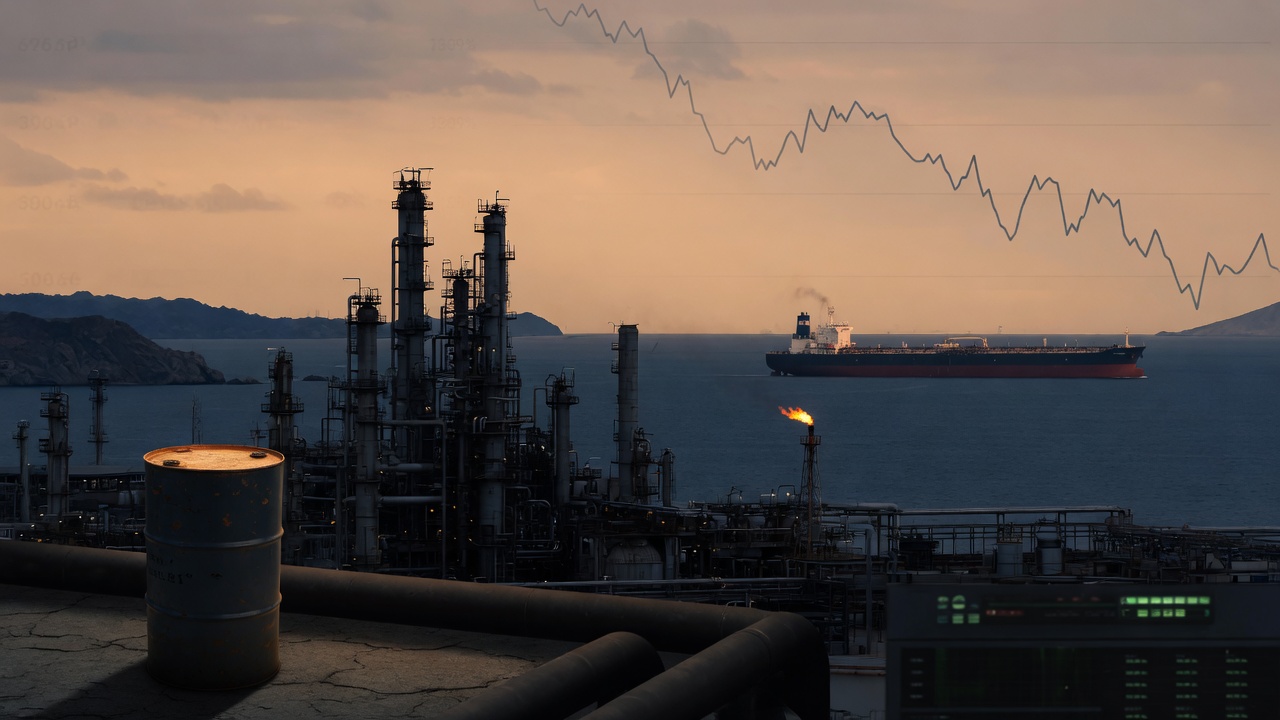
Barclays Cuts 2026-2027 Brent Crude Price Forecasts
Barclays lowered its Brent forecast to $96 per barrel for 2026 and $85 for 2027 from prior $100 and $88 estimates, citing rising oil flows through the Strait of Hormuz. UBS also trimmed its near-term forecasts sharply.
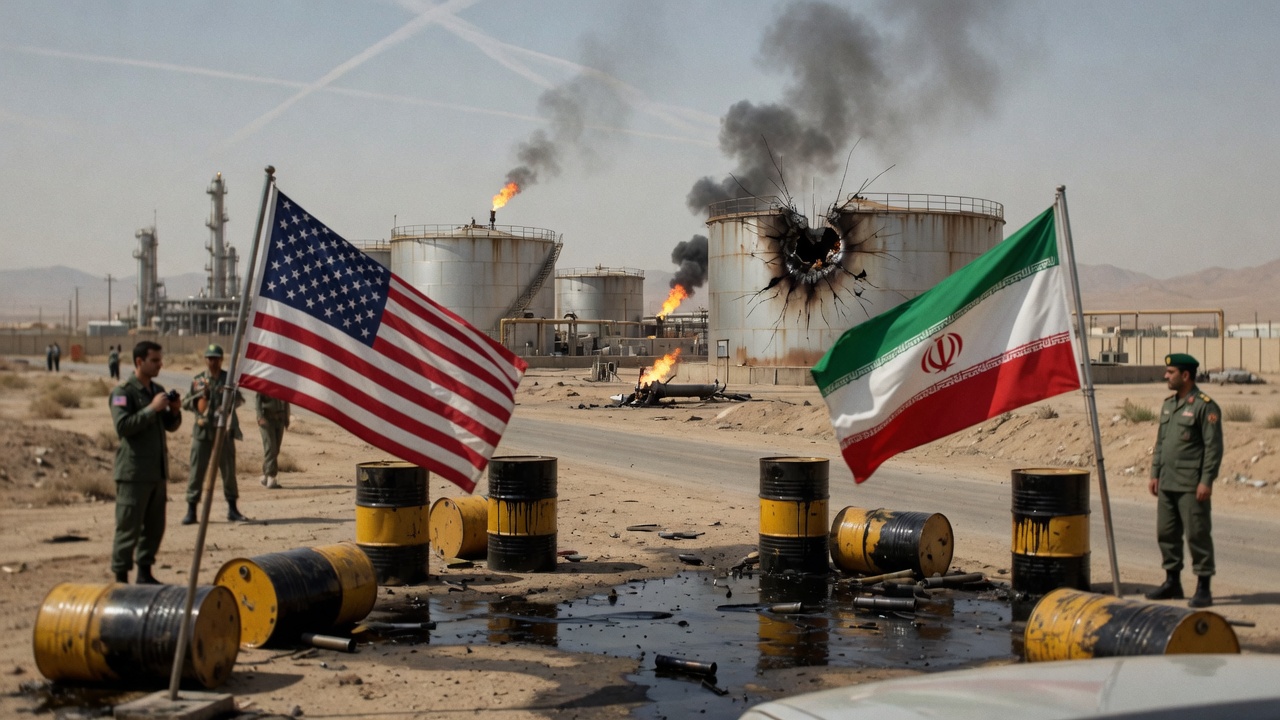
Oil Prices Rise Further as US-Iran Hostilities Flare
Brent crude gained amid worsening Middle East hostilities with strikes on energy targets, trading near $85 a barrel on July 15.
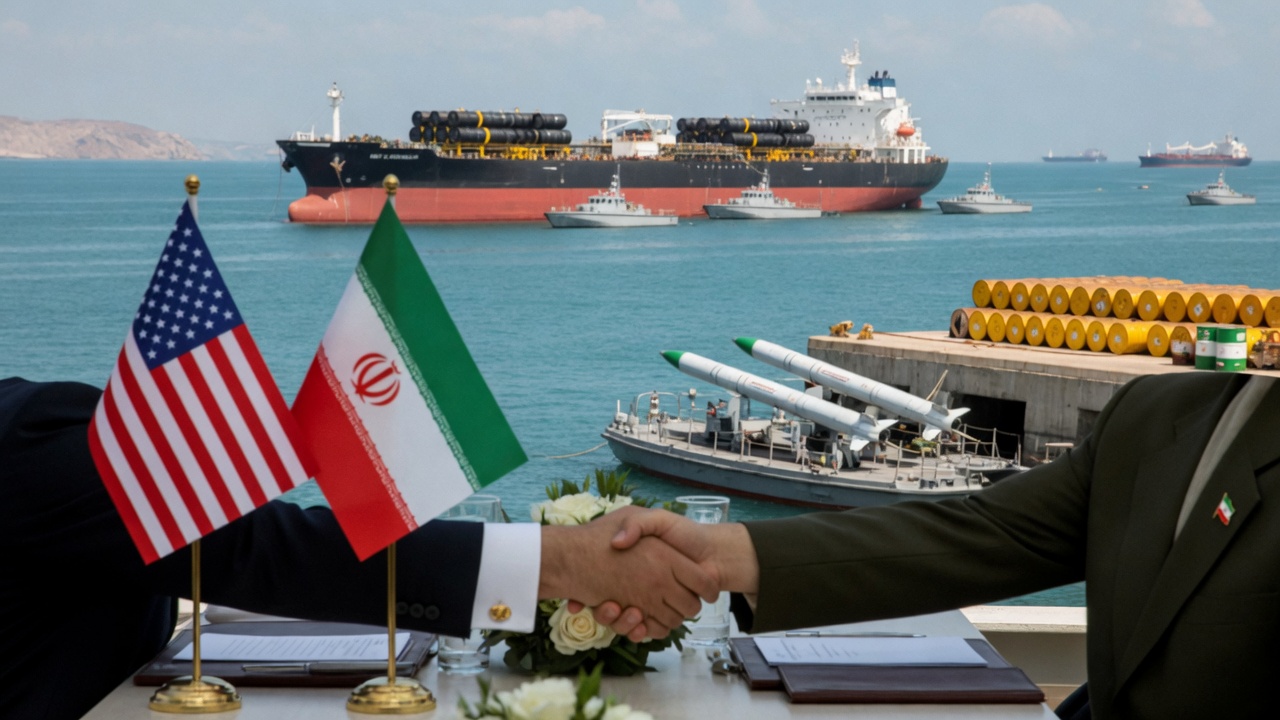
Trump Cancels Iran Strikes for Nuclear Deal Talks
US President Trump called off planned strikes on Iran to pursue a nuclear deal, leading Brent crude futures to tumble toward pre-war levels around $70 per barrel after months of conflict disruptions via the Strait of Hormuz.
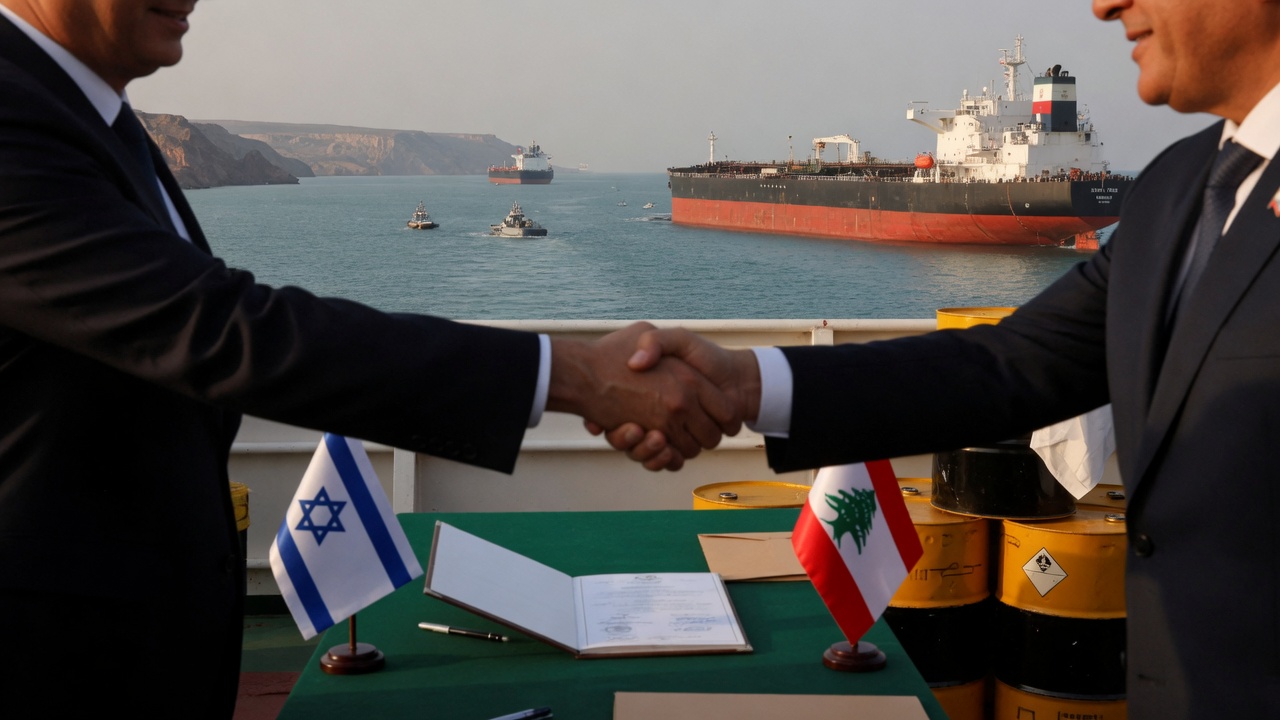
Israel and Hezbollah agree ceasefire, oil supply risks decline
Israel and Hezbollah reached a ceasefire agreement in Lebanon, allowing oil shipments to begin moving through the Strait of Hormuz and reducing Middle East supply disruption fears. Brent crude is set for an 8% weekly decline as a result.
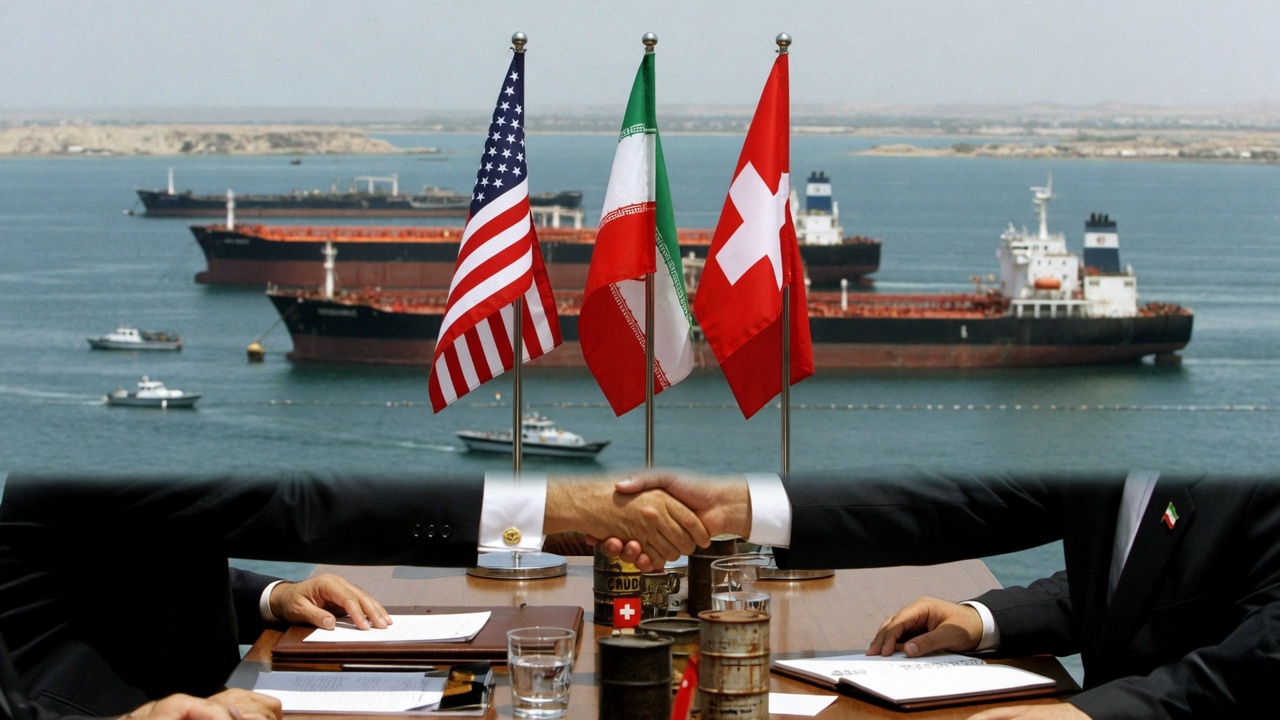
US-Iran Talks Conclude in Switzerland as Iran Re-closes Strait of Hormuz
U.S. and Iran concluded peace talks with Tehran securing waivers for oil and petrochemical exports; Iran re-closed the Strait of Hormuz in response to alleged violations, slowing shipping and causing Brent crude to slip $1.53 to $79.04 per barrel.
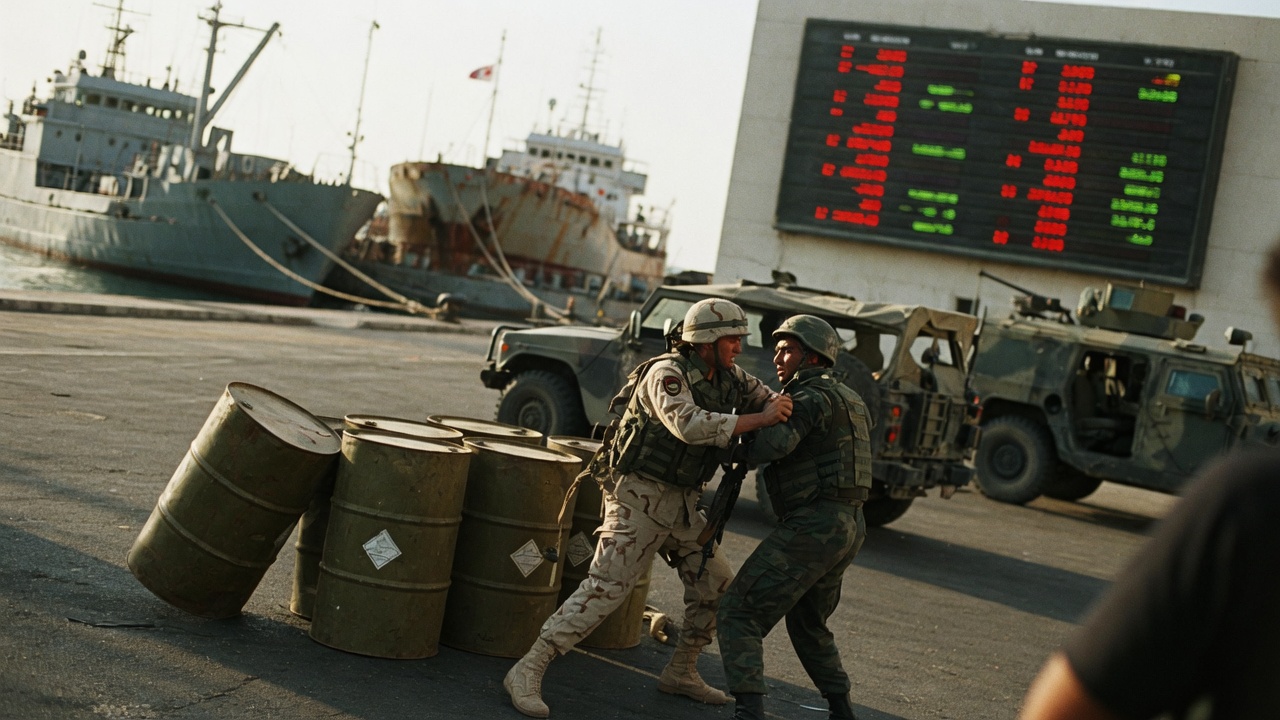
Escalation in Middle East Conflict Raises Oil Prices
New clashes reported in the region on July 19-20 2026 have heightened supply disruption fears, pushing Brent crude up 3%. Defense stocks also gained on increased military spending expectations.

Brent Crude Hits Lowest Since Pre-Iran War as Hormuz Tankers Exit
Brent settled at $73.74/bbl, down 4.3%, its lowest since before the Iran war started, after 20 million barrels exited the Strait of Hormuz in the last 24 hours amid eased supply concerns from US-Iran talks and sanctions relief.
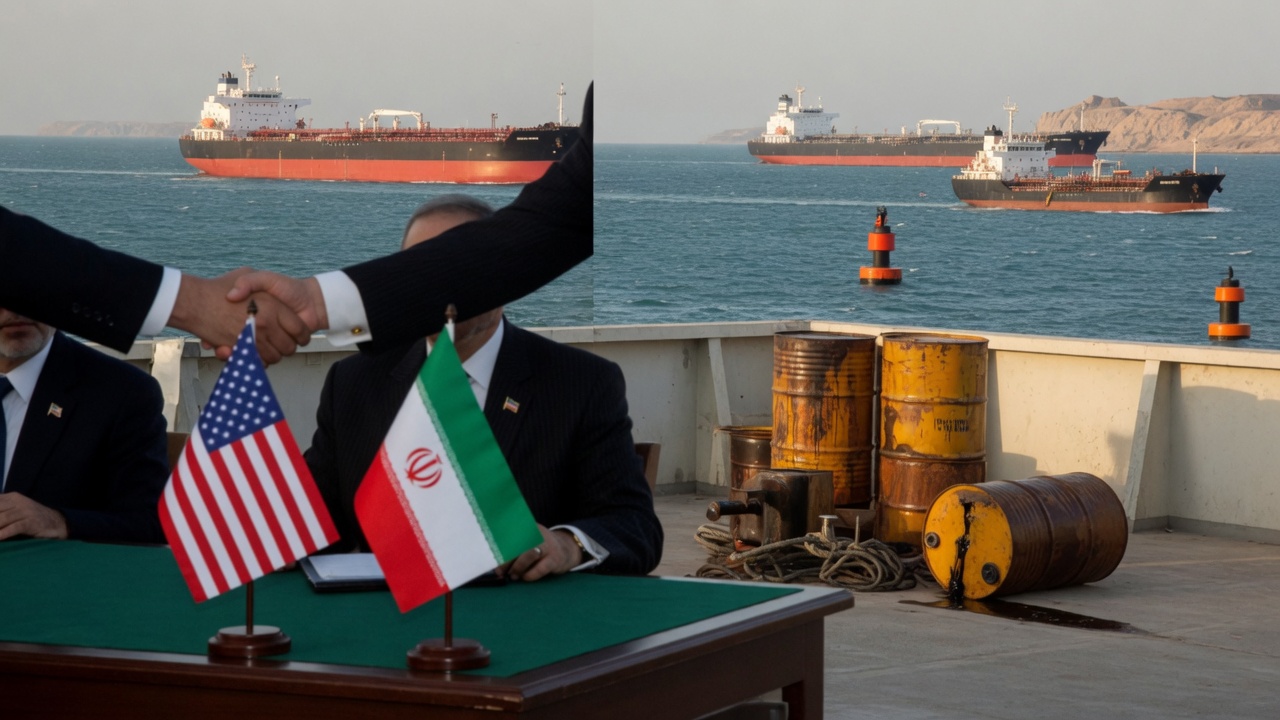
Oil flows through Hormuz normalize amid US-Iran de-escalation
US Energy Secretary reports 20 million barrels exited Strait of Hormuz in last 24 hours as tankers resume normal navigation following initial US-Iran agreement, pressuring Brent crude to lowest levels since before the Iran war.
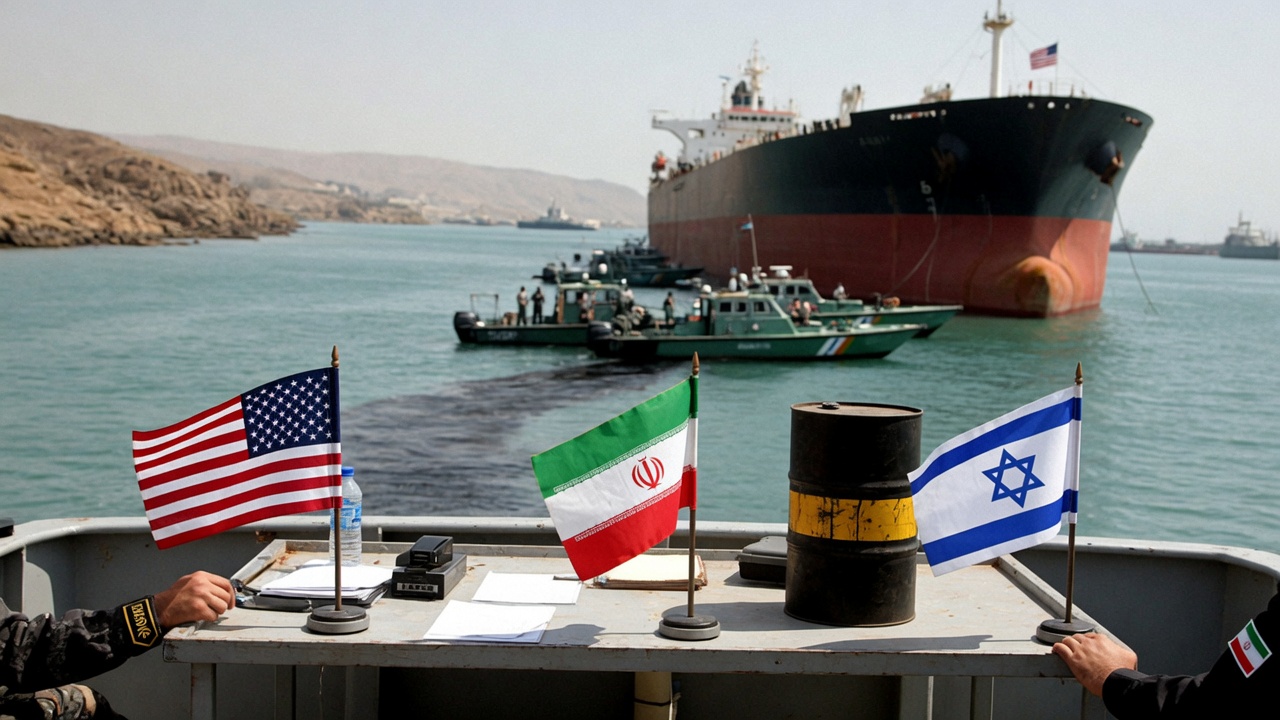
Bumpy start to US-Iran peace talks lifts Brent oil
Negotiators head to talks with a memorandum on ending the war and reopening the Strait of Hormuz, but Iran reimposed a blockade after accusing Israel; Brent crude rose more than $1 a barrel. The conflict has previously driven oil prices higher due to supply disruptions.
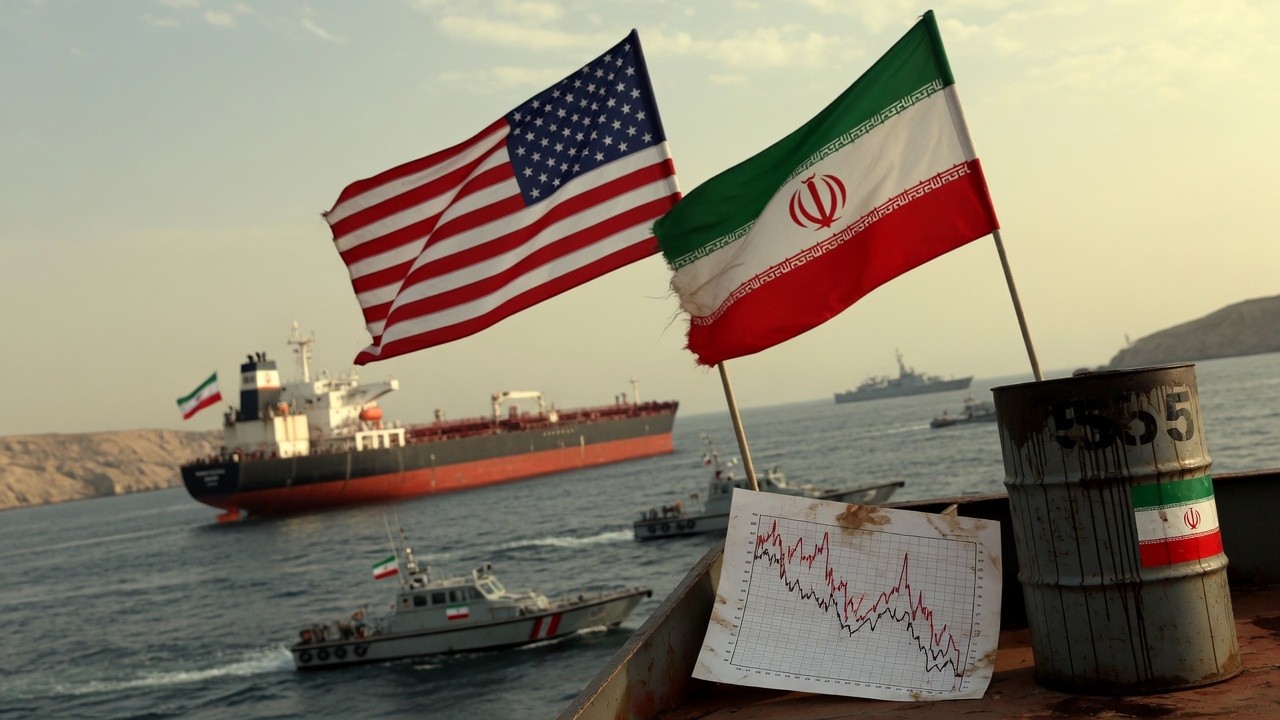
Brent Oil Tops $90 as US-Iran Conflict Intensifies
Brent crude prices rose 2% above $90 per barrel on July 20 due to U.S.-Iran strikes limiting shipments via the Strait of Hormuz. The escalation is driving immediate gains in energy markets.
Understand the moves behind the headlines
A stop-loss is a pre-set exit that caps the loss on a trade. Learn where to place it, why percentage-based stops fail, and how it links to position size.
The risk/reward ratio compares what you stand to lose against what you stand to gain. Learn how it pairs with win rate to determine profitability.
Each candlestick shows the open, high, low and close for one period. Learn how to read the body, the wicks, and the patterns that actually matter.