Macro News & Market Digest
Central banks, inflation, GDP and rates — the forces that move every market.
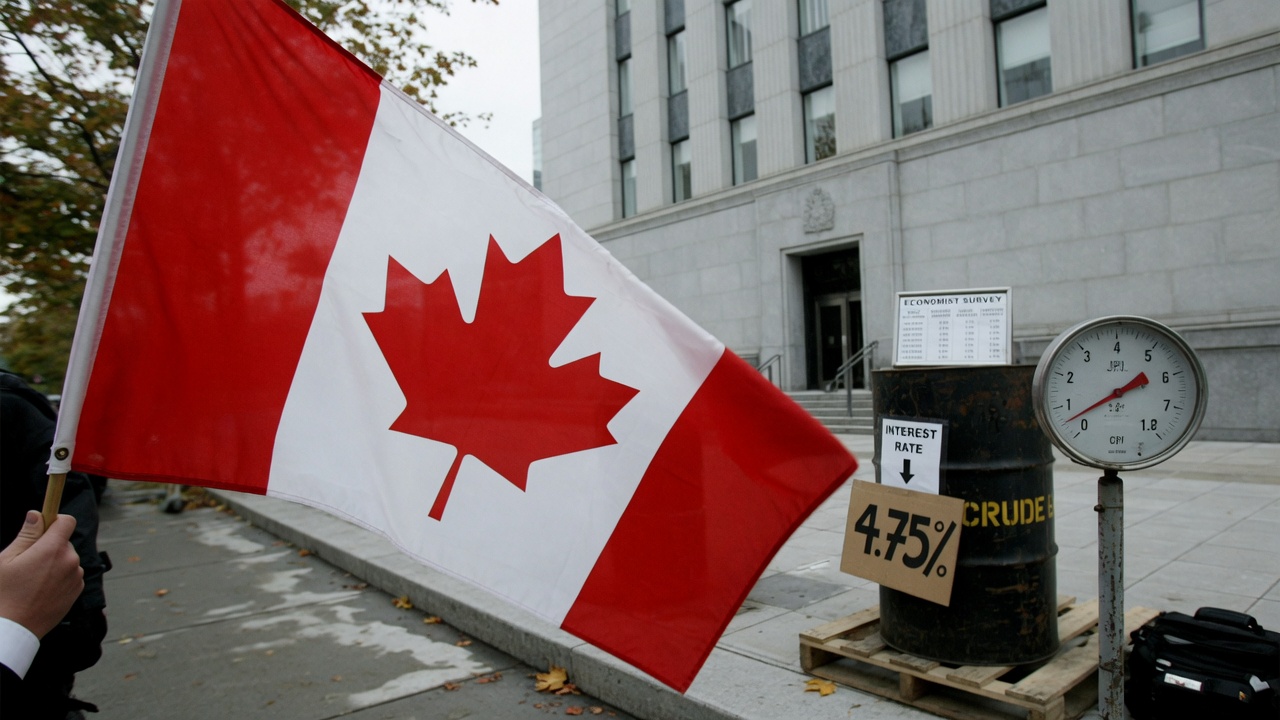
BoC Expected to Hold Rates at 2.25% Through 2026 Amid Energy Inflation
A Reuters poll of economists shows all 34 expect the Bank of Canada to leave its overnight rate unchanged at 2.25% on June 10 and for the rest of 2026, despite rising inflation risks from conflict-driven energy prices.
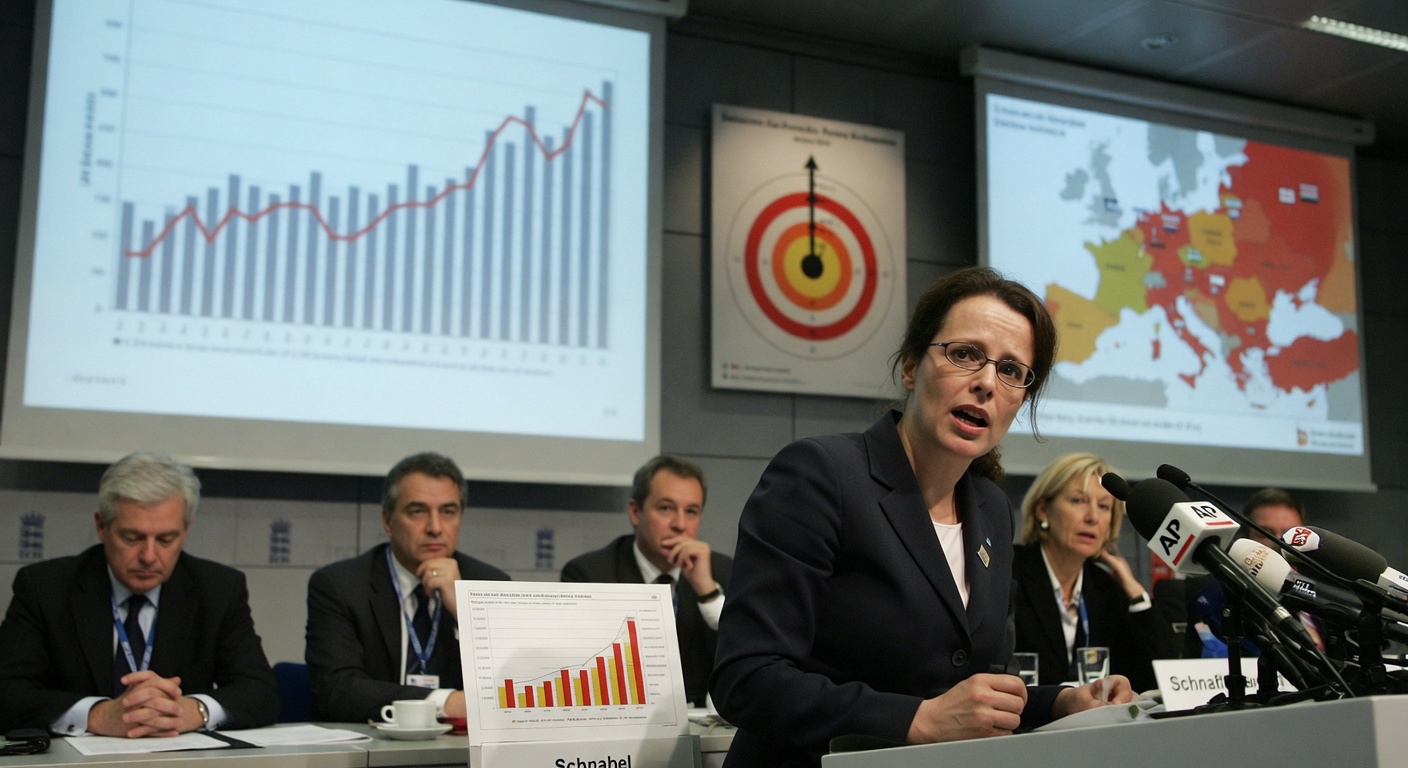
ECB Officials Signal Possible June Rate Hike Amid Inflation Risks from War
ECB board member Isabel Schnabel highlighted risks of unanchored inflation expectations due to the Middle East conflict and energy shocks; other officials indicated openness to raising rates at the June meeting if inflation outlook does not improve.
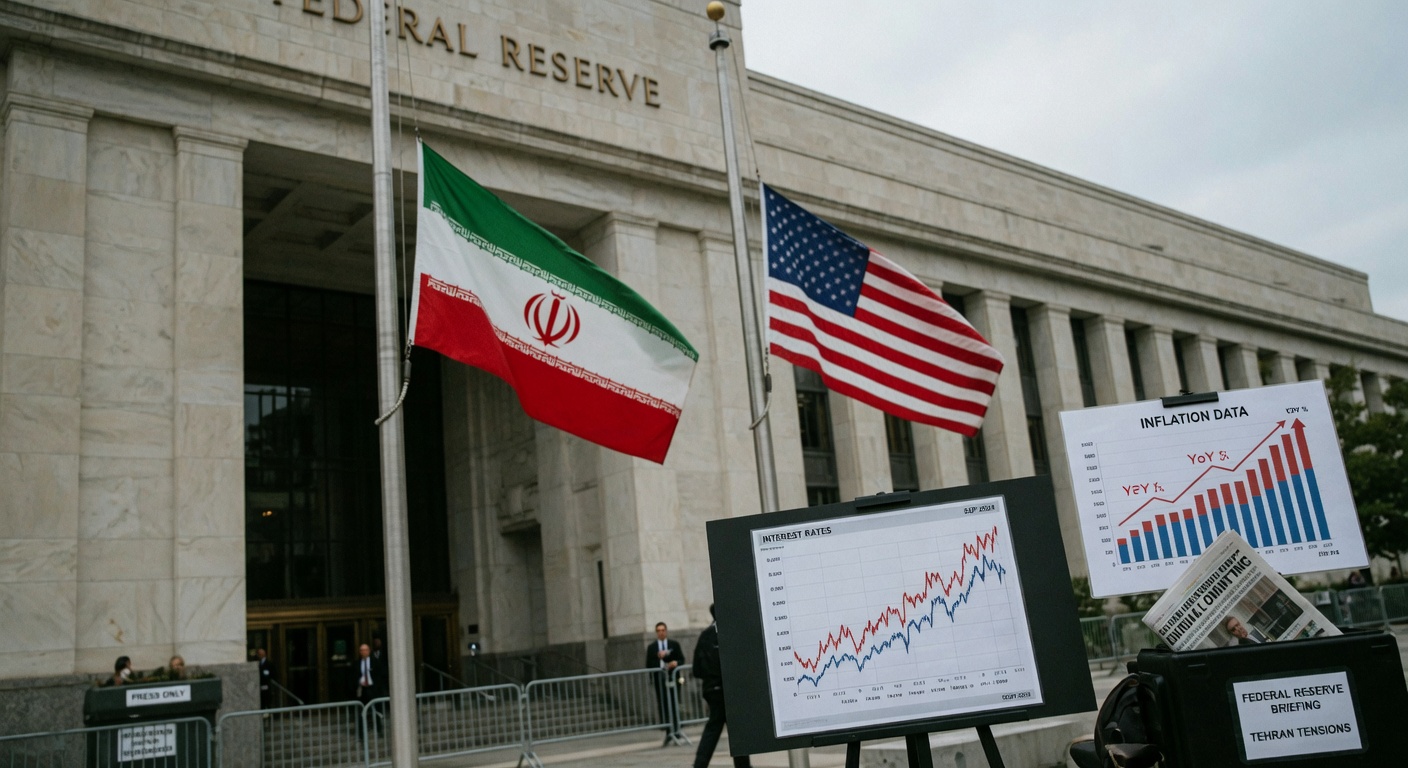
Fed Policymakers Eye Possible Rate Hikes Amid Rising Inflation Risks
More Federal Reserve officials signaled they may need to raise interest rates if the Iran war leads to persistent inflation increases. Recent US PCE data showed headline inflation rising to 3.8% yoy in April, the largest annual increase in three years.
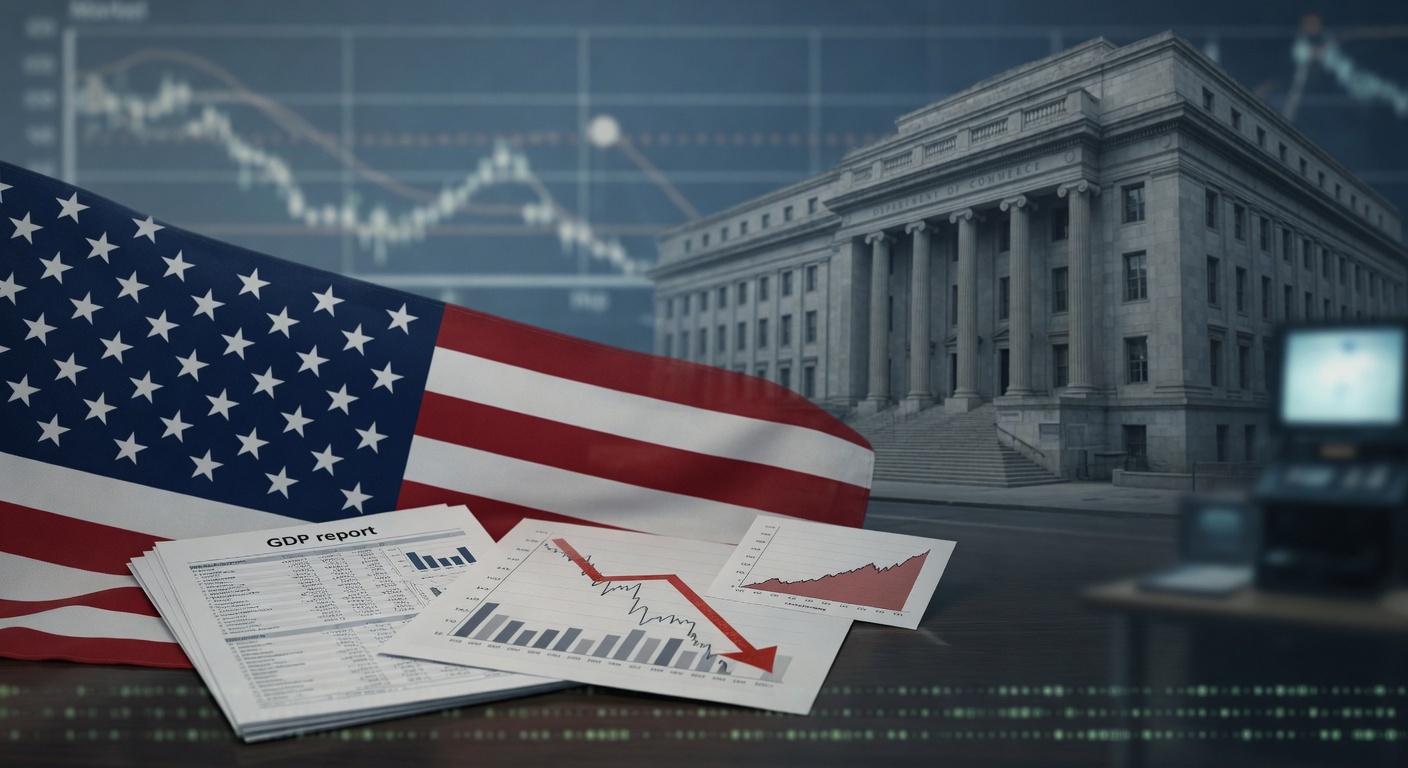
US Q1 GDP Revised Lower to 1.6% Annual Rate
The Commerce Department reported Thursday that U.S. GDP grew at a 1.6% annualized rate in the first quarter, revised down from the initial 2% estimate. The downgrade reflects slower economic expansion amid persistent inflation pressures.
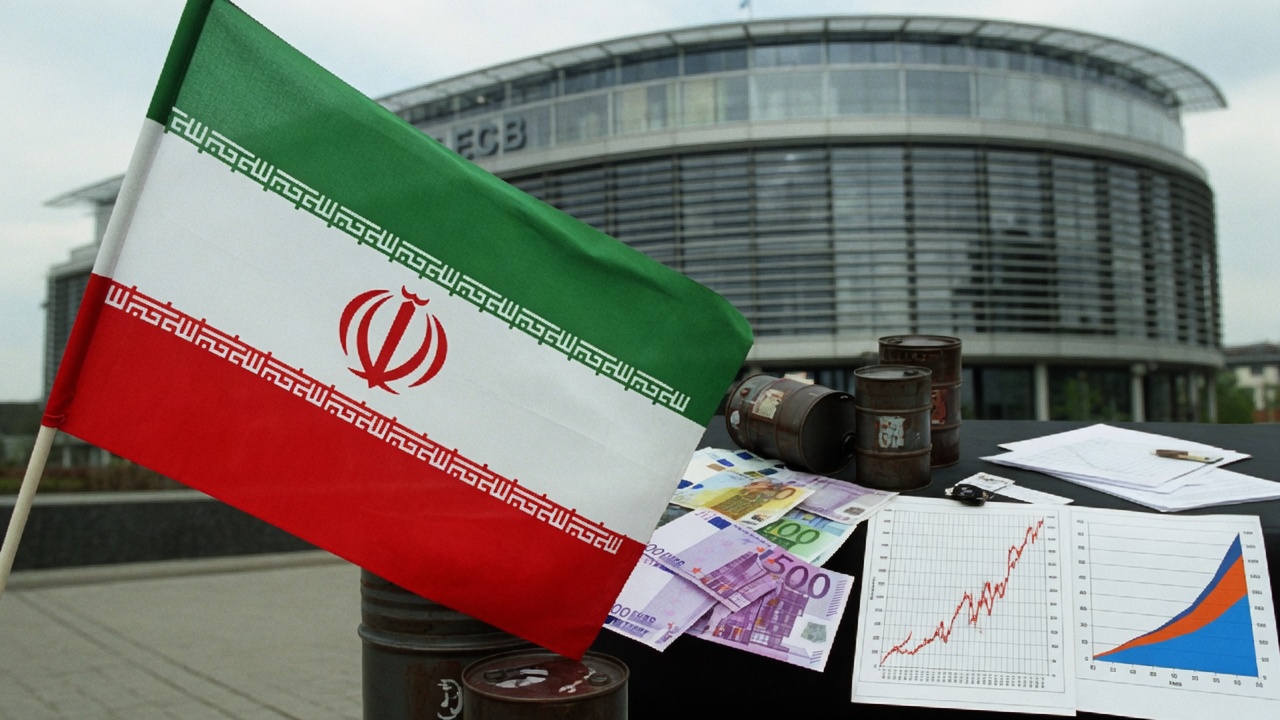
ECB Raises Key Rate to 2.25% for First Time in Nearly Three Years
The European Central Bank hiked its benchmark deposit rate by 25 basis points to 2.25% on June 11, citing inflation pressures from higher energy costs linked to the Iran conflict. It raised its 2026 inflation forecast to 3% while trimming the GDP growth outlook marginally to 0.8%.
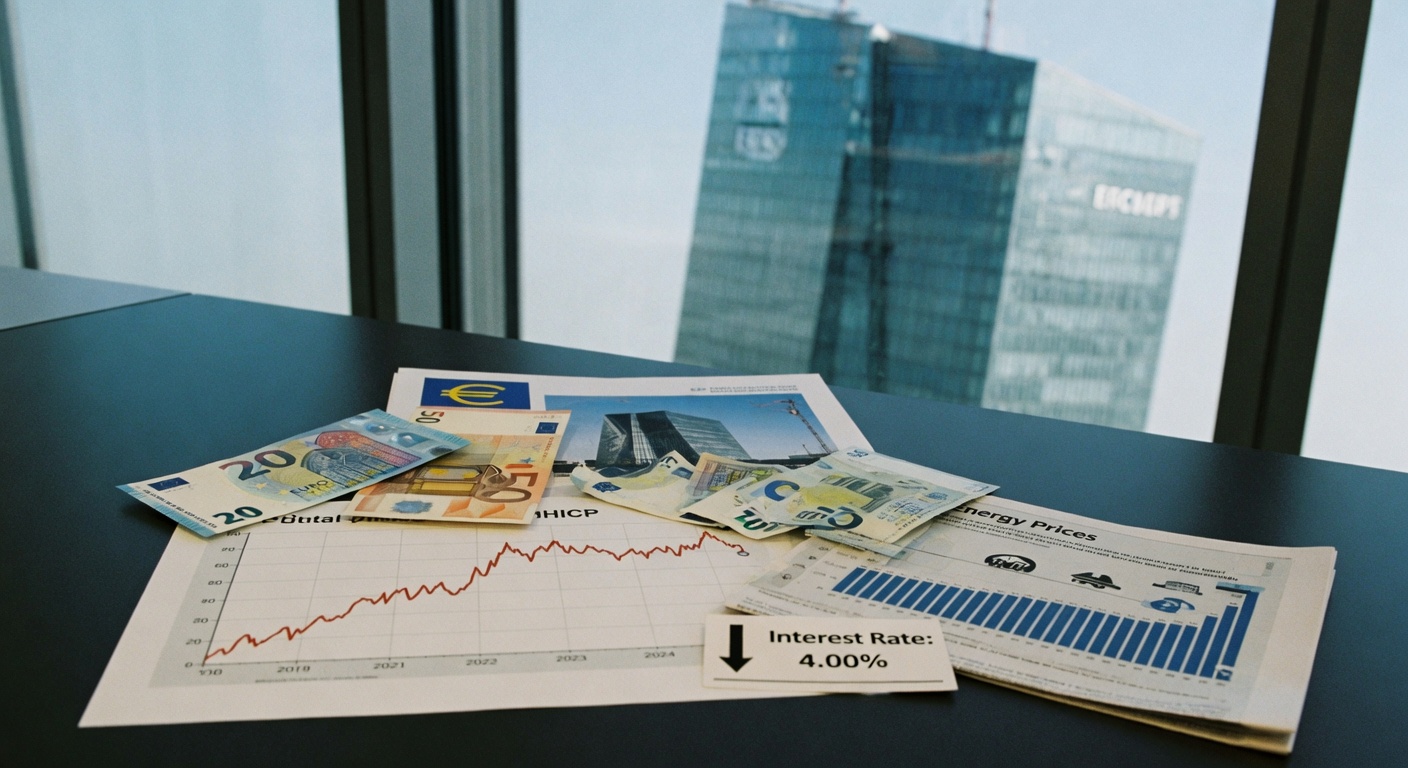
Eurozone Inflation Rises to 3.2% in May, Cementing ECB June Rate Hike
Eurozone consumer prices accelerated to 3.2% in May from 3.0%, driven by energy and services, well above the ECB's 2% target. A Reuters poll shows the ECB is expected to raise its deposit rate by 25bp to 2.25% on June 11, with another hike likely in September.
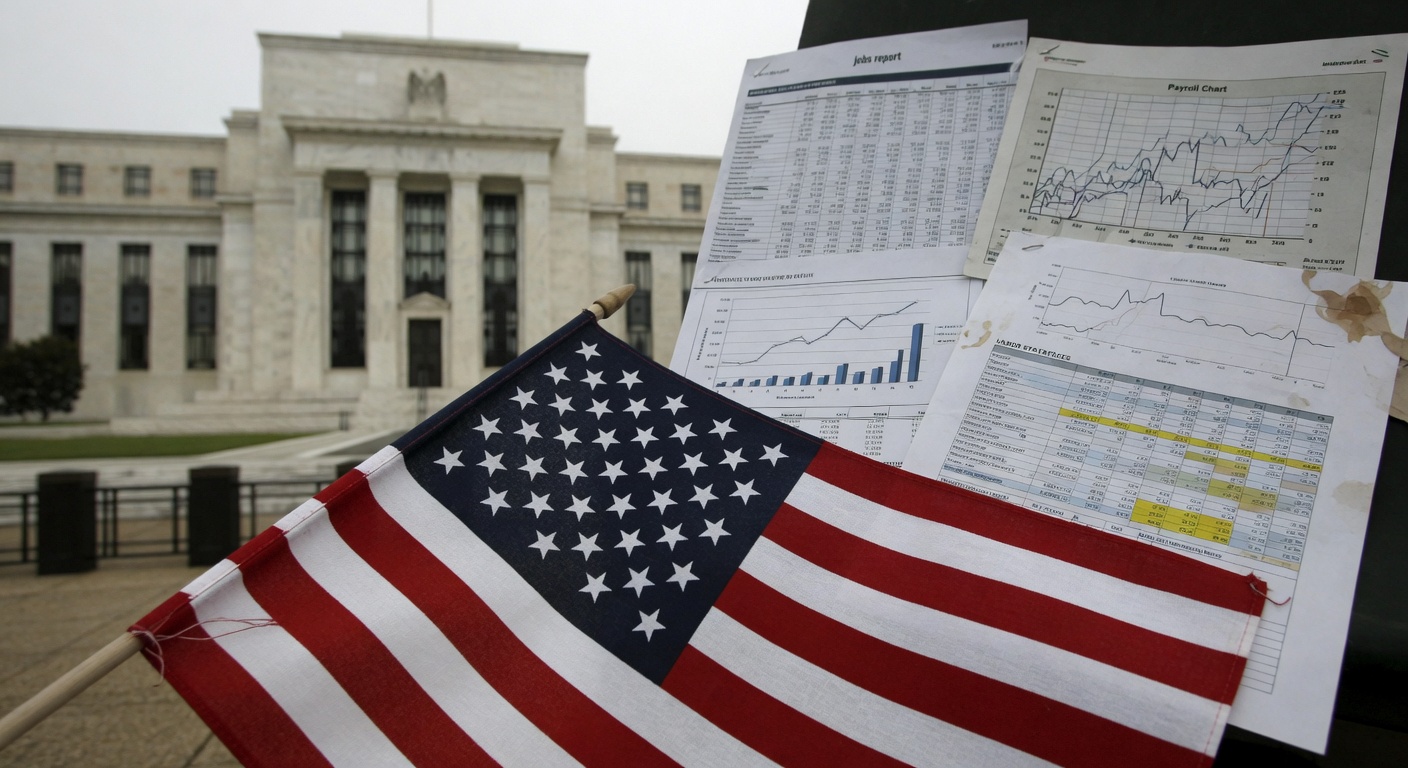
Hot US May Jobs Report Puts Fed Rate Cuts Off the Table
May nonfarm payrolls showed job gains twice as high as expected with unemployment unchanged, confirming strong labor market and removing near-term rate cut expectations for the Federal Reserve.
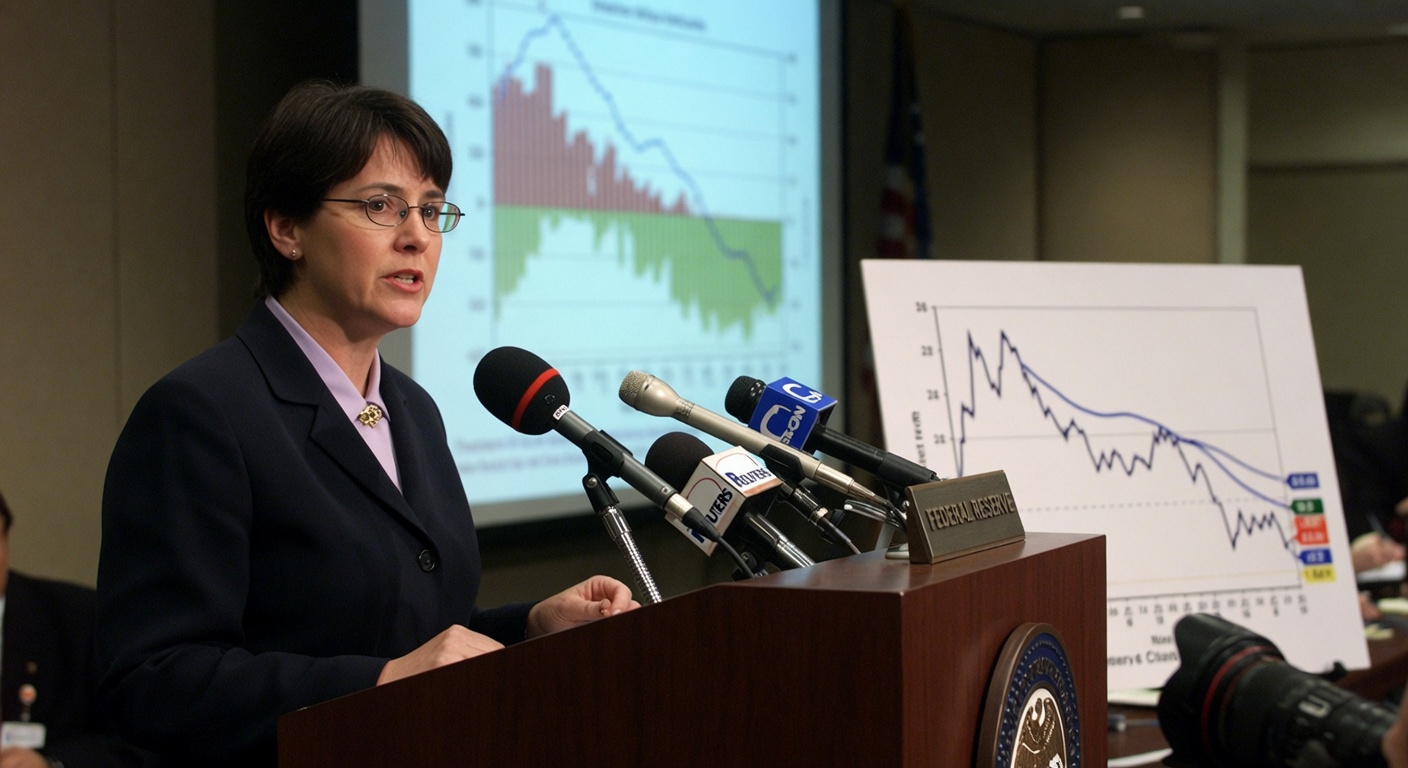
Dallas Fed President Logan Signals Possible Rate Hikes This Year
Dallas Fed President Lorie Logan stated that the Fed’s current rates no longer appear to be constraining inflation, which has heated up across indicators, and that higher rates may be needed before the end of 2026. Her Wednesday speech provided one of the most direct warnings yet from a Fed official about potential policy tightening.
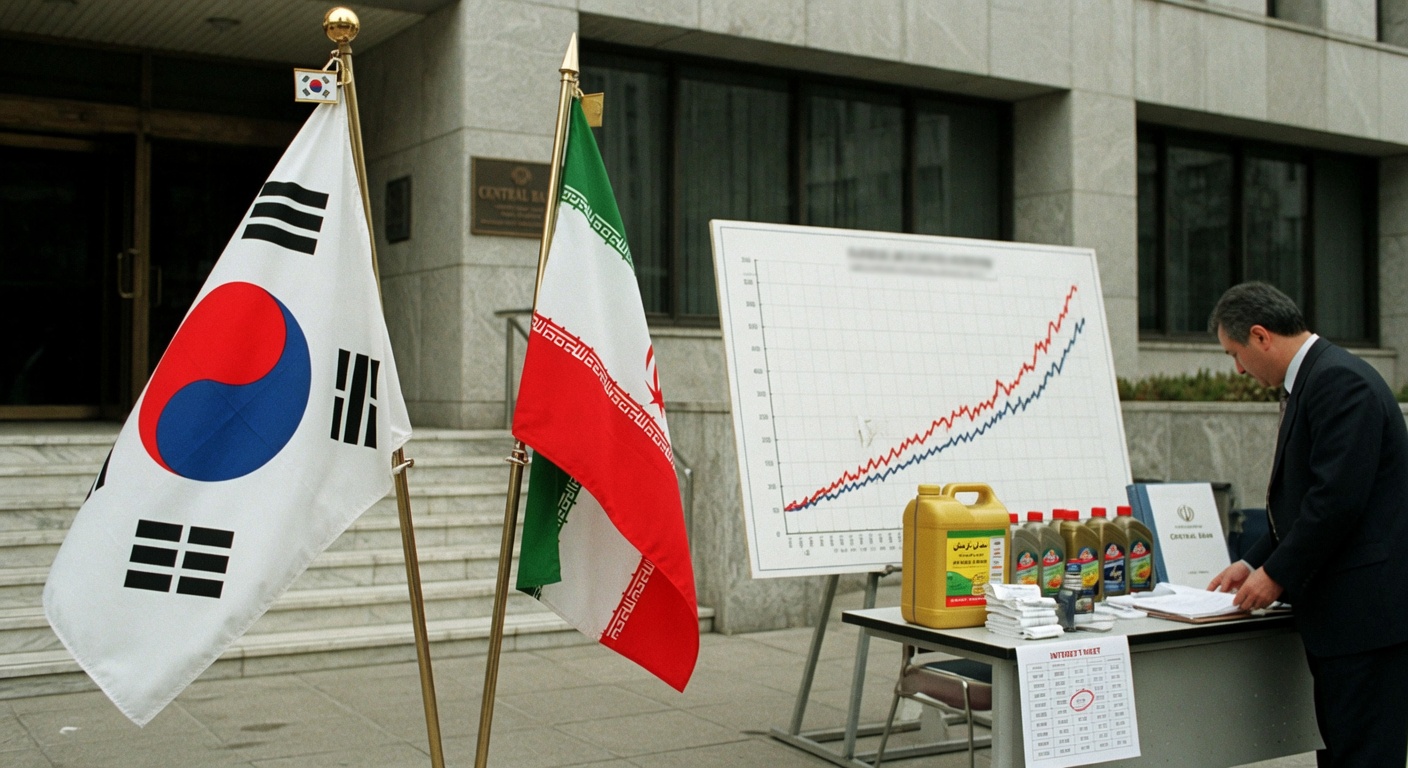
South Korea Inflation Hits Two-Year High
South Korea's CPI rose 3.1% y/y in May, exceeding the 3.0% forecast and marking a more than two-year high, driven by petroleum products amid the Iran conflict. Economists expect the Bank of Korea to begin raising interest rates as early as July.
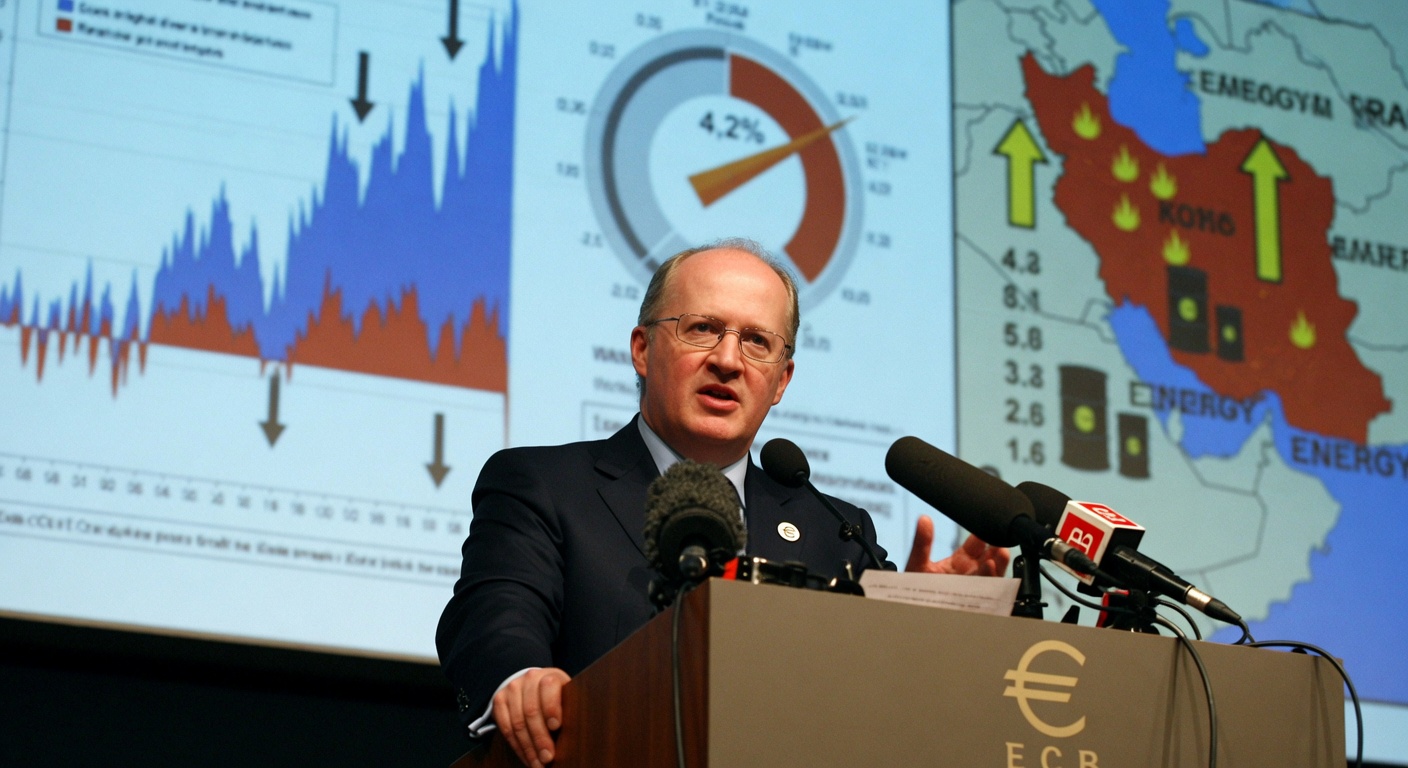
ECB Signals Readiness for June Rate Hike Amid Persistent Inflation from Iran War
ECB chief economist Philip Lane said the energy shock from the Middle East conflict will have a persistent impact on inflation. Markets have fully priced in two ECB deposit rate hikes from the current 2% level.
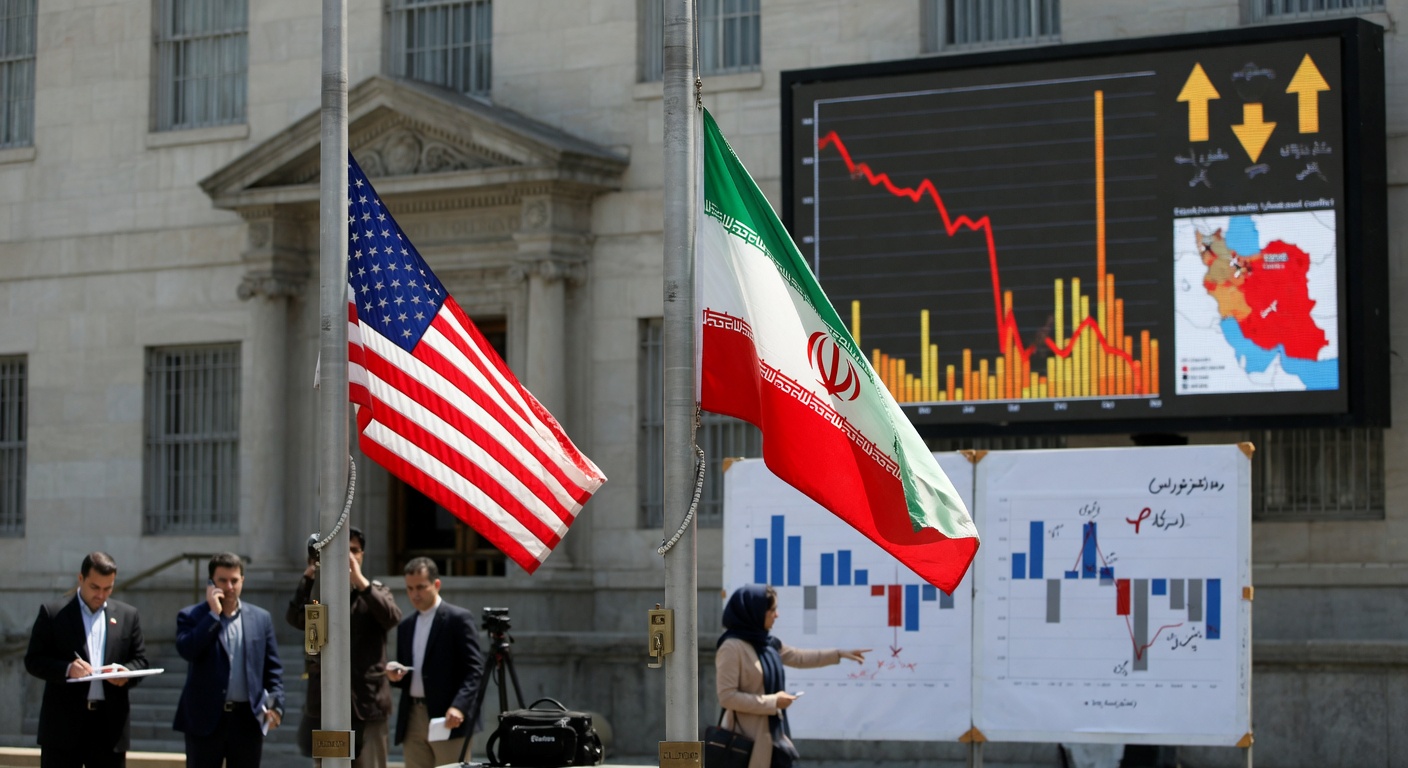
US April Core PCE Inflation Hits 3.3% Annual Rate
The Fed's preferred core PCE gauge rose 3.3% year-over-year in April, matching expectations, while headline PCE jumped 3.8% YoY, the largest annual increase in three years, driven by energy prices amid the Iran conflict. GDP growth was revised lower to 1.6% annualized for Q1.
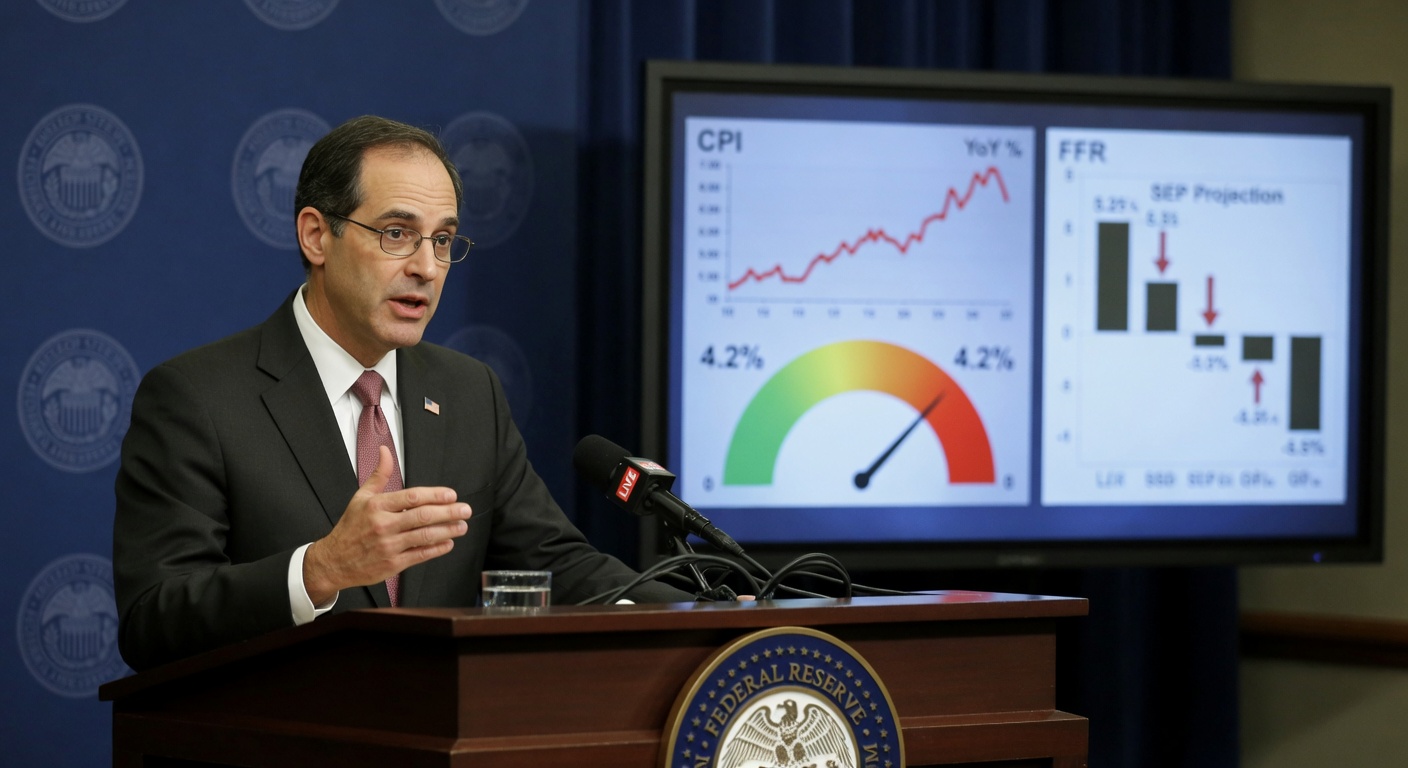
Kevin Warsh Urges Fed to Focus on Alternative Inflation Measures
New Fed Chairman Kevin Warsh is pushing the central bank to consider gauges like trimmed-mean inflation, which stood at 2.3% in the latest reading versus 3.3% for core CPI, when setting interest rates.
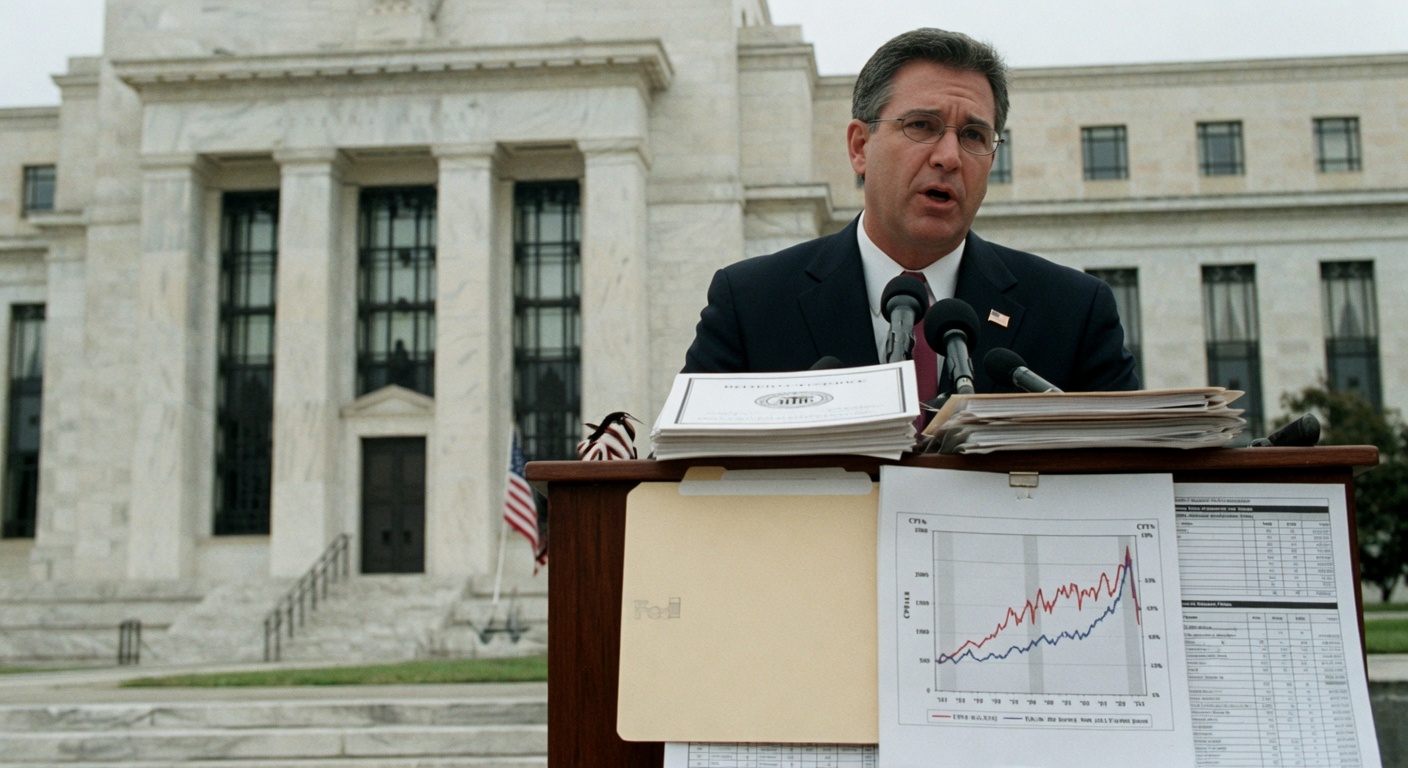
Fed Chair Warsh Makes First Hires Including 'Project 2025' Author
New Federal Reserve Chair Warsh appointed initial staff members, including a key 'Project 2025' figure, signaling potential shifts in central bank policy direction amid ongoing inflation concerns from Middle East conflicts.
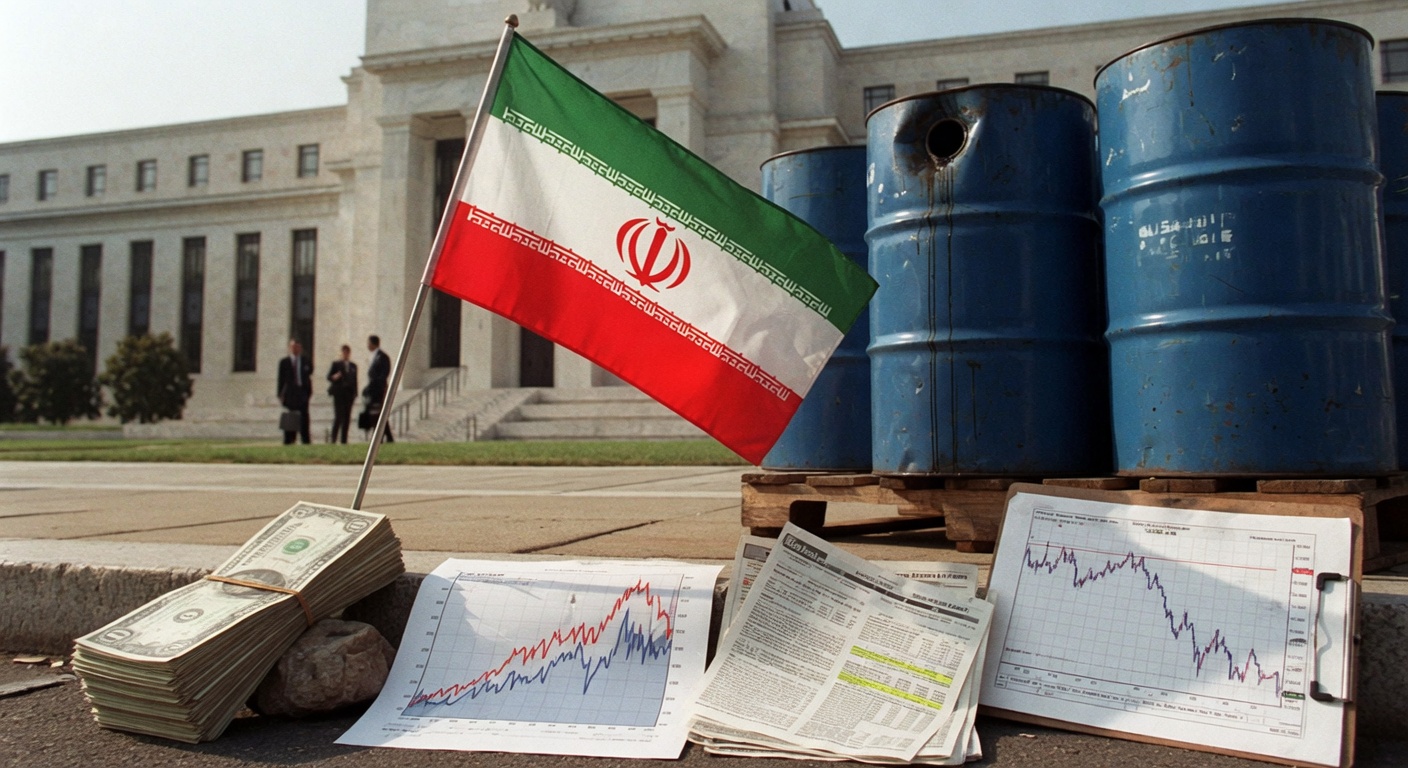
Fed Minutes Show Support for Rate Hikes if Inflation Persists Due to Iran War
Federal Reserve officials at the April meeting indicated that some policy firming would likely be needed if inflation remains elevated above 2%, with markets now pricing in potential hikes later in 2026 amid surging oil prices and inflation data. Treasury yields have resumed climbing as traders monitor inflation risks.
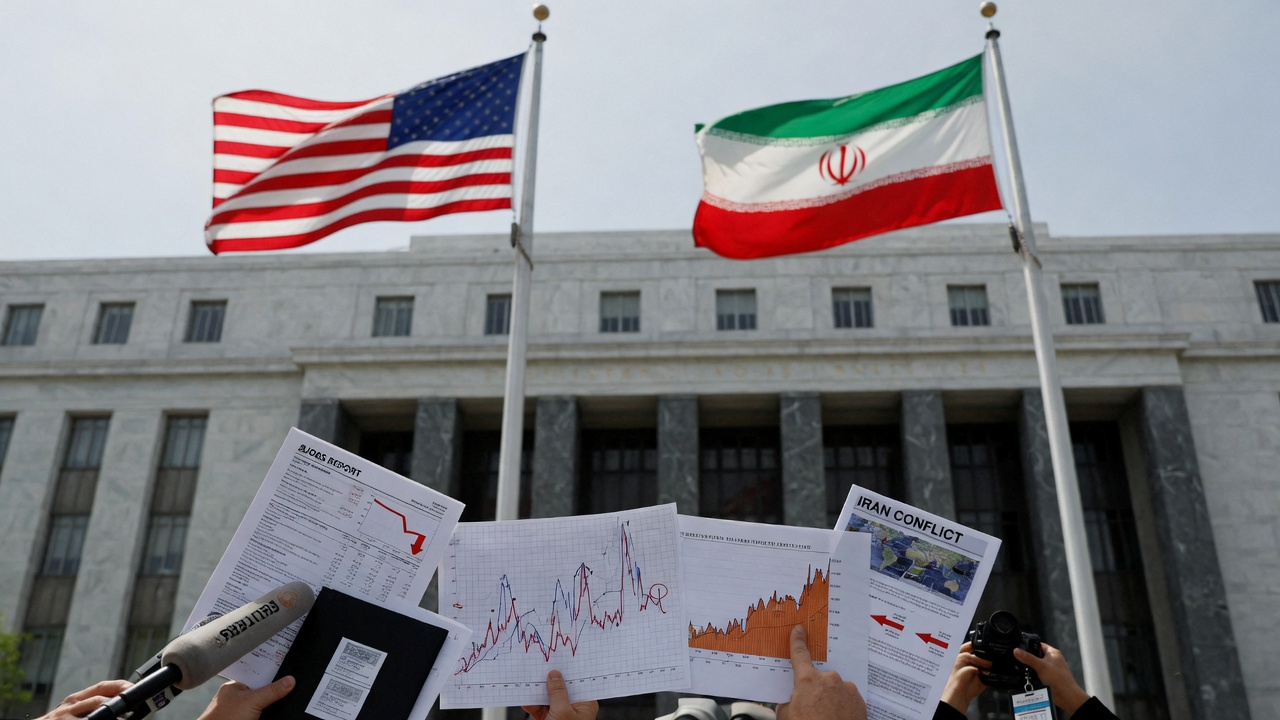
Fed rate hike expectations surge after strong US jobs data
Stronger-than-expected May jobs report boosted bets on a Federal Reserve rate hike by December to around 70% probability, with Goldman Sachs now delaying any cuts until 2027 amid persistent inflation pressures from the Iran conflict.
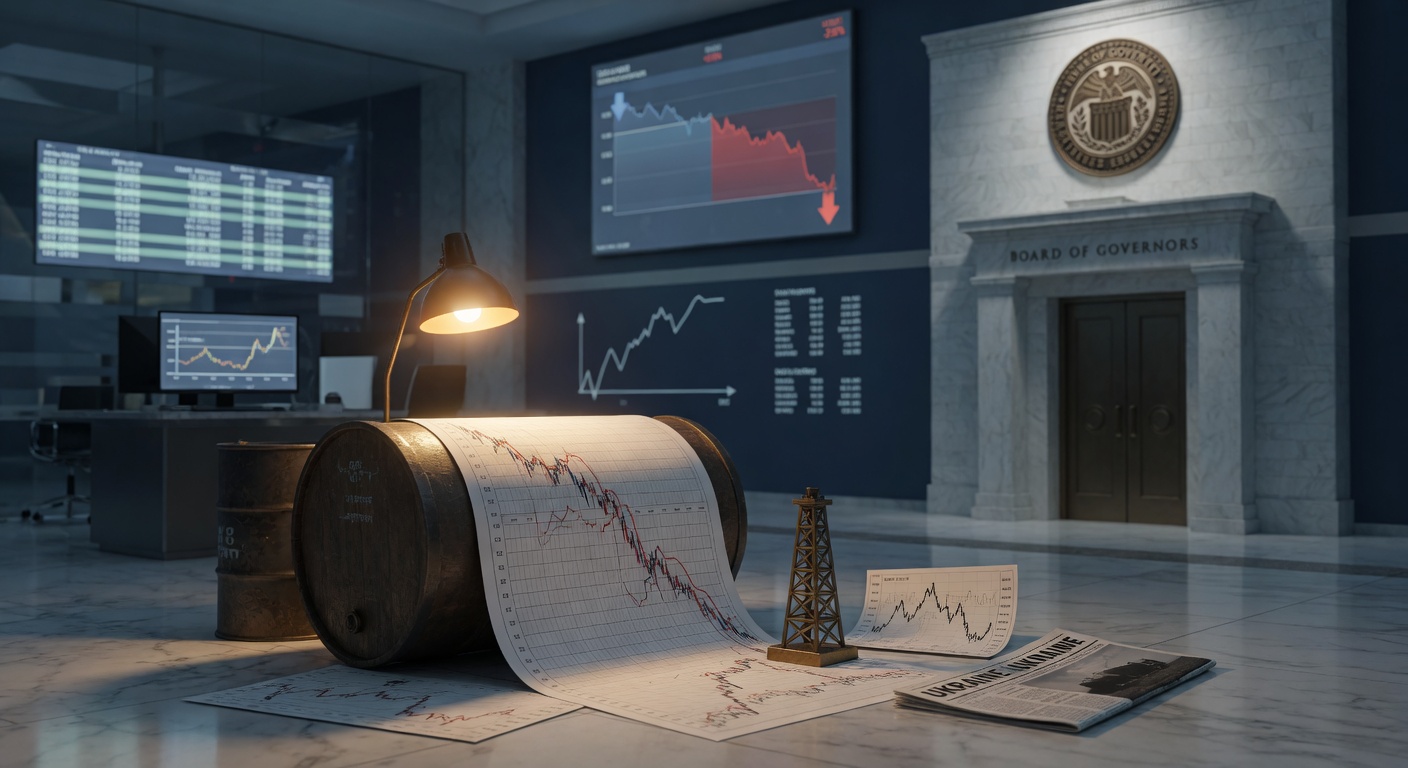
US April PCE Inflation Surges to 3.8% YoY, Fastest in Three Years
The Personal Consumption Expenditures Price Index jumped 3.8% year-over-year in April, the largest rise since May 2023, driven by higher energy prices from the Iran war. Core PCE advanced 3.3% YoY, well above the Fed's 2% target.
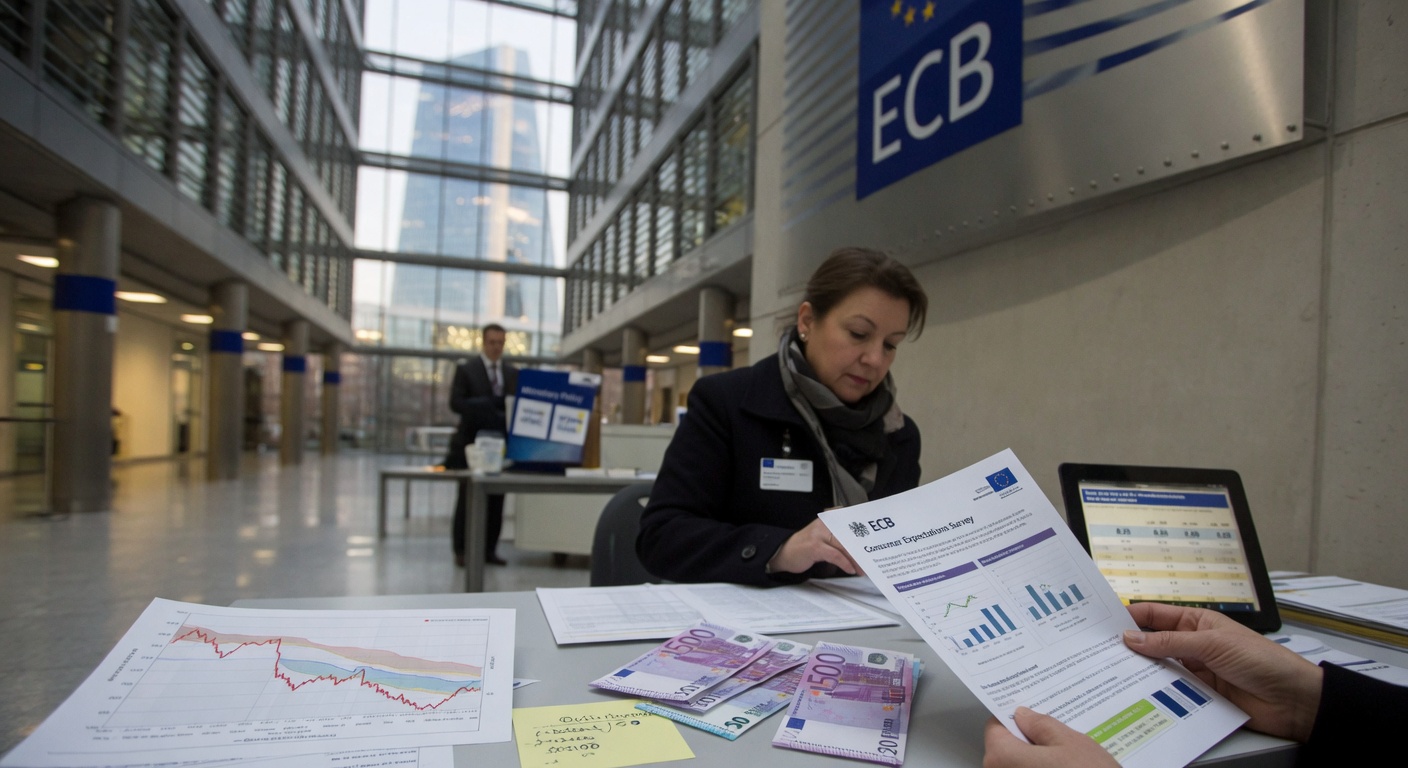
ECB Says Consumer Price Expectations Ease But Stay Elevated
Euro-area consumers’ expectations for inflation in three years fell slightly to 2.9% in April from 3% in March, per ECB survey released June 1, though policymakers remain likely to raise interest rates next week.
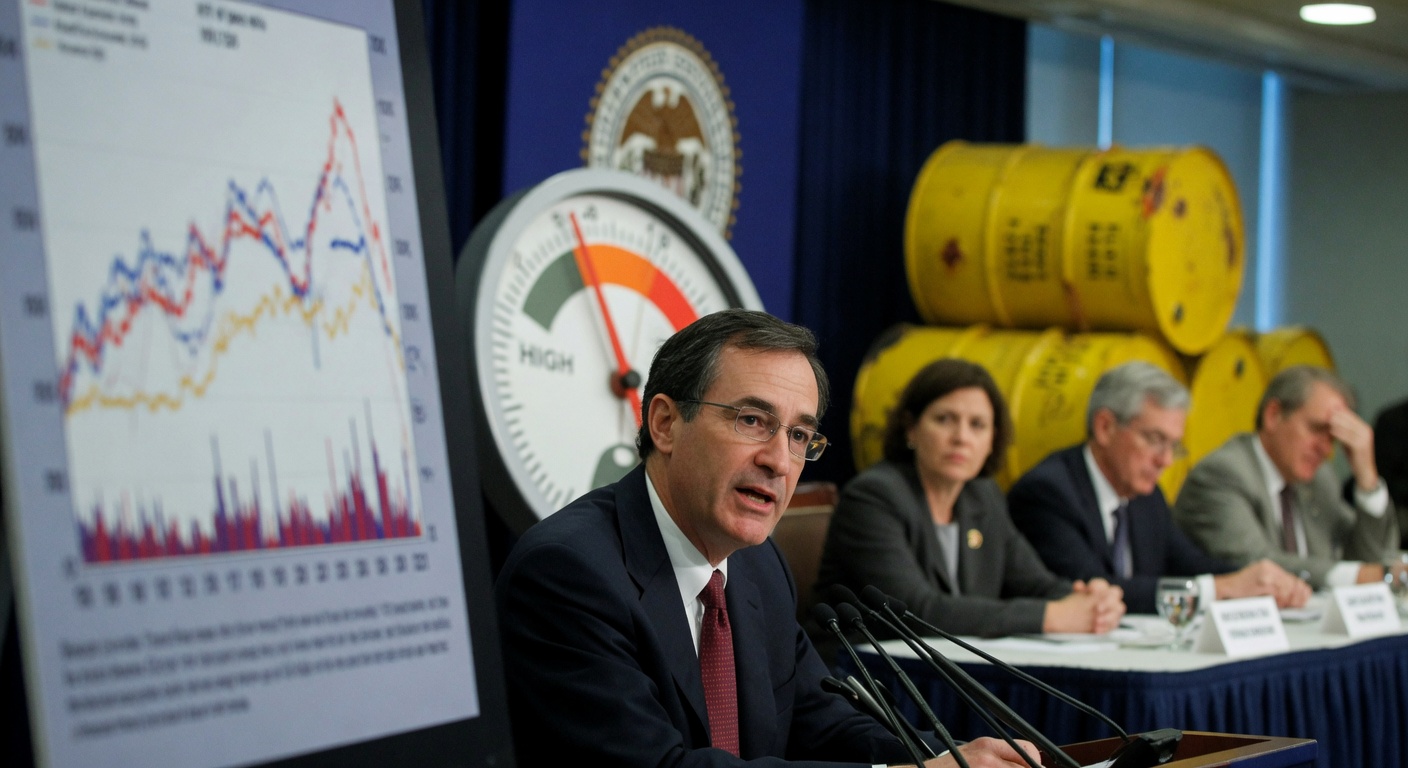
Fed Officials Signal Readiness to Hike Rates on Inflation Risks
Chicago Fed President Goolsbee and others including Governors Cook and Jefferson, plus Minneapolis Fed's Kashkari, highlighted persistent inflation pressures from the Iran war oil shock and AI investment hype, stating they are prepared to raise rates if disinflation stalls while keeping policy well-positioned at 3.50%-3.75%.
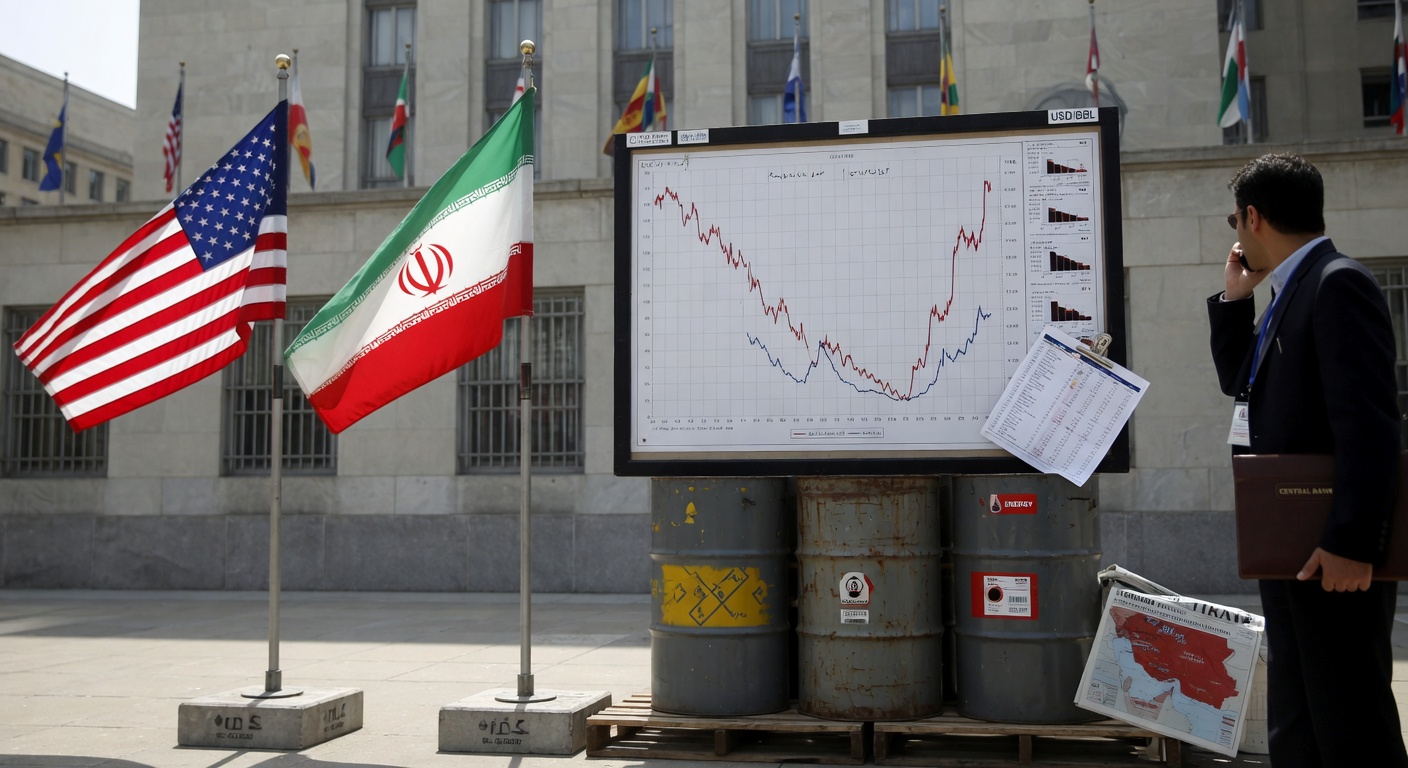
US April PCE Inflation Accelerates to 3.8% YoY
The personal consumption expenditures price index rose 3.8% year-over-year in April, the largest increase since May 2023, driven by higher energy prices amid the Iran conflict; core PCE hit 3.3% annually.
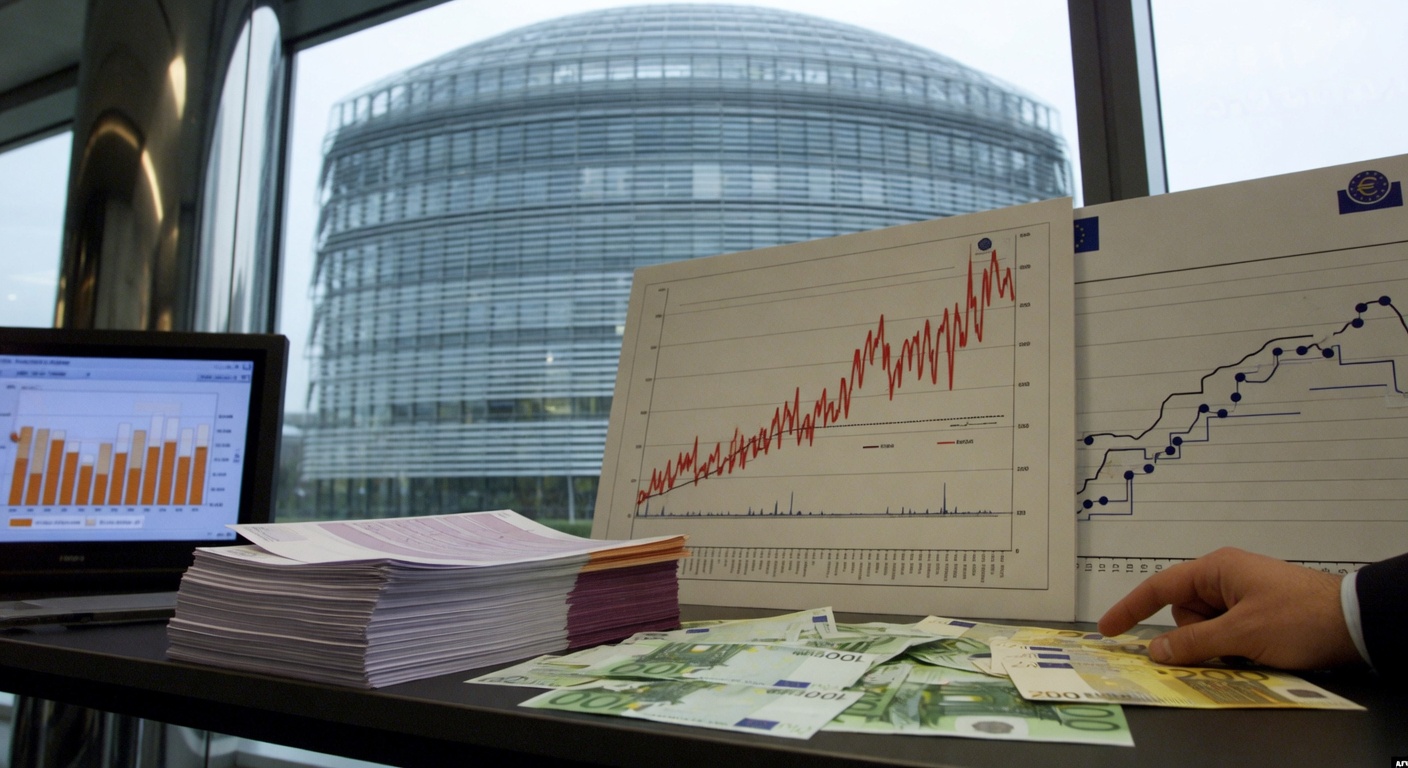
Eurozone Inflation Rises to 3.2%, Cementing ECB June Rate Hike
Eurozone inflation accelerated to 3.2% in May from 3.0%, driven by a 10.9% rise in energy costs and services inflation jumping to 3.5%. Economists overwhelmingly expect the ECB to raise its deposit rate by 25bp to 2.25% on June 11, with another hike likely in September.
Understand the moves behind the headlines
Leverage lets you control a larger position than your deposit. Learn how leverage ratios work, what margin is, and why leverage cuts both ways.
Position sizing decides how much you trade, not what. Learn the 1% rule, the formula behind it, and why sizing beats entry accuracy over time.
Compound interest earns returns on your returns. Learn the formula, the rule of 72, and why starting earlier beats contributing more.