U.S. EPA to End Summer Gasoline Blend Rules Early to Boost Supply and Curb Prices
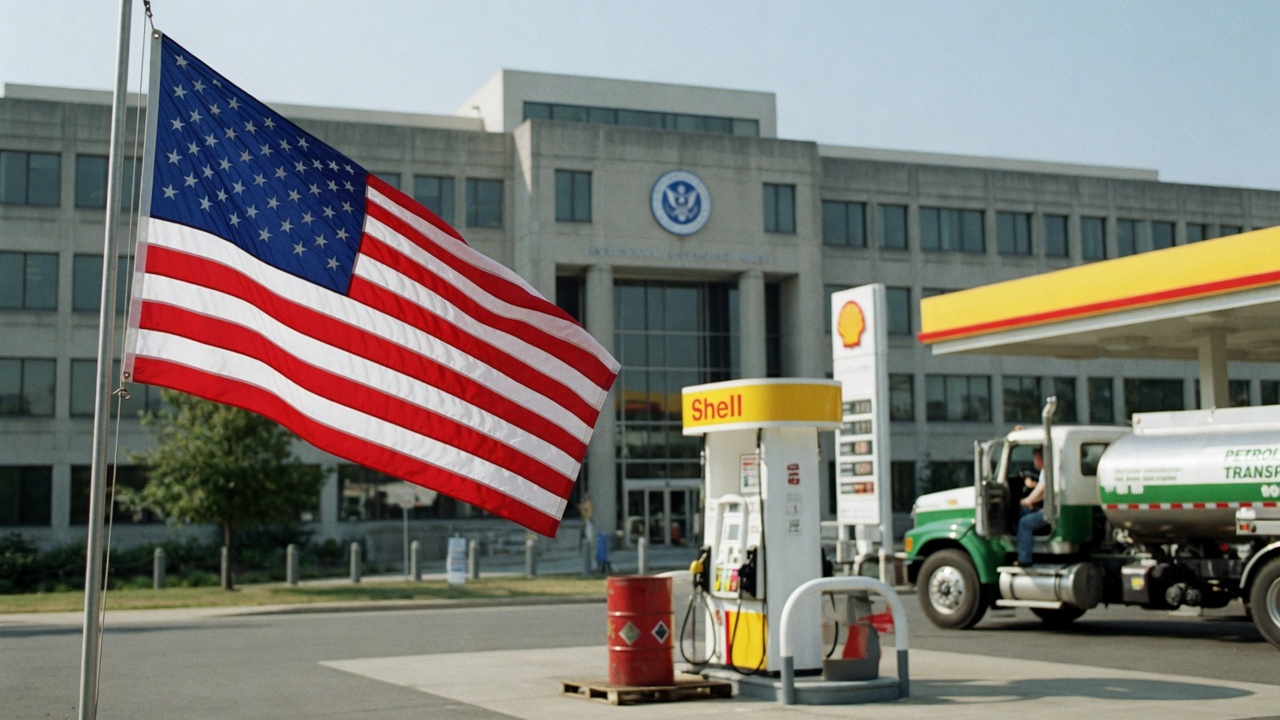
- The Environmental Protection Agency announced it will lift summer-blend gasoline requirements about two weeks ahead of schedule this year in an effort to increase fuel availability and moderate pump prices amid elevated energy costs.
In a move aimed at alleviating pressure on U.S. consumers, the Trump administration's EPA has decided to terminate the seasonal summer gasoline blend mandate earlier than usual, allowing refiners greater flexibility in producing conventional fuel blends.
This policy adjustment, effective around mid-to-late August 2026, seeks to expand domestic supply at a time when crude oil prices have climbed sharply due to international tensions, potentially easing the pass-through to retail gasoline levels.
The rationale stems from balancing environmental goals with economic realities, as prolonged adherence to stricter summer formulations can constrain refinery output and contribute to higher costs when crude benchmarks are elevated.
By advancing the transition to winter blends, the administration hopes to inject additional barrels into the market quickly, countering some of the upward price momentum observed in recent sessions. This comes against a backdrop of natural gas and heating oil prices also showing modest firmness.
Refining and downstream sectors stand to gain from improved operational efficiency and potentially stronger crack spreads, while upstream oil producers may see sustained demand support.
Consumers benefit via moderated fuel expenses, which could support discretionary spending and broader economic activity.
Agricultural commodities could experience secondary relief through lower transportation and machinery fuel costs, though the primary effect remains concentrated in energy markets. Traders in refined products futures should anticipate possible near-term softening in gasoline spreads.
Key items to monitor include actual implementation timing, refinery utilization rates post-adjustment, and weekly gasoline inventory data for confirmation of supply relief.
Any countervailing factors like weather-driven demand spikes or further geopolitical disruptions could limit the policy's impact. This development underscores the interplay between regulatory tools and commodity price dynamics in the current environment.
AI insight — what it means
The EPA is allowing more gasoline types to be sold sooner than planned to increase available supply. This step aims to keep pump prices from climbing higher for regular drivers.
Unlock the full AI insight
Free account — takes 10 seconds.
- Why this story matters — explained simply
- How it moves prices, sectors and assets
- What traders and analysts are watching next
Share this story
Spread the signal — link, social or copy.
Related topics
Related coverage

US Threatens Indefinite Iran Blockade, Boosting Oil Supply Risk Premium
US oil producers increase output to capture price surge from Iran war

Brent crude oil rises to ~$104 amid Middle East supply concerns

Russia introduces fuel rationing in Crimea's Sevastopol amid logistical challenges

Oil Prices Rise 2% on Complications to US-Iran Peace Talks