US Threatens Indefinite Iran Blockade, Boosting Oil Supply Risk Premium
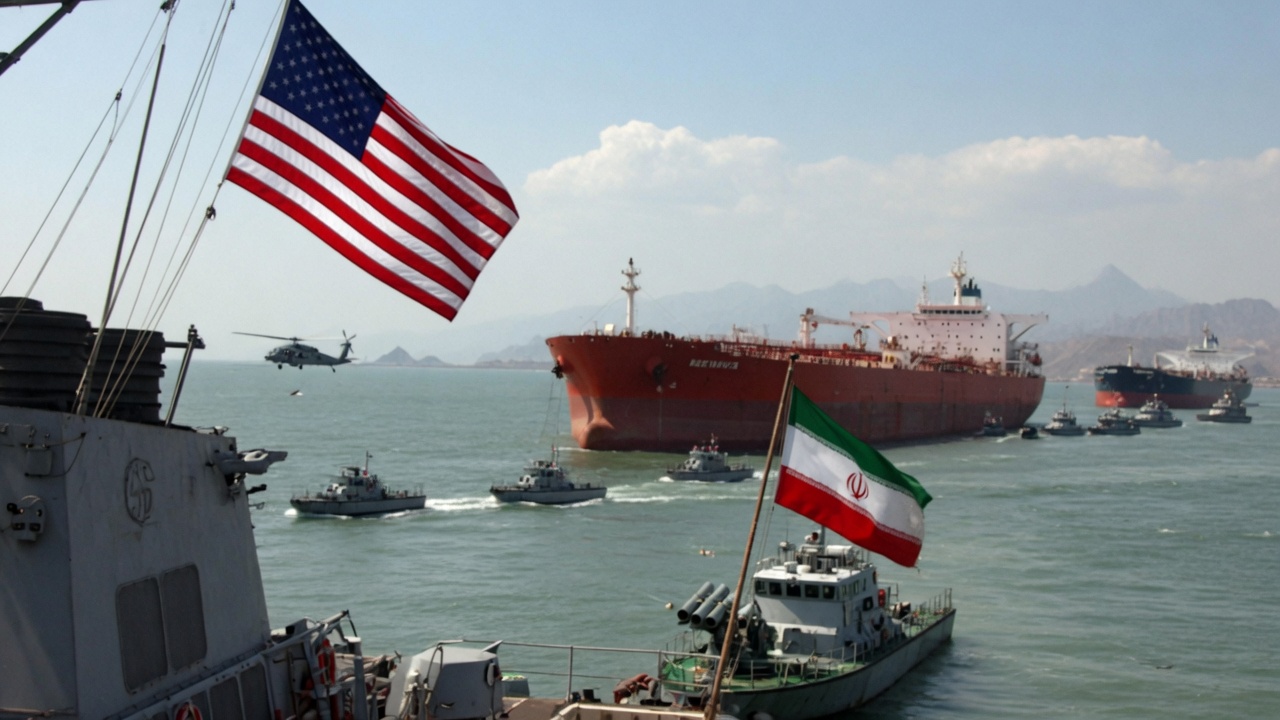
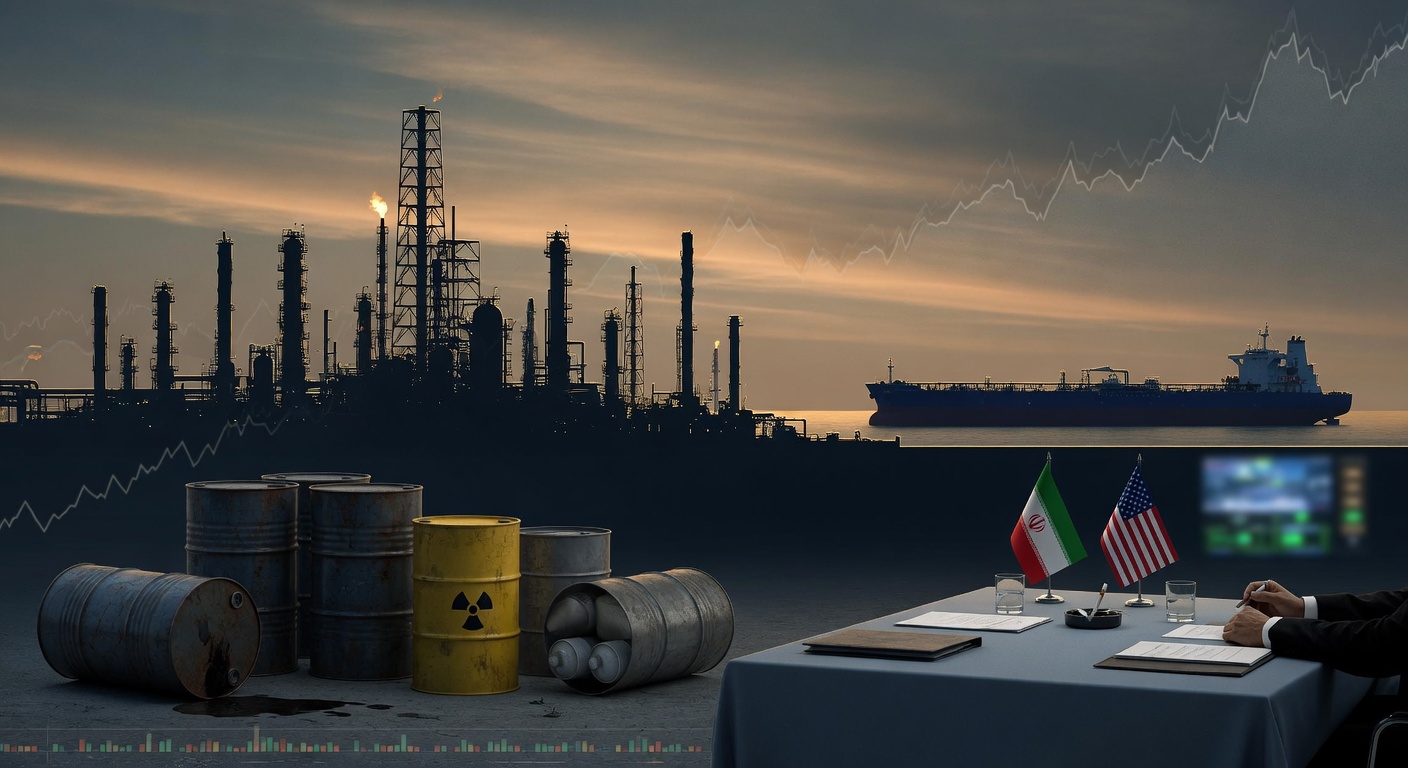
- The United States warned it could maintain a naval blockade of Iran indefinitely amid stalled ceasefire talks, heightening concerns over disruptions through the Strait of Hormuz, through which a fifth of global oil and LNG previously flowed.
Geopolitical tensions in the Middle East have once again taken center stage in energy markets, with Washington signaling a hardened stance against Tehran that directly impacts crude supply expectations.
The threat of prolonged naval restrictions comes as the conflict over the strategic waterway enters its sixth month, forcing traders to price in persistent uncertainty around export flows from the Persian Gulf.
Recent data shows mixed signals on actual volumes transiting the chokepoint, with official US claims of higher throughput contradicted by independent trackers indicating significantly lower levels, adding to volatility.
This development matters because any sustained reduction in Middle East exports—historically a key driver of global benchmarks—could exacerbate the already forecasted 4% drop in worldwide oil supply this year according to the IEA.
Driving factors include failed negotiations and rising regional frictions, which have prompted the Pentagon to prepare for extended enforcement measures.
Oil markets have reacted with Brent futures eyeing weekly gains despite a recent 2% daily pullback triggered by surging US inventories and softer demand outlooks.
Sectors affected include upstream producers benefiting from higher realized prices, downstream refiners facing margin pressure, and shipping/logistics exposed to rerouting costs.
Traders should monitor upcoming EIA inventory reports, any diplomatic breakthroughs on Hormuz access, and OPEC+ responses for clues on whether the risk premium holds or erodes.
Central bank gold buying and inflation data could indirectly influence energy sentiment through broader risk appetite shifts. In the near term, elevated volatility is likely, with support levels around recent lows and resistance tied to escalation headlines.
The situation underscores how geopolitics continues to overshadow fundamental demand weakness in shaping near-term price trajectories for crude and related products.
AI insight — what it means
The news signals possible long-term limits on oil shipments from a key region, which could push up the price of oil. Everyday investors might see this raise costs at the pump and affect related stocks.
Unlock the full AI insight
Free account — takes 10 seconds.
- Why this story matters — explained simply
- How it moves prices, sectors and assets
- What traders and analysts are watching next
Share this story
Spread the signal — link, social or copy.
Related topics
Related coverage

Oil Prices Volatile on Uncertainty Over US-Iran Deal Resolution
US oil producers increase output to capture price surge from Iran war
Brent crude oil rises to ~$104 amid Middle East supply concerns
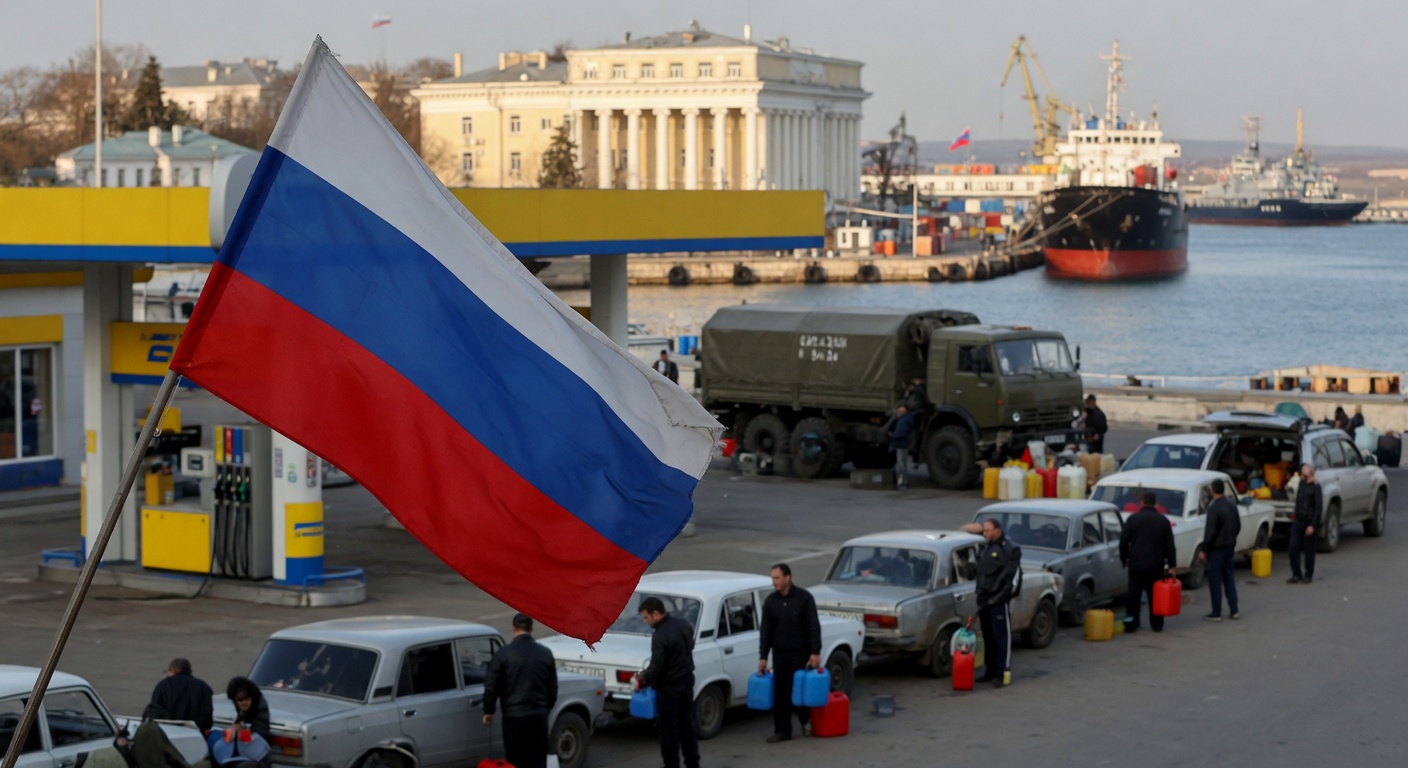
Russia introduces fuel rationing in Crimea's Sevastopol amid logistical challenges
Oil Prices Rise 2% on Complications to US-Iran Peace Talks