Dollar Index News & Market Digest
DXY news and US dollar strength drivers.
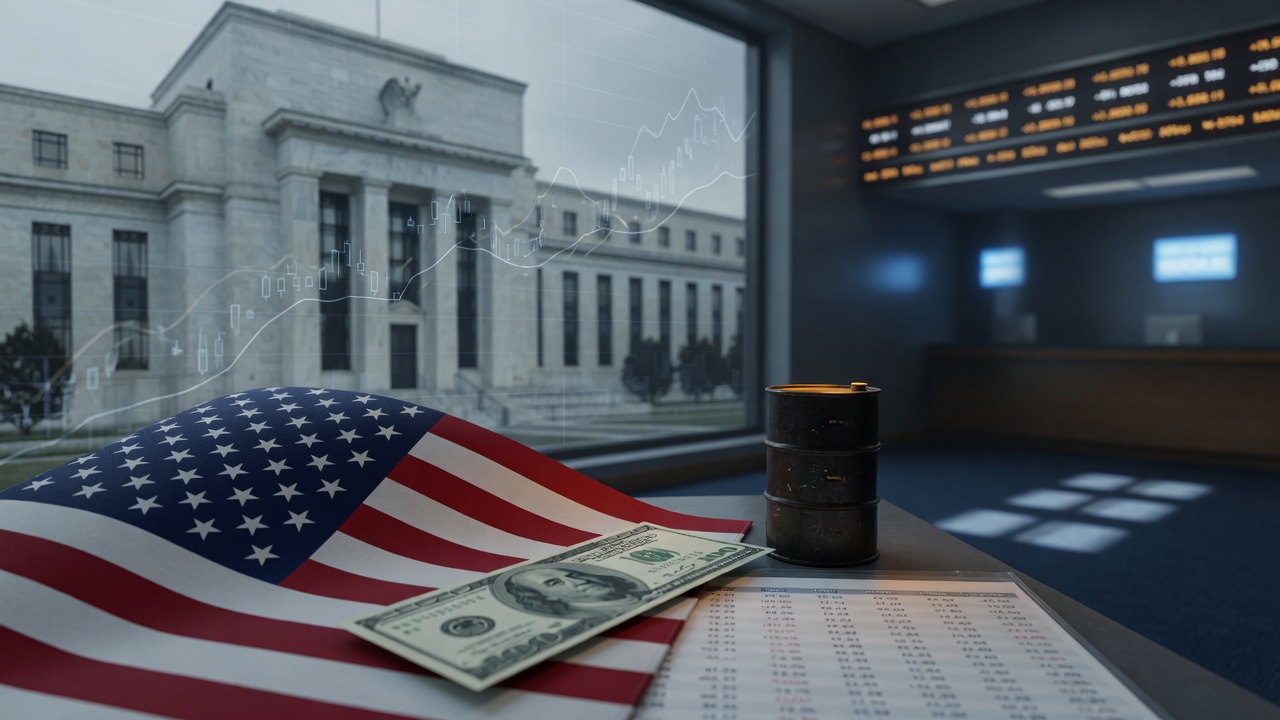
Dollar Hits One-Month High on Lingering Fed Rate Hike Odds
The U.S. dollar held at a one-month high as traders priced in a 37.9% chance of a 25bp Fed rate hike at the July 28-29 meeting, up from 16% a week earlier, amid oil price concerns from Middle East tensions. Markets also price nearly 81% odds for a hike in September, with upcoming Q2 GDP and core PCE data in focus.
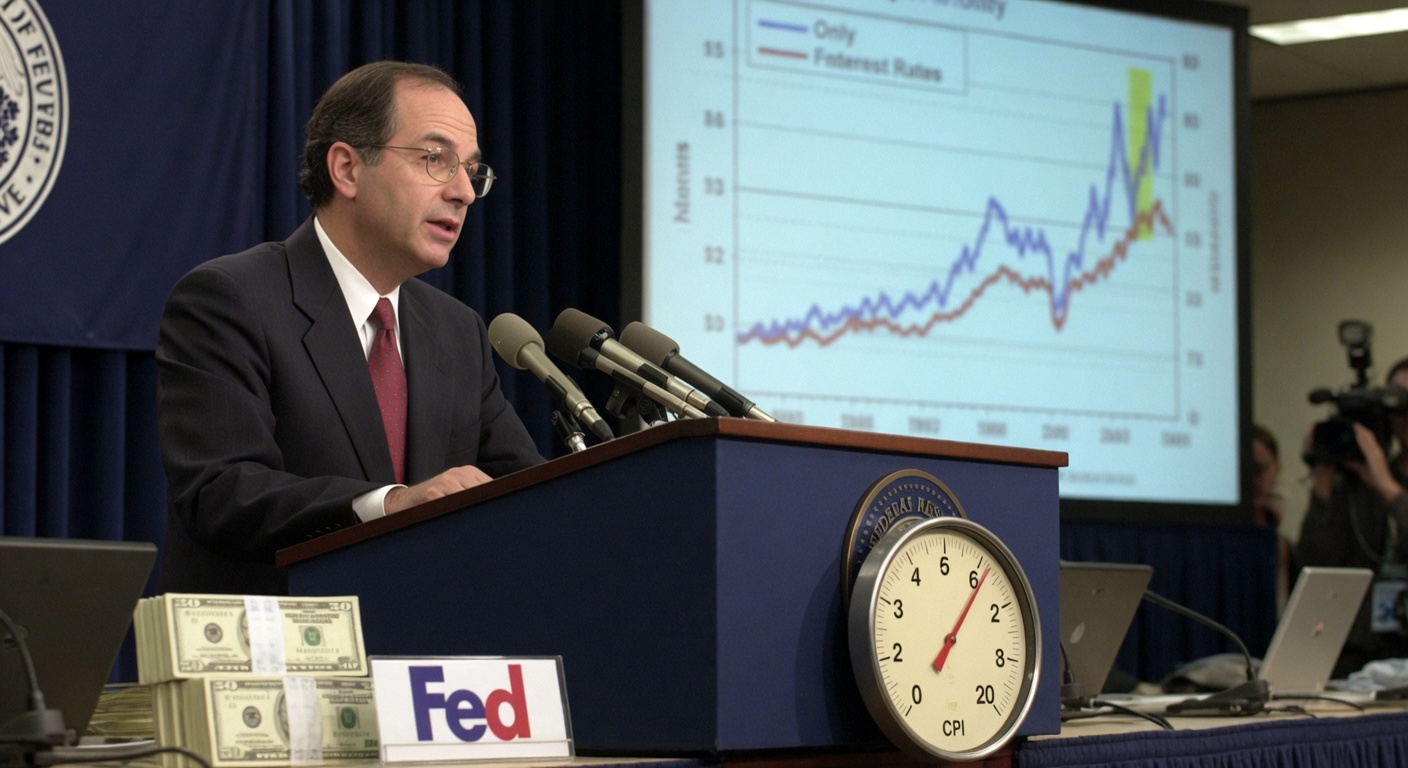
Investors expect US dollar to break higher as Fed battles inflation
As of May 27, investors anticipate a stronger U.S. dollar amid the Federal Reserve's hawkish shift to combat rising inflation expectations, with new Fed Chair Kevin Warsh facing reduced likelihood of near-term rate cuts.
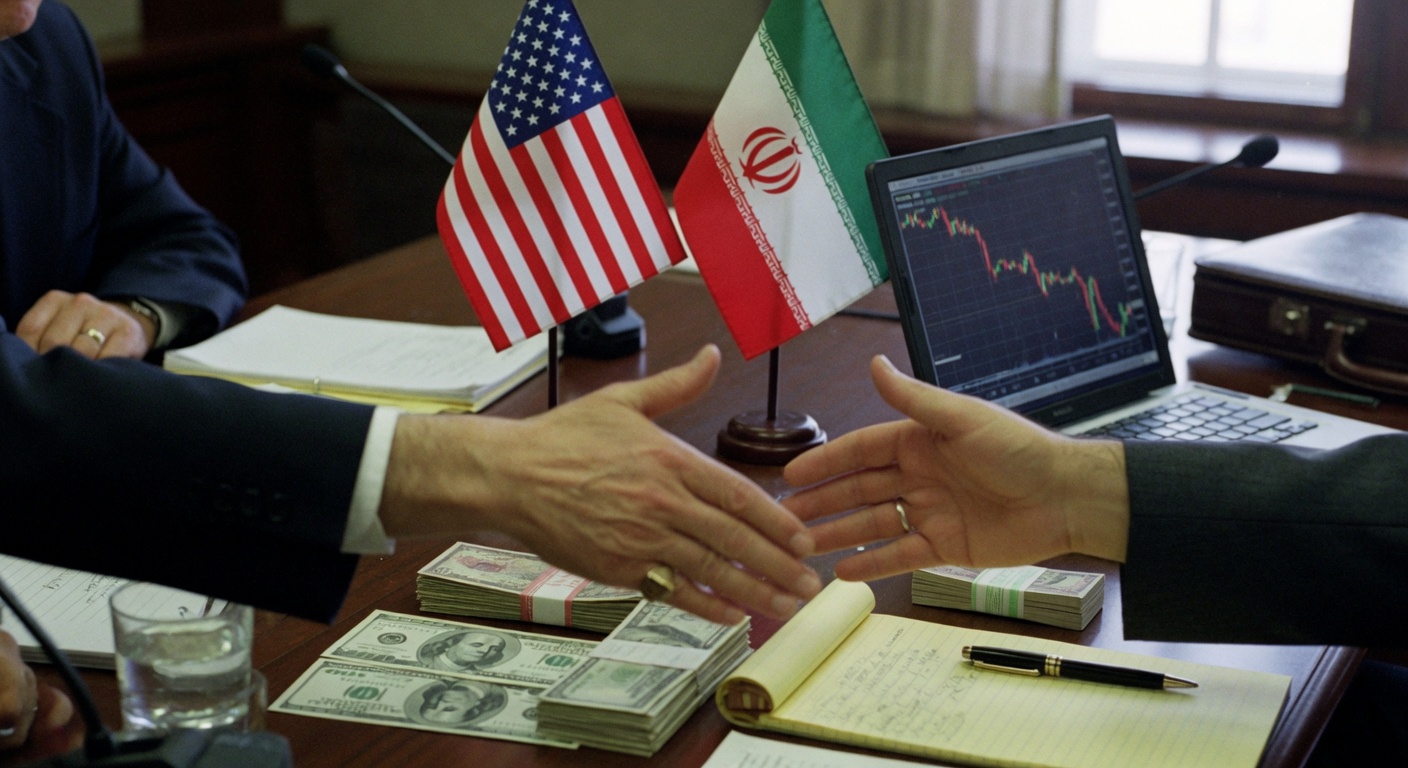
US Dollar Steadies Amid Iran Peace Talks and Central Bank Signals
The U.S. dollar held steady on June 1 after a weekly loss as markets awaited results of peace talks in the Middle East involving Iran and signals on the timing of central bank rate hikes. The dollar index was flat at 99.00.
Dollar Steadies as Traders Await Middle East Peace Talks Progress
The U.S. dollar index was flat at 99.17 on June 2 as markets adopted a wait-and-see approach to U.S.-Iran ceasefire developments, including Lebanon's limited ceasefire announcement, though broader uncertainties persist. Yen neared 160 per dollar, raising fresh intervention risks.
Dollar Clings to One-Week High Amid Renewed Iran Strikes
The US dollar held near its highest levels in a week at around 101.18 on the index as renewed US strikes on Iran renewed geopolitical tensions and lifted oil prices. EUR slipped 0.1% to $1.1405 and GBP nudged 0.1% lower to $1.3353.
Dollar Steadies Amid US-Iran Strikes and Middle East Tensions
The US dollar index held near 96.71 with minor gains as markets digested the latest round of US strikes on Iran, with oil prices falling about 1% and investors looking past the developments. EUR/USD traded around 1.1554, up 0.09%.
Hawkish Fed Shift Fuels Dollar Strength and Call Options Buying
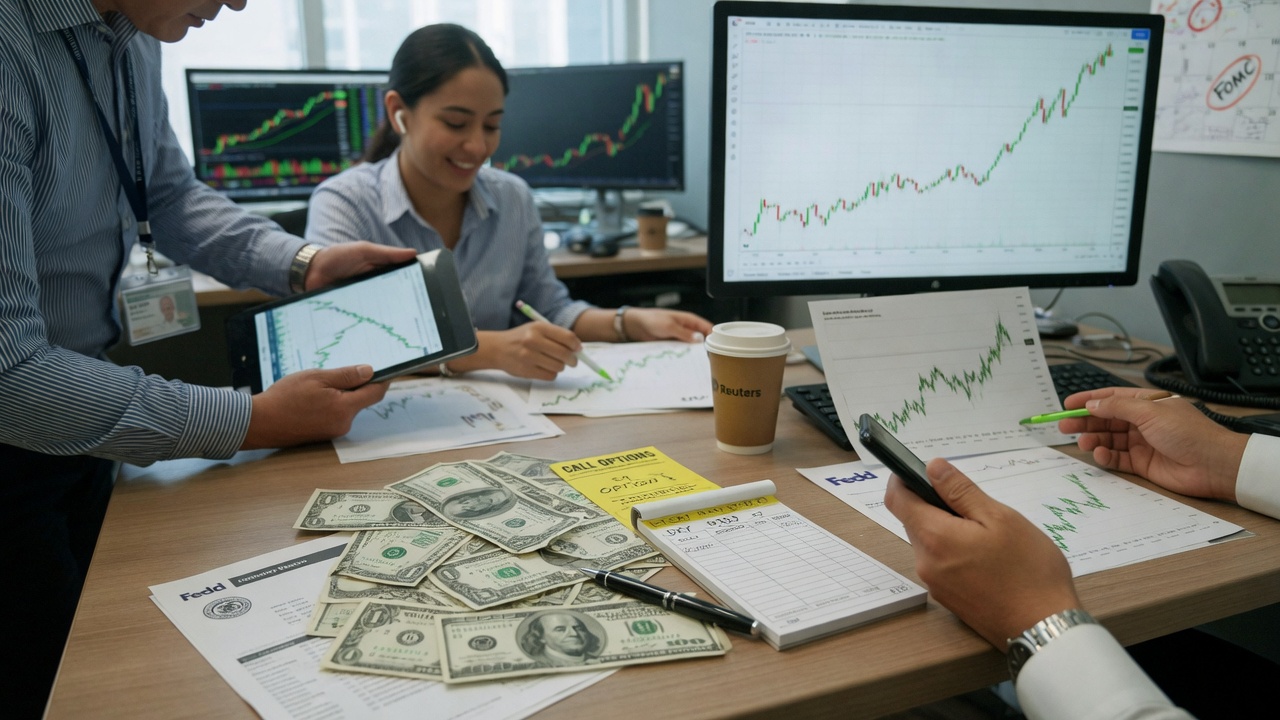
Following the Fed's June 17 decision to hold rates at 3.5%-3.75% with projections signaling possible hikes by year-end, traders piled into dollar call options. The USD firmed against majors amid higher-for-longer rate expectations.
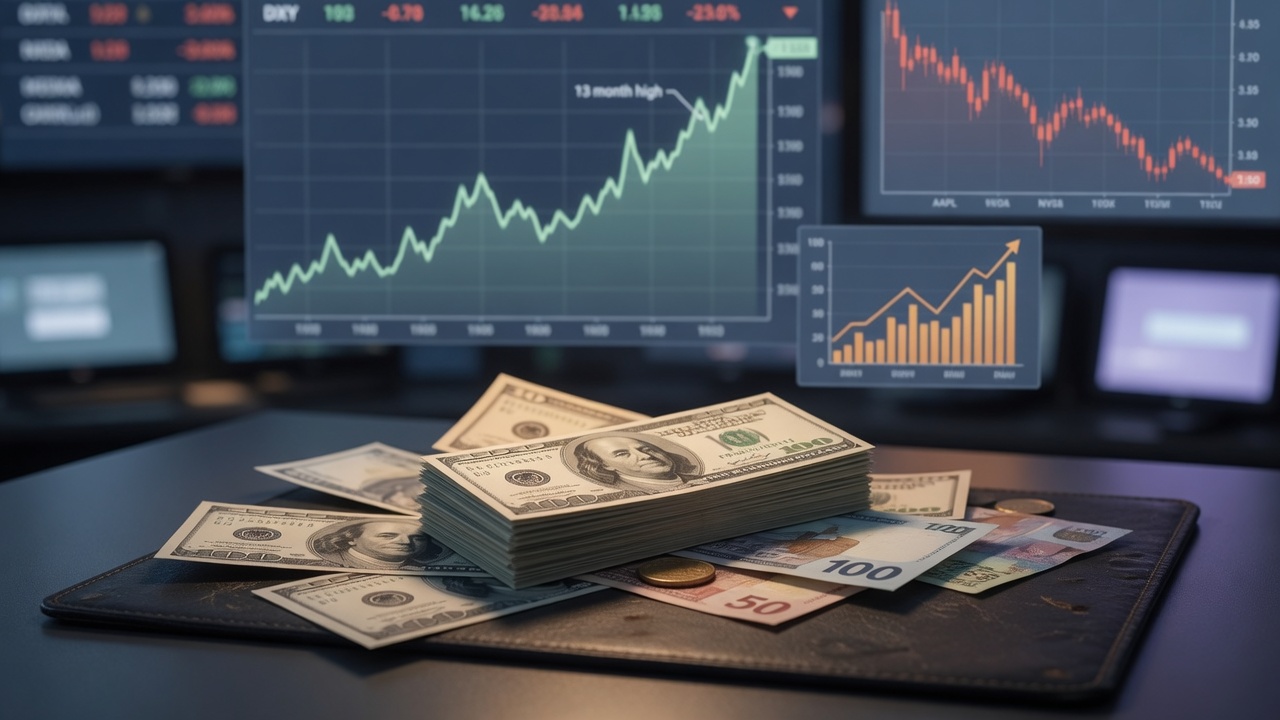
US Dollar Climbs to 13-Month High on Fed Rate Hike Bets
The US dollar reached its highest level in more than a year amid shifting market expectations for potential Federal Reserve rate hikes later in 2026, supported by hawkish signals from the recent FOMC meeting under Chairman Kevin Warsh.
Understand the moves behind the headlines
A stop-loss is a pre-set exit that caps the loss on a trade. Learn where to place it, why percentage-based stops fail, and how it links to position size.
The risk/reward ratio compares what you stand to lose against what you stand to gain. Learn how it pairs with win rate to determine profitability.
Each candlestick shows the open, high, low and close for one period. Learn how to read the body, the wicks, and the patterns that actually matter.