FX News & Market Digest
Currencies, central-bank policy and the foreign-exchange market.

Dollar near six-week high amid US-Iran talks uncertainty
The US dollar held near a six-week high against major currencies as mixed messages on potential US-Iran talks fueled safe-haven demand and uncertainty. Markets focused on geopolitical developments with stocks surging in parallel.
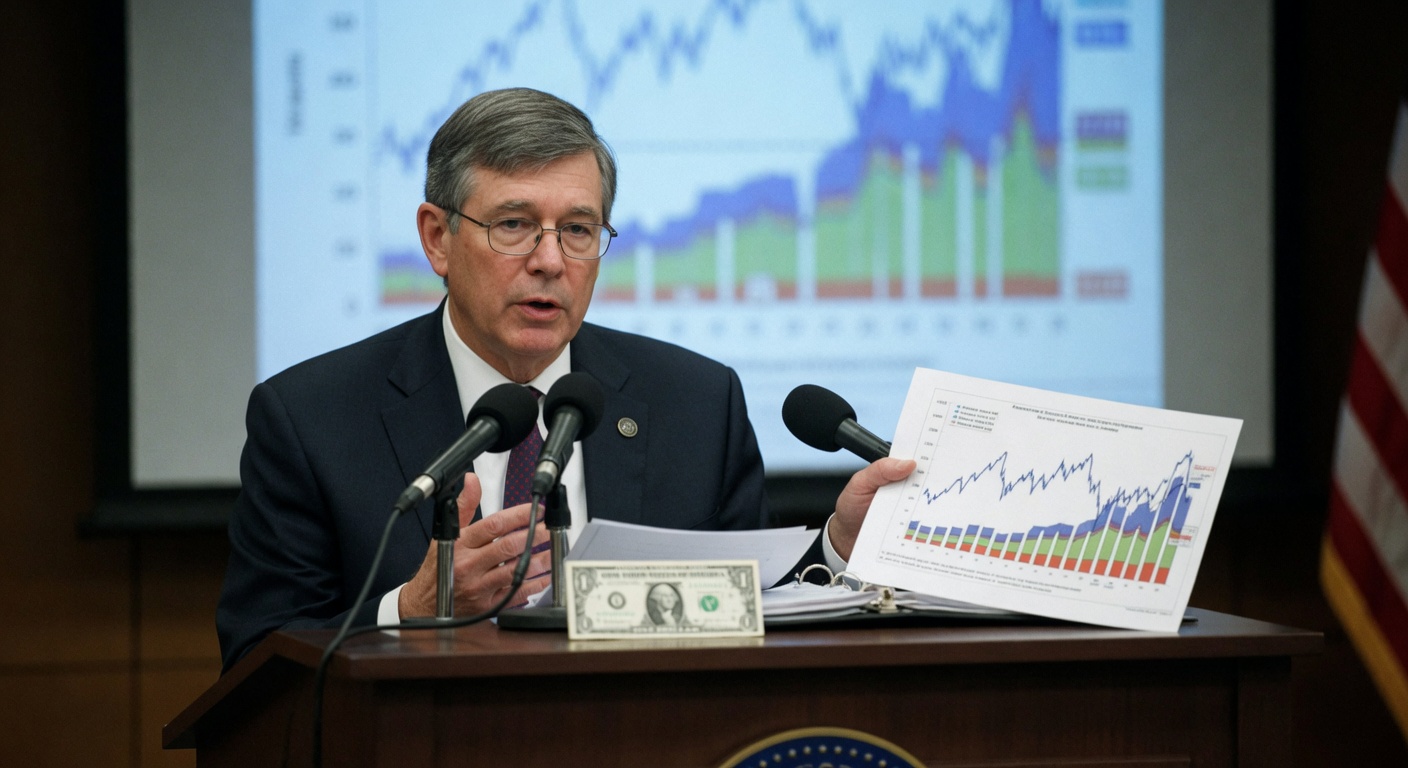
Fed's Waller Signals Readiness to Remove Easing Bias
Fed Governor Christopher Waller stated he is ready to axe the 'easing bias' and called rate-cut talk 'crazy' at this stage, according to Reuters reporting on May 22. The comments suggest a more hawkish tilt that could support the USD in forex markets.
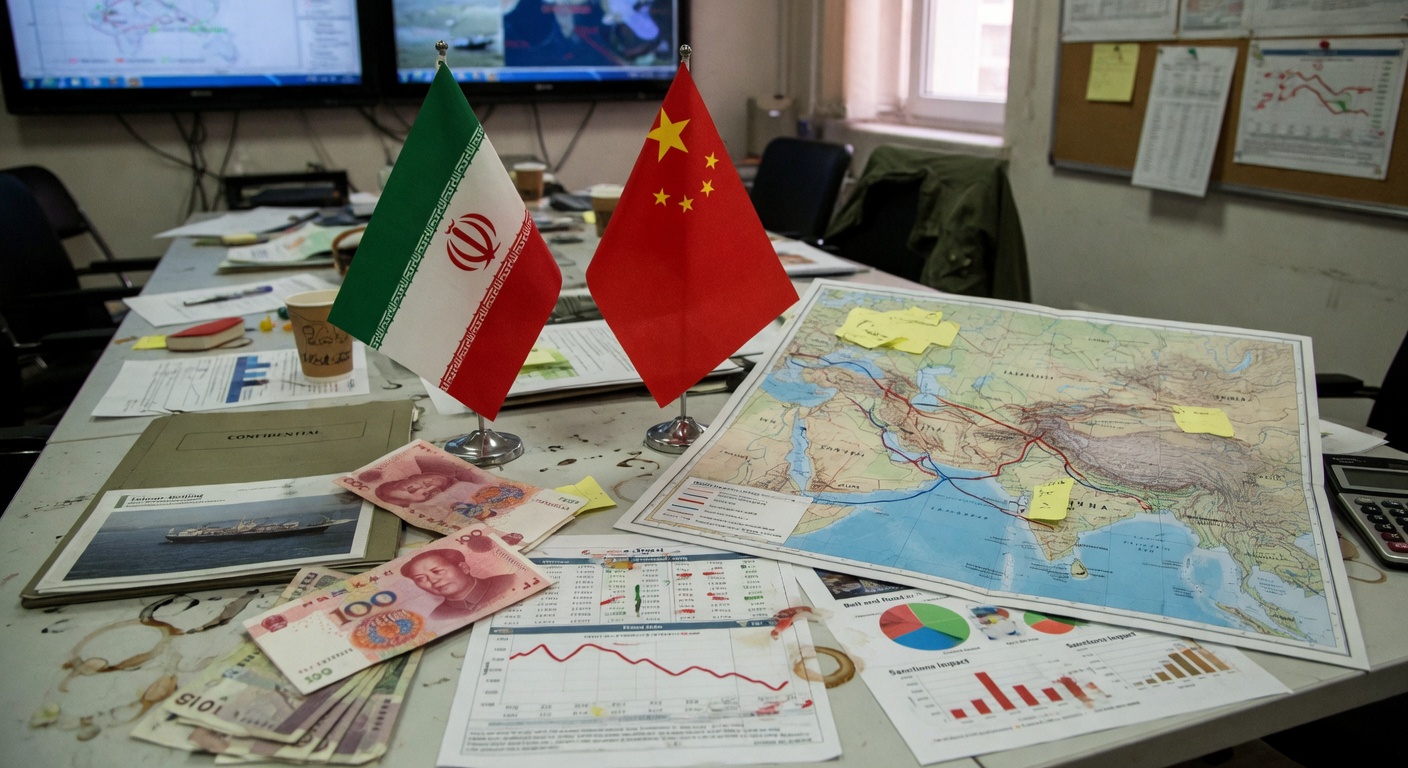
Iran War Opens 'Golden Window' for China's Renminbi
The ongoing Iran conflict has created opportunities for greater international use of the Chinese renminbi. Reports highlight how geopolitical tensions are positioning the CNY as a stronger alternative in emerging markets FX dynamics.
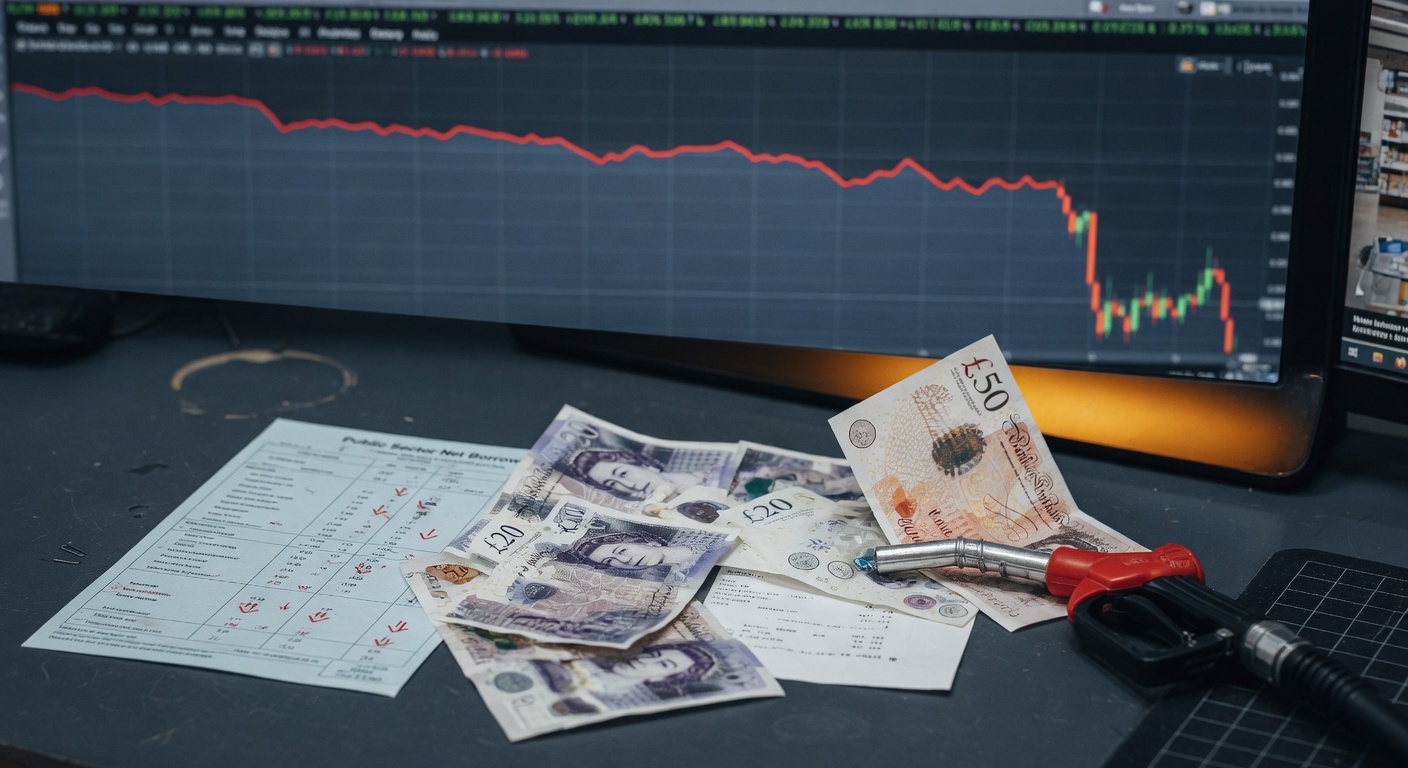
Pound Softens as UK Retail Sales Plunge and Public Finances Worsen
The pound edged lower on May 22 as UK retail sales volumes fell 1.3% month-on-month in April, the steepest drop in nearly a year, while public borrowing rose sharply amid consumer cutbacks on fuel and discretionary spending due to high energy costs and Iran war uncertainty.
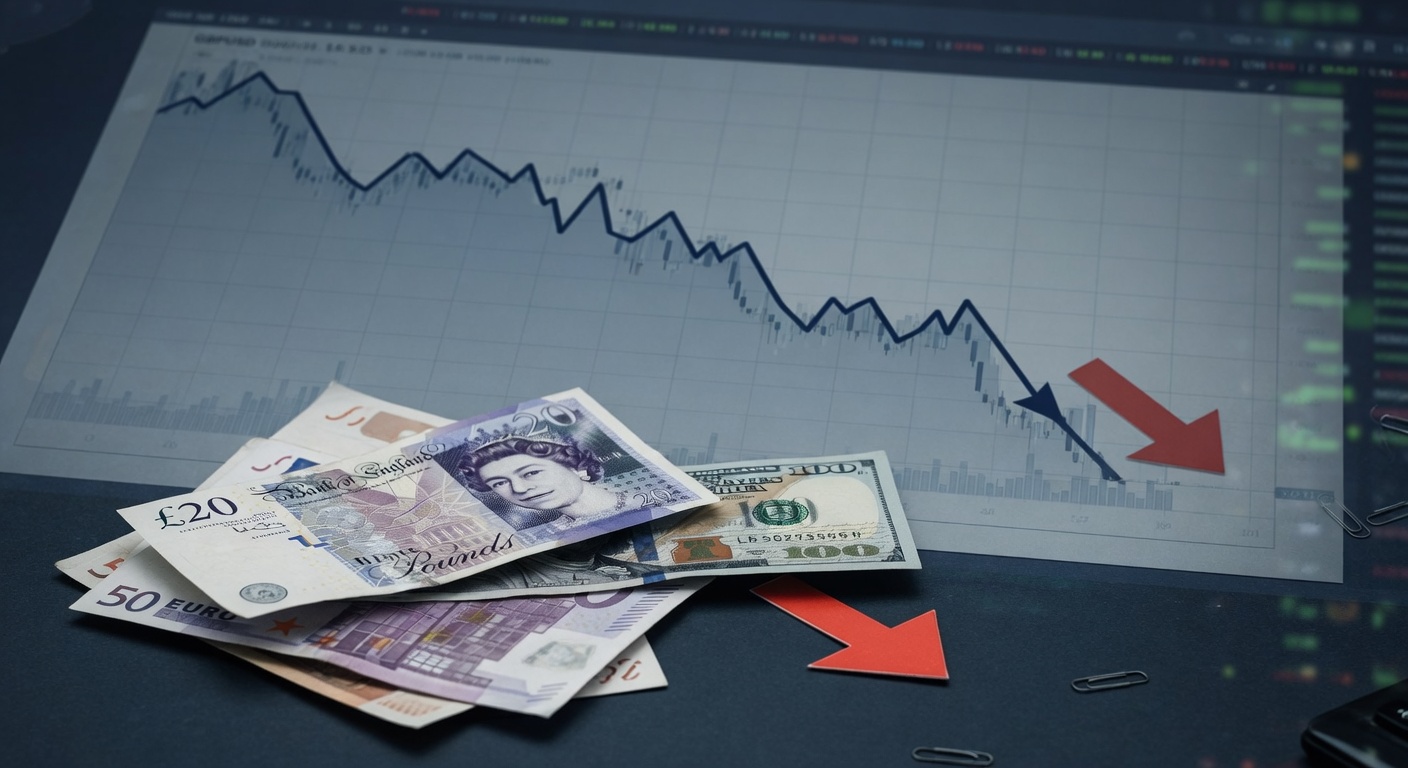

Dollar Rises to Six-Week High on Rate Rise Bets
The dollar strengthened against major currencies as markets price in potential Fed rate hikes, with the WSJ Dollar Index up 0.35% over recent sessions.
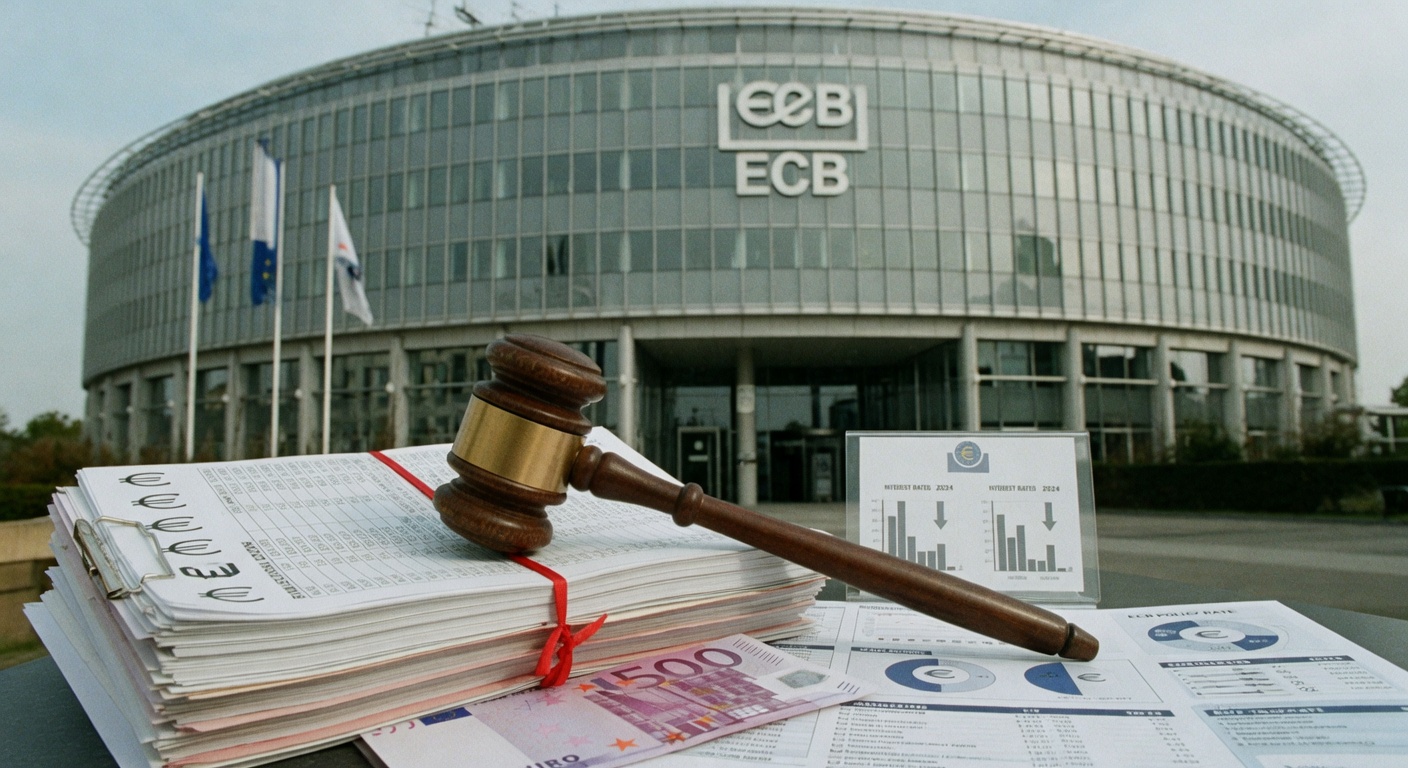
ECB Rebuffs Proposals to Boost Euro Stablecoins Citing Risks
The European Central Bank warned EU finance ministers on May 22 that euro-denominated stablecoins could reduce bank lending, make deposits more volatile, and hamper the ECB's ability to control interest rates and monetary policy.
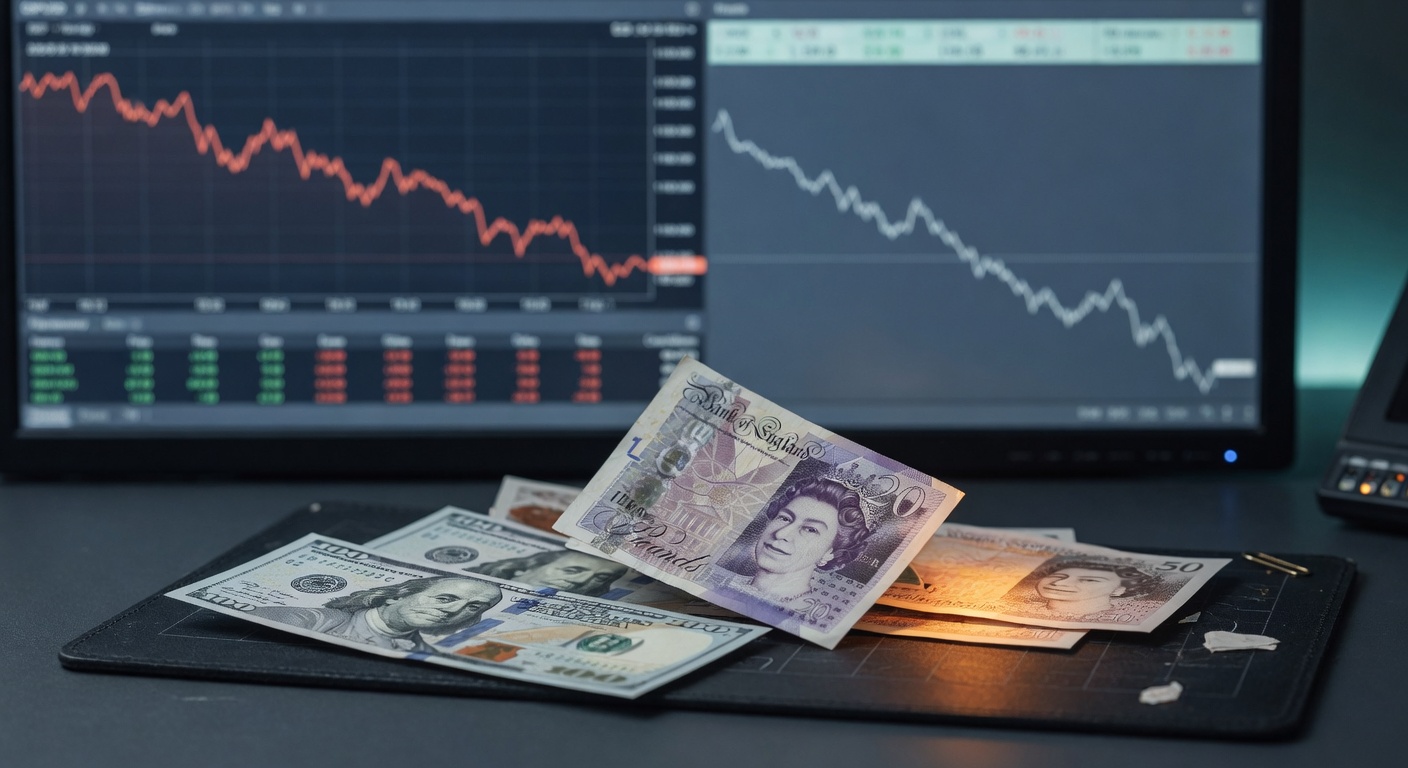

Sri Lankan Rupee Surges Most in Three Years, Leads Asia FX
The Sri Lankan rupee strengthened as much as 2.7% against the dollar, its biggest gain since March 2023, snapping a nine-day losing streak to become Asia's best-performing currency amid central bank stability measures.
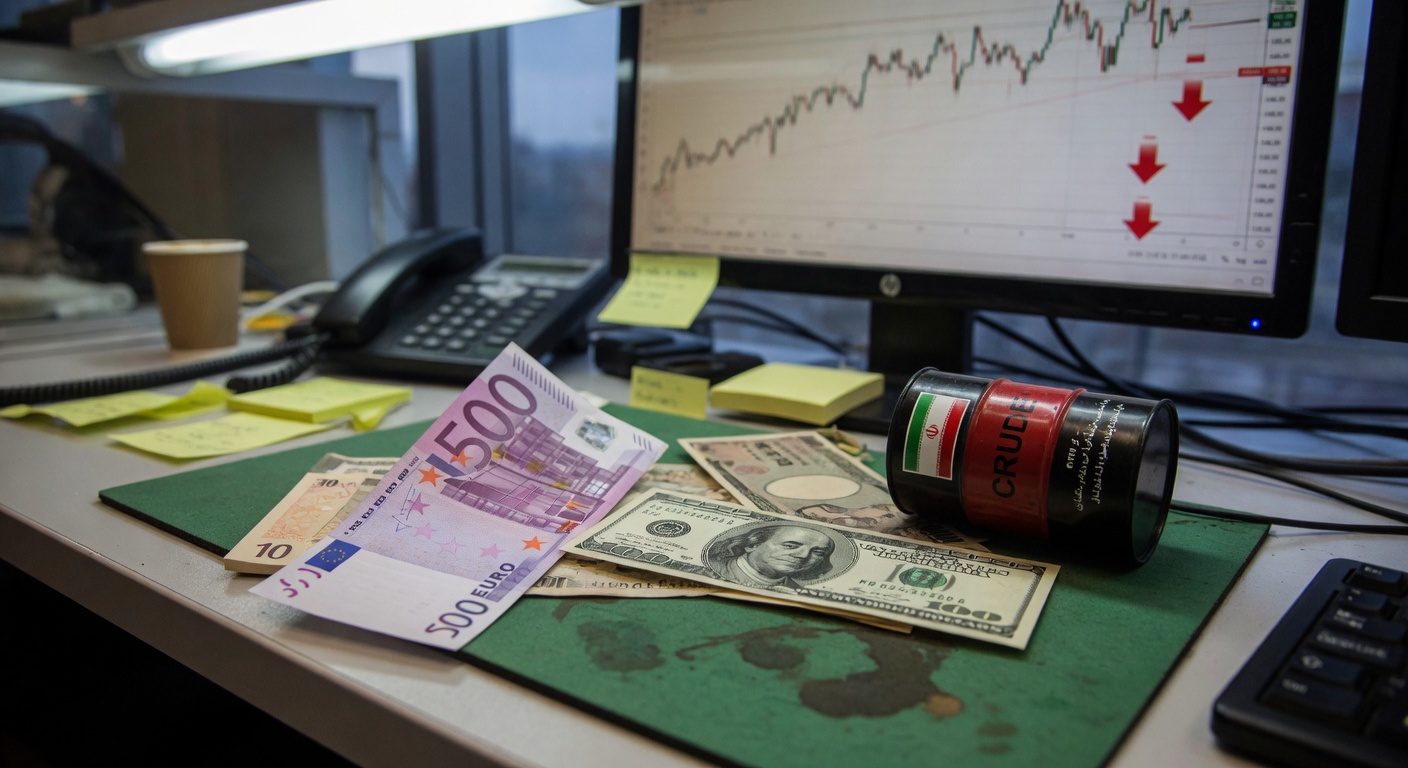
Iran War Developments Keep Euro Outlook in Focus Amid Broader FX Moves
The ongoing Iran conflict and associated energy price pressures weighed on the euro while supporting safe-haven flows into the dollar. Yen and other currencies showed sensitivity to Middle East geopolitical risks.


Japan Temers Yen Warnings Despite Slide Toward 160/USD
Japanese Finance Minister Satsuki Katayama signaled authorities are ready to take FX action as needed but avoided strong intervention warnings even as USD/JPY approached the key 160 level. This follows record interventions between late April and late May.
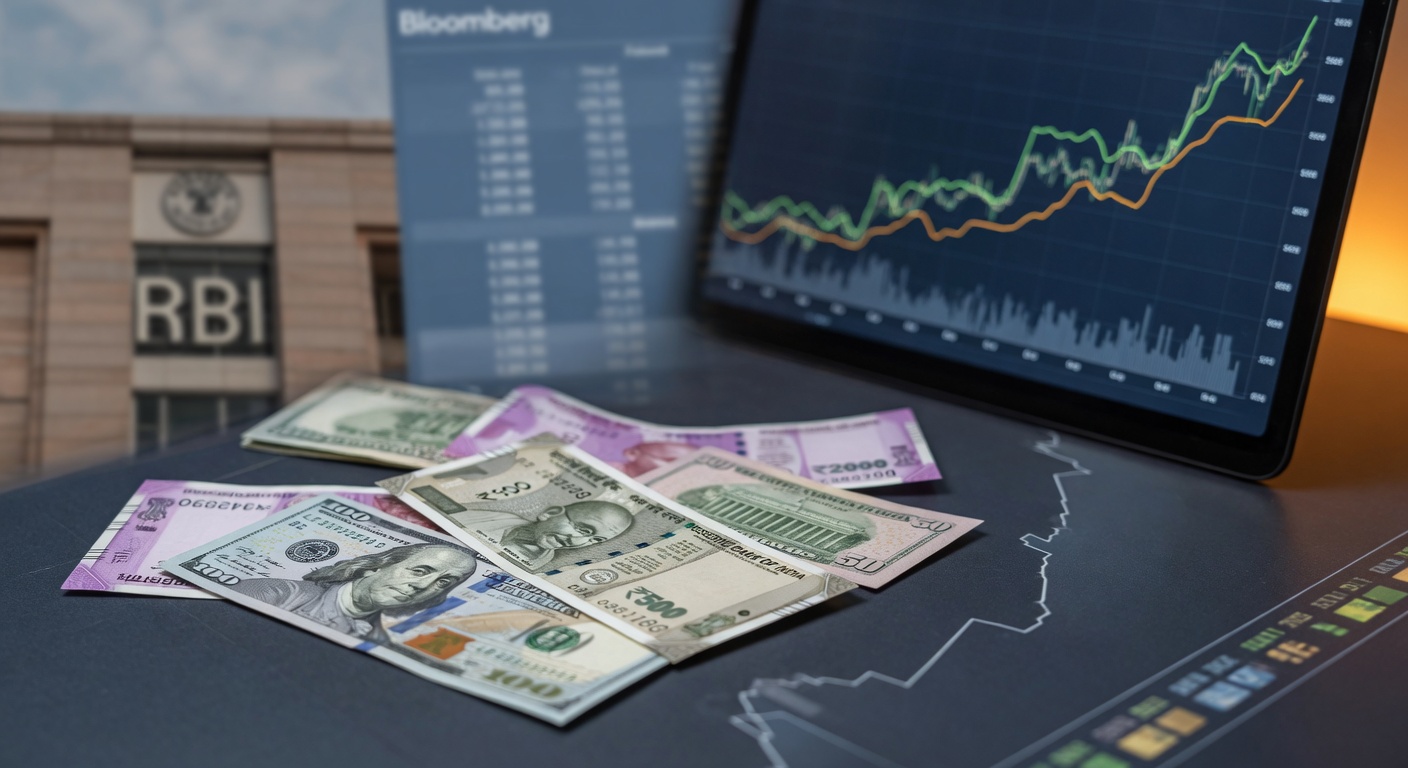
Indian Rupee Jumps Past 96 Per USD on RBI Intervention
The Indian rupee strengthened past 96 per US dollar following firm intervention by the Reserve Bank of India. Reuters noted on May 22, 2026, that the relief rally occurred amid broader Asia FX weakness and hedging activity.
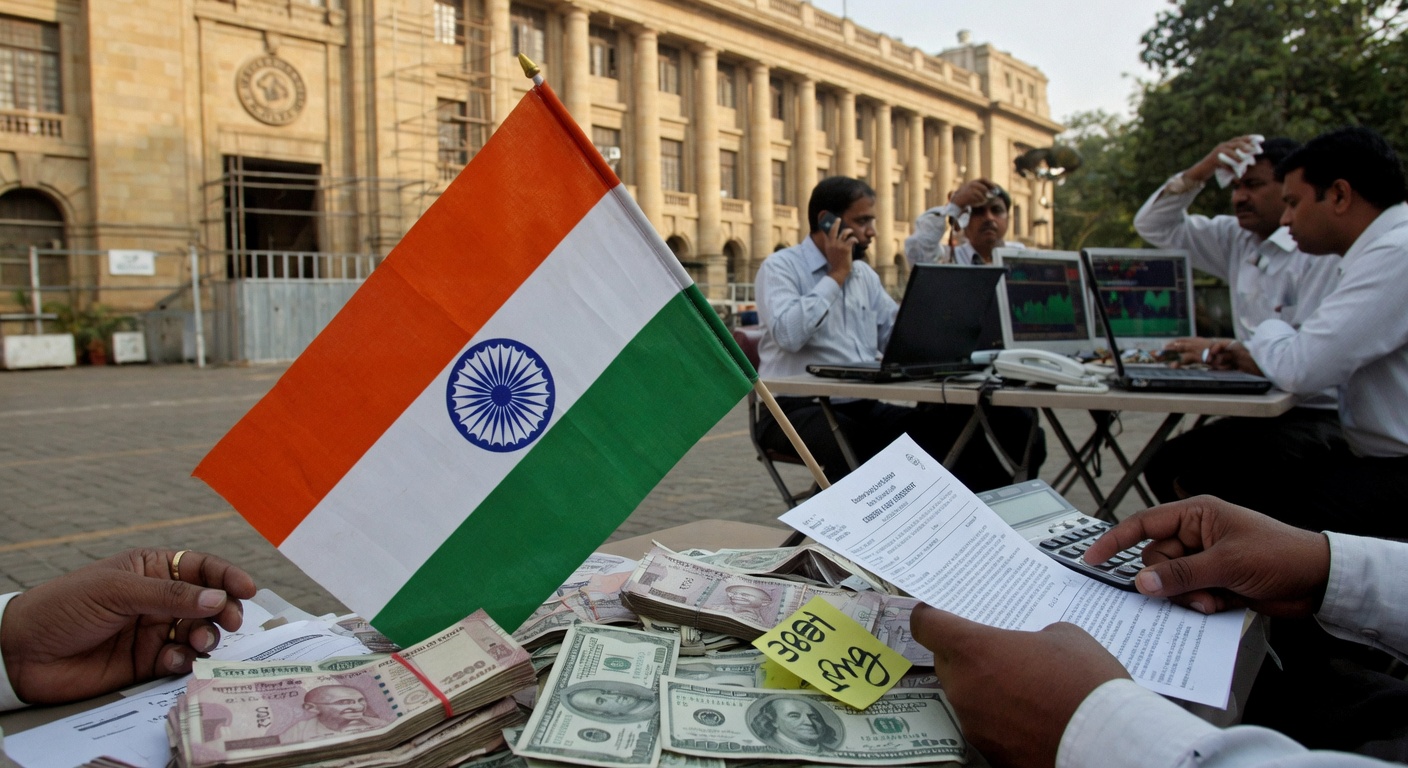
India to Conduct $5 Billion Dollar/Rupee Swap Amid FX Pressure
India announced plans for a $5 billion dollar/rupee swap to address persistent FX pain on the rupee. The central bank's daily $1 billion interventions continue but struggle to reverse the currency's weakness according to bankers.

IMF Chief Economist: Global Economy Remains Firmly Dollar-Centered
Despite U.S. tariffs shifting global trade flows, the U.S. dollar continues to anchor international trade, banking, and central bank reserves, according to IMF Chief Economist Pierre-Olivier Gourinchas on June 26, 2026.



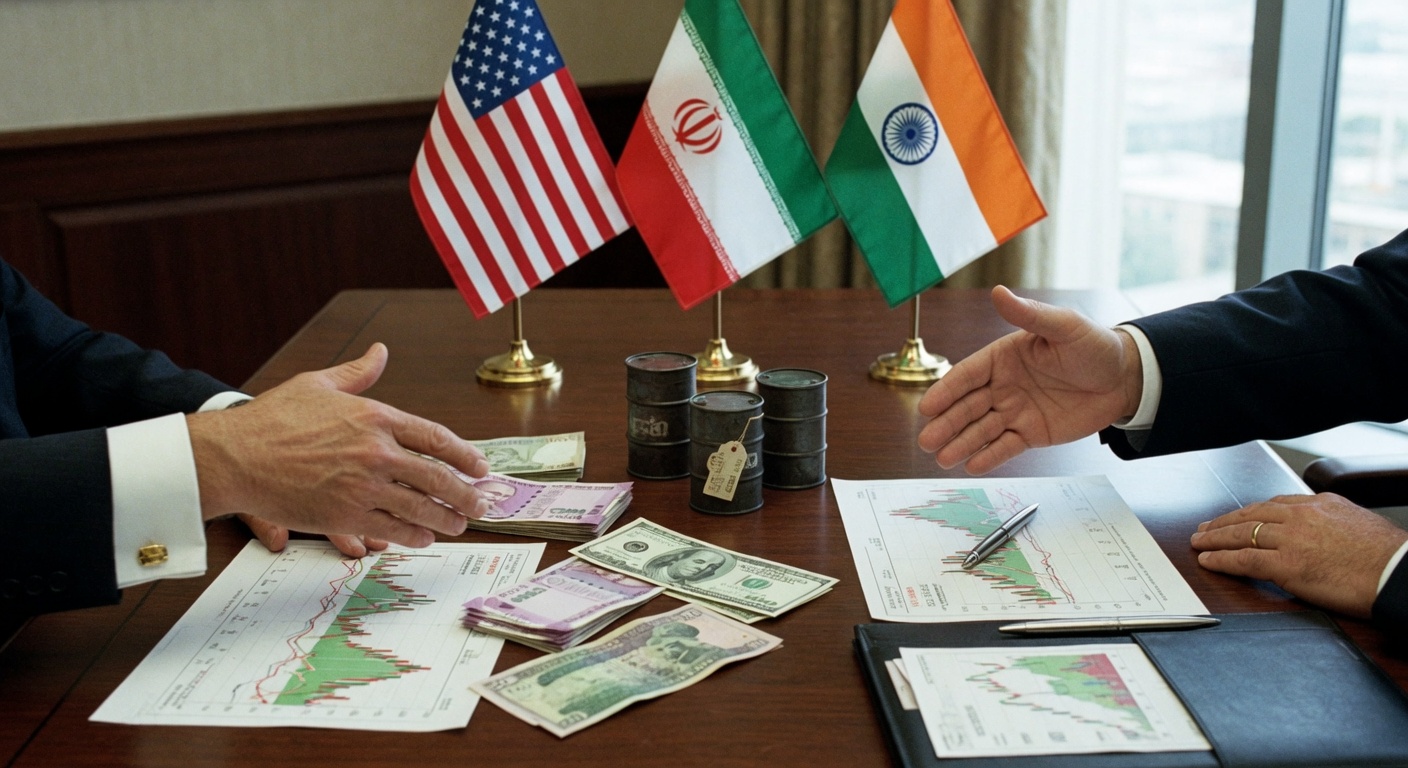
Emerging Market Currencies and Assets Rise on Iran Deal Optimism
Emerging-market stocks and currencies advanced as signs of a U.S.-Iran deal pushed oil prices lower and boosted risk appetite. This provided a breather for currencies like the Indian rupee.
Understand the moves behind the headlines
A pip is the smallest standard price move in a currency pair. Learn what a pip is worth, how to calculate pip value, and how pips differ on JPY pairs.
Leverage lets you control a larger position than your deposit. Learn how leverage ratios work, what margin is, and why leverage cuts both ways.
A margin call is your broker's warning that account equity has fallen too close to the margin requirement. Learn what triggers it and how to avoid liquidation.