Oil Surges as US-Iran Compensation Demands Dim Strait of Hormuz Reopening Hopes
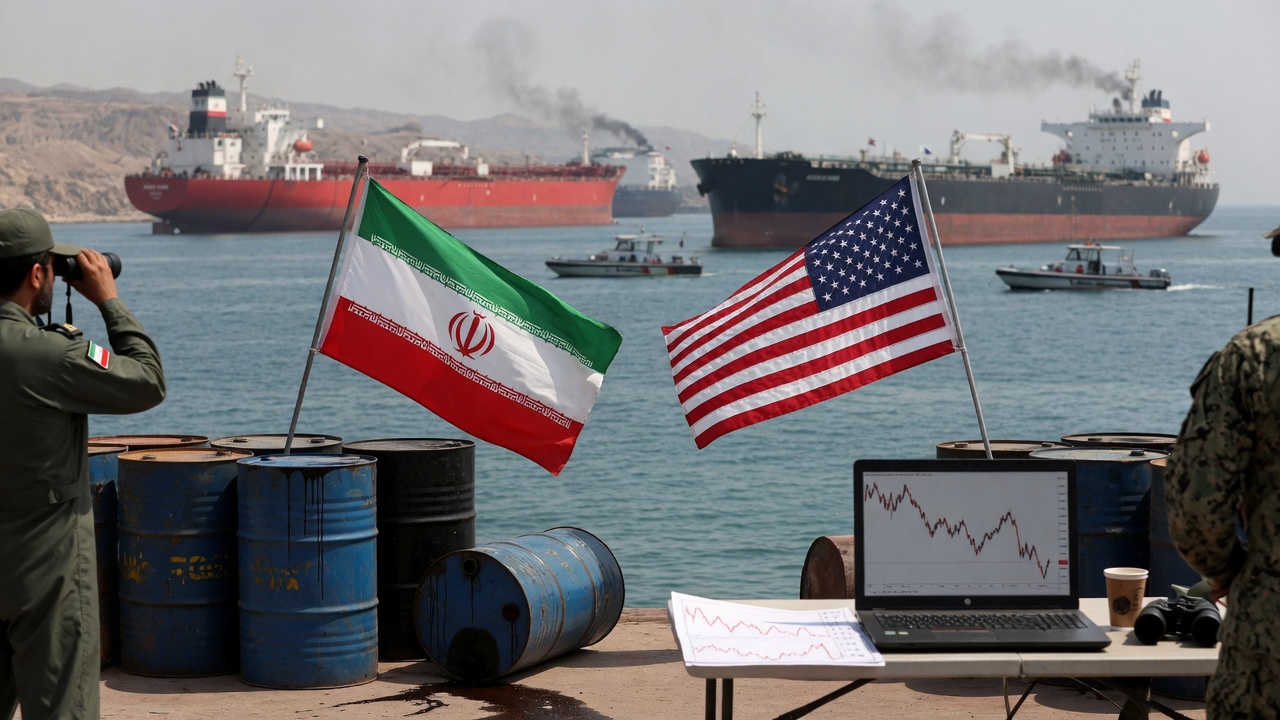
- Oil prices climbed nearly 5% on August 11, 2026, with Brent settling at $87.72 per barrel after Iran and the US traded demands for compensation, fading prospects for a quick deal to reopen the Strait of Hormuz.
The latest escalation in US-Iran tensions has injected fresh volatility into global oil markets, with benchmarks posting their largest single-day gains in weeks. Brent crude futures rose $4.17 to settle at $87.72 per barrel on August 11, while WTI added $3.95 to close at $82.13.
The move came after both sides issued compensation demands tied to prior disruptions, overshadowing earlier diplomatic signals from Qatar and Oman that had briefly supported a potential easing of shipping restrictions through the critical chokepoint.
The Strait of Hormuz carries roughly one-fifth of global oil and LNG trade; any prolonged closure or uncertainty directly tightens physical supply and amplifies geopolitical risk premiums.
Traders are now pricing in a higher likelihood of sustained elevated prices, reversing the sharp sell-off seen earlier in the month when de-escalation hopes pushed Brent below $80.
Key drivers include Iran's insistence on reparations before normalizing traffic and US demands that further complicate negotiations. This dynamic is pressuring downstream sectors, including refiners facing higher feedstock costs and airlines hedging jet fuel.
European utilities such as Uniper have already flagged that gas prices could remain in the €50-60/MWh range while Hormuz issues persist, illustrating the spillover into LNG markets.
For traders, the immediate watchpoints are any fresh statements from Tehran or Washington, tanker traffic data through the strait, and weekly US inventory reports that could either amplify or offset the supply narrative.
A failure to de-escalate risks pushing Brent toward $90+ in the near term, while any breakthrough announcement could trigger a rapid unwind similar to the July declines.
Portfolio managers are advised to monitor options skew for tail-risk protection and watch correlated moves in equities of energy majors.
AI insight — what it means
Oil prices are going up because disagreements between the US and Iran make it less likely that a major oil shipping route will reopen soon. For everyday investors this can mean higher costs at the gas pump and for products that rely on oil for transport.
Unlock the full AI insight
Free account — takes 10 seconds.
- Why this story matters — explained simply
- How it moves prices, sectors and assets
- What traders and analysts are watching next
Share this story
Spread the signal — link, social or copy.
Related topics
Related coverage
US Threatens Indefinite Iran Blockade, Boosting Oil Supply Risk Premium
US oil producers increase output to capture price surge from Iran war
Brent crude oil rises to ~$104 amid Middle East supply concerns
Russia introduces fuel rationing in Crimea's Sevastopol amid logistical challenges
Oil Prices Rise 2% on Complications to US-Iran Peace Talks