Oil Rises on Stalled Hormuz Reopening Talks Amid Iran Uncertainty
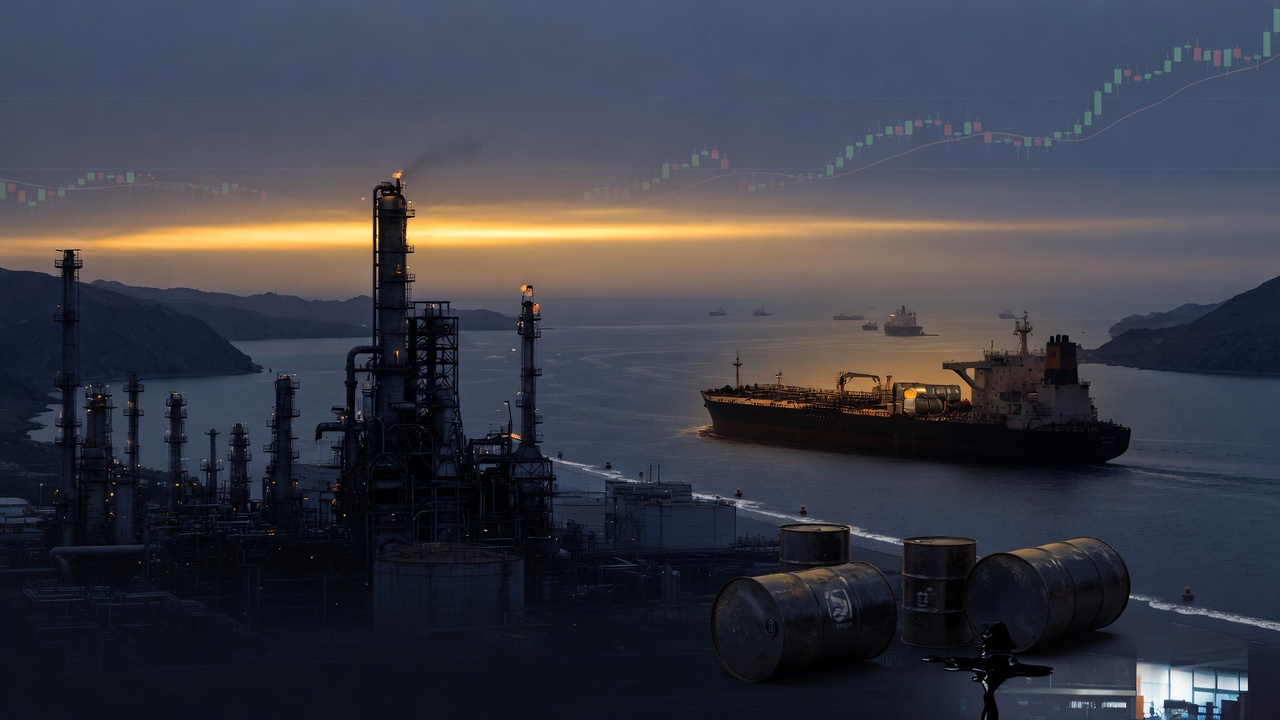
- Brent crude climbed as negotiations over the Strait of Hormuz showed little progress, with Iranian demands delaying any deal.
- WTI also advanced amid ongoing geopolitical supply risks.
Geopolitical tensions in the Middle East continue to dominate oil markets, with the Strait of Hormuz serving as the critical chokepoint for roughly 20% of global oil and LNG flows.
Recent reports indicate that talks aimed at de-escalating U.S.-Iran hostilities and restoring full shipping traffic have stalled due to Iranian demands, preventing a swift resolution that could ease supply concerns.
This uncertainty has provided upward momentum to prices, reversing some of the sharp declines seen earlier in the month when hopes for a quick nuclear deal emerged.
Traders are pricing in persistent risk premiums, as any disruption could quickly tighten global balances given limited spare capacity elsewhere.
The story matters because energy costs feed directly into inflation, corporate margins, and consumer spending, while also influencing broader risk sentiment across equities and currencies.
Driving factors include not only the Hormuz impasse but also lingering effects from prior weekly losses of around 5-7% as markets digested mixed signals on de-escalation. Oil and gas producers stand to benefit from higher realizations, while downstream refiners and airlines face margin pressure.
Sectors affected extend to transportation, petrochemicals, and even agriculture via fertilizer and fuel costs.
Traders should closely monitor updates on Hormuz traffic data, any new diplomatic statements from Washington or Tehran, upcoming inventory reports from the EIA, and OPEC+ compliance signals.
Technical levels to watch include resistance near recent highs around $83-84 for Brent and support at $78-79; a breakthrough in talks could trigger a sharp reversal lower.
AI insight — what it means
Oil prices are climbing because talks to reopen a major shipping route are stuck and worries about Iran are adding to supply concerns. For everyday investors this can mean higher costs at the pump and for goods that rely on oil transport.
Unlock the full AI insight
Free account — takes 10 seconds.
- Why this story matters — explained simply
- How it moves prices, sectors and assets
- What traders and analysts are watching next
Share this story
Spread the signal — link, social or copy.
Related topics
Related coverage
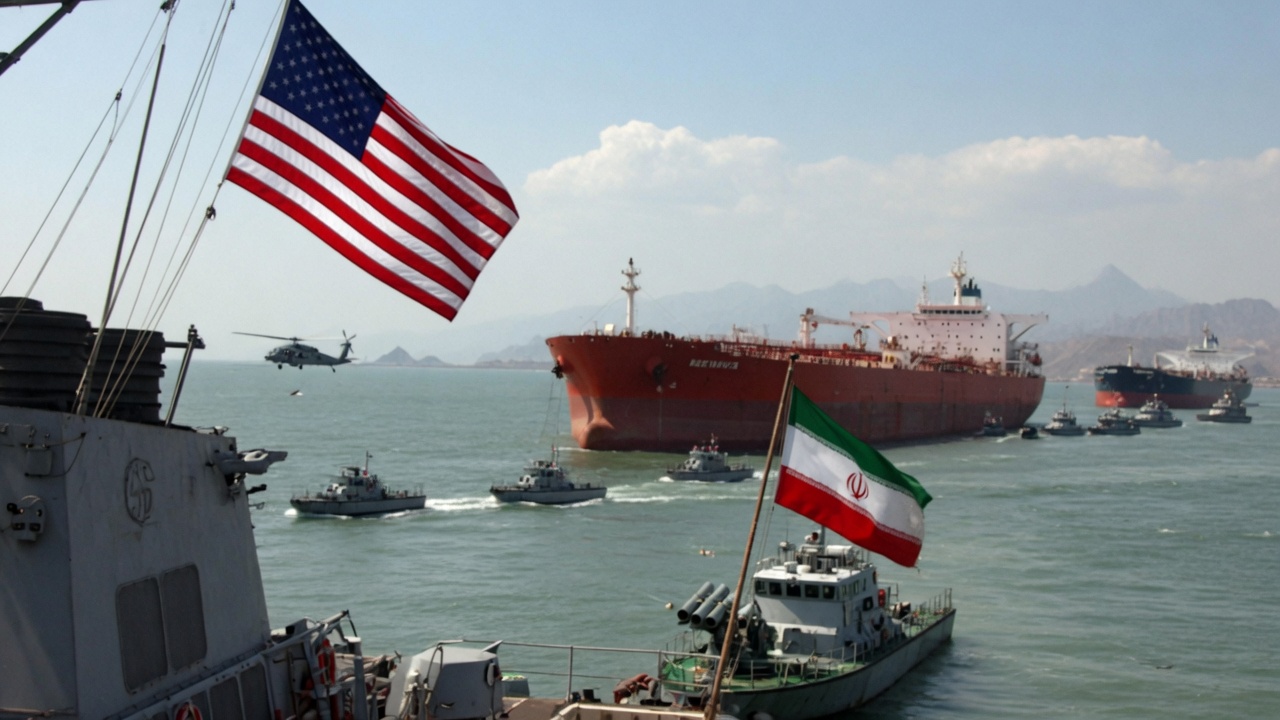
US Threatens Indefinite Iran Blockade, Boosting Oil Supply Risk Premium
US oil producers increase output to capture price surge from Iran war
Brent crude oil rises to ~$104 amid Middle East supply concerns
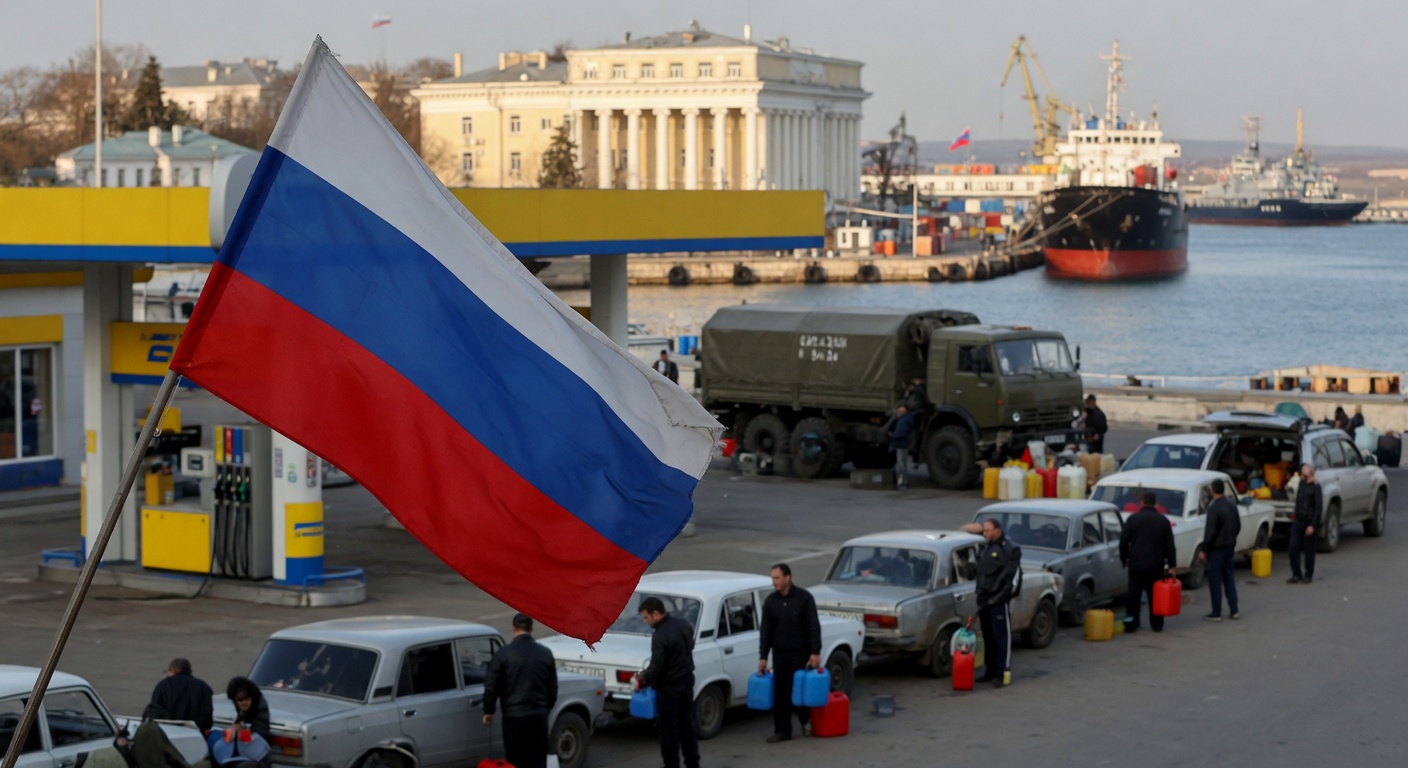
Russia introduces fuel rationing in Crimea's Sevastopol amid logistical challenges
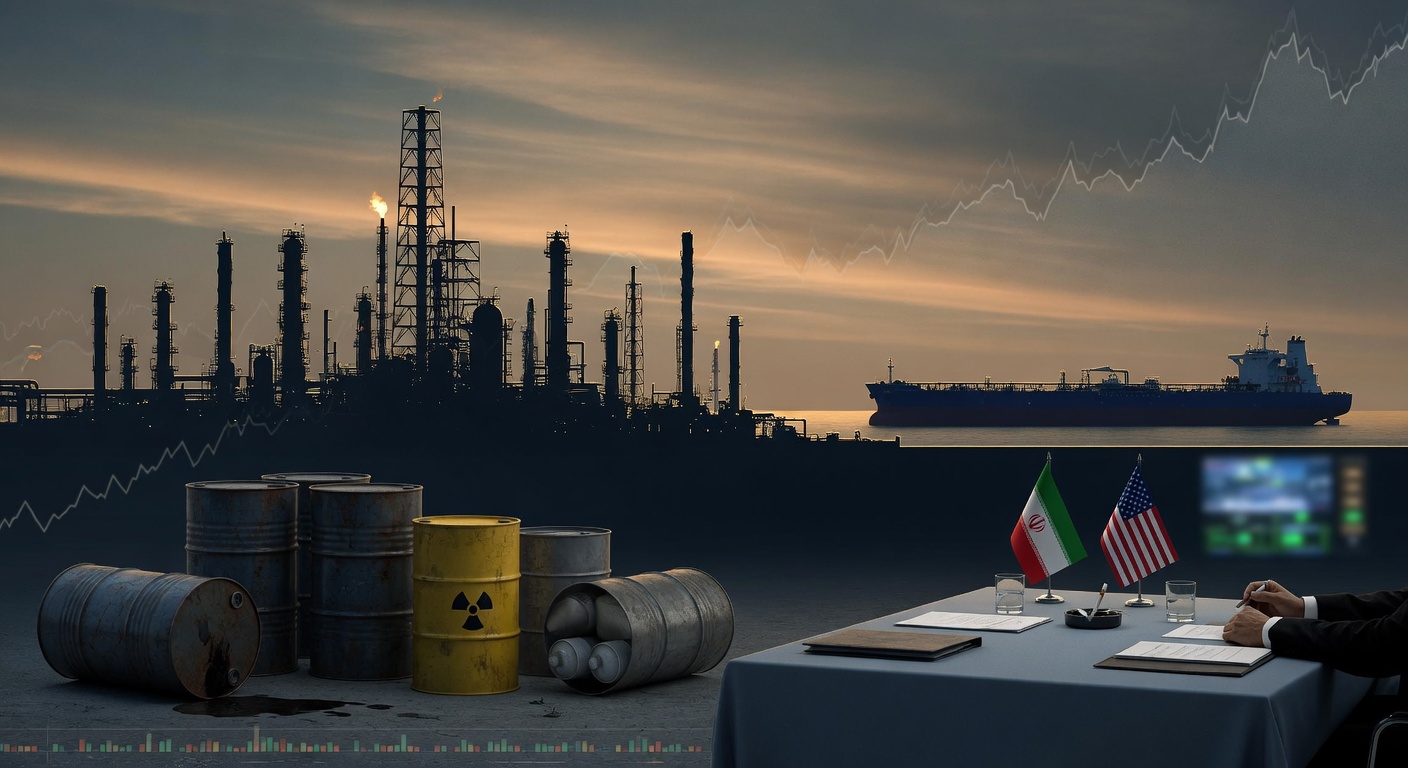
Oil Prices Rise 2% on Complications to US-Iran Peace Talks