Oil Rises Amid Renewed Middle East Fighting and Hormuz Concerns
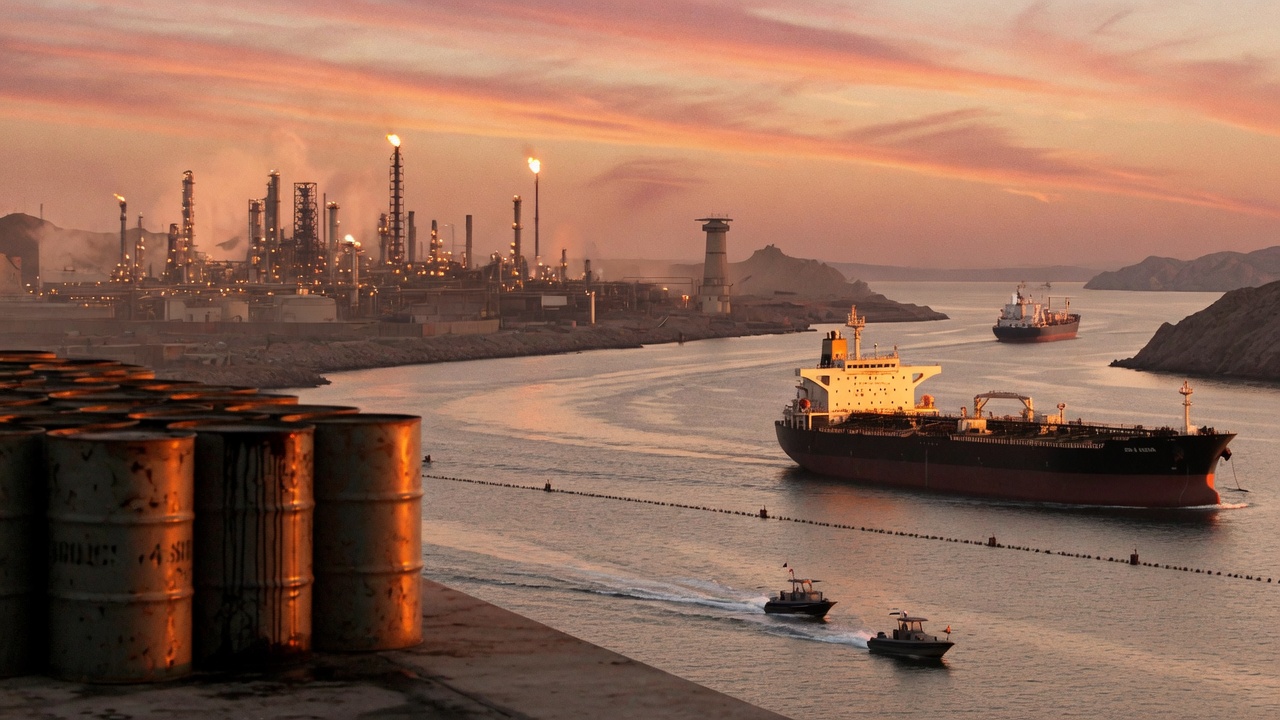
- Oil prices climbed in recent trading sessions driven by escalated tensions in the Middle East, including renewed fighting that raises risks of supply disruptions through the Strait of Hormuz.
Geopolitical risks in the Middle East have once again taken center stage in energy markets, pushing crude benchmarks higher as traders price in potential supply shocks.
Renewed fighting reported in the region has heightened fears over the flow of oil through the Strait of Hormuz, a critical chokepoint handling roughly 20% of global oil trade. This comes on the heels of weeks of volatility tied to Iran-related developments, U.S.
policy signals, and shipping delays that have already slowed tanker traffic to multi-month lows. Brent crude has shown resilience around the $86-90 per barrel range in recent days, while WTI has mirrored the upside with gains of over 1% in choppy sessions.
The driving force is clear: any prolonged disruption could tighten global balances significantly, especially as inventories in key regions remain sensitive to even modest outages. OPEC+ production decisions add another layer, but near-term focus remains squarely on the geopolitical premium.
Sectors most affected include upstream energy producers, who stand to benefit from higher realizations, as well as downstream refiners facing potential feedstock volatility. Airlines and transportation companies could see margin pressure if prices sustain above $85.
Traders should closely monitor diplomatic updates on Hormuz access, any new sanctions rhetoric from Washington, and weekly U.S. inventory data for clues on demand resilience.
A de-escalation could trigger a sharp reversal, while further escalation risks pushing prices toward $95 or higher in the near term. Broader implications extend to inflation expectations, potentially influencing central bank policy paths and equity valuations in energy-heavy indices.
AI insight — what it means
Higher oil prices mean it costs more to fill up your car or heat your home. This news shows that fighting in the Middle East is making oil supplies less certain, pushing prices up.
Unlock the full AI insight
Free account — takes 10 seconds.
- Why this story matters — explained simply
- How it moves prices, sectors and assets
- What traders and analysts are watching next
Share this story
Spread the signal — link, social or copy.
Related topics
Related coverage
US Threatens Indefinite Iran Blockade, Boosting Oil Supply Risk Premium
US oil producers increase output to capture price surge from Iran war
Brent crude oil rises to ~$104 amid Middle East supply concerns
Russia introduces fuel rationing in Crimea's Sevastopol amid logistical challenges
Oil Prices Rise 2% on Complications to US-Iran Peace Talks