Oil Rises Amid Growing Doubts Over Strait of Hormuz Reopening
- Oil prices climbed in early Asian trade as uncertainty persists over when or if the Strait of Hormuz will fully reopen to shipping following Middle East tensions involving Iran and Oman.
Recent developments in the Middle East have injected fresh volatility into global oil markets, with traders focusing intently on the strategic Strait of Hormuz. The waterway handles a significant portion of seaborne crude exports, and any prolonged disruption could tighten supplies substantially.
Market participants are reacting to statements from Iranian officials regarding proposed shipping lanes and conditions for safe passage, which have raised questions about timelines and third-party involvement.
This has pushed Brent and WTI futures higher in recent sessions, reversing some of the earlier relief from paused strikes and diplomatic overtures. The price action reflects broader geopolitical risks layered on top of inventory data showing U.S.
crude stockpiles behaving differently than expected, adding to supply concerns. Energy analysts note that even partial reopenings could ease immediate pressures, but full resolution remains elusive amid ongoing regional conflicts and attacks on infrastructure like Saudi refineries.
Sectors affected include upstream producers benefiting from higher realizations, refiners facing feedstock volatility, and downstream consumers such as airlines and shipping companies bracing for elevated fuel costs.
Traders should monitor upcoming diplomatic updates, weekly inventory reports from the EIA, and any announcements from Oman or Iran on maritime agreements. Watch also for OPEC+ responses and shifts in tanker tracking data that could signal actual flow changes.
Longer-term, sustained high prices may accelerate shifts toward alternative energy sources and influence Fed policy considerations on inflation.
The story matters because oil remains a key barometer of global risk appetite and has direct pass-through effects to consumer prices and corporate margins across multiple industries.
AI insight — what it means
Oil prices are rising because traders worry a major shipping route may stay blocked due to regional tensions. This uncertainty can push up fuel costs for everyday items like gasoline and heating.
Unlock the full AI insight
Free account — takes 10 seconds.
- Why this story matters — explained simply
- How it moves prices, sectors and assets
- What traders and analysts are watching next
Share this story
Spread the signal — link, social or copy.
Related topics
Related coverage
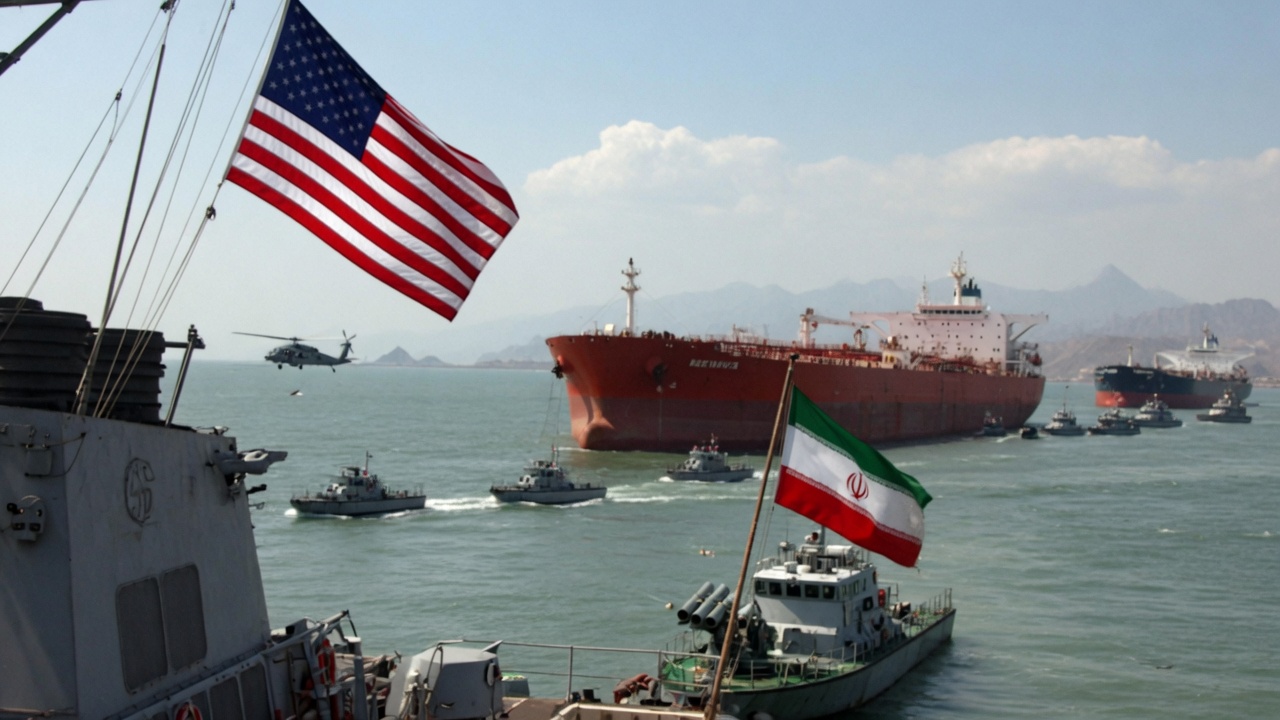
US Threatens Indefinite Iran Blockade, Boosting Oil Supply Risk Premium
US oil producers increase output to capture price surge from Iran war
Brent crude oil rises to ~$104 amid Middle East supply concerns
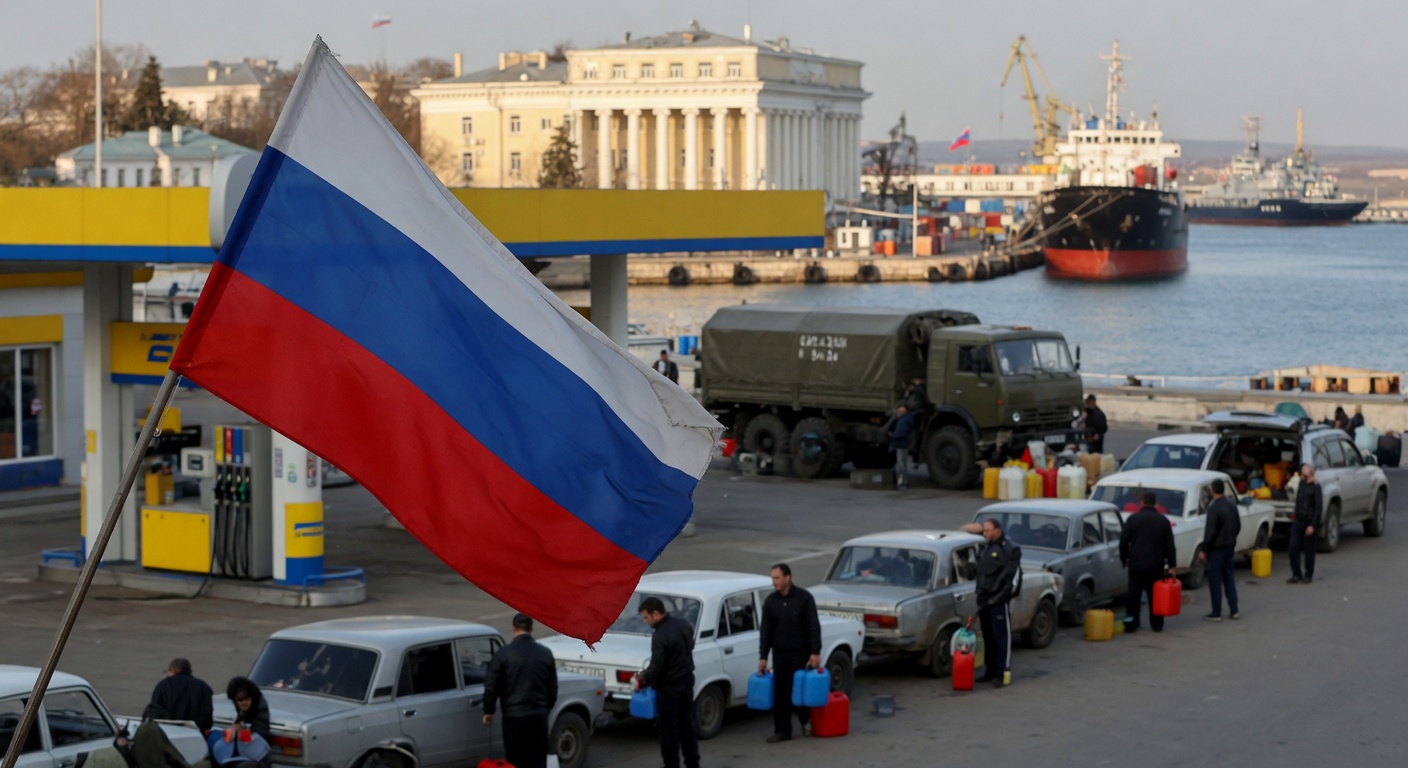
Russia introduces fuel rationing in Crimea's Sevastopol amid logistical challenges
Oil Prices Rise 2% on Complications to US-Iran Peace Talks