Oil Prices Volatile Amid Iran-Oman Hormuz Talks
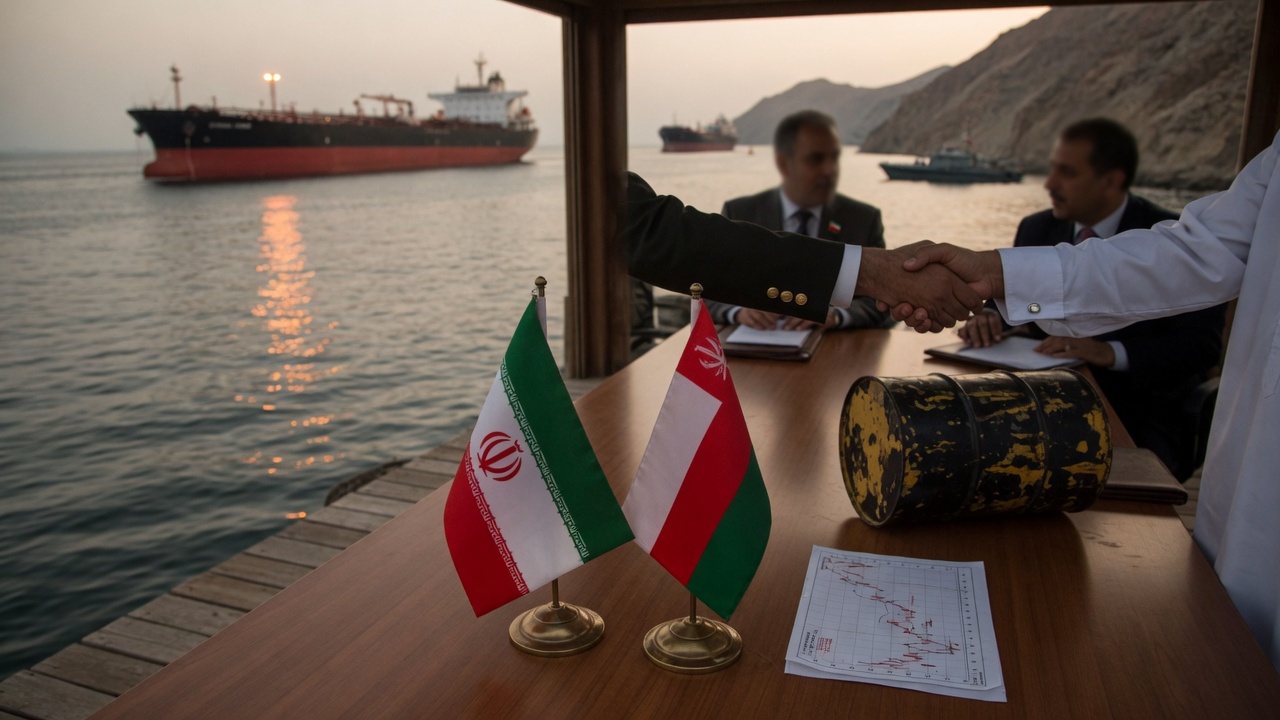
- Oil benchmarks like Brent and WTI fluctuated sharply in the last 24 hours as traders assessed diplomatic progress on reopening the Strait of Hormuz and easing Middle East supply risks, with prices stabilizing near $88 Brent after earlier drops.
The dominant story in energy markets over the past day centers on rapid shifts in oil pricing driven by expectations around the Strait of Hormuz.
Reports indicate Iran and Oman have reached a revenue-sharing agreement on transit through the strategic waterway, raising hopes that shipping disruptions from recent regional tensions could ease.
This development followed days of declines, with Brent crude falling more than 2% mid-week to lows around $86 before partial recovery. WTI showed similar choppiness, settling in the low $82 range.
The market's reaction underscores how sensitive crude remains to any signal of normalized flows from the Persian Gulf, a chokepoint for roughly 20% of global oil trade.
Driving this volatility are layered factors: ongoing U.S.-Iran frictions, Russian supply uncertainties from the Ukraine conflict, and softer-than-expected Asian crude import data for August, which challenges narratives of quick supply normalization.
Asia's arrivals are projected at 23.12 million barrels per day, still below pre-conflict levels, highlighting persistent logistical hurdles.
Sectors most affected include upstream producers facing margin pressure from lower prices, downstream refiners potentially benefiting from cheaper feedstock, and shipping/logistics firms tied to Gulf routes.
Broader equities and bonds also felt ripple effects, with falling oil providing some relief to inflation-sensitive assets. For traders, key watches include follow-through on the Hormuz deal, weekly inventory reports, OPEC+ compliance signals, and any escalation in geopolitical rhetoric.
A sustained reopening could pressure prices lower toward pre-tension levels, while renewed disruptions would likely spark sharp rebounds. This episode reinforces oil's role as a geopolitical barometer in 2026, where diplomatic micro-shifts can override fundamental demand signals in the short term.
AI insight — what it means
Oil prices are moving up and down because of talks between Iran and Oman about reopening a key shipping route. For everyday investors this could eventually affect fuel costs and energy-related investments.
Unlock the full AI insight
Free account — takes 10 seconds.
- Why this story matters — explained simply
- How it moves prices, sectors and assets
- What traders and analysts are watching next
Share this story
Spread the signal — link, social or copy.
Related topics
Related coverage
US Threatens Indefinite Iran Blockade, Boosting Oil Supply Risk Premium
US oil producers increase output to capture price surge from Iran war
Brent crude oil rises to ~$104 amid Middle East supply concerns
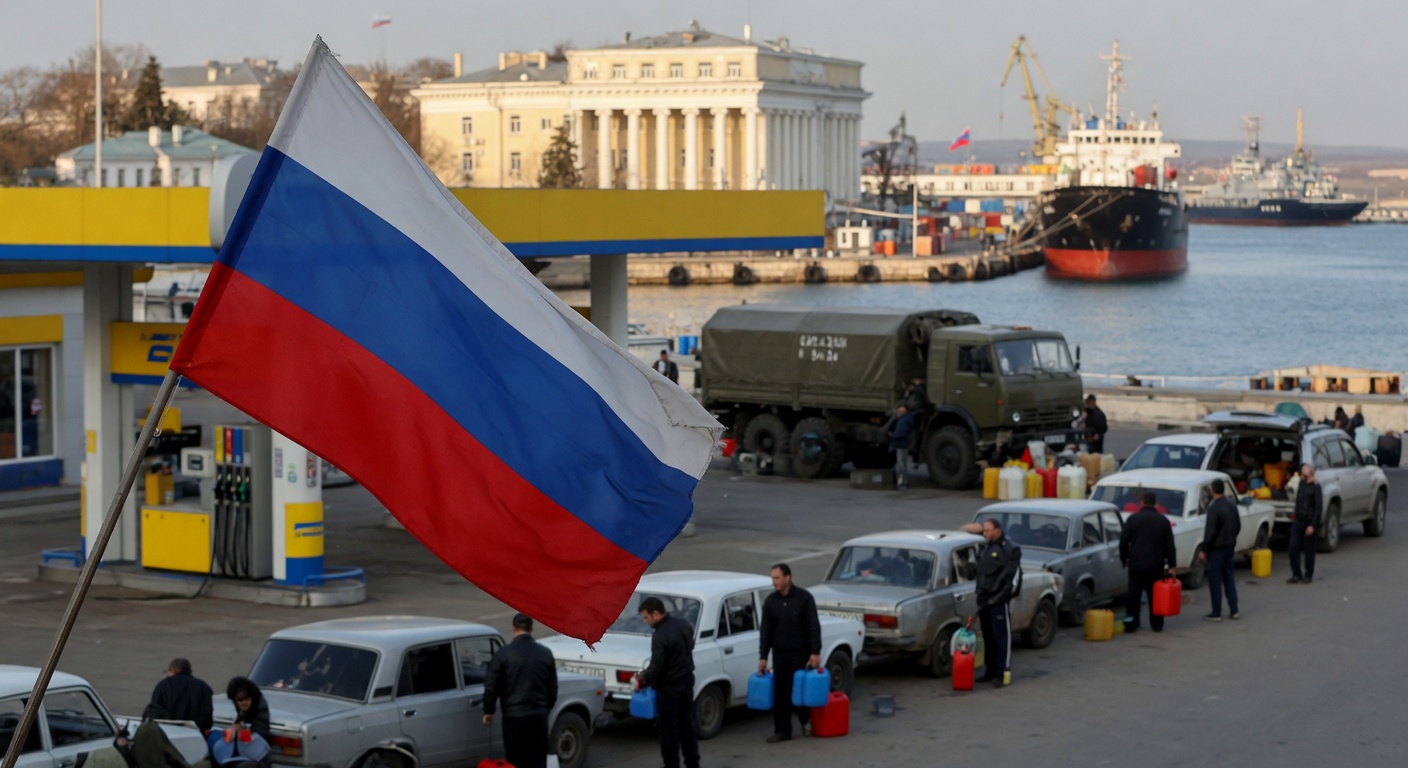
Russia introduces fuel rationing in Crimea's Sevastopol amid logistical challenges
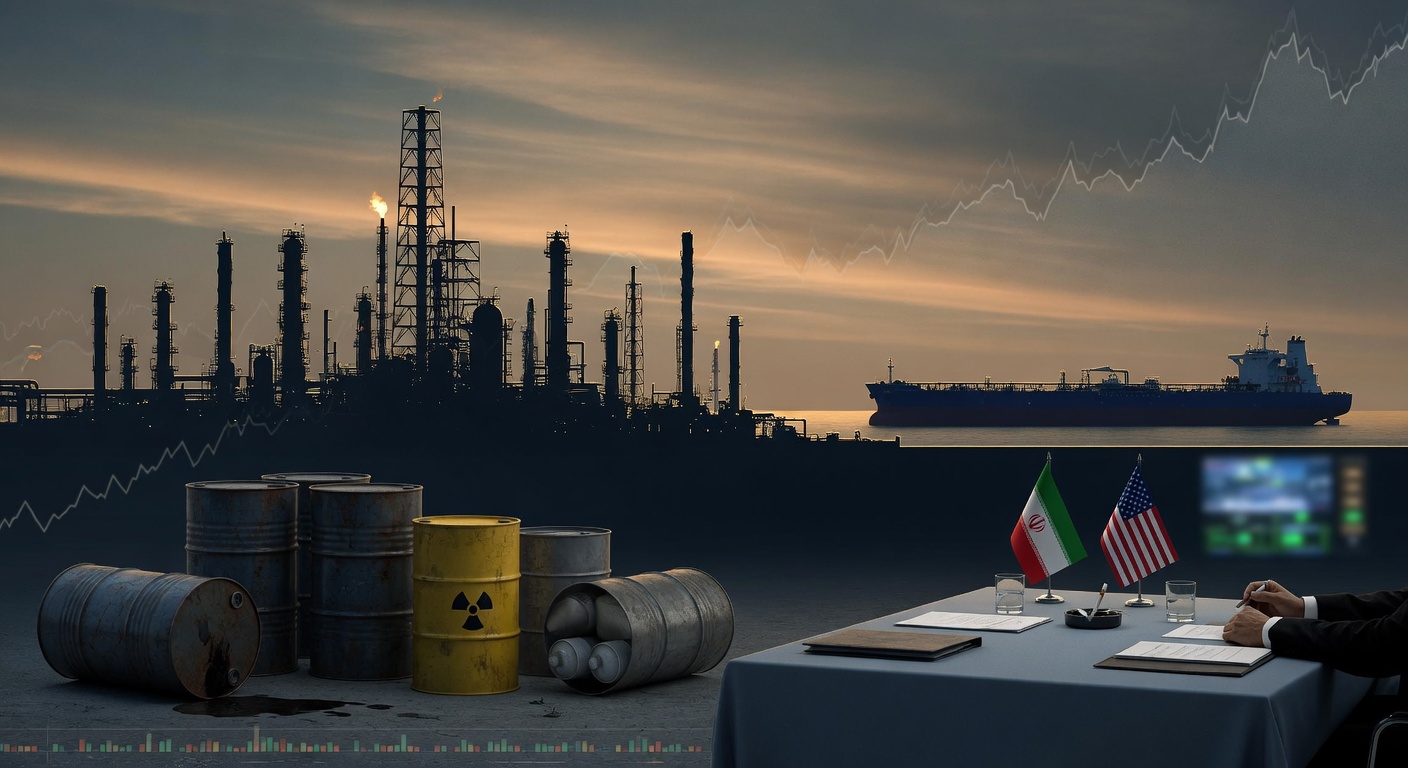
Oil Prices Rise 2% on Complications to US-Iran Peace Talks