Oil Prices Surge Over 2% as Trump Threatens Sanctions on Iran Trade Partners
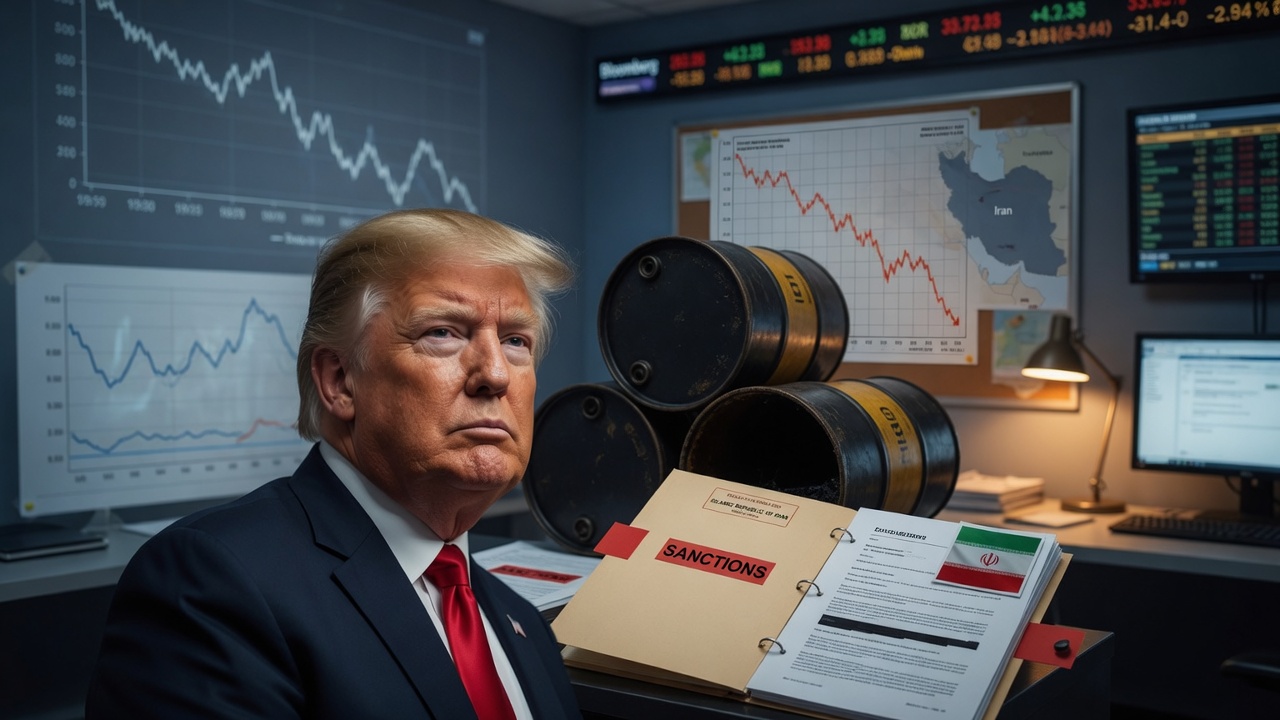
- and international crude oil futures rose sharply on Thursday after President Donald Trump threatened economic sanctions on countries supporting Iran amid ongoing Middle East tensions, pushing prices to their highest levels in nearly a month.
Geopolitical tensions in the Middle East have once again taken center stage in energy markets, with President Trump's latest rhetoric against nations backing Iran injecting fresh volatility into oil benchmarks.
The threat of sanctions comes as the Strait of Hormuz remains partially constrained, disrupting tanker traffic and stranding millions of barrels of crude from key Gulf producers.
This development builds on weeks of uncertainty following earlier escalations, where oil had already seen swings of 10% or more in single sessions due to supply fears.
Traders are now pricing in a higher risk premium, as any broadening of sanctions could further limit Iran's oil exports and force rerouting of cargoes, increasing shipping costs and tightening global supply.
The move also coincides with reports of surging demand for tankers among Gulf exporters seeking alternative routes, underscoring how the conflict is reshaping logistics and elevating freight rates across the sector.
For oil majors and downstream players, this environment favors upstream producers with exposure to higher realized prices, while refiners face margin pressure from elevated feedstock costs.
Natural gas markets may see indirect spillover if LNG cargoes face delays or if power generation shifts occur in affected regions. Agricultural commodities could also feel ripple effects through higher energy input costs for farming and transport.
Traders should monitor upcoming OPEC+ meetings for any production adjustments, weekly U.S. inventory data for demand signals, and any diplomatic updates on Iran negotiations.
Key levels to watch include Brent resistance near recent highs around $94 and support at $88; a sustained break higher could accelerate bullish momentum into September.
Overall, the story highlights how political posturing can rapidly override fundamentals in energy markets, reminding participants that geopolitical risk remains a dominant driver into year-end.
AI insight — what it means
The news indicates oil could cost more soon because possible new trade limits on Iran might cut how much oil reaches the market. Everyday investors may see this through higher gas prices or gains in energy-related investments.
Unlock the full AI insight
Free account — takes 10 seconds.
- Why this story matters — explained simply
- How it moves prices, sectors and assets
- What traders and analysts are watching next
Share this story
Spread the signal — link, social or copy.
Related topics
Related coverage
US Threatens Indefinite Iran Blockade, Boosting Oil Supply Risk Premium
US oil producers increase output to capture price surge from Iran war
Brent crude oil rises to ~$104 amid Middle East supply concerns
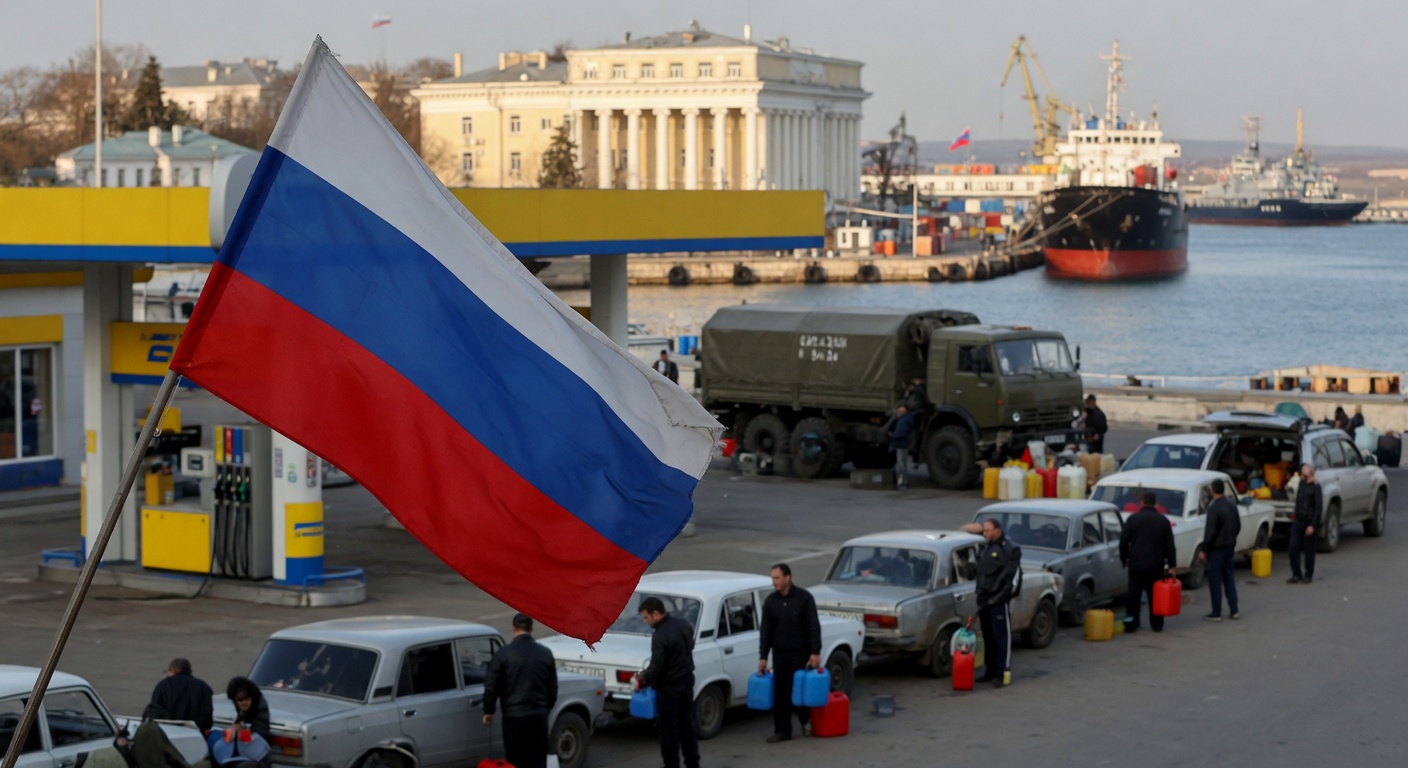
Russia introduces fuel rationing in Crimea's Sevastopol amid logistical challenges
Oil Prices Rise 2% on Complications to US-Iran Peace Talks