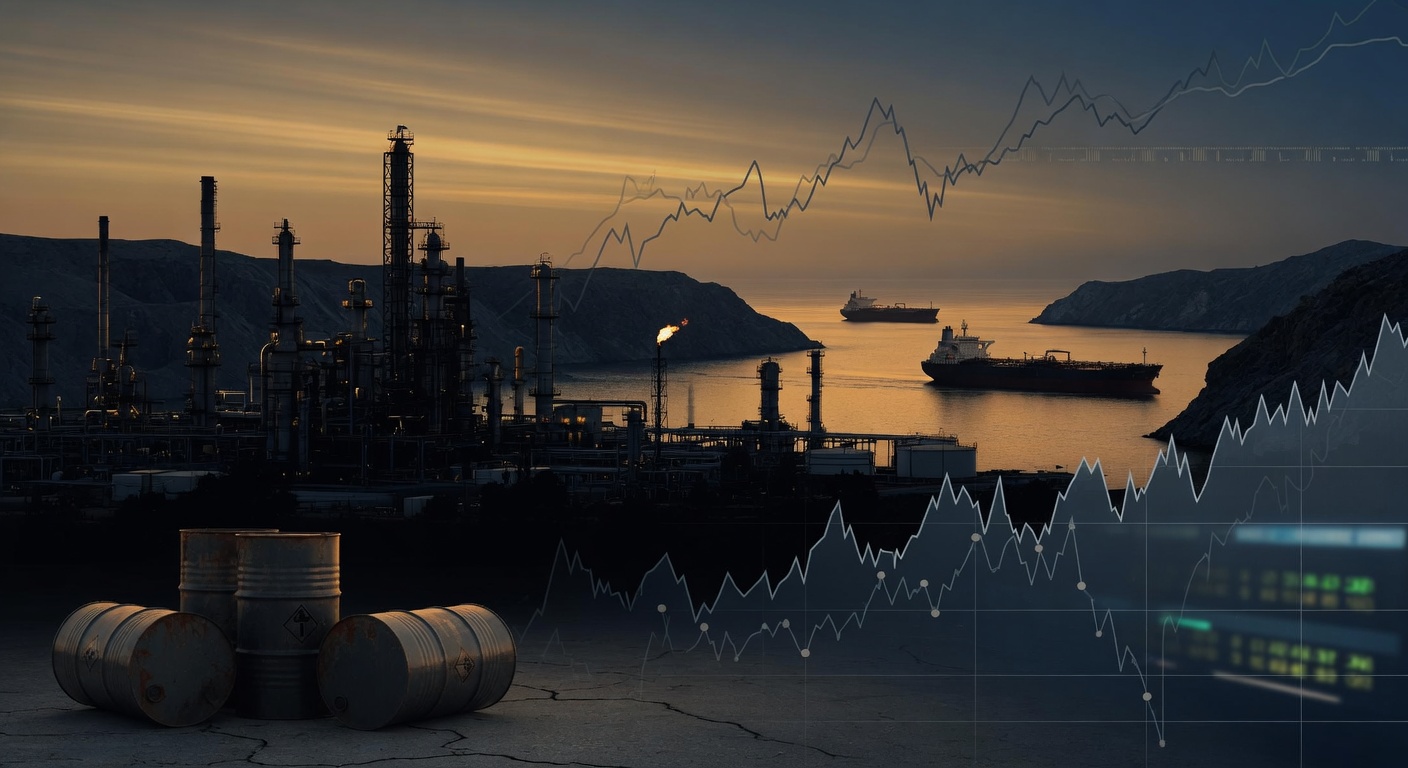
Oil Prices Surge on Escalating Middle East Tensions and Hormuz Concerns
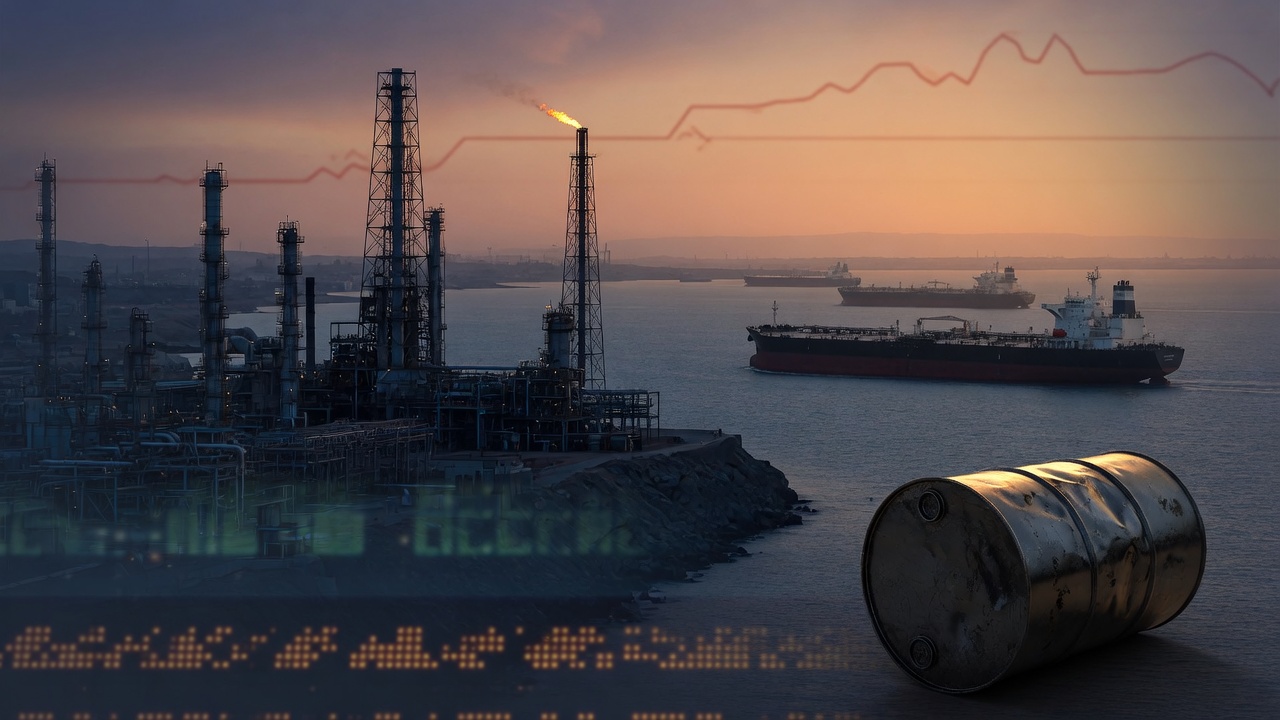
- Brent crude settled near a 4-week high at $91.62 and WTI at $85.83 amid UAE suspension of ties with Iran and slow ship traffic through the Strait of Hormuz.
- Prices continued climbing on Thursday with ongoing US-Iran war impasse raising supply disruption fears.
The sharp rise in oil benchmarks reflects heightened geopolitical risk premiums following the UAE's decision to halt all financial and economic transactions with Iran, combined with persistent uncertainty over exports through the Strait of Hormuz.
This key chokepoint handles a significant portion of global oil flows, and any prolonged slowdown directly threatens supply from major Middle Eastern producers.
Traders are pricing in potential further escalations in the US-Israeli actions against Iran, which have already led to attacks on regional infrastructure and refined product strains.
The resulting tightness has pushed diesel crack spreads to record levels above $100 per barrel, signaling acute shortages in heating oil and transportation fuels ahead of winter.
US and Indian refiners are capitalizing on the volatility by exporting at premium prices, while inventories show mixed signals with rising crude stocks but falling distillates.
This environment is bullish for upstream energy producers and oil services but bearish for downstream consumers and airlines.
Market participants should monitor weekly EIA inventory reports, any diplomatic breakthroughs or further sanctions announcements, and tanker tracking data for Hormuz traffic. Volatility is likely to persist, with options markets showing elevated implied vols for near-term expirations.
Broader implications include upward pressure on global inflation metrics and potential central bank responses, while natural gas markets may see indirect spillovers if power generation shifts occur.
Long-term, sustained high prices could accelerate investment in alternative supply routes and non-OPEC production. Risk of de-escalation remains the key wildcard that could trigger a rapid unwind of the recent gains.
AI insight — what it means
Oil prices are climbing because tensions in the Middle East raise fears that supplies could be interrupted. For everyday investors this often means higher costs at the pump and for goods that use fuel to ship.
Unlock the full AI insight
Free account — takes 10 seconds.
- Why this story matters — explained simply
- How it moves prices, sectors and assets
- What traders and analysts are watching next
Share this story
Spread the signal — link, social or copy.
Related topics
Related coverage
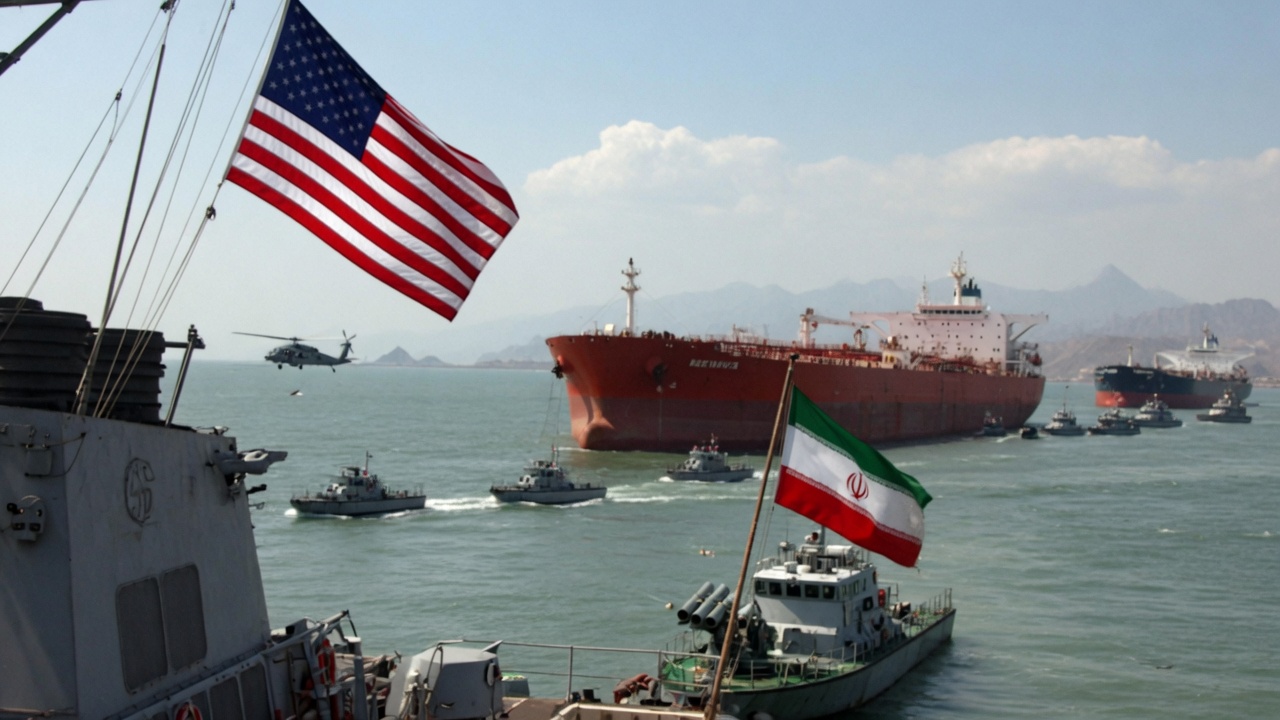
US Threatens Indefinite Iran Blockade, Boosting Oil Supply Risk Premium
US oil producers increase output to capture price surge from Iran war
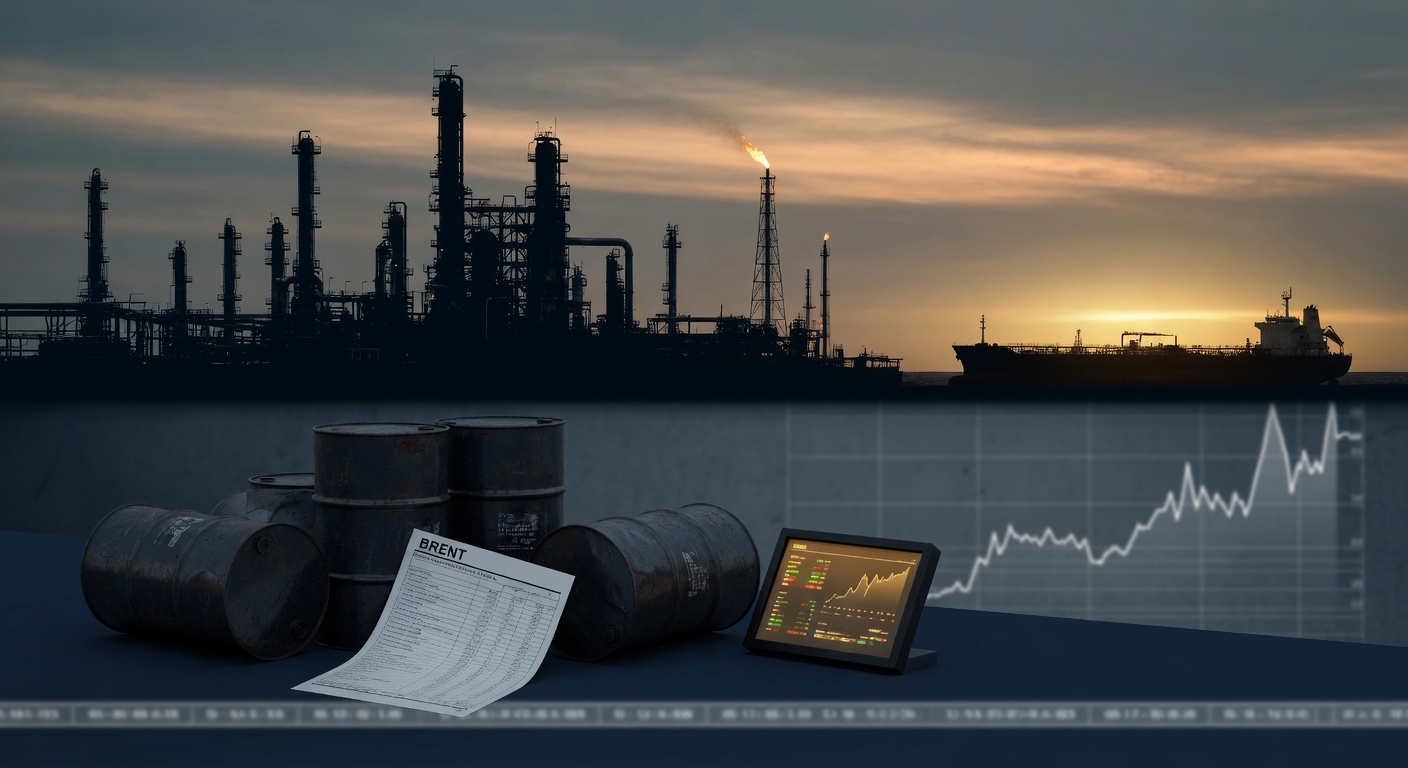
Brent crude oil rises to ~$104 amid Middle East supply concerns
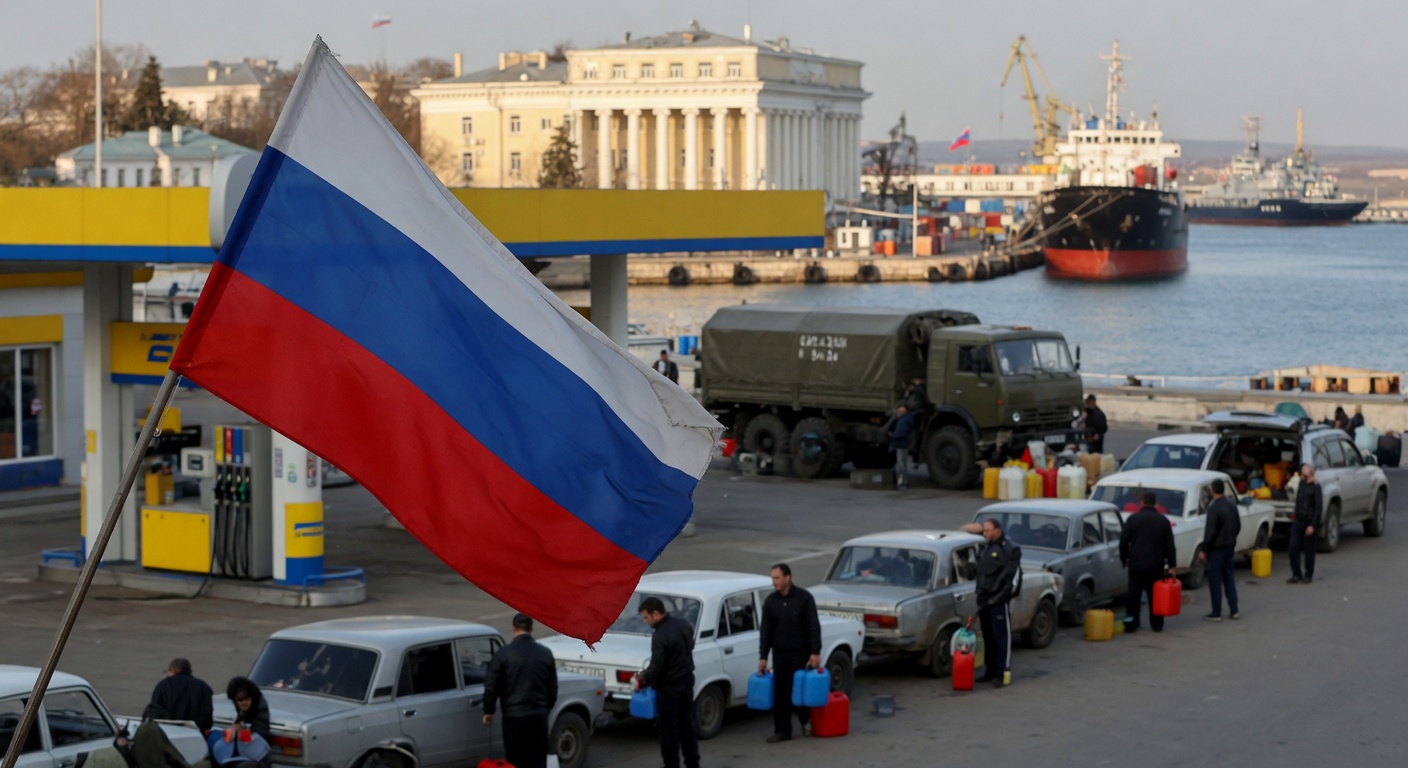
Russia introduces fuel rationing in Crimea's Sevastopol amid logistical challenges
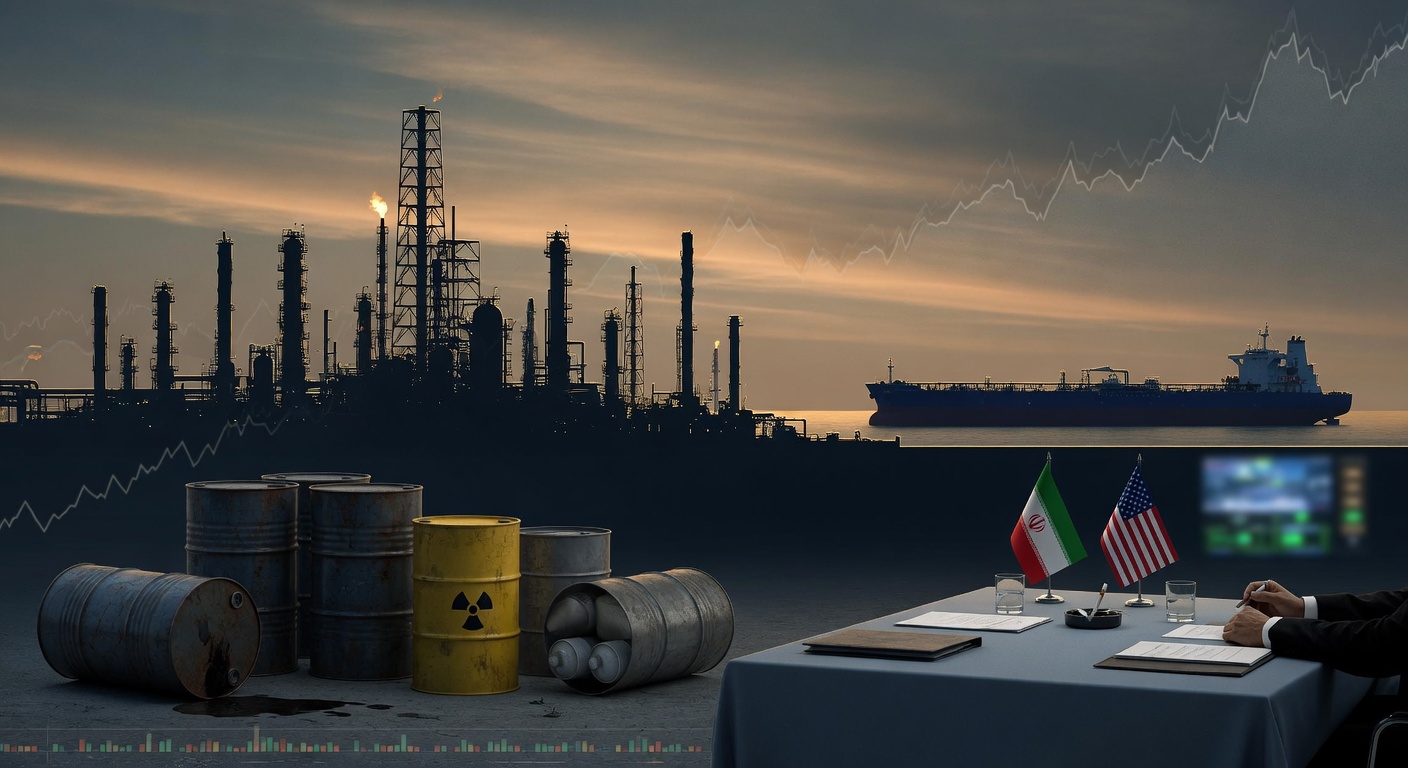
Oil Prices Rise 2% on Complications to US-Iran Peace Talks