Oil Prices Settle Lower Amid Fed Policy Hints and Hormuz Deal Rumors

- On August 28, 2026, Brent crude settled at $89.31 per barrel, down 0.43%, while WTI finished at $83.40, both posting weekly declines exceeding 4%.
- Traders reacted to Federal Reserve Chairman Kevin Warsh's comments suggesting possible rate hikes and rumors of a long-term deal on Strait of Hormuz shipping.
Oil markets experienced notable downward pressure on August 28 as investors digested mixed signals from U.S. monetary policy and geopolitical developments in the Middle East.
Brent crude futures closed the session at $89.31 a barrel, marking a 39-cent decline, while West Texas Intermediate (WTI) settled at $83.40, down 13 cents.
Both benchmarks extended weekly losses of more than 4-5%, reflecting a cautious sentiment that outweighed earlier tensions related to Iran sanctions.
The primary driver was comments from new Fed Chairman Kevin Warsh, which pointed toward potential interest rate increases later in the year to combat persistent inflation.
Higher rates typically strengthen the dollar and dampen demand expectations for commodities like oil, leading traders to reduce bullish positions.
Compounding this was speculation about a possible agreement to secure shipping lanes through the Strait of Hormuz, which could ease supply concerns if realized, even as U.S. sanctions on Iran continued to tighten economic pressure without immediate military escalation.
This combination shifted focus from supply disruption risks to broader macroeconomic headwinds. The retreat in oil prices has significant implications for energy sectors, including upstream producers facing margin compression and downstream refiners potentially benefiting from lower input costs.
Transportation and manufacturing industries reliant on fuel may see relief in operating expenses, though volatility remains high. Agricultural commodities could indirectly benefit if lower energy costs reduce fertilizer and logistics expenses. Traders should closely monitor upcoming U.S.
economic data releases, particularly inflation metrics and employment figures, as well as any official statements on Hormuz negotiations or OPEC+ output decisions.
Technical levels around $88 for Brent and $82 for WTI will be key support zones to watch, with any breach potentially accelerating selling. Geopolitical updates from the Middle East remain a wildcard that could rapidly reverse the bearish tone if tensions escalate again.
Overall, the market appears to be pricing in a more dovish supply outlook tempered by tighter financial conditions, suggesting continued consolidation in the near term unless fresh catalysts emerge.
AI insight — what it means
Oil prices dropped after hints of possible higher interest rates and rumors about easier shipping through a major oil route. Everyday investors may see cheaper fuel costs but should note this could signal slower economic growth ahead.
Unlock the full AI insight
Free account — takes 10 seconds.
- Why this story matters — explained simply
- How it moves prices, sectors and assets
- What traders and analysts are watching next
Share this story
Spread the signal — link, social or copy.
Related topics
Related coverage
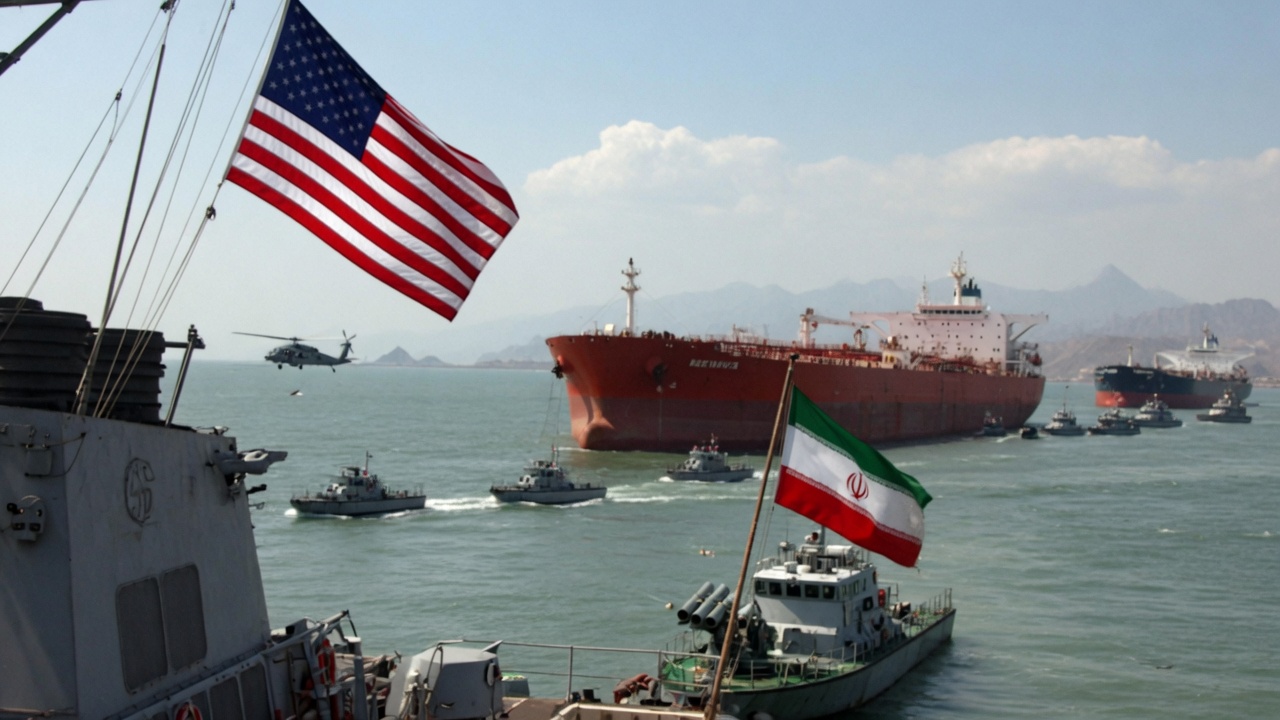
US Threatens Indefinite Iran Blockade, Boosting Oil Supply Risk Premium
US oil producers increase output to capture price surge from Iran war

Brent crude oil rises to ~$104 amid Middle East supply concerns
Russia introduces fuel rationing in Crimea's Sevastopol amid logistical challenges

Oil Prices Rise 2% on Complications to US-Iran Peace Talks