Oil Market Prices in Prolonged Hormuz Crisis Amid Fading Diplomatic Hopes
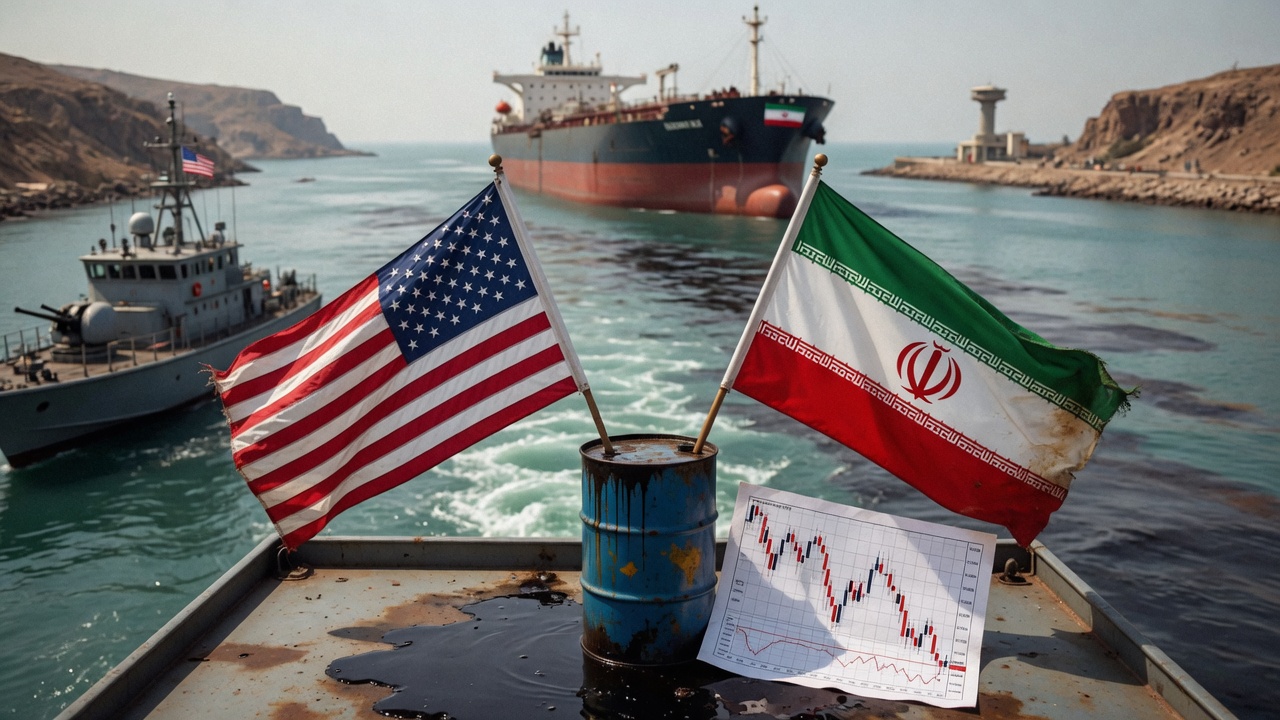
- Crude prices have stabilized around $90 a barrel as the market treats Middle East supply disruptions as a persistent reality rather than a short-term event, nearly six months into the US-Iran conflict.
Market participants are increasingly embedding assumptions of extended disruptions through the Strait of Hormuz into forward curves, with crude stabilizing near $90 following earlier swings to $100 and back.
This reflects the effective end of the June interim ceasefire and expiration of 60-day talks, leaving little prospect for quick resolution between Washington and Tehran.
The narrative shift from tactical shocks to structural crisis stems from sustained attacks on tankers, naval blockades, and Iran's near-closure threats, which have already curtailed major Middle East exports.
Why it matters: prolonged outages erode global spare capacity buffers, risking cascading effects on refining throughput and end-user fuel availability for months or years. Key drivers are geopolitical stalemate, low inventories, and secondary impacts like Houthi actions in the Red Sea.
Assets affected include prompt and long-dated oil futures, natural gas (via LNG rerouting), and refining margins, which have already surged for players like Australia's Ampol. Broader sectors include aviation, shipping, agriculture via higher input costs, and equities in energy infrastructure.
Traders must watch weekly inventory reports, Hormuz transit volumes, any G7 or diplomatic updates, and positioning data from CFTC. Next signals include whether prices break $95 resistance or test support at $88, alongside correlations with inflation prints.
The setup suggests bullish bias for energy but with high tail risk, recommending options strategies for volatility.
AI insight — what it means
Oil prices are holding steady at elevated levels because ongoing tensions in the Middle East are keeping supply tight for an extended period. This situation can raise costs for fuel and related products that everyday consumers and businesses rely on.
Unlock the full AI insight
Free account — takes 10 seconds.
- Why this story matters — explained simply
- How it moves prices, sectors and assets
- What traders and analysts are watching next
Share this story
Spread the signal — link, social or copy.
Related topics
Related coverage
US Threatens Indefinite Iran Blockade, Boosting Oil Supply Risk Premium
US oil producers increase output to capture price surge from Iran war
Brent crude oil rises to ~$104 amid Middle East supply concerns
Russia introduces fuel rationing in Crimea's Sevastopol amid logistical challenges
Oil Prices Rise 2% on Complications to US-Iran Peace Talks