Oil Holds Risk Premium Amid Stalled Hormuz Talks and Slowing Shipping
- Oil prices edged higher Monday as diplomatic efforts to resolve Middle East tensions stalled and data showed shipping through the Strait of Hormuz slowing after recent tanker attacks.
- Brent rose to around $88.86/bbl while WTI held near $82.44/bbl with limited supply disruptions capping gains.
Geopolitical tensions in the Middle East continue to underpin a risk premium in oil markets even as immediate supply shocks remain absent.
On August 17, Reuters reported Brent crude futures climbing 0.38% to $88.86 per barrel amid a lack of progress in U.S.-Iran peace talks and fresh data indicating reduced tanker traffic through the critical Strait of Hormuz.
Shipping volumes slowed over the weekend following prior attacks, raising concerns about potential future disruptions to both crude and LNG flows from the Gulf region.
Market participants are closely watching Washington's signals, including threats of new measures on Iran and comments about possible U.S. control over the waterway, which could escalate volatility.
The absence of major outages has so far prevented a sharper spike, but analysts note that any further deterioration could quickly tighten global supplies given the strait handles roughly 20% of global oil trade.
This dynamic directly affects upstream producers, refiners, and shipping companies while supporting higher prices for benchmark crudes. Downstream sectors such as petrochemicals and airlines face elevated input costs that may eventually pass through to consumers.
Traders should monitor upcoming diplomatic updates, weekly EIA inventory data, and any acceleration in Chinese buying or OPEC+ responses.
A resolution of Hormuz issues could ease the premium and pressure prices lower, whereas renewed incidents would likely drive bullish momentum across energy equities and futures.
The situation also highlights ongoing vulnerabilities in global energy supply chains exposed by the Iran-related conflict, influencing investment decisions in alternative supply routes and strategic reserves.
Overall, the story reinforces oil's sensitivity to geopolitics over pure fundamentals in the near term.
AI insight — what it means
Oil prices are moving up slightly because talks to ease Middle East tensions have stopped and fewer tankers are using a key shipping route. This raises worries about future oil supply shortages for everyday investors.
Unlock the full AI insight
Free account — takes 10 seconds.
- Why this story matters — explained simply
- How it moves prices, sectors and assets
- What traders and analysts are watching next
Share this story
Spread the signal — link, social or copy.
Related topics
Related coverage
US Threatens Indefinite Iran Blockade, Boosting Oil Supply Risk Premium
US oil producers increase output to capture price surge from Iran war
Brent crude oil rises to ~$104 amid Middle East supply concerns
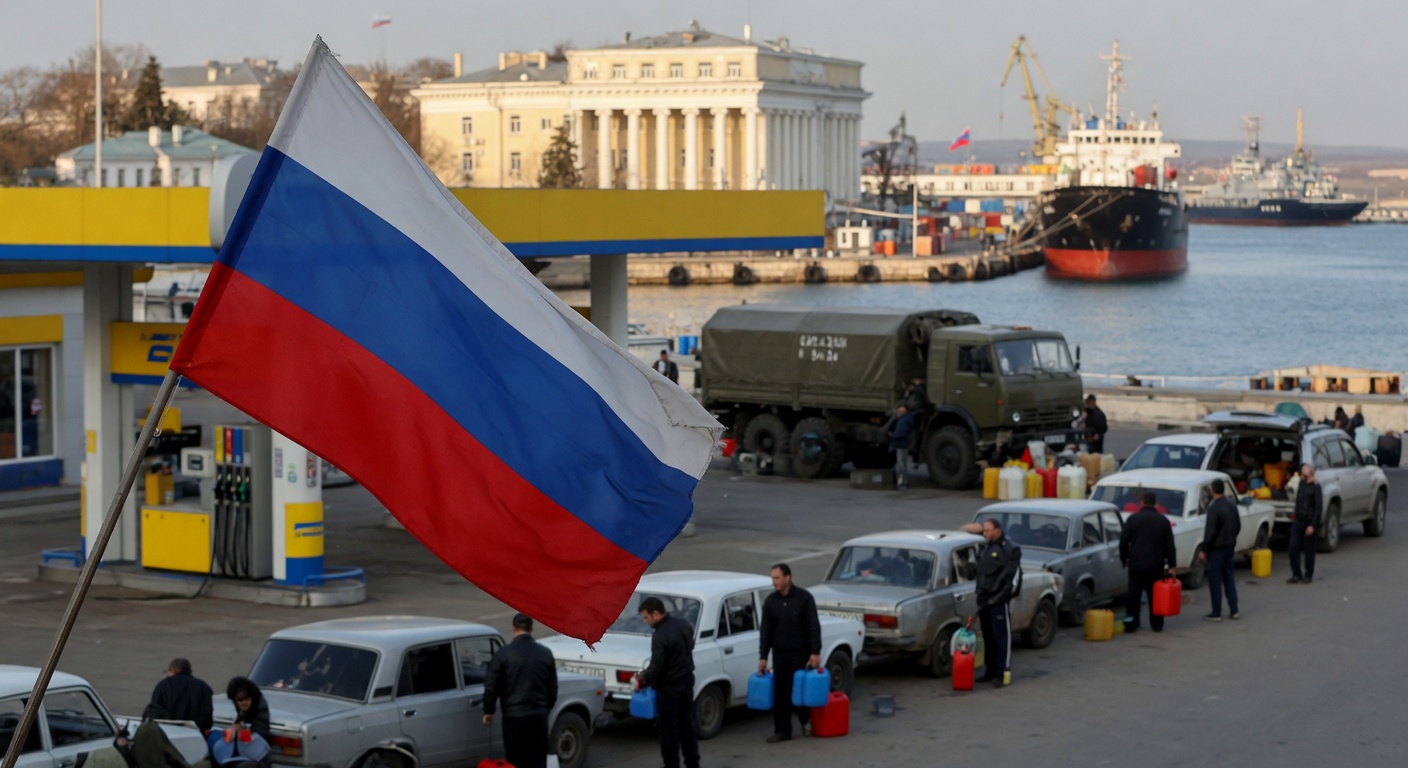
Russia introduces fuel rationing in Crimea's Sevastopol amid logistical challenges
Oil Prices Rise 2% on Complications to US-Iran Peace Talks