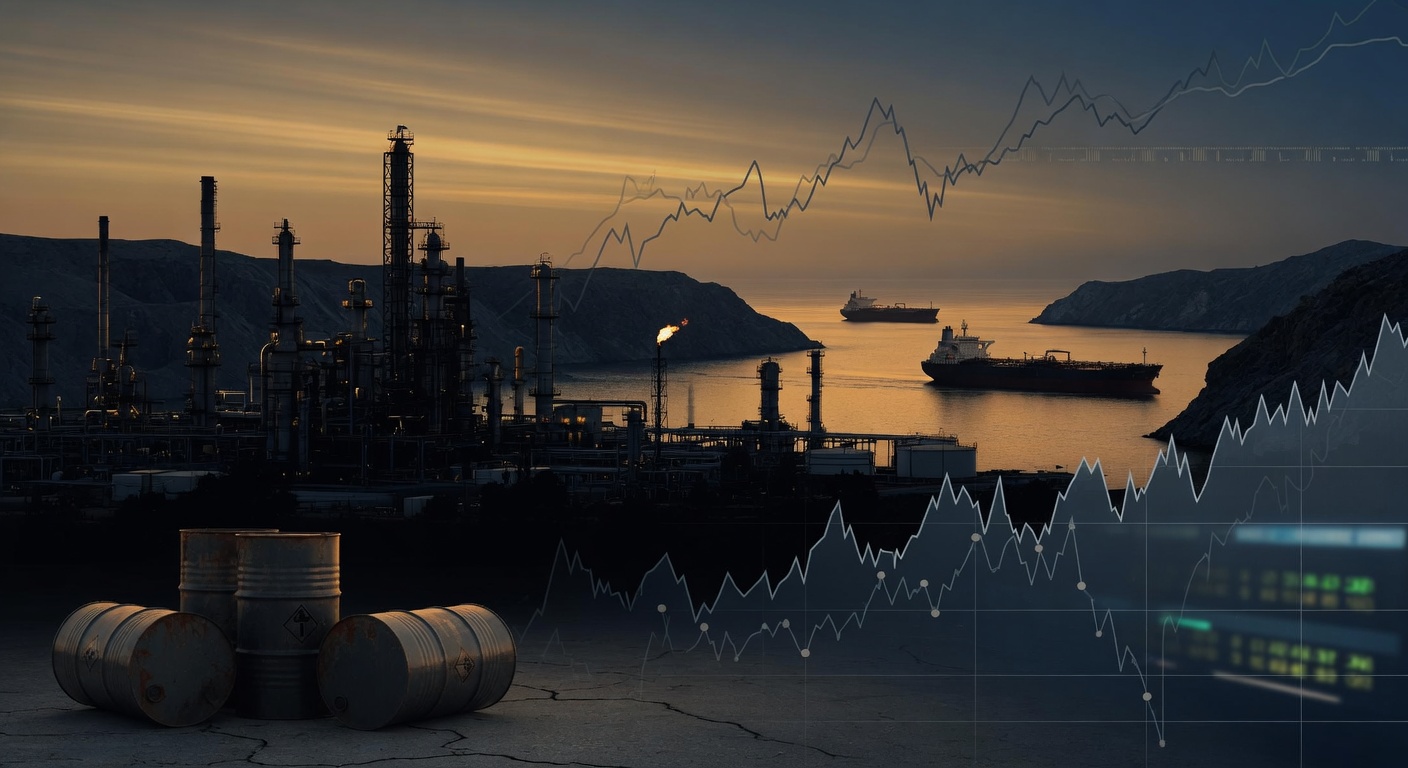
Oil Climbs to Three-Week High as US-Iran Peace Hopes Fade
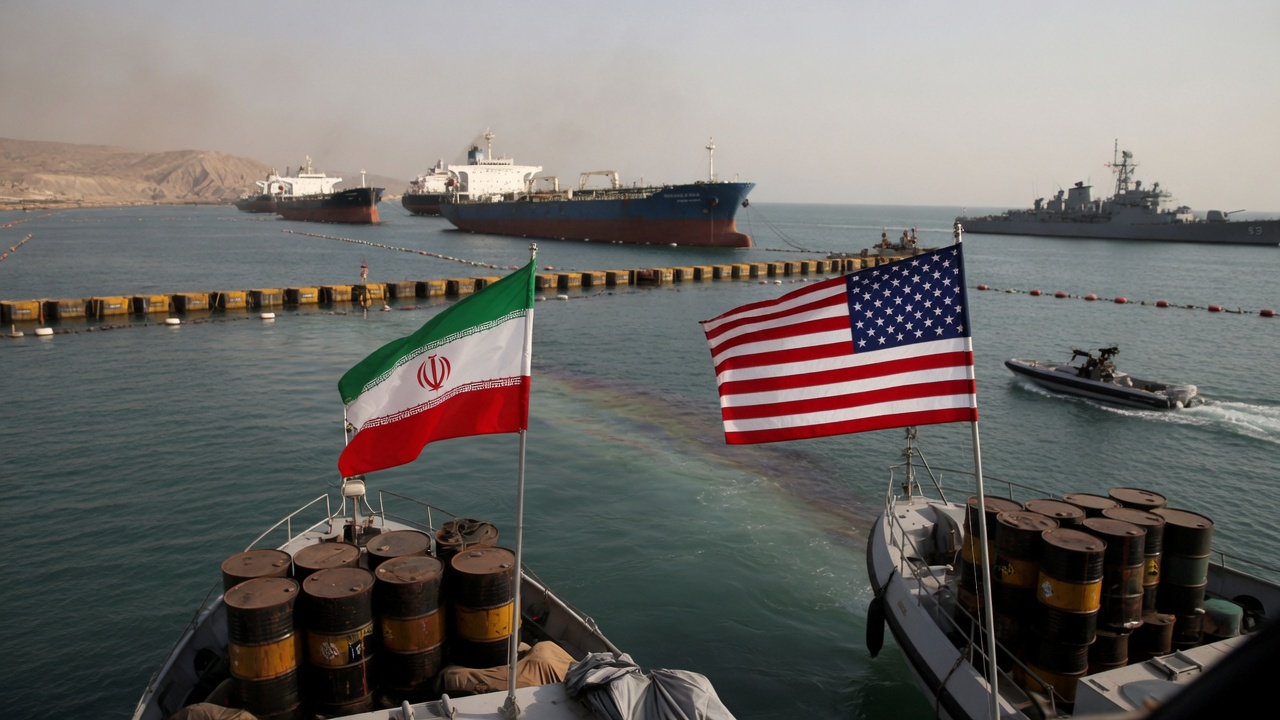
- Oil prices settled at their highest level in more than three weeks on August 18, 2026, after Iran adopted a more offensive stance and the Strait of Hormuz remained closed, while the US ruled out extending a ceasefire.
Geopolitical tensions in the Middle East have once again taken center stage in energy markets, with fading prospects for de-escalation between the US and Iran driving a sharp repricing of crude.
The closure or effective restriction of the Strait of Hormuz—a chokepoint through which roughly 20% of global oil trade passes—has revived supply disruption fears that were partially alleviated earlier in the month.
Traders are now pricing in a more prolonged standoff, pushing Brent and WTI benchmarks higher despite softer demand signals from OPEC's lowered 2026 growth forecast.
This move matters because it directly feeds into higher input costs across the economy, from transportation fuels to petrochemical feedstocks, potentially stoking inflationary pressures at a time when central banks are already navigating mixed employment data.
Energy sector equities, particularly upstream producers in the US and Canada, stand to benefit from elevated realized prices, while downstream refiners may face margin compression if crack spreads fail to keep pace.
Natural gas markets are also indirectly affected through LNG export dynamics and power generation competition.
For traders, key levels to watch include resistance near recent highs around $88-90 for Brent and any signs of tanker traffic resuming in the Strait; inventory builds from the EIA and OPEC+ compliance reports will provide additional color on whether this rally has legs or is merely a geopolitical spike.
Watch also for diplomatic updates from Washington and Tehran, as any breakthrough could trigger a swift reversal.
AI insight — what it means
Oil prices are rising because tensions with Iran are blocking a key shipping route and reducing expected supply from the Middle East. Everyday investors may see this through higher fuel and energy-related costs.
Unlock the full AI insight
Free account — takes 10 seconds.
- Why this story matters — explained simply
- How it moves prices, sectors and assets
- What traders and analysts are watching next
Share this story
Spread the signal — link, social or copy.
Related topics
Related coverage
US Threatens Indefinite Iran Blockade, Boosting Oil Supply Risk Premium
US oil producers increase output to capture price surge from Iran war
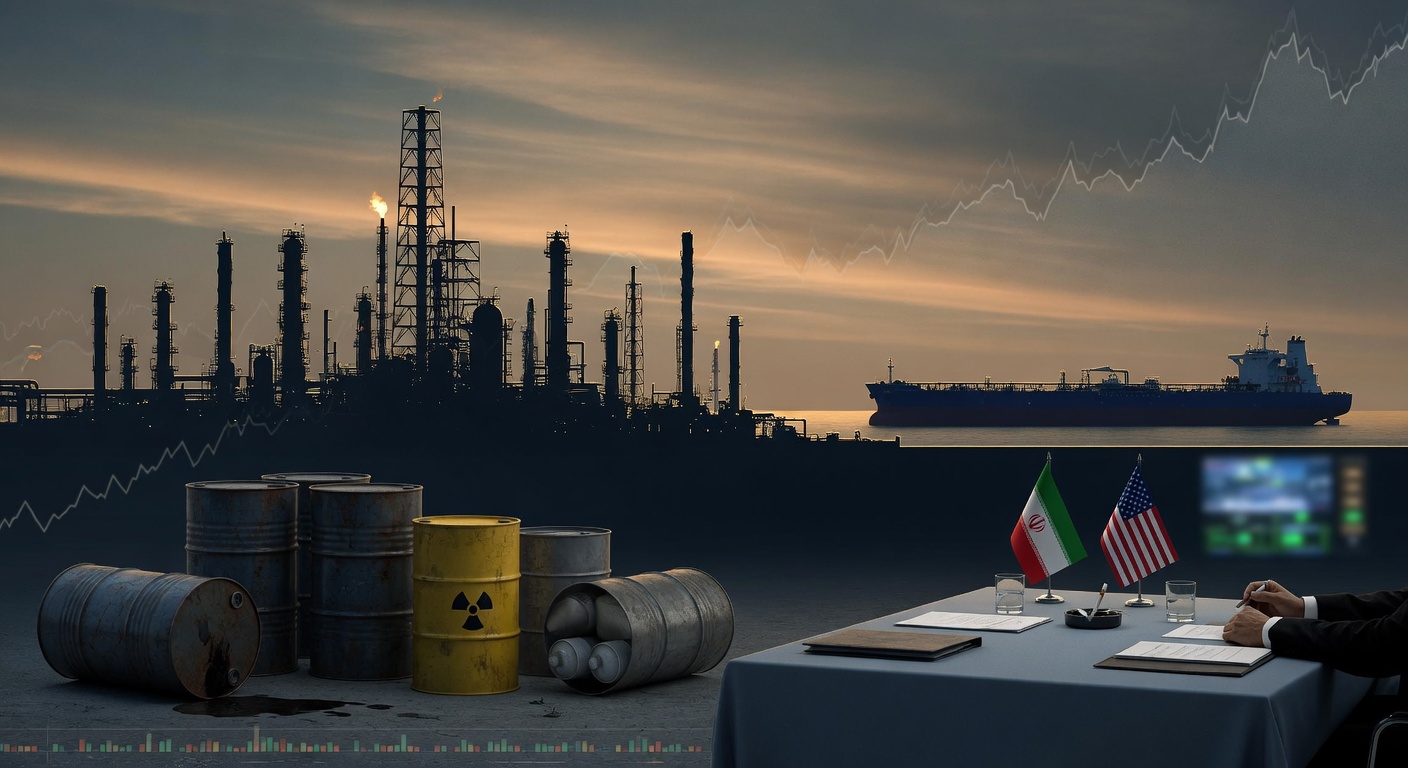
Oil Prices Rise 2% on Complications to US-Iran Peace Talks
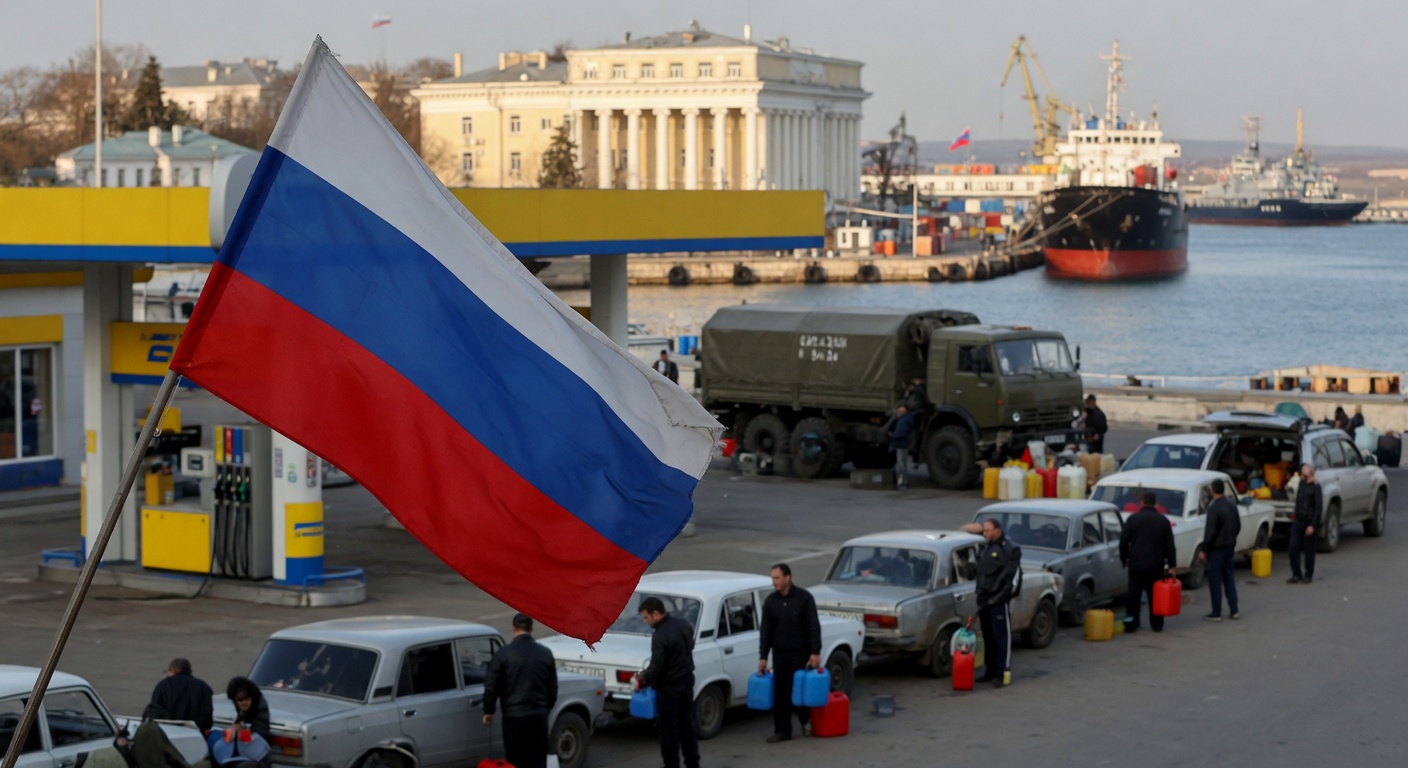
Russia introduces fuel rationing in Crimea's Sevastopol amid logistical challenges
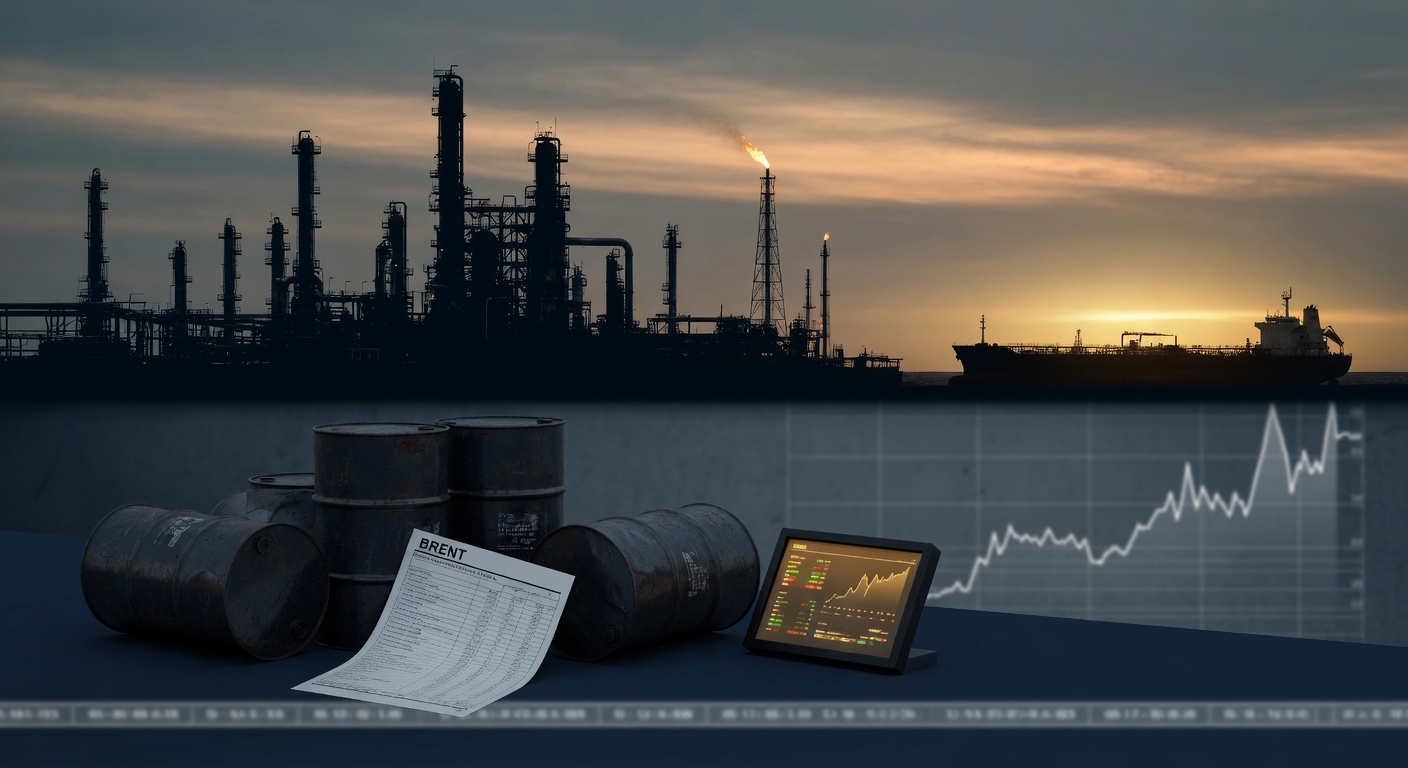
Brent crude oil rises to ~$104 amid Middle East supply concerns