Middle East Supply Disruptions and Demand Cuts Drive Oil Volatility
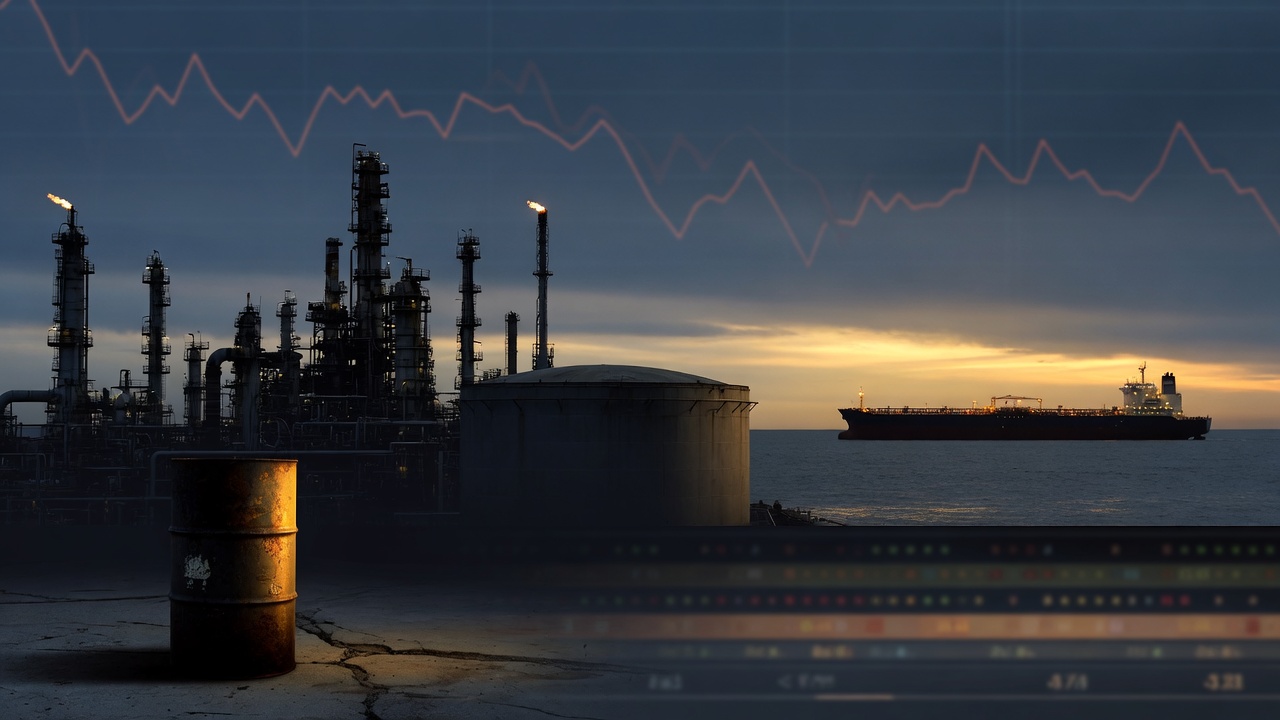
- Oil prices edged higher on August 12 amid ongoing ship attacks in the Middle East and stalled US-Iran talks, though gains were capped by OPEC and EIA cuts to 2026 demand growth forecasts.
- Large US crude inventory builds added downward pressure.
Geopolitical tensions in the Middle East remain the dominant driver for crude markets as of mid-August 2026. Attacks on vessels in the Gulf and Red Sea, combined with an impasse in diplomatic efforts to resolve the Iran conflict, have kept supply concerns elevated.
The Strait of Hormuz, through which a significant portion of global oil flows, faces persistent disruption risks, with reports indicating Saudi Red Sea exports are going dark due to Houthi threats.
This has led to an estimated 5.5 million barrels per day of Middle East output being shut in during July, according to the EIA, with some production unlikely to fully recover until 2027 or later. These physical supply constraints are supporting prices despite broader macroeconomic headwinds.
On the demand side, OPEC has revised its 2026 world oil demand growth forecast downward to just 580,000 barrels per day, reflecting weaker global consumption amid higher prices and economic uncertainty. The EIA echoed similar caution in its short-term outlook.
Compounding the pressure, US crude stocks posted their largest weekly build since January 2023, signaling ample inventories that could weigh on prices if supply fears ease. Brent futures settled around $88.98 per barrel and WTI at $83.27, reflecting modest gains but limited upside.
For traders, this story matters because it highlights the tension between geopolitical supply risks and softening demand fundamentals.
Energy sectors, particularly upstream producers and refiners, face heightened volatility, while downstream consumers like airlines and petrochemicals could see input cost swings. Agricultural commodities may indirectly feel effects through higher energy and fertilizer costs.
Next, market participants should monitor any breakthrough in US-Iran or Hormuz-related talks, upcoming EIA inventory data, and OPEC+ production decisions.
A resolution could trigger a sharp selloff, while escalation would likely push prices higher, affecting correlated assets like natural gas and precious metals as safe-haven flows increase.
AI insight — what it means
Oil prices moved slightly higher because attacks on ships in the Middle East raised worries about less supply reaching the market, while talks between the US and Iran made no progress. At the same time, forecasts for weaker oil demand in 2026 and bigger US stockpiles limited how much prices could rise.
Unlock the full AI insight
Free account — takes 10 seconds.
- Why this story matters — explained simply
- How it moves prices, sectors and assets
- What traders and analysts are watching next
Share this story
Spread the signal — link, social or copy.
Related topics
Related coverage
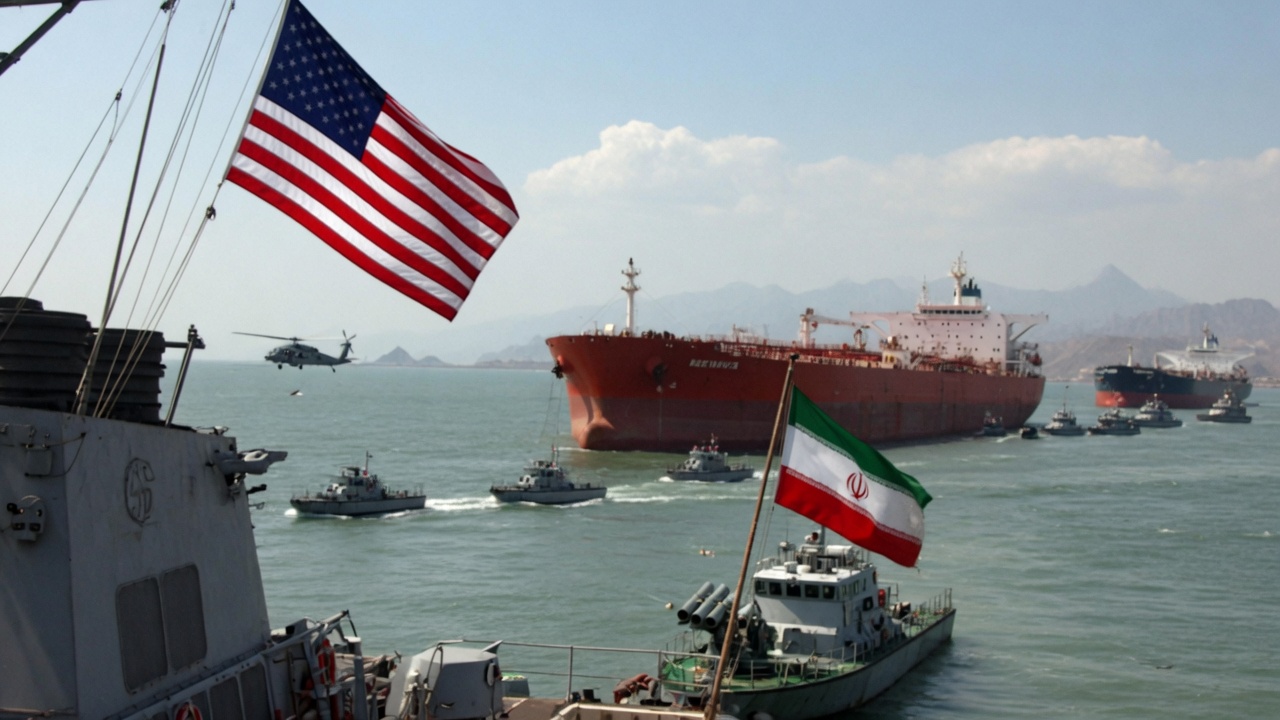
US Threatens Indefinite Iran Blockade, Boosting Oil Supply Risk Premium
US oil producers increase output to capture price surge from Iran war
Brent crude oil rises to ~$104 amid Middle East supply concerns
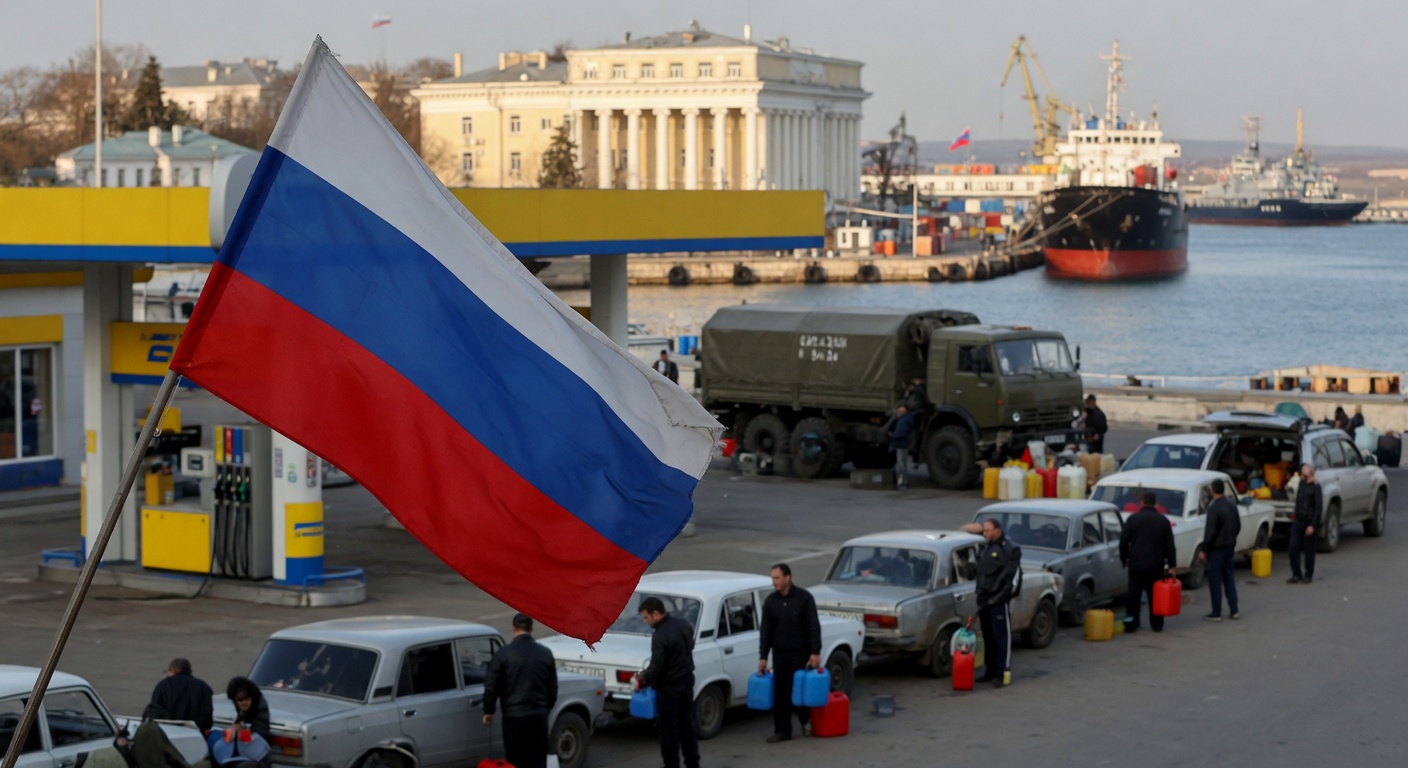
Russia introduces fuel rationing in Crimea's Sevastopol amid logistical challenges
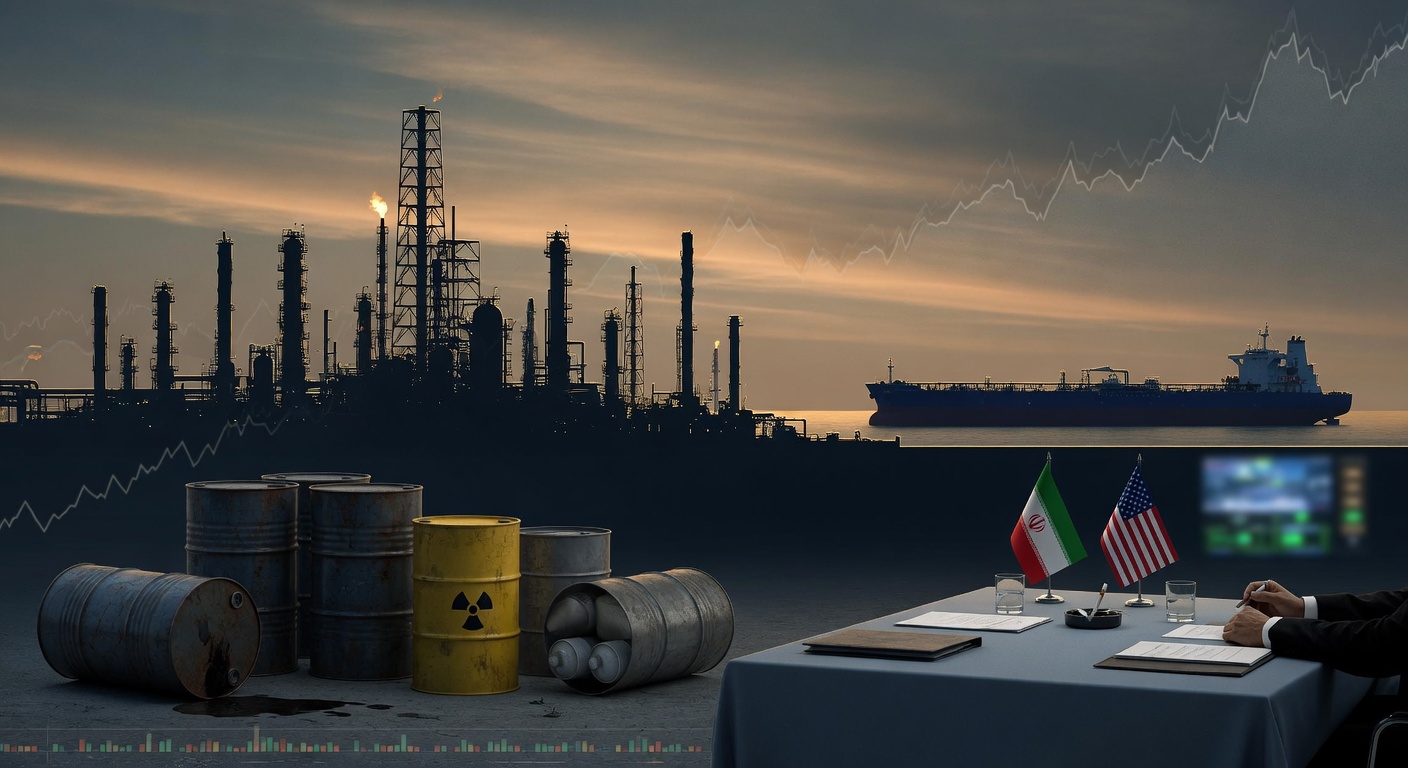
Oil Prices Rise 2% on Complications to US-Iran Peace Talks