Houthis Attack Saudi Aramco Refinery, Heightening Regional Supply Risks
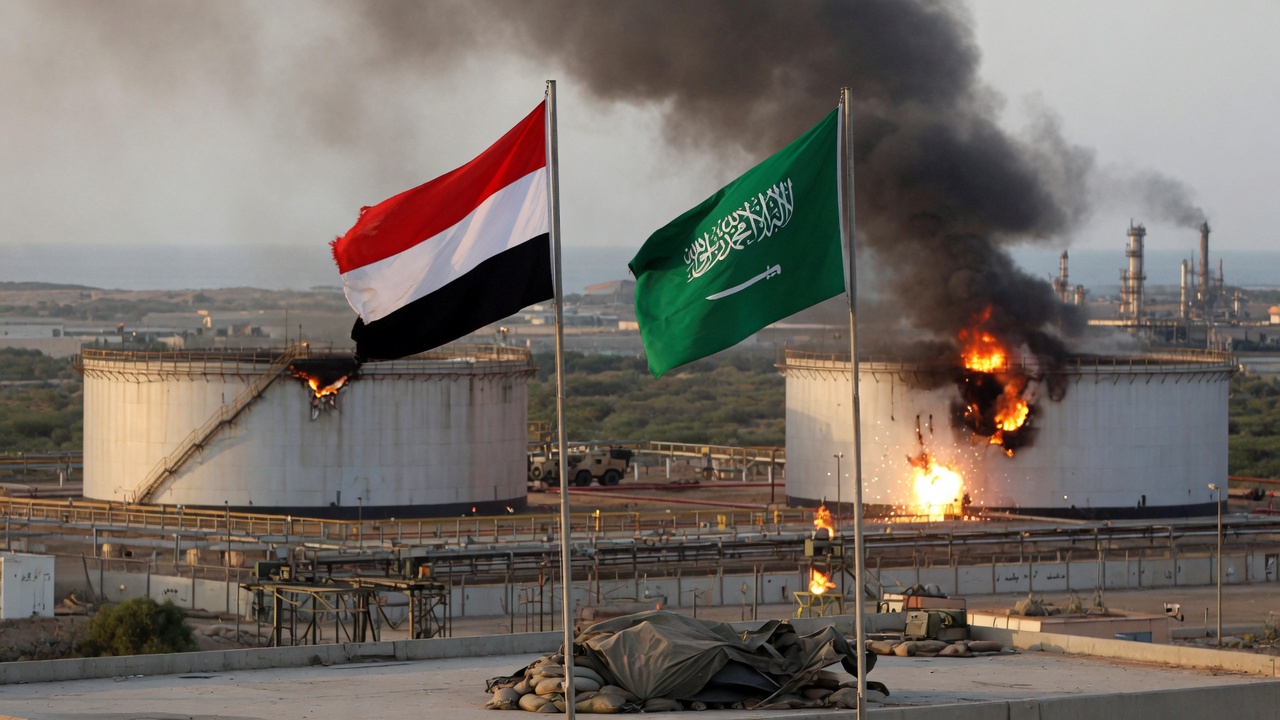
- Yemen's Houthis launched an attack on a Saudi Aramco facility in Jizan on or around August 9, 2026, shortly after the kingdom signed a defense pact, reigniting fears of disruptions to Middle East oil infrastructure.
The attack on the Aramco refinery highlights the persistent vulnerability of key energy assets in the Gulf region amid the broader Iran-related conflict spillover.
Saudi Arabia has reported that the fire was extinguished, but the incident serves as a stark reminder of how proxy actions can escalate supply concerns without direct state-on-state confrontation.
This event follows a pattern of Houthi targeting of Saudi energy sites, which historically has led to short-term price spikes and increased insurance premiums for vessels and facilities.
Refining capacity in the kingdom, a major global exporter of refined products, faces added operational risks, potentially tightening diesel and gasoline availability in export markets.
The timing, coming after a new defense pact, suggests possible retaliation dynamics that could prolong instability. Sectors impacted extend beyond crude oil to downstream fuels, with European and Asian importers particularly exposed given their reliance on Gulf supplies.
Gas markets may see indirect effects if LNG infrastructure or related shipping faces threats. For traders, this reinforces the need to price in higher geopolitical risk premiums, benefiting upstream producers with exposure to higher prices while pressuring consumers and refiners.
Watch for official Saudi statements on production impacts, any escalation in Houthi rhetoric, and responses from international shipping associations. Broader implications include potential delays in Strait of Hormuz normalization and effects on OPEC+ cohesion.
The episode illustrates how regional flashpoints can sustain bullish sentiment in energy markets even as headline crude prices appear contained by other factors like demand signals.
AI insight — what it means
An attack on a Saudi oil facility raises worries about less oil coming to market from the Middle East. This can push oil prices higher, which affects costs for fuel and many everyday goods.
Unlock the full AI insight
Free account — takes 10 seconds.
- Why this story matters — explained simply
- How it moves prices, sectors and assets
- What traders and analysts are watching next
Share this story
Spread the signal — link, social or copy.
Related topics
Related coverage

US Threatens Indefinite Iran Blockade, Boosting Oil Supply Risk Premium
US oil producers increase output to capture price surge from Iran war
Brent crude oil rises to ~$104 amid Middle East supply concerns
Russia introduces fuel rationing in Crimea's Sevastopol amid logistical challenges

Oil Prices Rise 2% on Complications to US-Iran Peace Talks