China and Saudi Adjust Oil Shipping Routes Around Hormuz Risks
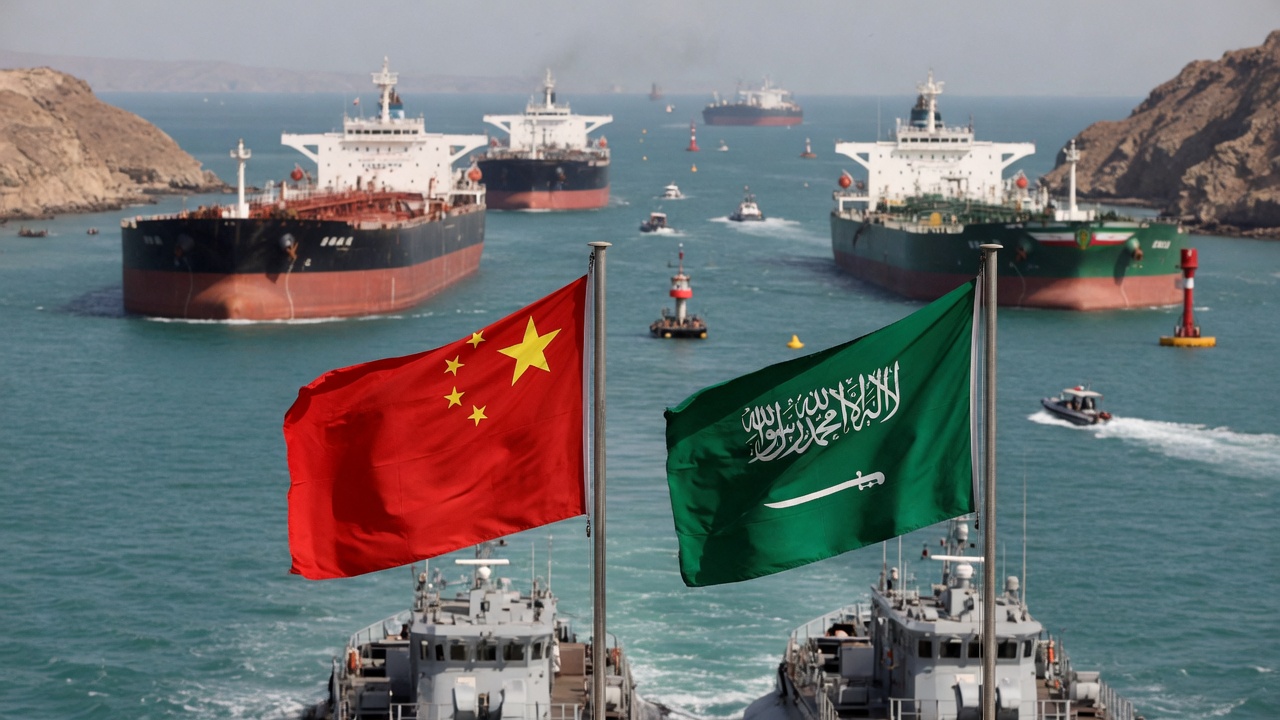
- Chinese state shippers are routing tankers outside the Gulf to avoid chokepoints while Saudi Arabia resumes loadings inside the Strait of Hormuz, highlighting adaptive supply chain responses to the conflict.
These logistical shifts underscore the market's focus on physical oil flows amid the prolonged Hormuz standoff. Chinese moves to deploy vessels externally reduce exposure but may raise costs and extend voyage times, tightening near-term availability in Asia.
Saudi resumption of loadings from within the strait signals confidence in current conditions yet leaves the situation vulnerable to sudden changes. The adjustments affect tanker rates, insurance premiums, and regional refining margins, with knock-on effects for global crude differentials.
Oil majors and traders must navigate higher operational risks, potentially favoring longer-term contracts or alternative sourcing. Energy infrastructure and shipping equities could see mixed impacts depending on resolution speed.
Watch for updates on actual transit volumes, insurance market reactions, and any expansion of rerouting to other producers. This dynamic reinforces the bullish bias in oil while illustrating how market participants are mitigating rather than exiting the region entirely.
Prolonged adaptations could embed a structural premium into prices even if tensions ease modestly.
AI insight — what it means
Oil shippers from China are moving tankers away from a narrow sea passage to lower risks from conflict, while Saudi Arabia keeps using that passage. This shows companies adapting to keep oil flowing, which can affect energy prices and related investments for regular investors.
Unlock the full AI insight
Free account — takes 10 seconds.
- Why this story matters — explained simply
- How it moves prices, sectors and assets
- What traders and analysts are watching next
Share this story
Spread the signal — link, social or copy.
Related topics
Related coverage
US Threatens Indefinite Iran Blockade, Boosting Oil Supply Risk Premium
US oil producers increase output to capture price surge from Iran war
Brent crude oil rises to ~$104 amid Middle East supply concerns
Russia introduces fuel rationing in Crimea's Sevastopol amid logistical challenges
Oil Prices Rise 2% on Complications to US-Iran Peace Talks