World Food Prices Hit 3-Year High in July on Weather and Conflict

- The UN FAO reported that global food prices rose to their highest level in over three years in July, driven by adverse weather conditions and escalating conflicts affecting key grain-producing regions.
Agricultural commodity markets are facing renewed upward pressure as the latest FAO index reading confirms broad-based gains across cereals, dairy, and oils.
Weather disruptions including heatwaves in Europe and variable monsoon patterns have damaged crops such as wheat and corn, while geopolitical tensions in the Black Sea and Middle East have compounded supply chain frictions.
Wheat futures have shown particular strength, with December contracts advancing amid concerns over export availability from major producers. This environment benefits grain traders and farmers with remaining inventories but raises input costs for livestock operations and food processors.
Broader impacts extend to consumer inflation metrics, potentially influencing central bank decisions, and to biofuel demand that competes for feedstocks like soybeans and corn.
The report notes that war-related logistics issues continue to weigh on trade flows, sustaining premiums for nearby delivery. Sectors most exposed include agribusiness conglomerates, fertilizer producers, and global shipping firms handling bulk commodities.
Traders should track upcoming harvest reports, weather forecasts for the Northern Hemisphere, and any policy responses from governments regarding export restrictions or subsidies. Monitoring FAO updates and USDA crop condition data will be critical for positioning in futures and options.
This story is significant because rising food costs have direct societal implications, exacerbating food security challenges in vulnerable regions and feeding into overall cost-of-living pressures that can shape political and economic narratives globally.
AI insight — what it means
Higher global food prices mean groceries like bread and grains will likely cost more for shoppers. Investors in agricultural products may see price gains because bad weather and conflicts are limiting supply.
Unlock the full AI insight
Free account — takes 10 seconds.
- Why this story matters — explained simply
- How it moves prices, sectors and assets
- What traders and analysts are watching next
Share this story
Spread the signal — link, social or copy.
Related topics
Related coverage
US Threatens Indefinite Iran Blockade, Boosting Oil Supply Risk Premium
US oil producers increase output to capture price surge from Iran war
Brent crude oil rises to ~$104 amid Middle East supply concerns
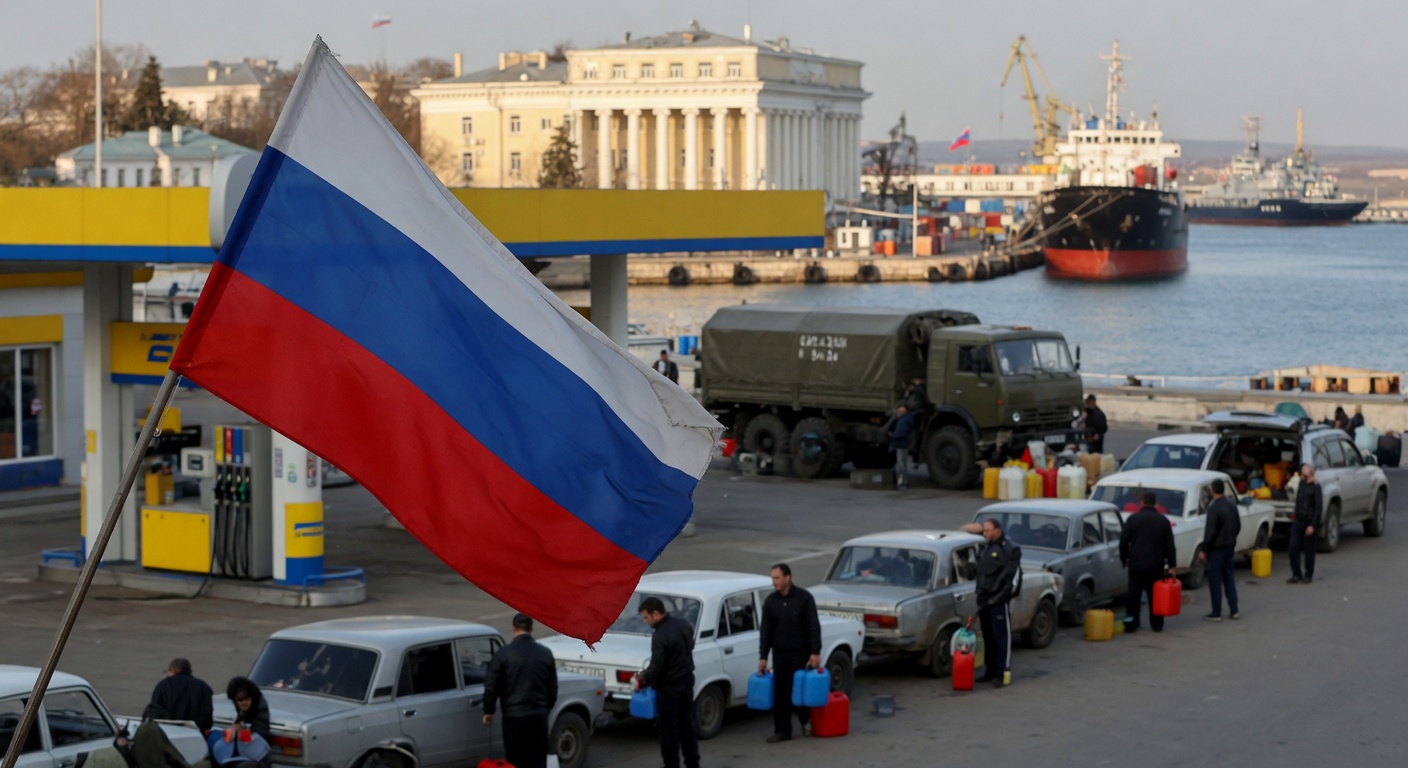
Russia introduces fuel rationing in Crimea's Sevastopol amid logistical challenges
Oil Prices Rise 2% on Complications to US-Iran Peace Talks