Ukraine Drone Strikes Hit Caspian Pipeline Oil Loadings
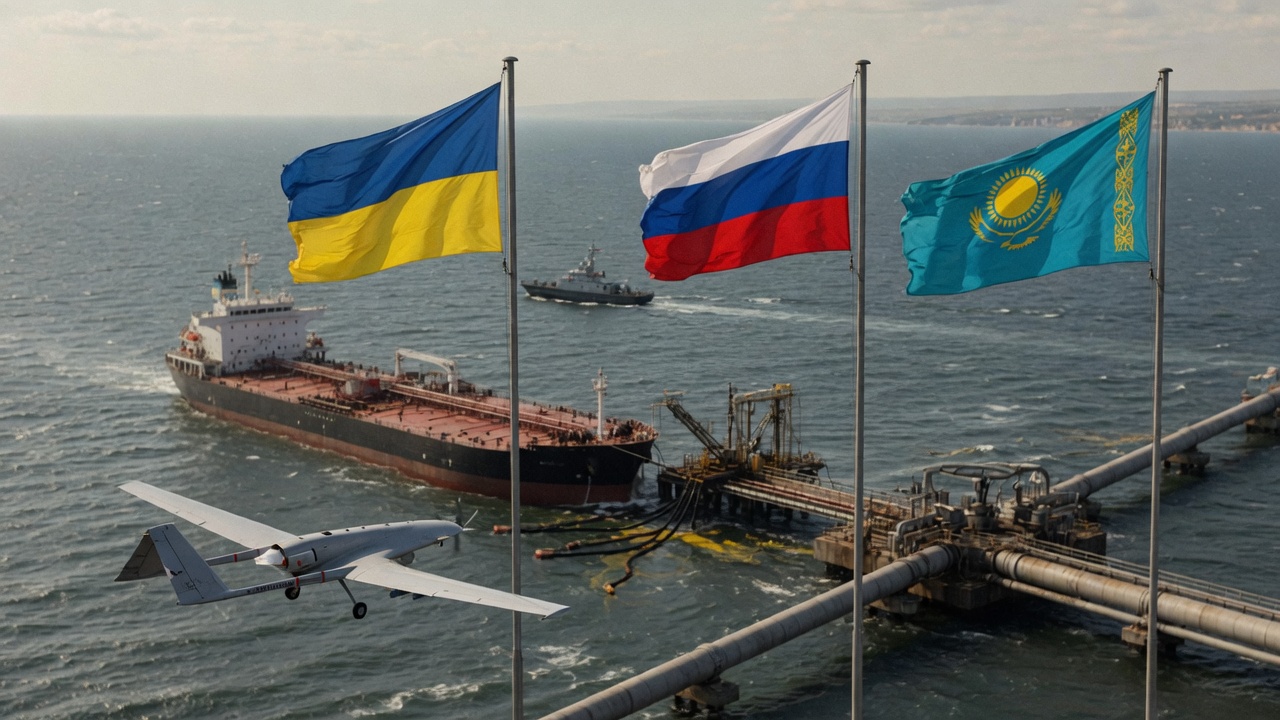
- Drone attacks in the Black Sea reduced July CPC oil loadings by one-fifth, prompting US-brokered assurances that Ukraine will spare non-Russian tankers and key infrastructure for Kazakhstan exports.
Supply chain risks in the Black Sea intensified with new details emerging on the impact of recent Ukrainian drone strikes against the Caspian Pipeline Consortium (CPC) system, which carries Kazakh and Western major oil exports.
Loadings fell by about 20% in July due to the attacks, directly squeezing available crude volumes heading to global markets.
In response, US officials announced that Ukraine has agreed to avoid targeting certain non-Russian tankers and critical Black Sea export infrastructure going forward, aiming to stabilize flows without halting pressure on Russian energy revenues.
This development underscores how the Russia-Ukraine conflict continues to spill over into third-party oil logistics, affecting majors like Chevron and ExxonMobil with stakes in the region.
The story is market-moving because CPC represents a vital non-OPEC supply route; any prolonged reduction supports higher prices and prompts buyers to seek alternatives from the Middle East or US shale.
Affected assets include Brent and WTI benchmarks, with natural gas markets indirectly impacted via broader energy security concerns. Traders should watch for follow-through compliance on the US-Ukraine understanding, upcoming CPC loading schedules, and any retaliatory Russian moves.
Refiners in Europe and Asia may face tighter feedstock availability, favoring bullish positioning in futures while monitoring geopolitical de-escalation signals. Agricultural commodities see limited direct spillover but could feel secondary effects through higher transport costs.
Share this story
Spread the signal — link, social or copy.
Related topics
Related coverage

Oil Prices Volatile on Uncertainty Over US-Iran Deal Resolution
On May 21, Brent crude settled at $102.58 per barrel down $2.44 (2.3%) and WTI at $96.35 down $1.90 (1.9%), with prices whipsawing amid uncertainty over prospects for ending the US-Israeli conflict with Iran and supply disruptions via the Strait of Hormuz.
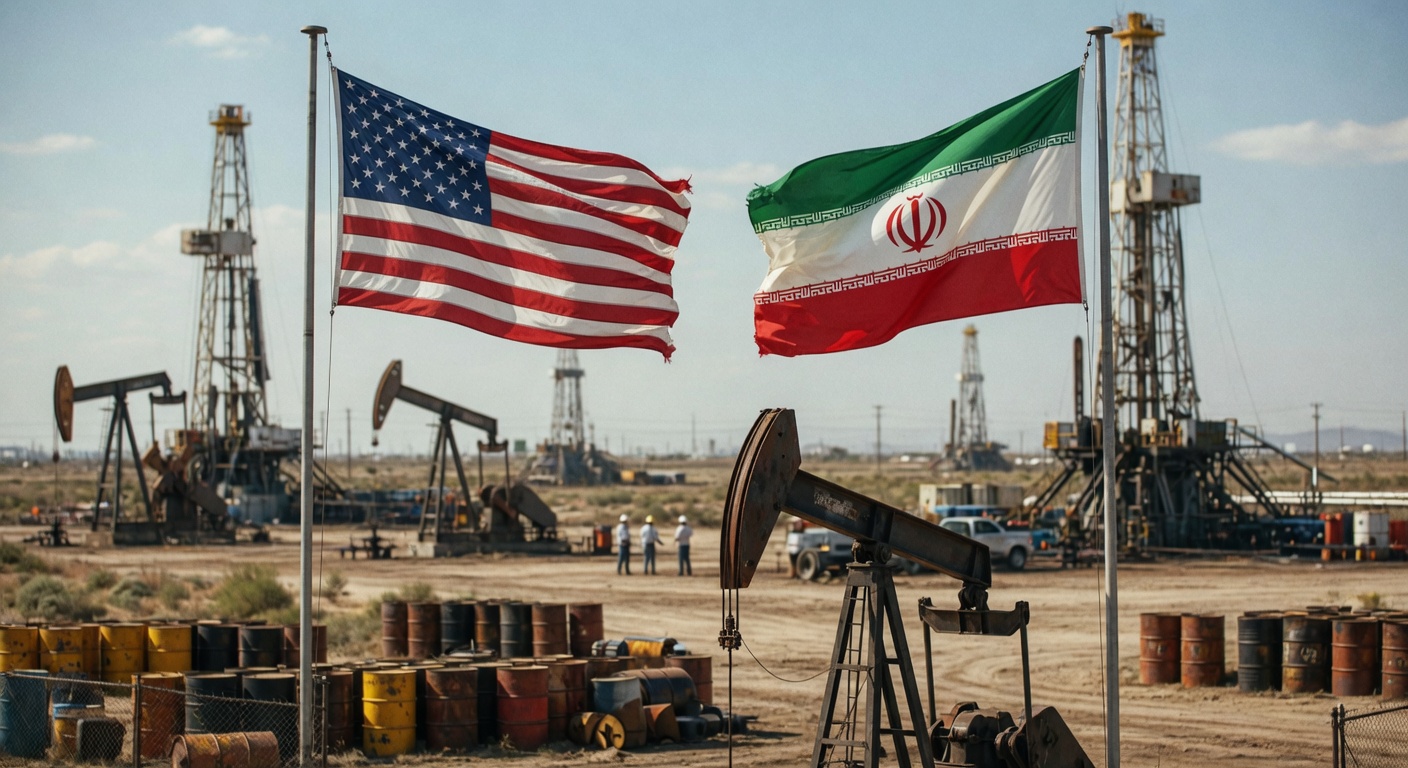
US oil producers increase output to capture price surge from Iran war
US oil producers are ramping up output to take advantage of higher crude prices driven by the ongoing Iran conflict. This development was reported on May 23, 2026.

Oil Prices Rise 2% on Complications to US-Iran Peace Talks
Oil prices rose over 2% on May 21 as Iran's Supreme Leader directed that near-weapons-grade uranium must stay in the country, complicating potential US-Iran deals. Brent crude gained $1.95 to around $106.97 per barrel and WTI rose to $100.61.
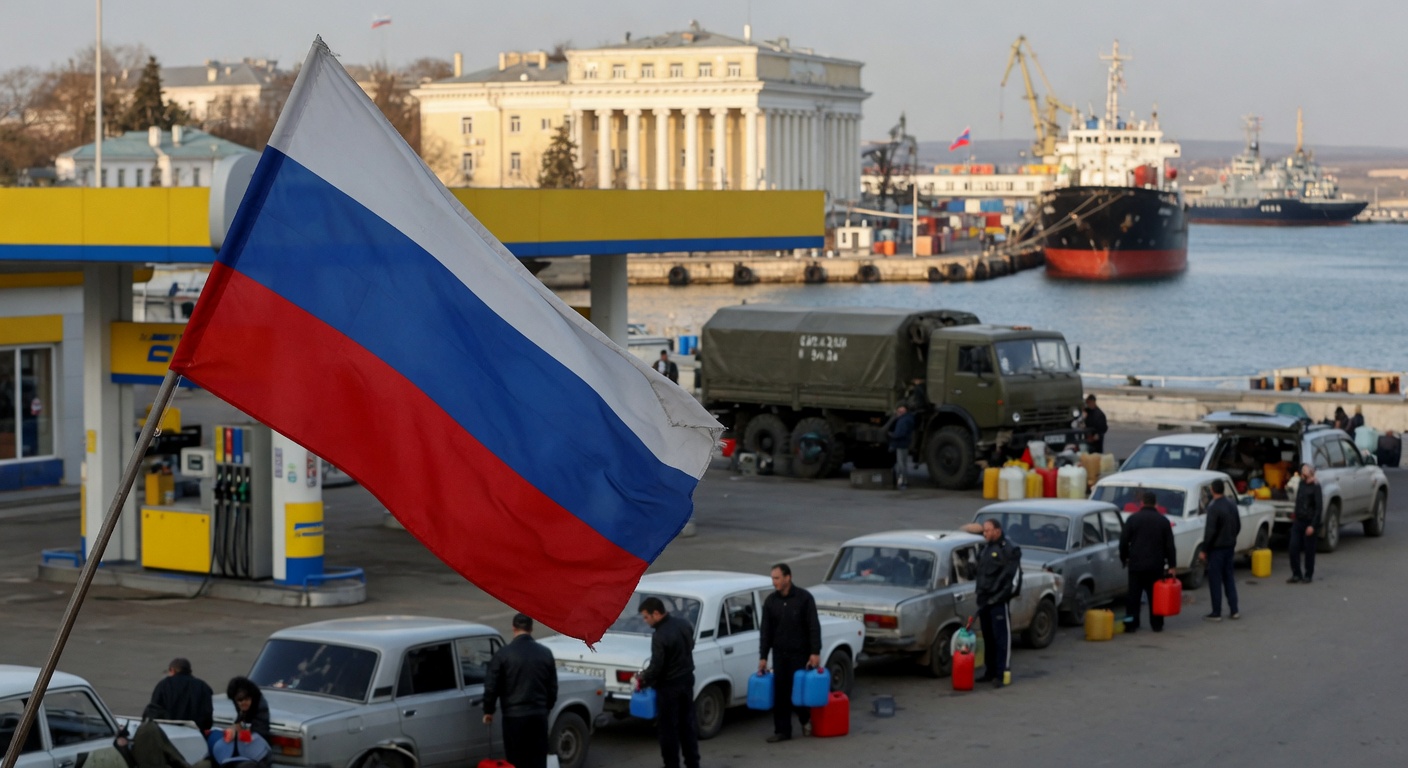
Russia introduces fuel rationing in Crimea's Sevastopol amid logistical challenges
Russia has introduced fuel rationing for cars in the port city of Sevastopol in Russian-occupied Crimea due to logistical challenges, according to the local governor on May 23, 2026. This follows ongoing Middle East tensions affecting energy supplies.

Brent crude oil rises to ~$104 amid Middle East supply concerns
On May 22, 2026, Brent crude futures settled around $104.25, up 0.69-0.95% for the day, with WTI near $97, as ongoing geopolitical tensions in the Middle East continue to support prices despite some volatility from earlier peace talk reports.

Oil Prices Fall More Than 1% as Iran Reviews Proposed US Agreement
Brent crude futures dropped over 1% to around $93.85-$94.29 per barrel and WTI fell to $91.07-$91.34 amid reports that Iran is reviewing a proposed US agreement to halt conflict, following previous session gains.