EUR/USD News & Market Digest
EUR/USD news and ECB/Fed divergence.
ECB Set for June 11 Rate Hike as Eurozone Inflation Hits 3.2%
Eurozone inflation rose to 3.2% in May, its highest since September 2023, with core inflation accelerating to 2.5%; a Reuters poll shows over 90% of economists expect the ECB to raise its deposit rate by 25bp to 2.25% on June 11, with more than 60% seeing another hike in September.
ECB June Rate Hike a Done Deal, Another Likely in September
Eurozone inflation rose to 3.2% in May from 3.0%, driven by energy costs up 10.9% and core inflation to 2.5%. A Reuters poll shows over 90% of economists expect the ECB to hike its deposit rate by 25bp to 2.25% on June 11, with another increase likely in September.
ECB Chief Economist Signals Prolonged Eurozone Inflation Above 2% Target
Philip Lane stated eurozone inflation remains in a mid-sized shock above 3% for the rest of the year despite energy price declines, calling for a measured policy response; ECB's Pierre Wunsch kept open the possibility of a July rate hike.
ECB Vigilant on Second-Round Inflation Effects
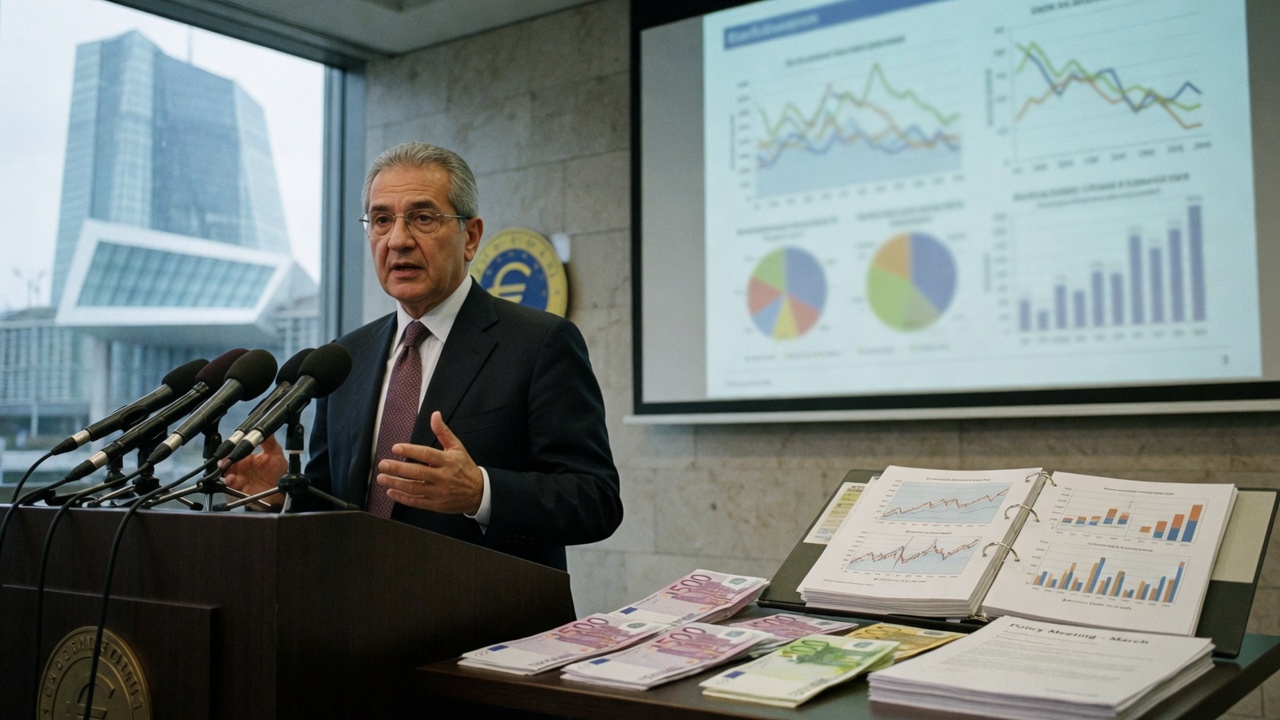
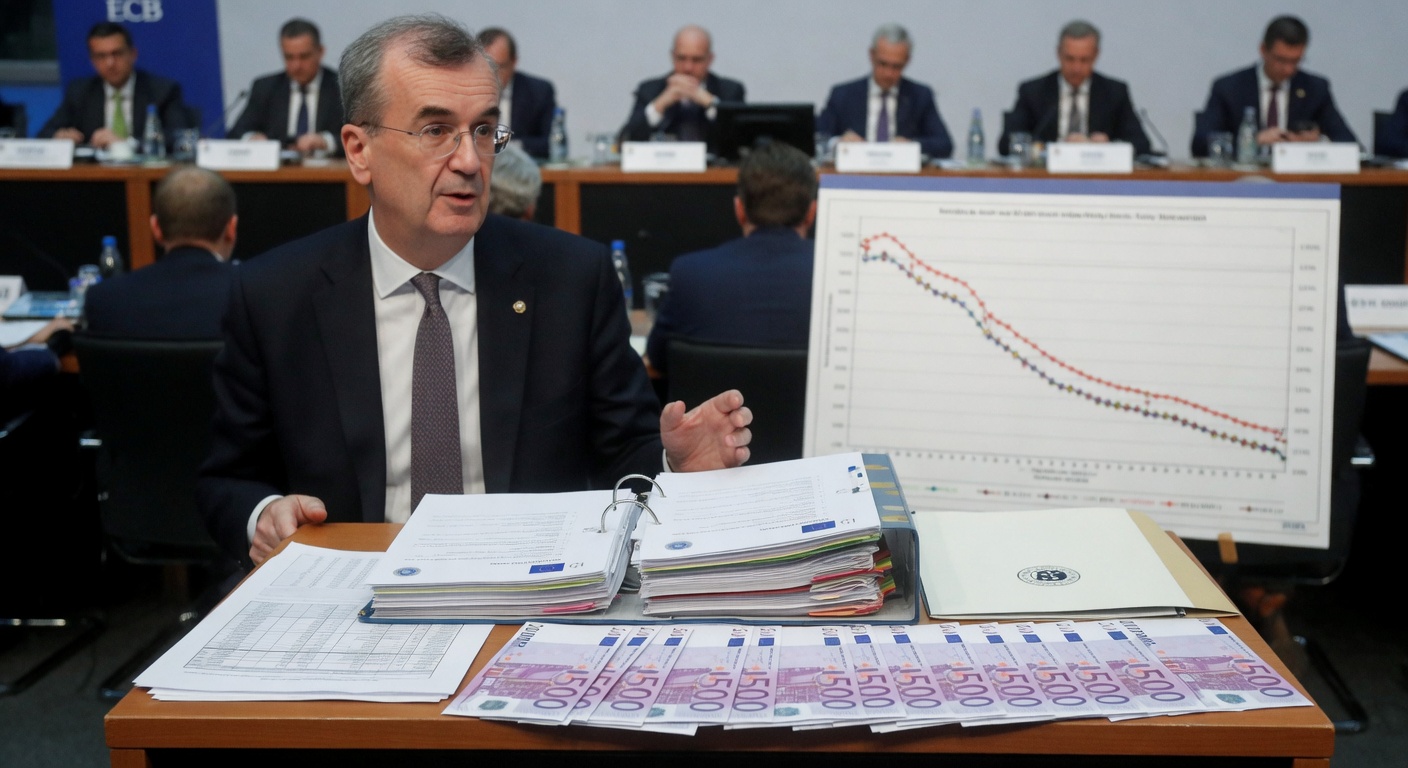
Outgoing ECB Governing Council member Francois Villeroy de Galhau stated no second-round effects from energy cost spikes have been seen yet in the euro area but the bank remains extremely vigilant on rising inflation expectations. Another ECB policymaker, Yiannis Stournaras, indicated more restrictive monetary policy may be needed if inflation overshoots the target significantly.
ECB Holds Rates at 2.25% but Signals Possible Future Hikes on Oil-Driven Inflation
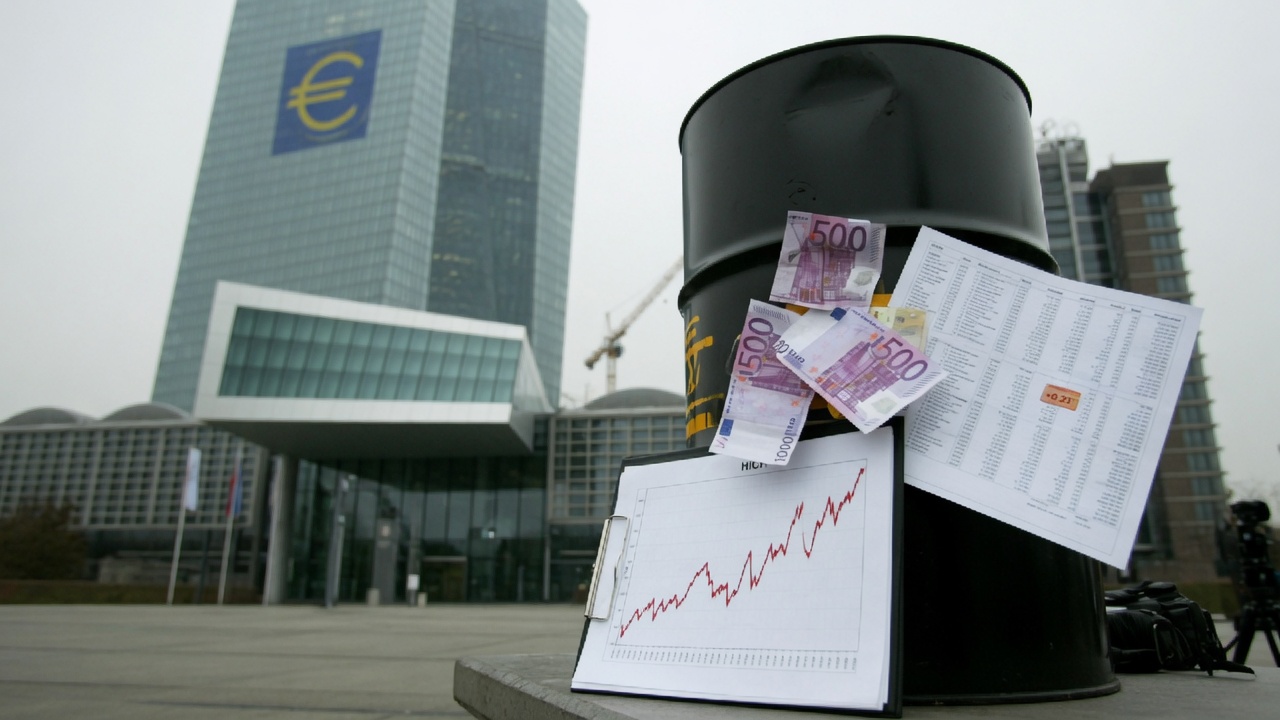
The European Central Bank kept its deposit rate unchanged at 2.25% on July 23 while leaving the door open to resuming rate hikes as surging oil prices from Middle East conflict threaten to reignite inflation pressures. Policymakers highlighted upside risks to inflation and are monitoring the shock's duration and second-round effects.
ECB Member Stournaras: Rate Hike May Be Inevitable to Preserve Credibility
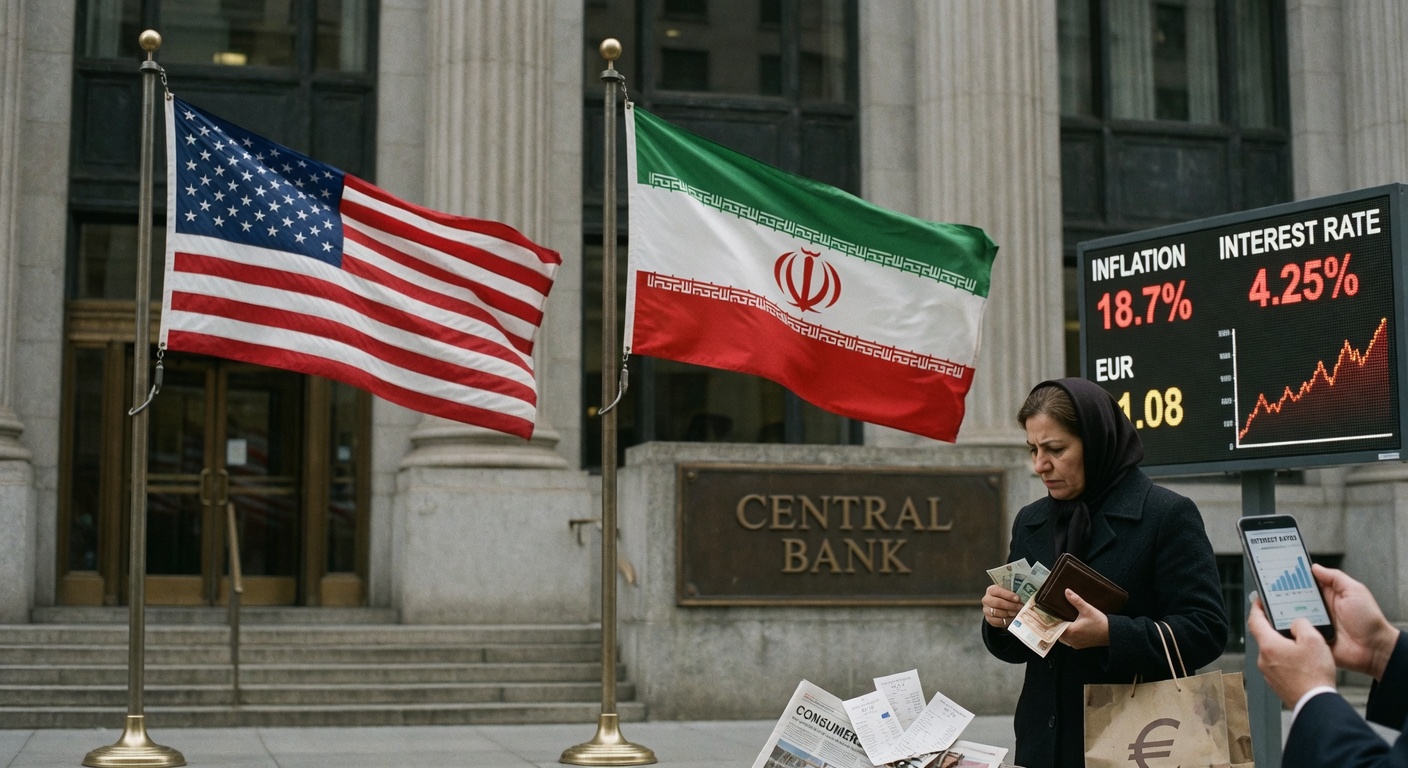
Governing Council member Yannis Stournaras said preserving ECB credibility strongly favors an interest-rate increase next month, as inflation prospects worsen without a US-Iran peace deal and euro-area consumers may question policymakers' resolve.
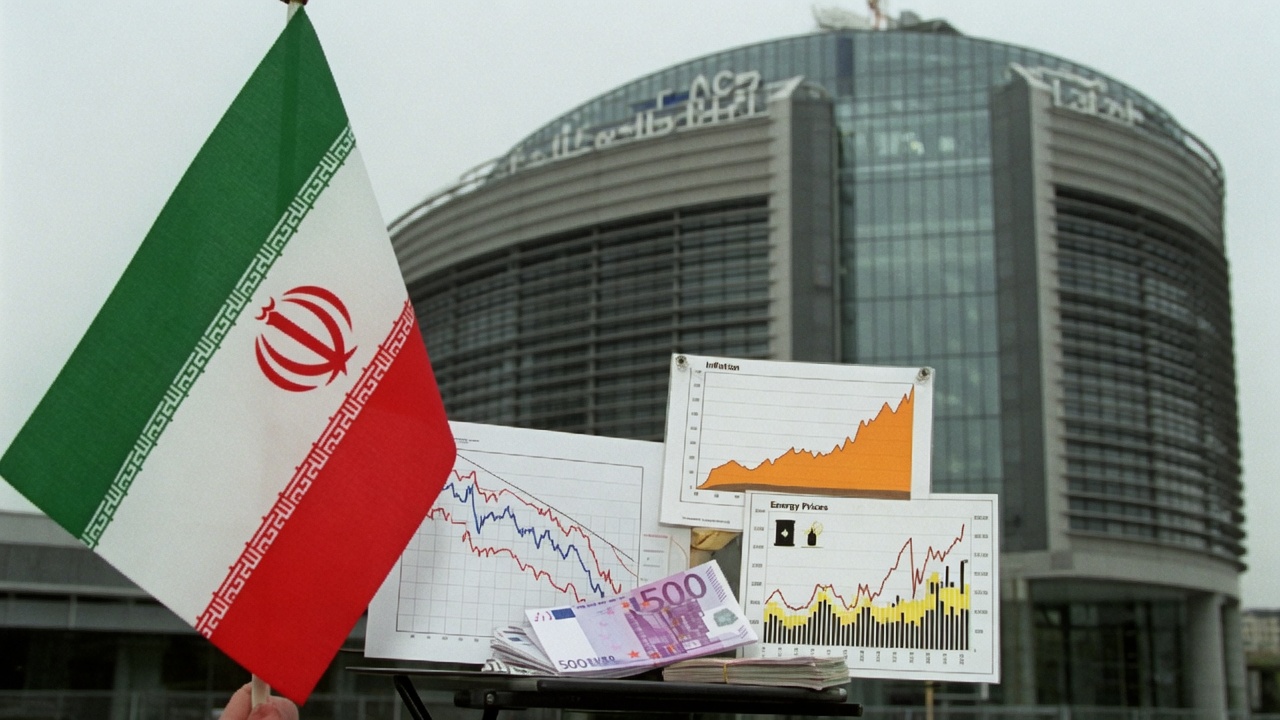
ECB Raises Rates for First Time in Nearly Three Years
On June 11, the European Central Bank hiked its deposit facility rate by 25 basis points to 2.25% to counter inflation from the Iran war energy shock before it spreads further. New baseline projections put eurozone inflation at 3.0% for 2026, 2.3% in 2027, and 2.0% in 2028.
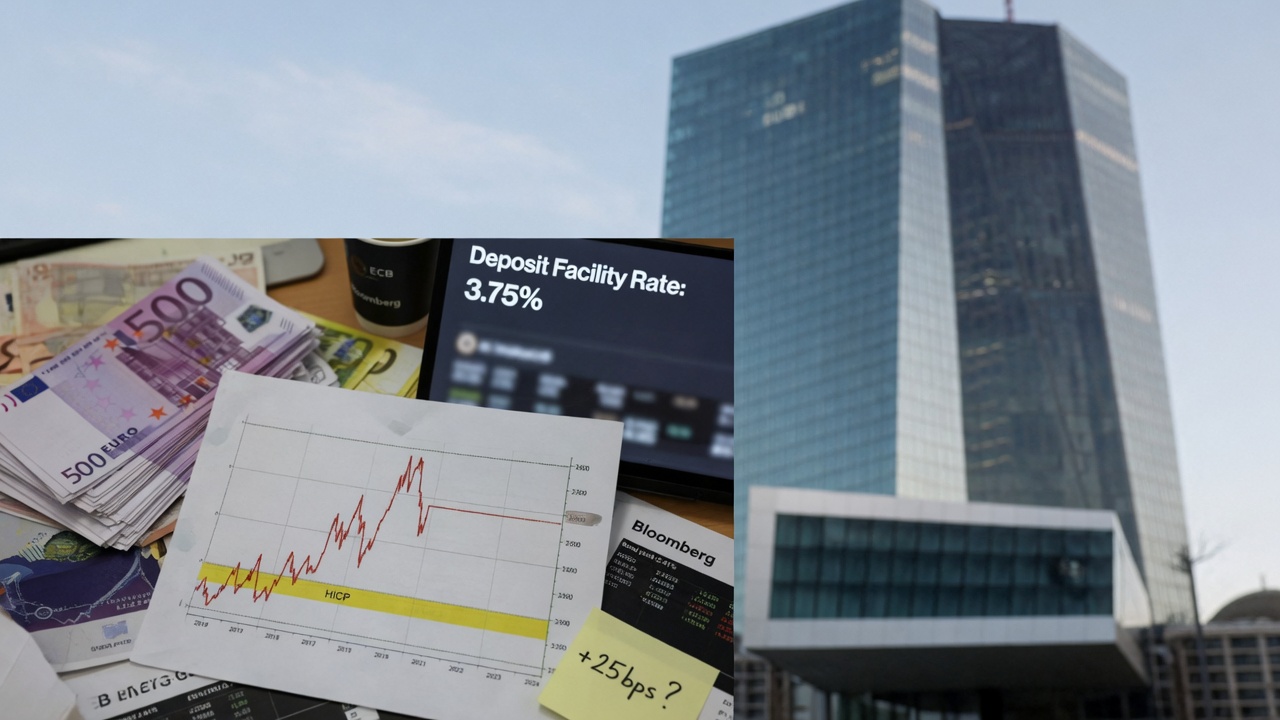
ECB Likely to Raise Rates Next Week on Persistent Inflation
Eurozone inflation rose to 3.2% in May, its highest since September 2023, driven by energy and services prices, cementing expectations for a 25bp ECB deposit rate hike to 2.25% on June 11. Markets price in a 91% probability of the move.
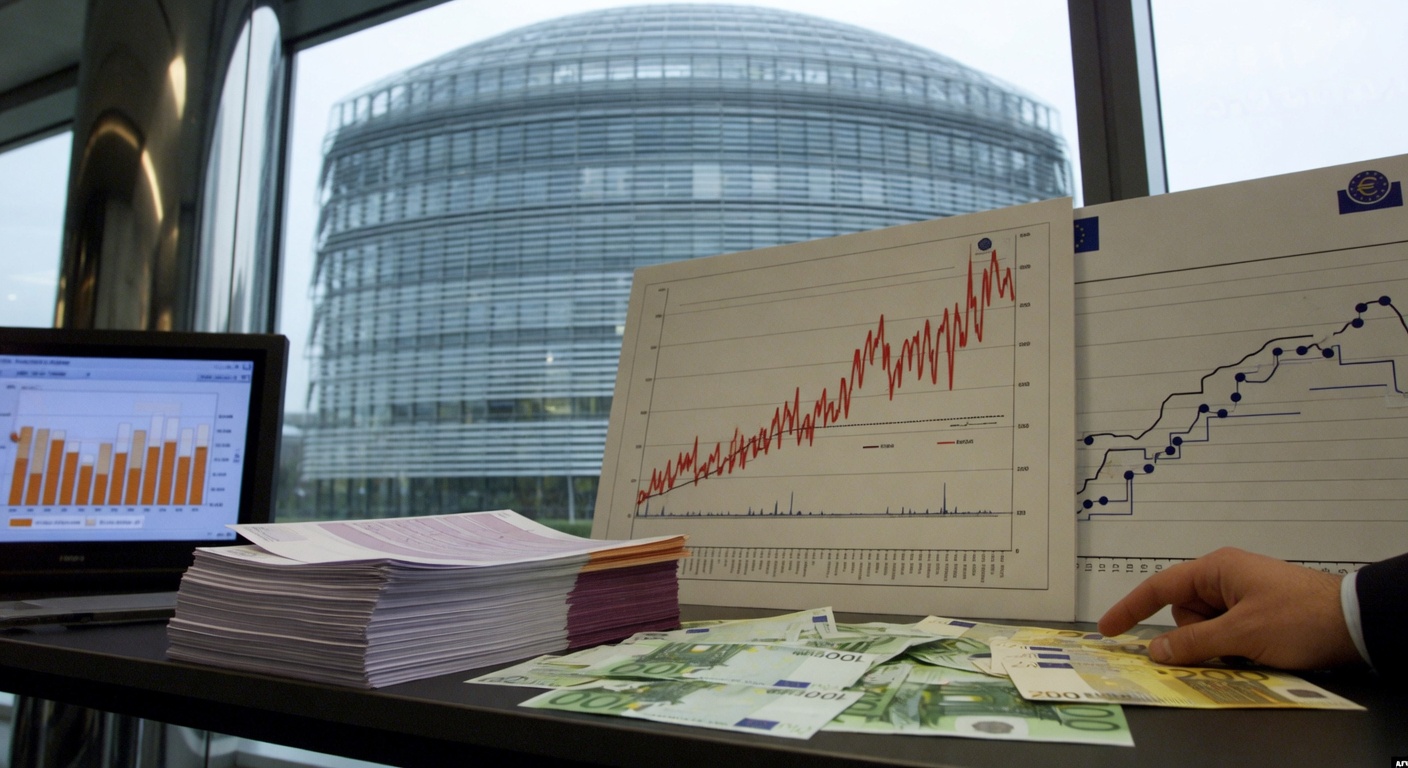
Eurozone Inflation Rises to 3.2%, Cementing ECB June Rate Hike
Eurozone inflation accelerated to 3.2% in May from 3.0%, driven by a 10.9% rise in energy costs and services inflation jumping to 3.5%. Economists overwhelmingly expect the ECB to raise its deposit rate by 25bp to 2.25% on June 11, with another hike likely in September.
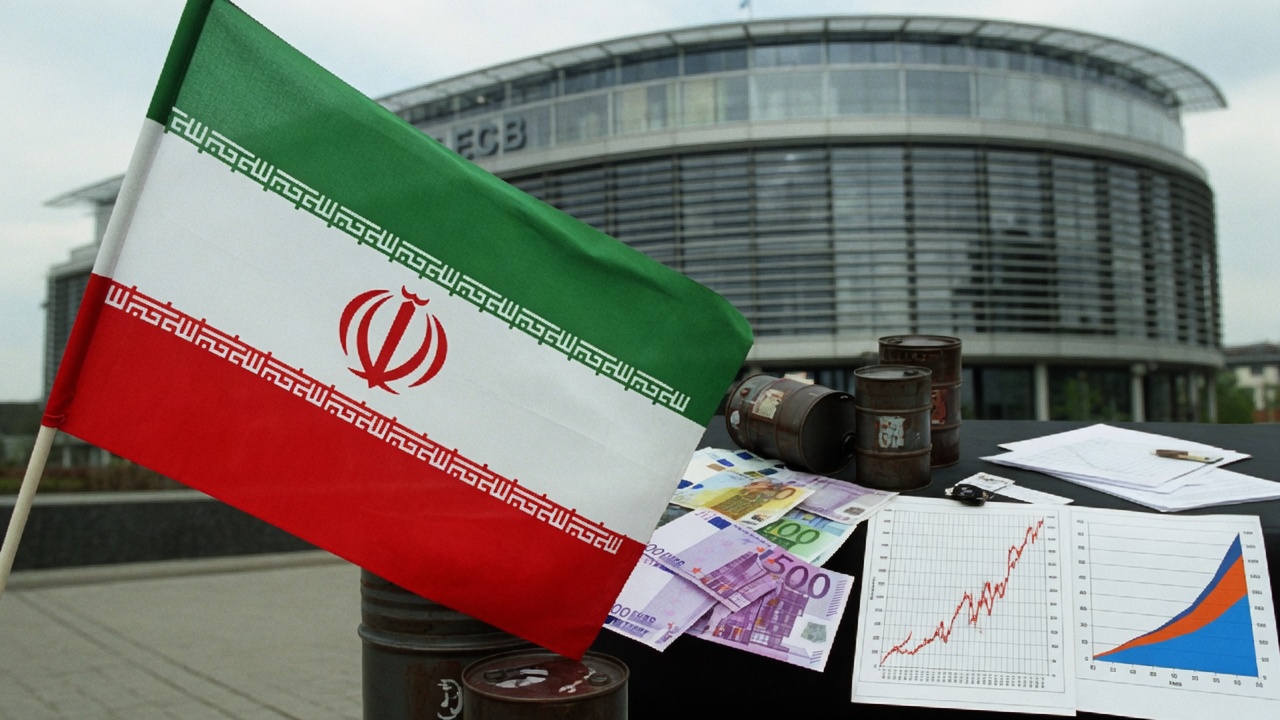
ECB Raises Key Rate to 2.25% for First Time in Nearly Three Years
The European Central Bank hiked its benchmark deposit rate by 25 basis points to 2.25% on June 11, citing inflation pressures from higher energy costs linked to the Iran conflict. It raised its 2026 inflation forecast to 3% while trimming the GDP growth outlook marginally to 0.8%.
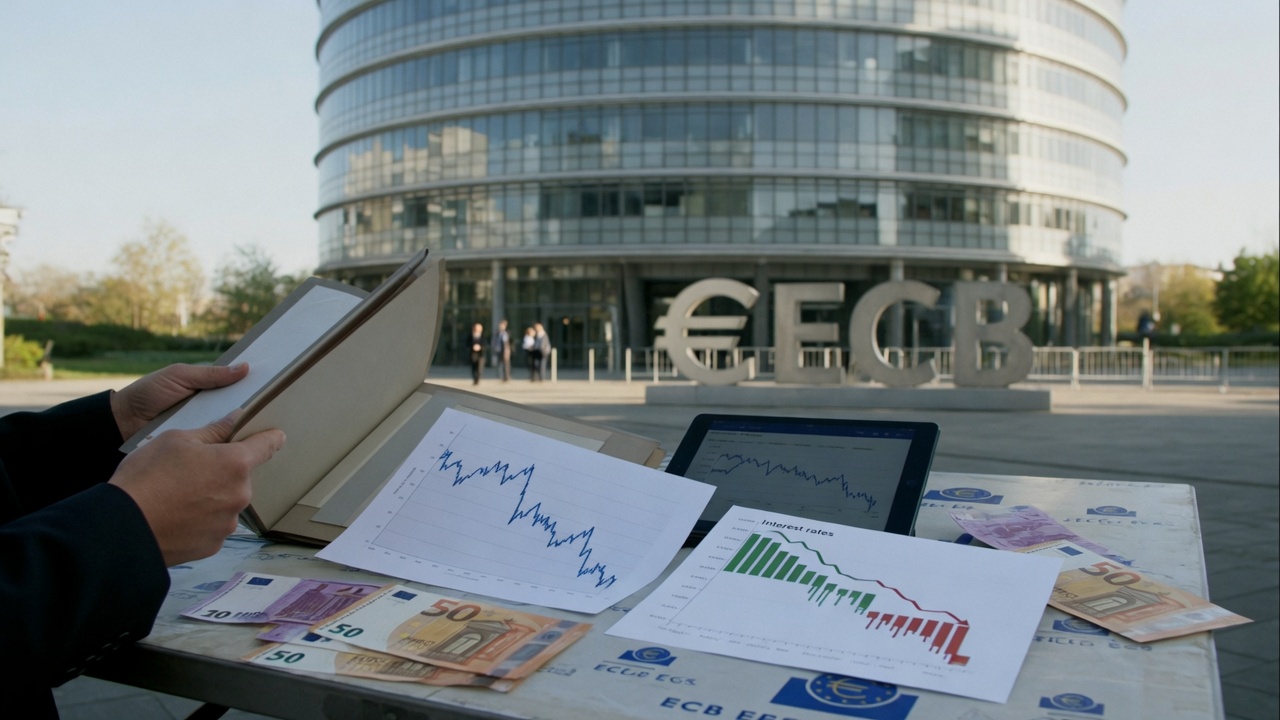
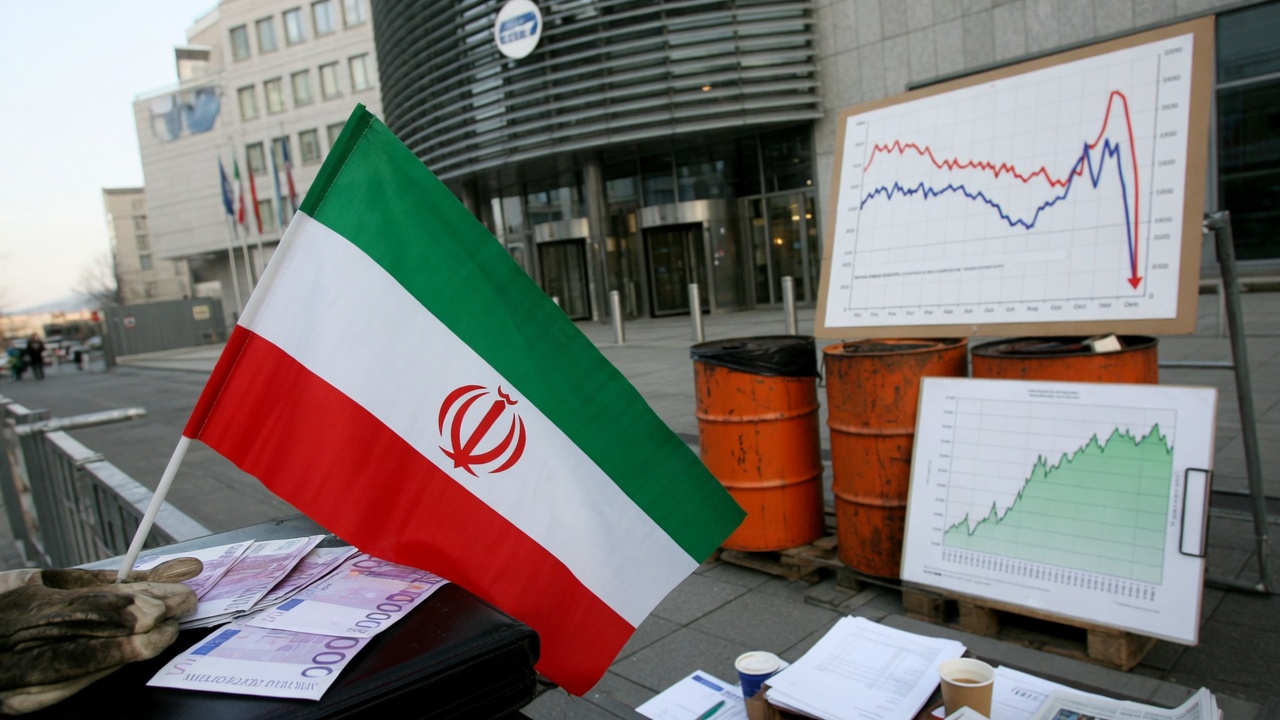
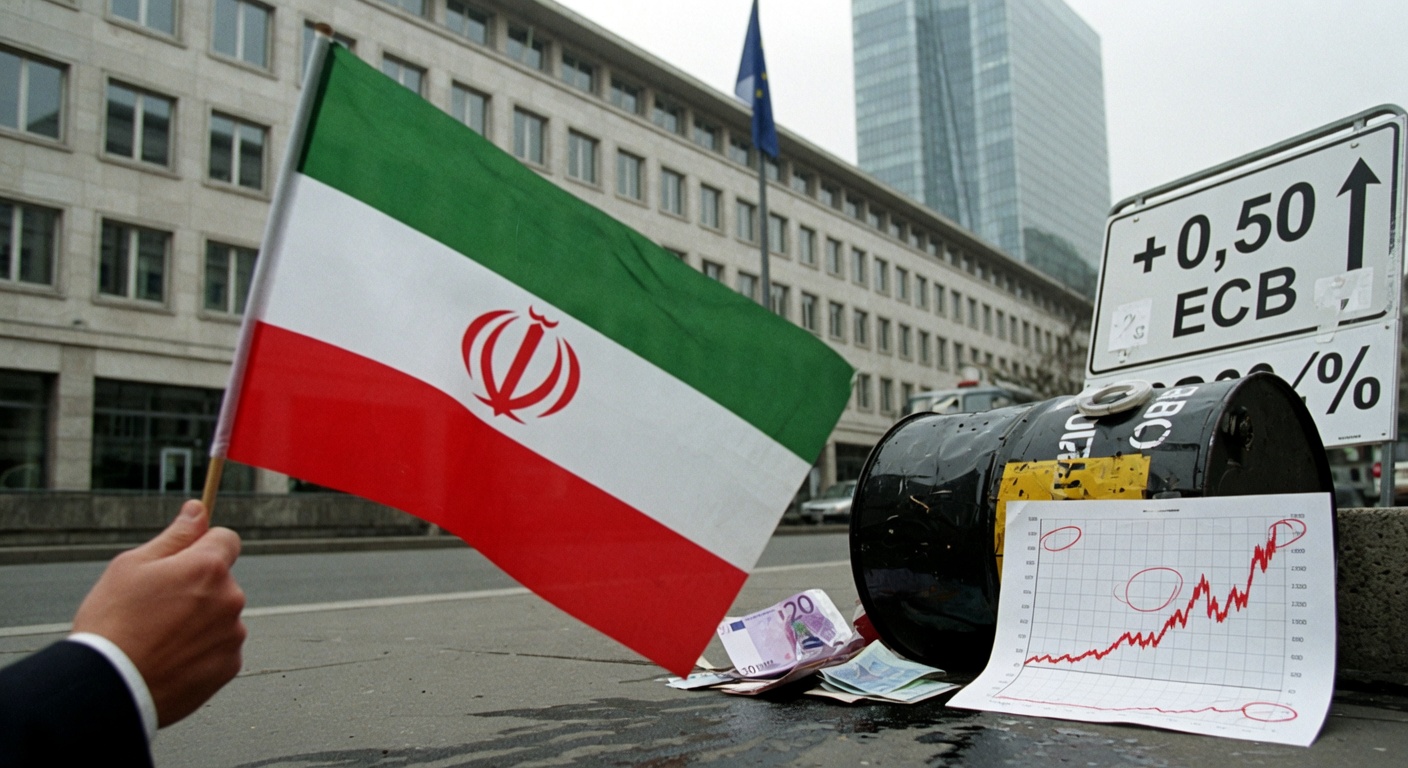
ECB Holds Rates at 2% Amid Rising Inflation Risks from Energy Shock
The European Central Bank kept its deposit facility rate steady at 2% for the seventh consecutive meeting as upside risks to inflation from the Iran war and energy prices intensified. Policymakers noted heightened stagflation risks while holding policy unchanged.
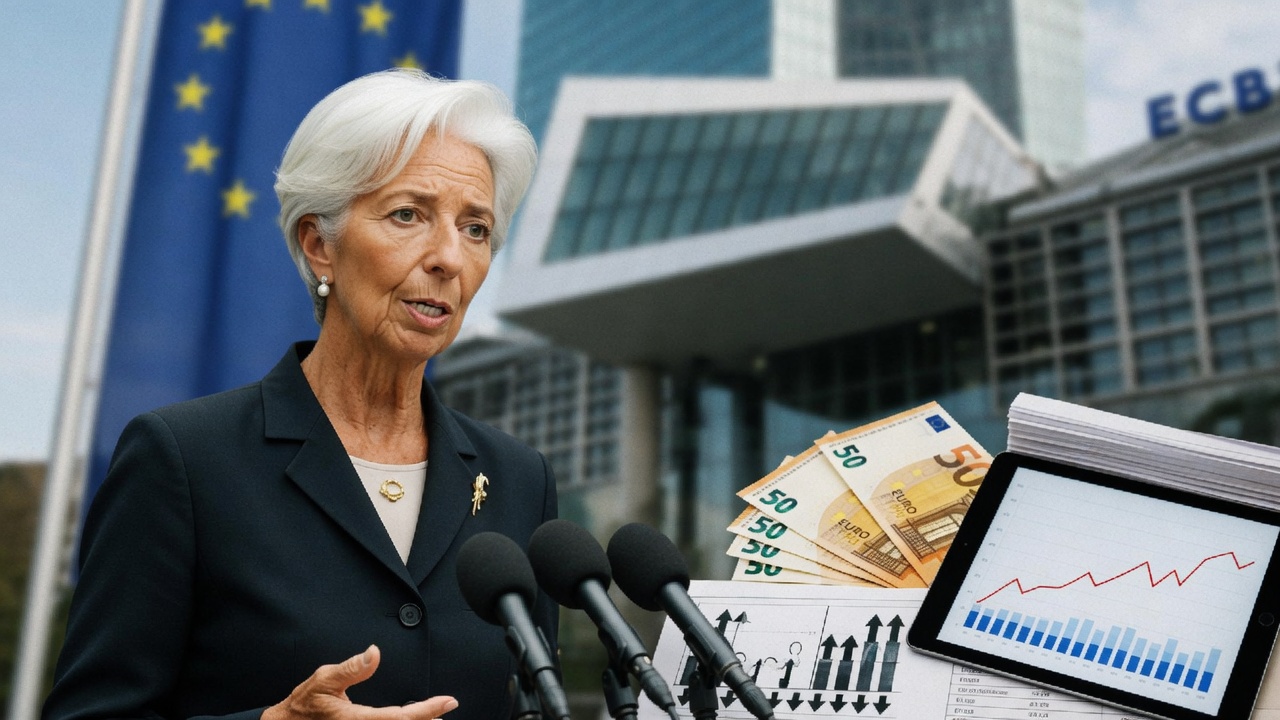
ECB's Lagarde downplays second-round inflation risks
ECB President Christine Lagarde stated the euro zone inflation shock is large but not yet generating dangerous second-round effects or shifting longer-term expectations; ECB raised rates on June 11 after inflation exceeded 3%.

Understand the moves behind the headlines
A stop-loss is a pre-set exit that caps the loss on a trade. Learn where to place it, why percentage-based stops fail, and how it links to position size.
The risk/reward ratio compares what you stand to lose against what you stand to gain. Learn how it pairs with win rate to determine profitability.
Each candlestick shows the open, high, low and close for one period. Learn how to read the body, the wicks, and the patterns that actually matter.