Oil Prices Steady Amid Hormuz Reopening Hopes

- Brent crude settled at $79.45 per barrel while WTI fell to $75.22 as traders weigh potential de-escalation between the US and Iran that could restore traffic through the Strait of Hormuz.
Oil markets remain in a holding pattern as diplomatic signals from Oman and Iran suggest possible progress toward easing restrictions on shipping in the critical Strait of Hormuz.
The waterway handles roughly 20% of global oil trade, and any sustained reopening would increase supply flows from the Middle East, pressuring prices lower after recent volatility.
Brent's modest gain of 9 cents contrasted with WTI's 55-cent decline, reflecting differing contract dynamics and inventory concerns in the US. Traders are closely monitoring US-Iran talks and tanker traffic data, with CPC loadings already hampered by safety issues and shortages.
This story matters because energy costs ripple through inflation, transportation, and downstream sectors like petrochemicals. A deal could cap oil upside and support broader risk assets, while renewed tensions would likely push prices above $85.
Key drivers include geopolitical negotiations rather than pure fundamentals, with OPEC+ supply discipline providing a floor. Affected assets include crude futures, energy equities, and USD strength. Sectors impacted range from airlines facing fuel costs to refiners balancing margins.
Traders should watch weekly inventory reports, Hormuz traffic updates, and any official statements from involved governments for the next directional catalyst, particularly ahead of potential storage data releases.
Share this story
Spread the signal — link, social or copy.
Related topics
Related coverage

Oil Prices Volatile on Uncertainty Over US-Iran Deal Resolution
On May 21, Brent crude settled at $102.58 per barrel down $2.44 (2.3%) and WTI at $96.35 down $1.90 (1.9%), with prices whipsawing amid uncertainty over prospects for ending the US-Israeli conflict with Iran and supply disruptions via the Strait of Hormuz.
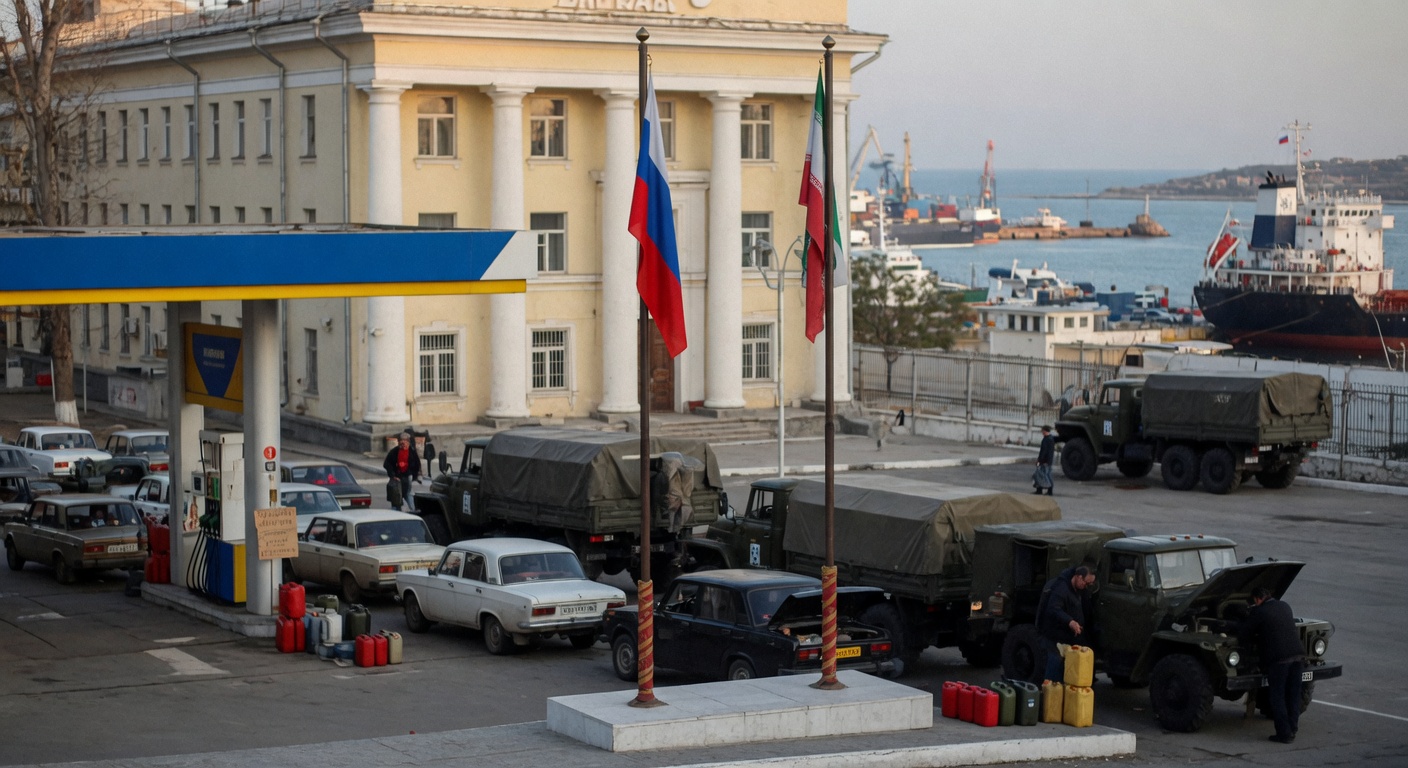
Russia introduces fuel rationing in Sevastopol amid logistical challenges from Iran war
Russia has introduced fuel rationing for cars in the port city of Sevastopol in Russian-occupied Crimea due to logistical challenges, as reported on May 23, 2026. This comes amid broader impacts from the Iran conflict on energy supplies.
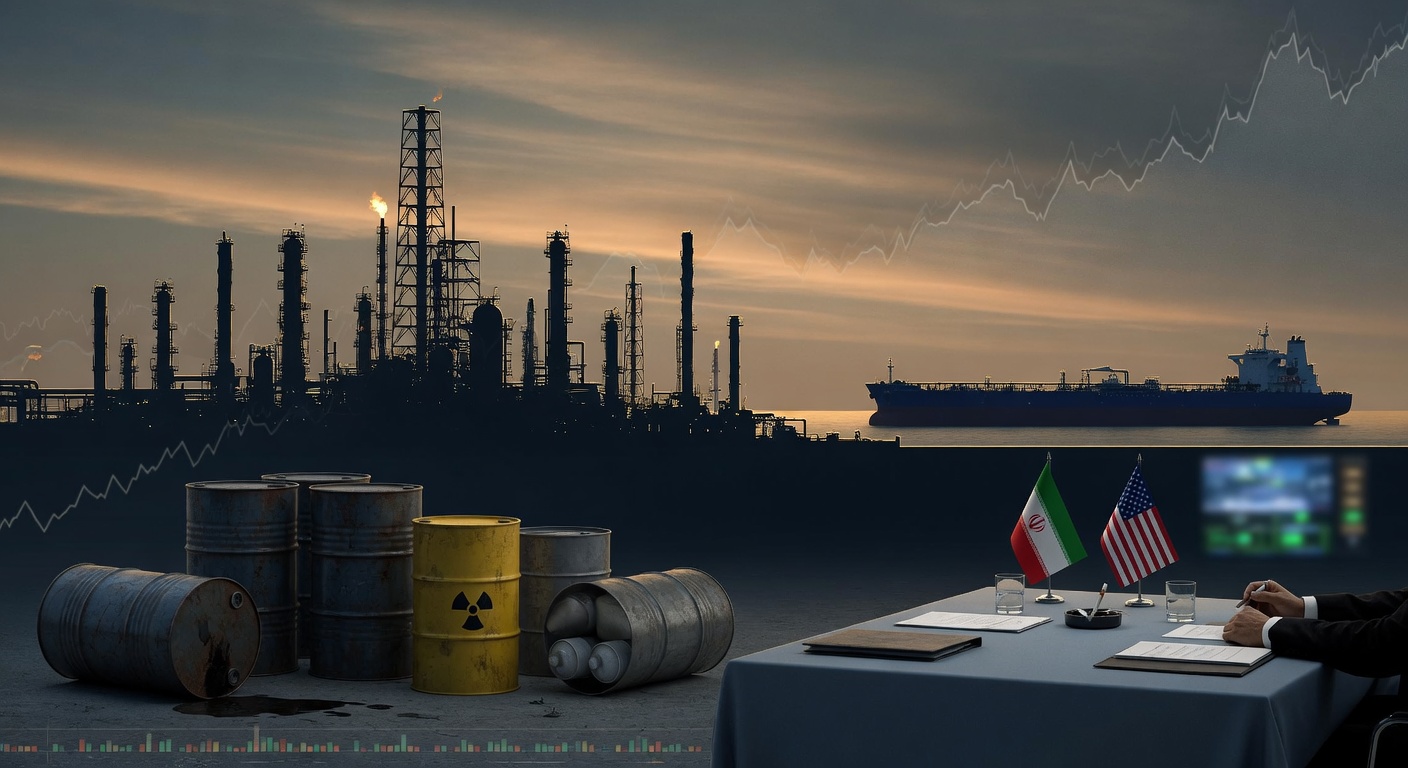
Oil Prices Rise 2% on Complications to US-Iran Peace Talks
Oil prices rose over 2% on May 21 as Iran's Supreme Leader directed that near-weapons-grade uranium must stay in the country, complicating potential US-Iran deals. Brent crude gained $1.95 to around $106.97 per barrel and WTI rose to $100.61.
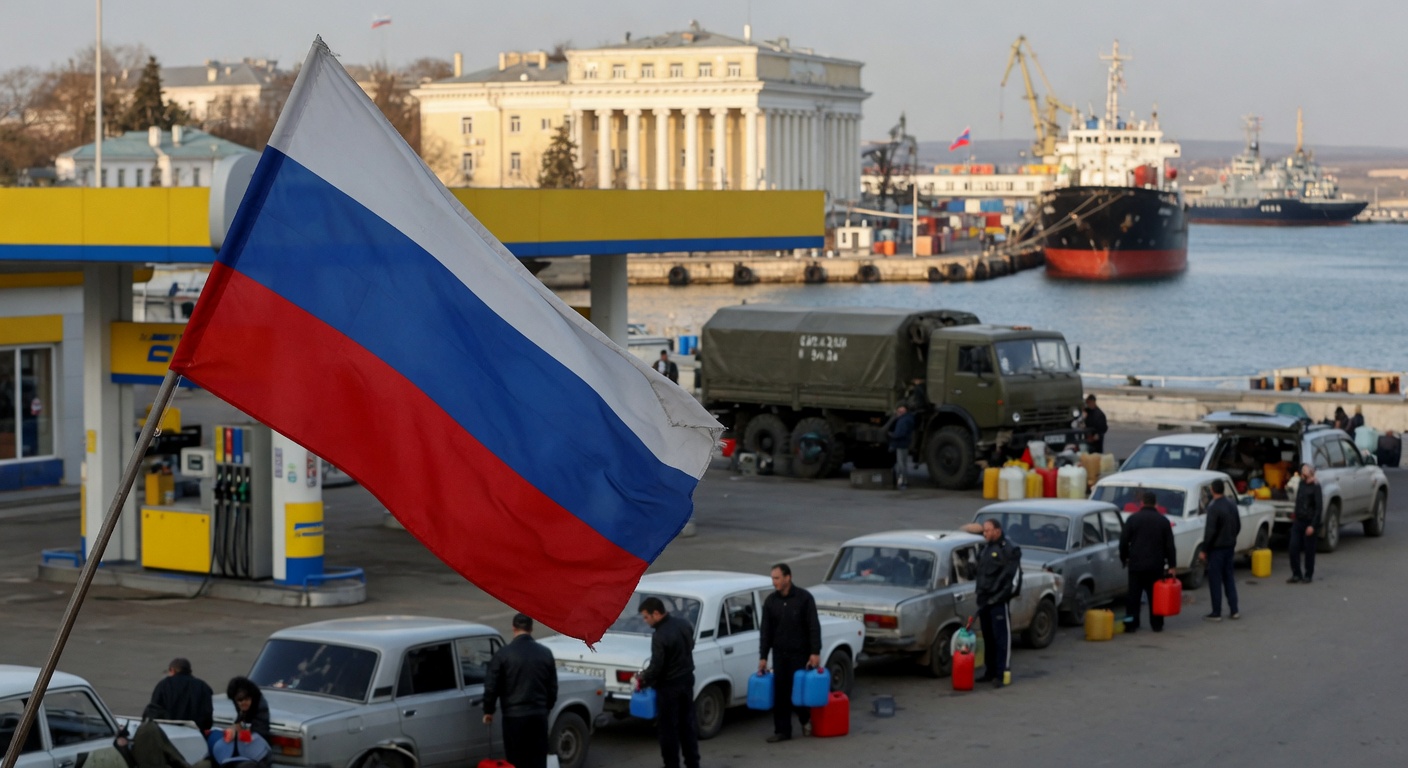
Russia introduces fuel rationing in Crimea's Sevastopol amid logistical challenges
Russia has introduced fuel rationing for cars in the port city of Sevastopol in Russian-occupied Crimea due to logistical challenges, according to the local governor on May 23, 2026. This follows ongoing Middle East tensions affecting energy supplies.
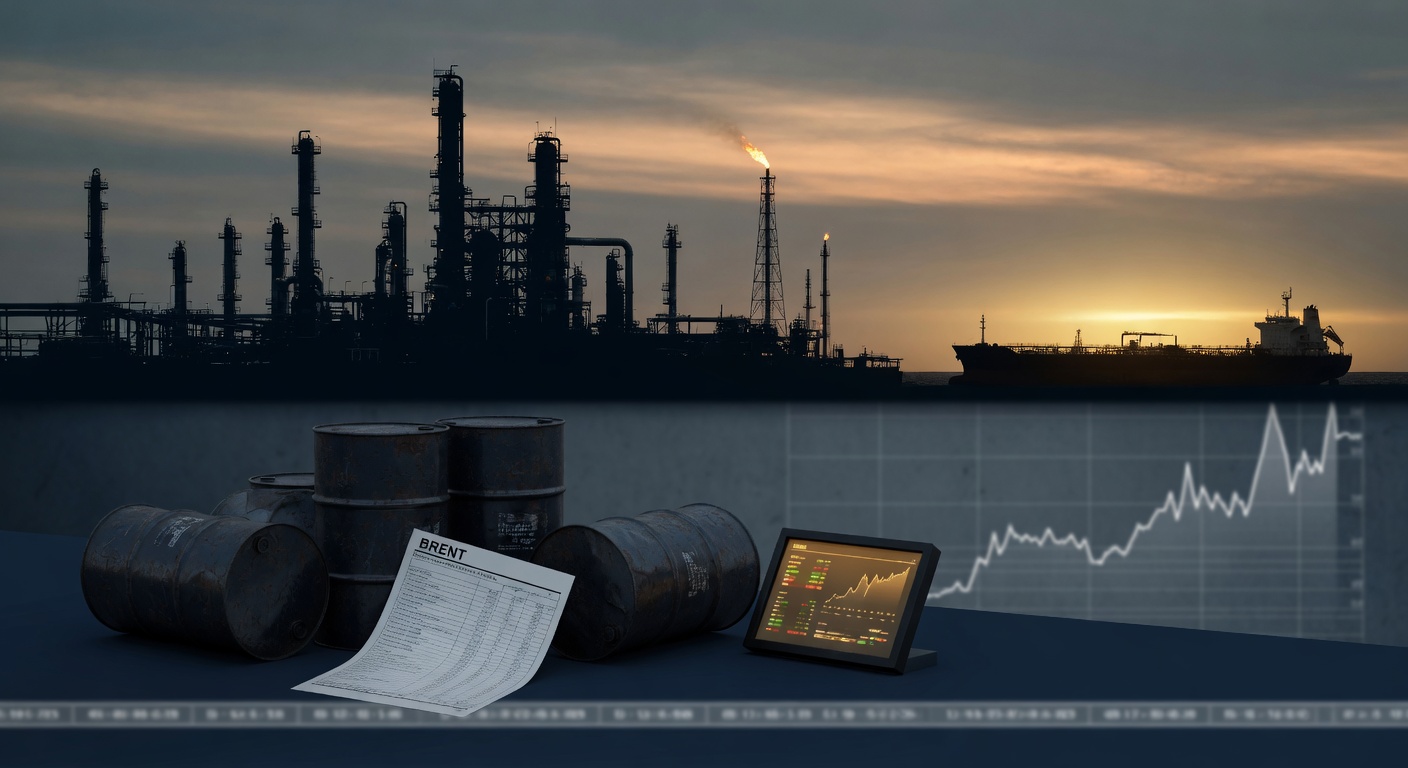
Brent crude oil rises to ~$104 amid Middle East supply concerns
On May 22, 2026, Brent crude futures settled around $104.25, up 0.69-0.95% for the day, with WTI near $97, as ongoing geopolitical tensions in the Middle East continue to support prices despite some volatility from earlier peace talk reports.
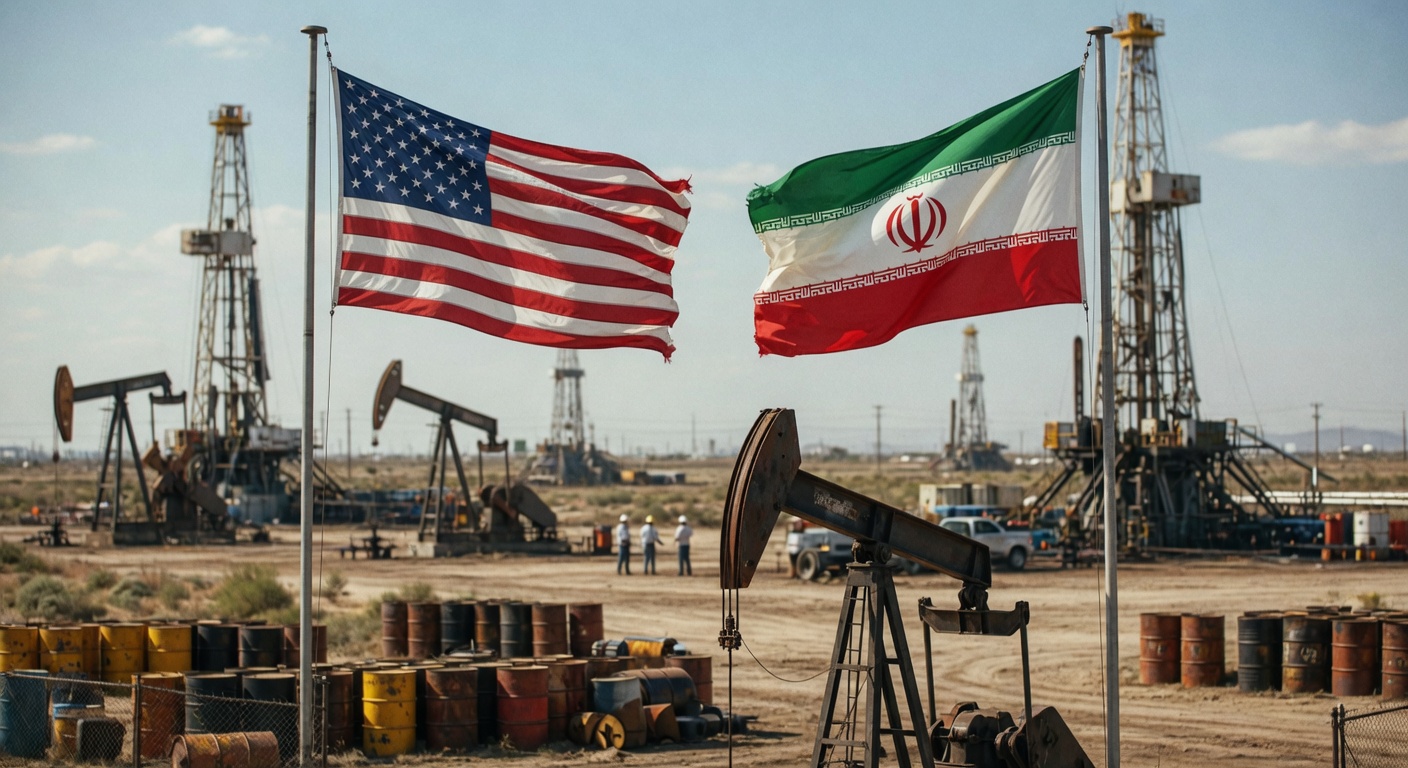
US oil producers increase output to capture price surge from Iran war
US oil producers are ramping up output to take advantage of higher crude prices driven by the ongoing Iran conflict. This development was reported on May 23, 2026.