Iran Conflict Disrupts Strait of Hormuz Oil Shipments
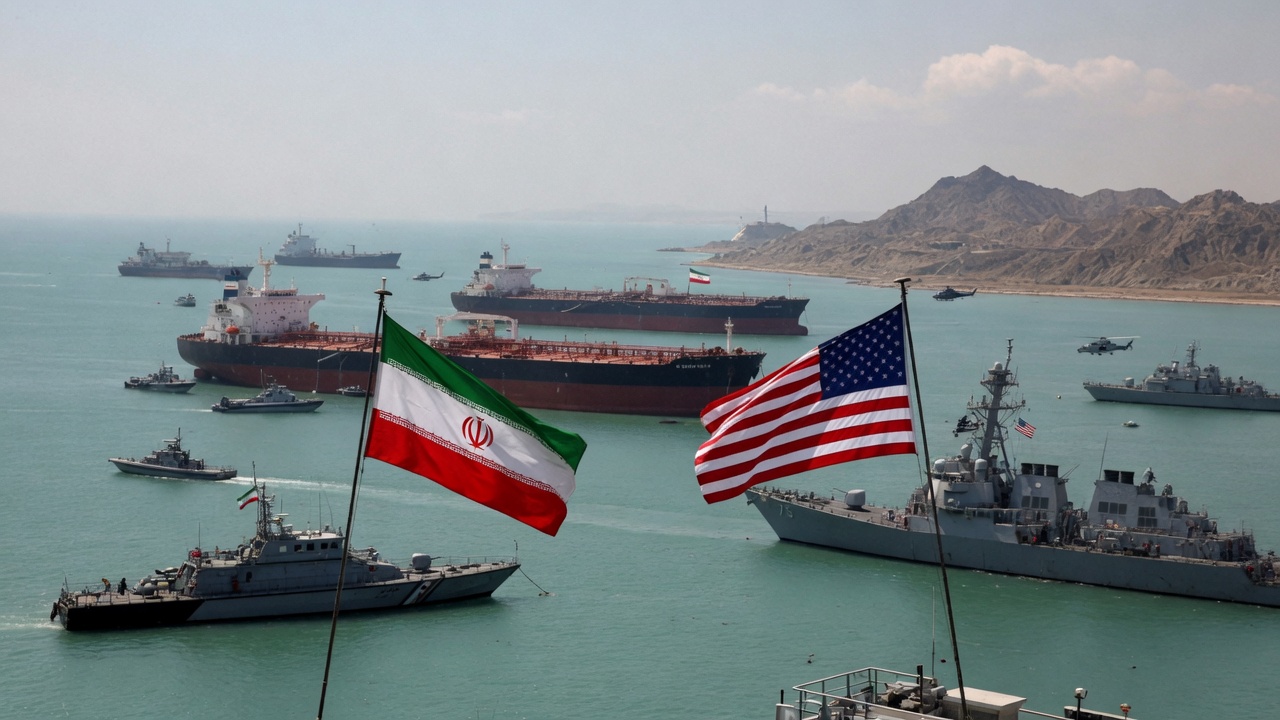
- Iranian attacks on vessels and US blockade concerns have stalled oil exports through the Strait of Hormuz, a key chokepoint for global supply, with deals reportedly close but traffic still hampered.
Geopolitical tensions in the Middle East escalated sharply over the past 24 hours, centering on the Strait of Hormuz where Iran has targeted shipping linked to UAE state oil interests and imposed tolls amid ongoing hostilities.
The waterway normally carries about one-fifth of global oil and gas trade, making any sustained disruption a major supply shock.
Recent reports indicate a potential agreement with Oman to resume normal traffic is nearing completion, yet Iranian officials have signaled it may not fully reopen the route unilaterally.
Attacks, including missile strikes on ADNOC-affiliated carriers, have already forced rerouting and insurance spikes, pushing Brent crude higher by around $1 in recent sessions amid broader uncertainty.
This matters because even temporary closures amplify price volatility in an already tight market, directly boosting energy costs and feeding into inflation.
Oil producers in the Gulf and importers in Asia and Europe stand to see the largest effects, with WTI and Brent futures reacting to any news flow on de-escalation.
Traders should monitor diplomatic updates between Iran, Oman, and the US, alongside real-time shipping data and any further Houthi or proxy actions that could compound risks.
Sectors like refining, shipping, and downstream chemicals will feel immediate pressure, while gold and silver may benefit as safe-haven assets if tensions persist. Next catalysts include official statements on the Hormuz deal and weekly inventory reports that could reveal building supply strains.
Share this story
Spread the signal — link, social or copy.
Related topics
Related coverage

Oil Prices Volatile on Uncertainty Over US-Iran Deal Resolution
On May 21, Brent crude settled at $102.58 per barrel down $2.44 (2.3%) and WTI at $96.35 down $1.90 (1.9%), with prices whipsawing amid uncertainty over prospects for ending the US-Israeli conflict with Iran and supply disruptions via the Strait of Hormuz.
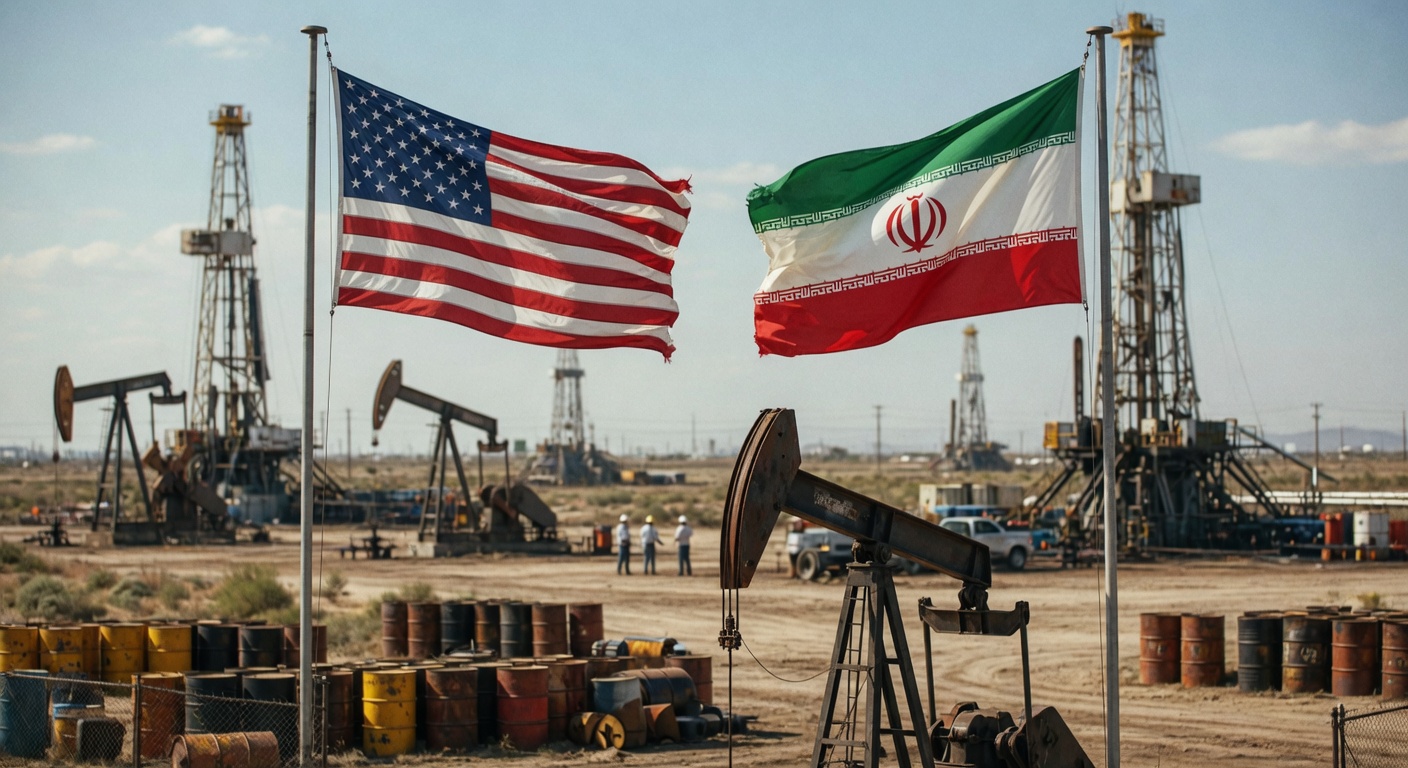
US oil producers increase output to capture price surge from Iran war
US oil producers are ramping up output to take advantage of higher crude prices driven by the ongoing Iran conflict. This development was reported on May 23, 2026.
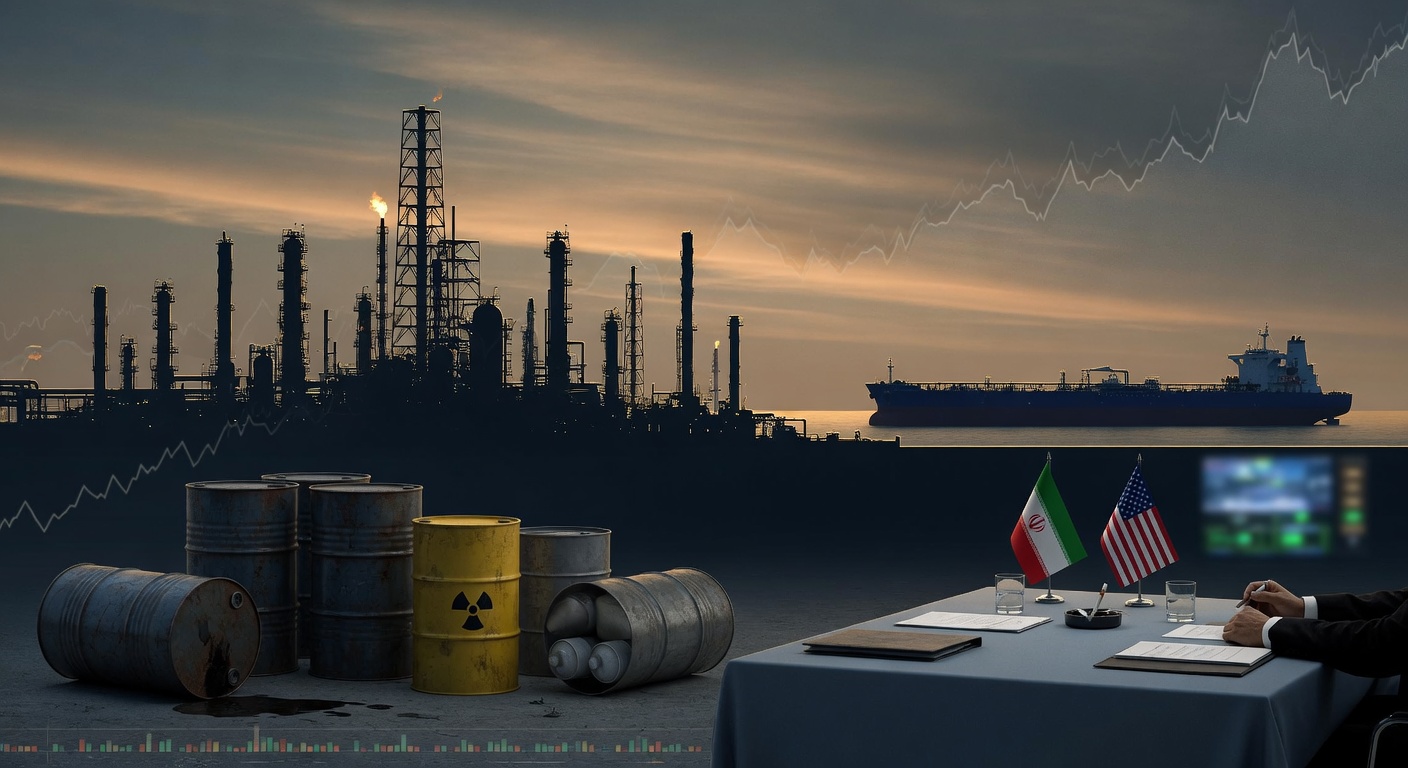
Oil Prices Rise 2% on Complications to US-Iran Peace Talks
Oil prices rose over 2% on May 21 as Iran's Supreme Leader directed that near-weapons-grade uranium must stay in the country, complicating potential US-Iran deals. Brent crude gained $1.95 to around $106.97 per barrel and WTI rose to $100.61.
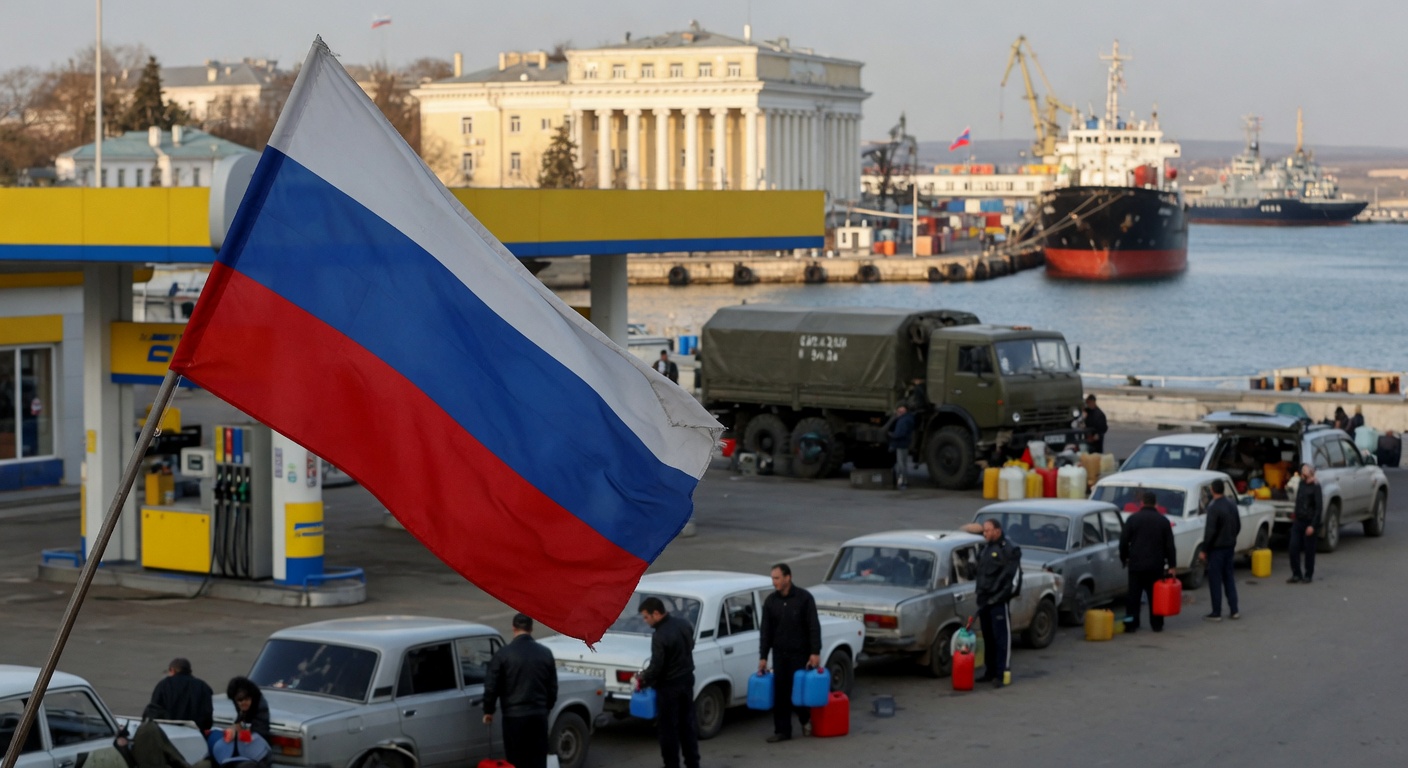
Russia introduces fuel rationing in Crimea's Sevastopol amid logistical challenges
Russia has introduced fuel rationing for cars in the port city of Sevastopol in Russian-occupied Crimea due to logistical challenges, according to the local governor on May 23, 2026. This follows ongoing Middle East tensions affecting energy supplies.

Brent crude oil rises to ~$104 amid Middle East supply concerns
On May 22, 2026, Brent crude futures settled around $104.25, up 0.69-0.95% for the day, with WTI near $97, as ongoing geopolitical tensions in the Middle East continue to support prices despite some volatility from earlier peace talk reports.

Oil Prices Fall More Than 1% as Iran Reviews Proposed US Agreement
Brent crude futures dropped over 1% to around $93.85-$94.29 per barrel and WTI fell to $91.07-$91.34 amid reports that Iran is reviewing a proposed US agreement to halt conflict, following previous session gains.