Houthi Strike on Saudi Aramco Refinery Adds to Oil Supply Worries
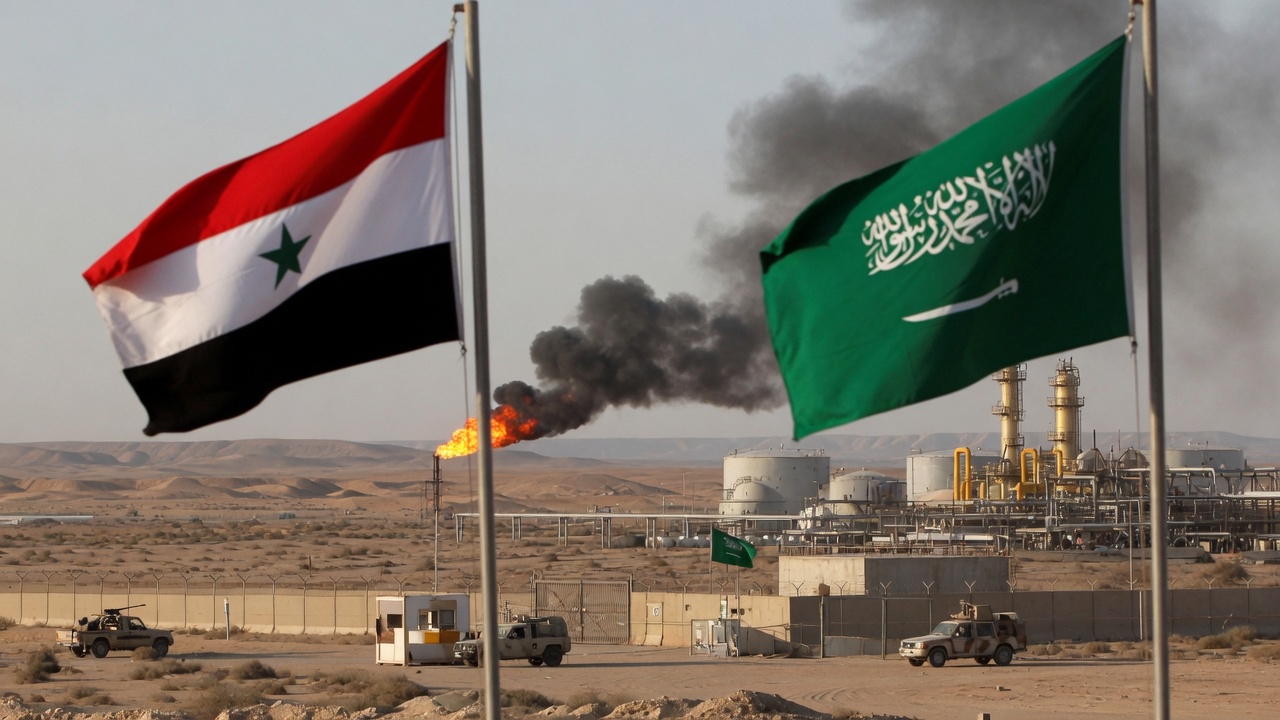
- Yemen's Houthis claimed an attack on a Saudi Aramco facility in Jizan, with the fire quickly extinguished but highlighting persistent risks to Gulf refining capacity amid regional defense pacts.
Fresh escalation in the Red Sea theater saw Houthi forces target a Saudi Aramco refinery at Jizan following the kingdom's recent defense agreements, resulting in a contained fire with no major output loss reported.
Saudi authorities confirmed the incident was resolved rapidly, yet the strike reinforces vulnerabilities in key energy infrastructure at a time when Hormuz and Black Sea disruptions are already in focus.
The event coincides with broader Middle East instability, including Iranian actions, amplifying concerns over cumulative supply risks across multiple fronts.
This matters for markets because Saudi output and refining are central to global balances; even symbolic attacks can shift sentiment and support risk premiums in crude prices.
Oil and refined products futures are most directly affected, with potential ripple effects to natural gas via LNG competition and to precious metals as hedges. Downstream sectors like petrochemicals and aviation fuel face indirect pressure from any perceived tightening.
Traders should track Saudi production updates, Houthi statements, and any escalation in Yemen-related diplomacy. Watch for inventory draws or OPEC+ responses that could either mitigate or exacerbate volatility.
The incident adds a bearish tilt to near-term stability expectations but bullish bias to price action until resolved.
Share this story
Spread the signal — link, social or copy.
Related topics
Related coverage

Oil Prices Volatile on Uncertainty Over US-Iran Deal Resolution
On May 21, Brent crude settled at $102.58 per barrel down $2.44 (2.3%) and WTI at $96.35 down $1.90 (1.9%), with prices whipsawing amid uncertainty over prospects for ending the US-Israeli conflict with Iran and supply disruptions via the Strait of Hormuz.
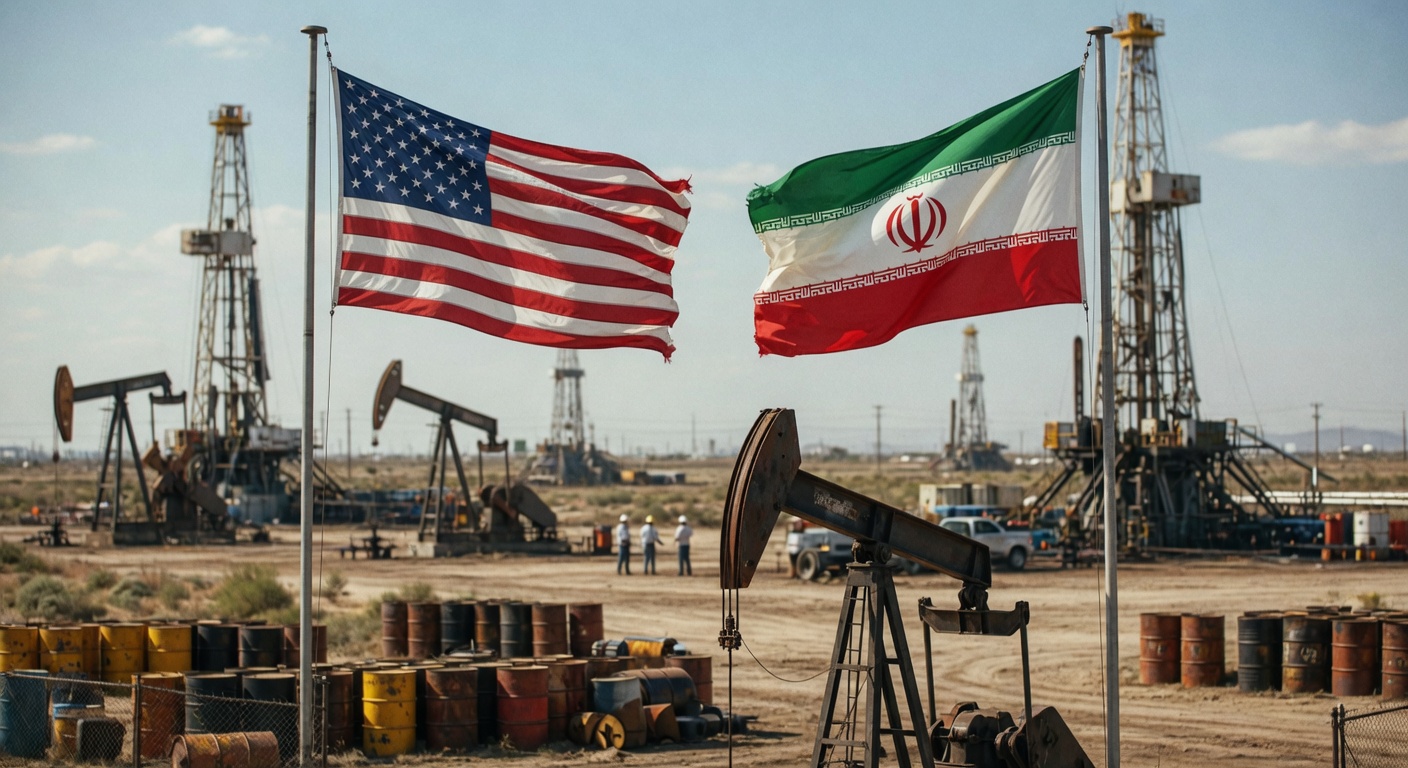
US oil producers increase output to capture price surge from Iran war
US oil producers are ramping up output to take advantage of higher crude prices driven by the ongoing Iran conflict. This development was reported on May 23, 2026.

Oil Prices Rise 2% on Complications to US-Iran Peace Talks
Oil prices rose over 2% on May 21 as Iran's Supreme Leader directed that near-weapons-grade uranium must stay in the country, complicating potential US-Iran deals. Brent crude gained $1.95 to around $106.97 per barrel and WTI rose to $100.61.
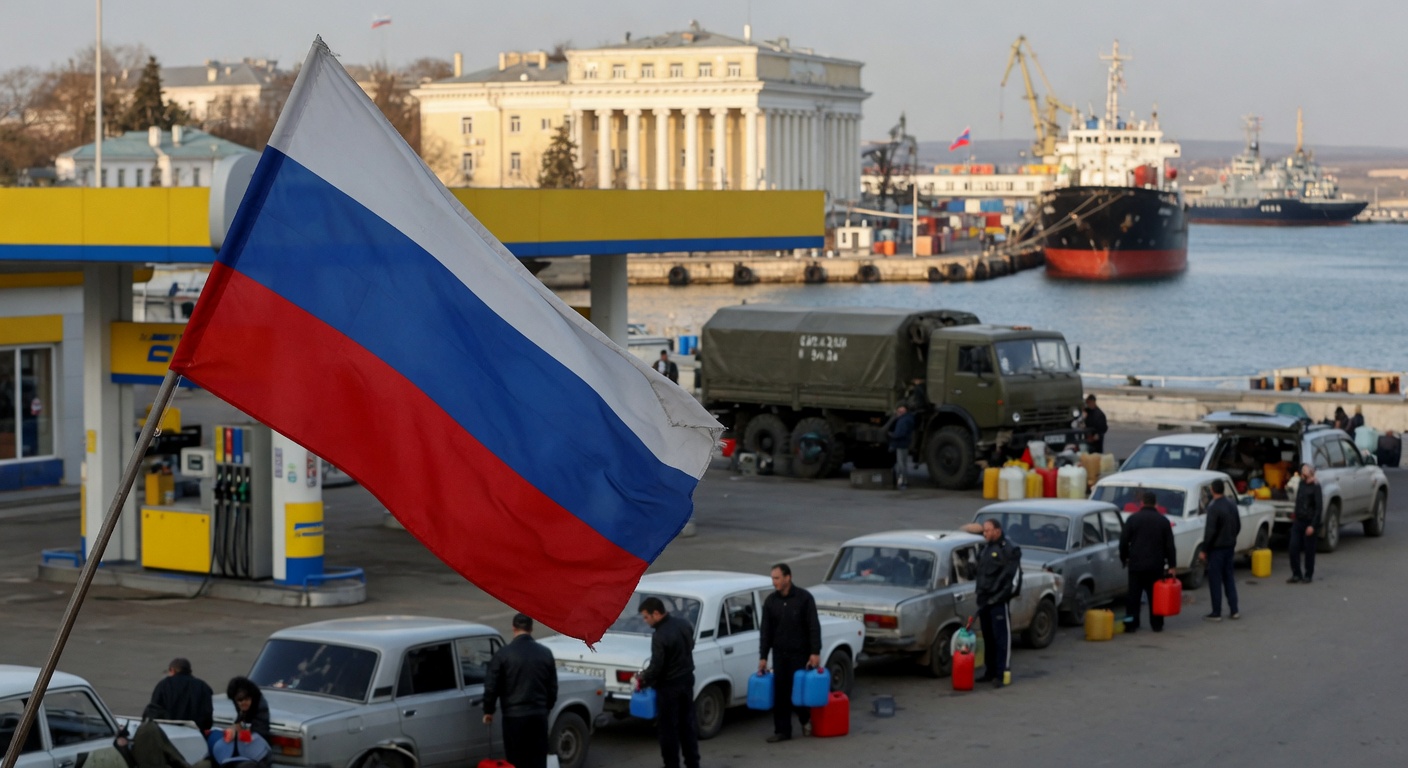
Russia introduces fuel rationing in Crimea's Sevastopol amid logistical challenges
Russia has introduced fuel rationing for cars in the port city of Sevastopol in Russian-occupied Crimea due to logistical challenges, according to the local governor on May 23, 2026. This follows ongoing Middle East tensions affecting energy supplies.

Brent crude oil rises to ~$104 amid Middle East supply concerns
On May 22, 2026, Brent crude futures settled around $104.25, up 0.69-0.95% for the day, with WTI near $97, as ongoing geopolitical tensions in the Middle East continue to support prices despite some volatility from earlier peace talk reports.

Oil Prices Fall More Than 1% as Iran Reviews Proposed US Agreement
Brent crude futures dropped over 1% to around $93.85-$94.29 per barrel and WTI fell to $91.07-$91.34 amid reports that Iran is reviewing a proposed US agreement to halt conflict, following previous session gains.