Drone Attacks Disrupt Caspian Pipeline Consortium Oil Loadings and Russian Refinery Operations
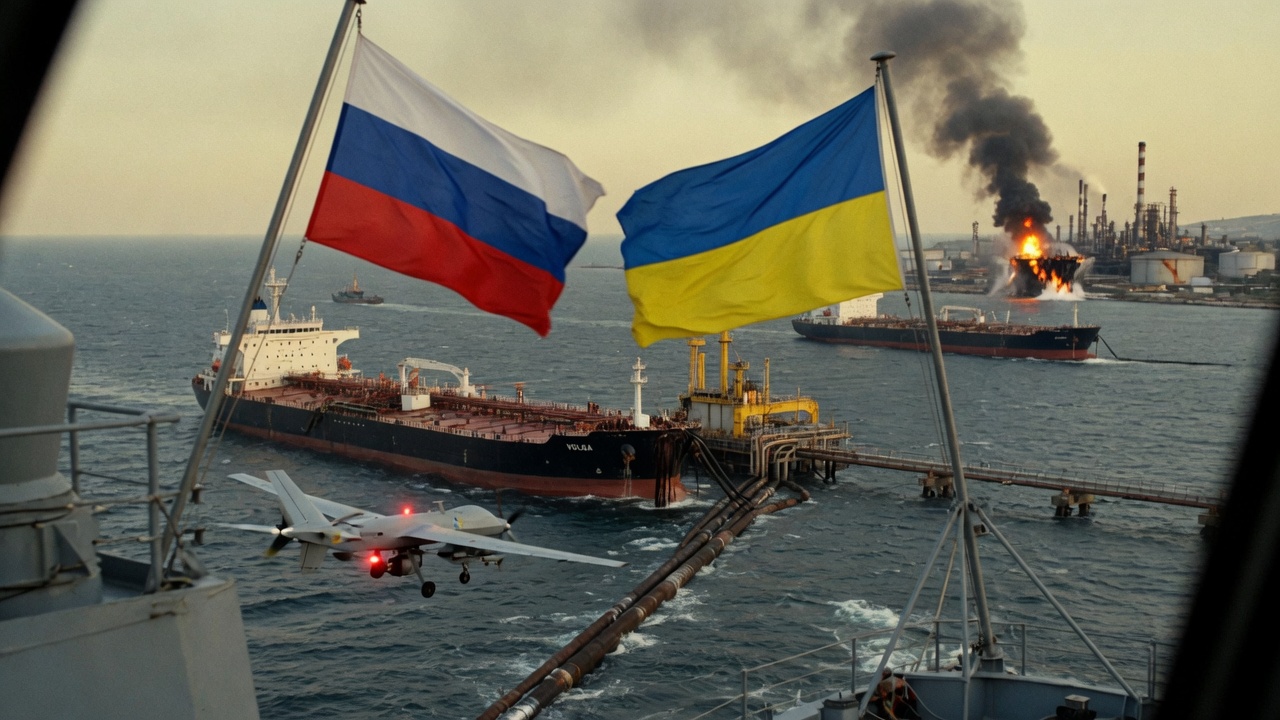
- Ukrainian drone strikes reduced July CPC oil loadings by a fifth, while a fire at Russia's Ilsky refinery was extinguished following an attack, adding to supply-side pressures in the Black Sea region.
- These incidents coincide with ongoing Middle East volatility.
Recent drone attacks linked to the Russia-Ukraine conflict have spilled over to impact energy infrastructure beyond the battlefield, directly affecting export volumes from Kazakhstan via the Caspian Pipeline Consortium (CPC) and operations at Russian refineries.
Data released around August 7-8, 2026, showed CPC loadings in July fell approximately 20% due to strikes, hitting output from major producers including Chevron and ExxonMobil interests.
Separately, a fire at the Ilsky refinery in Russia was reported extinguished after a Ukrainian drone incident, though the scale of any production loss remains unclear.
These events compound existing geopolitical risks from the Strait of Hormuz situation, tightening physical supply in key export routes and supporting a floor under crude prices despite diplomatic optimism elsewhere.
Affected assets include CPC Blend crude and Russian Urals, with ripple effects on European and Asian refiners seeking alternative barrels. Natural gas markets could see indirect support if LNG substitution accelerates amid higher oil-linked pricing.
Traders should monitor satellite imagery for further attacks, official statements from CPC and Russian authorities, and any shifts in tanker traffic or insurance premiums for Black Sea routes.
Longer-term, persistent disruptions could accelerate diversification away from Russian and Caspian supplies, benefiting US and Middle Eastern exporters.
The incidents illustrate how regional conflicts are increasingly interconnected, raising the risk premium across the energy complex and warranting close attention to any escalation signals in the coming days.
Share this story
Spread the signal — link, social or copy.
Related topics
Related coverage

Oil Prices Volatile on Uncertainty Over US-Iran Deal Resolution
On May 21, Brent crude settled at $102.58 per barrel down $2.44 (2.3%) and WTI at $96.35 down $1.90 (1.9%), with prices whipsawing amid uncertainty over prospects for ending the US-Israeli conflict with Iran and supply disruptions via the Strait of Hormuz.
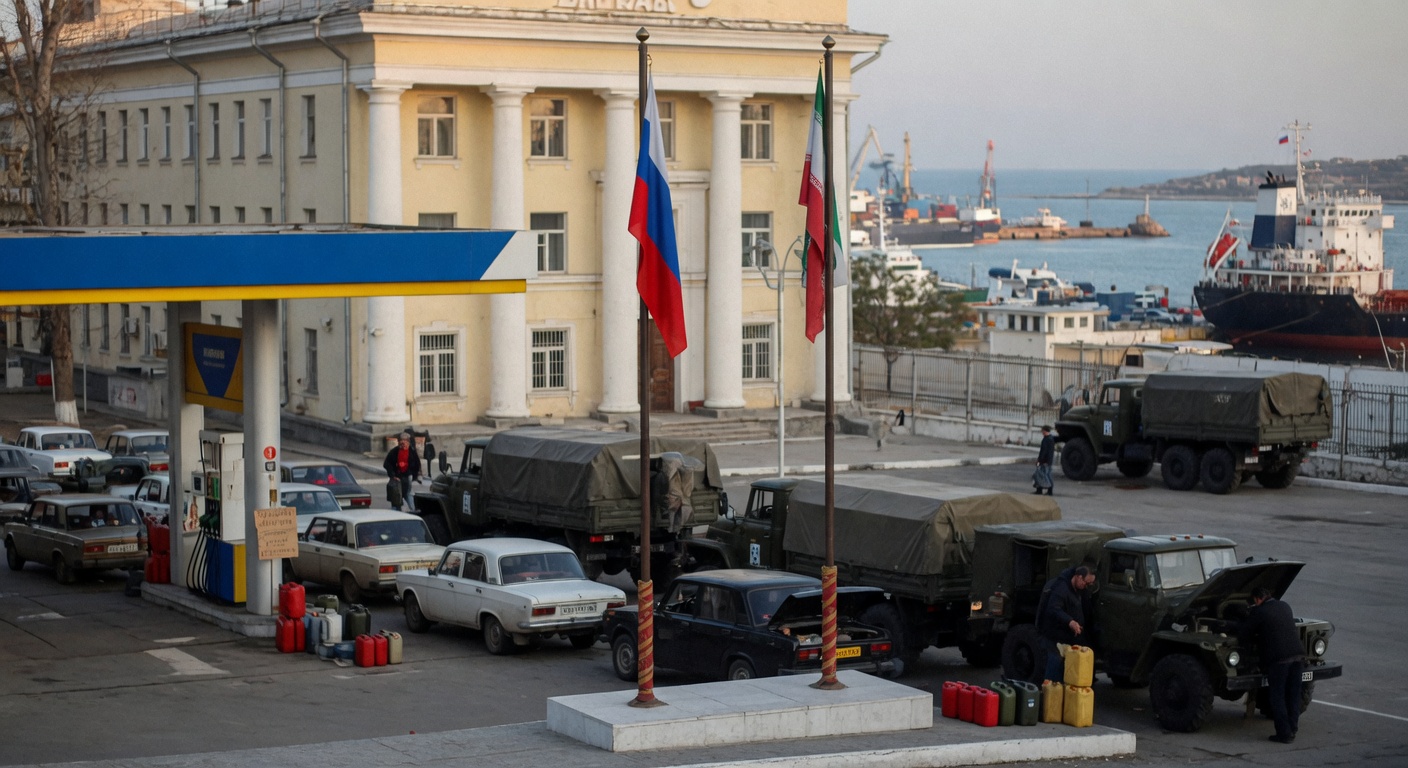
Russia introduces fuel rationing in Sevastopol amid logistical challenges from Iran war
Russia has introduced fuel rationing for cars in the port city of Sevastopol in Russian-occupied Crimea due to logistical challenges, as reported on May 23, 2026. This comes amid broader impacts from the Iran conflict on energy supplies.

Oil Prices Rise 2% on Complications to US-Iran Peace Talks
Oil prices rose over 2% on May 21 as Iran's Supreme Leader directed that near-weapons-grade uranium must stay in the country, complicating potential US-Iran deals. Brent crude gained $1.95 to around $106.97 per barrel and WTI rose to $100.61.
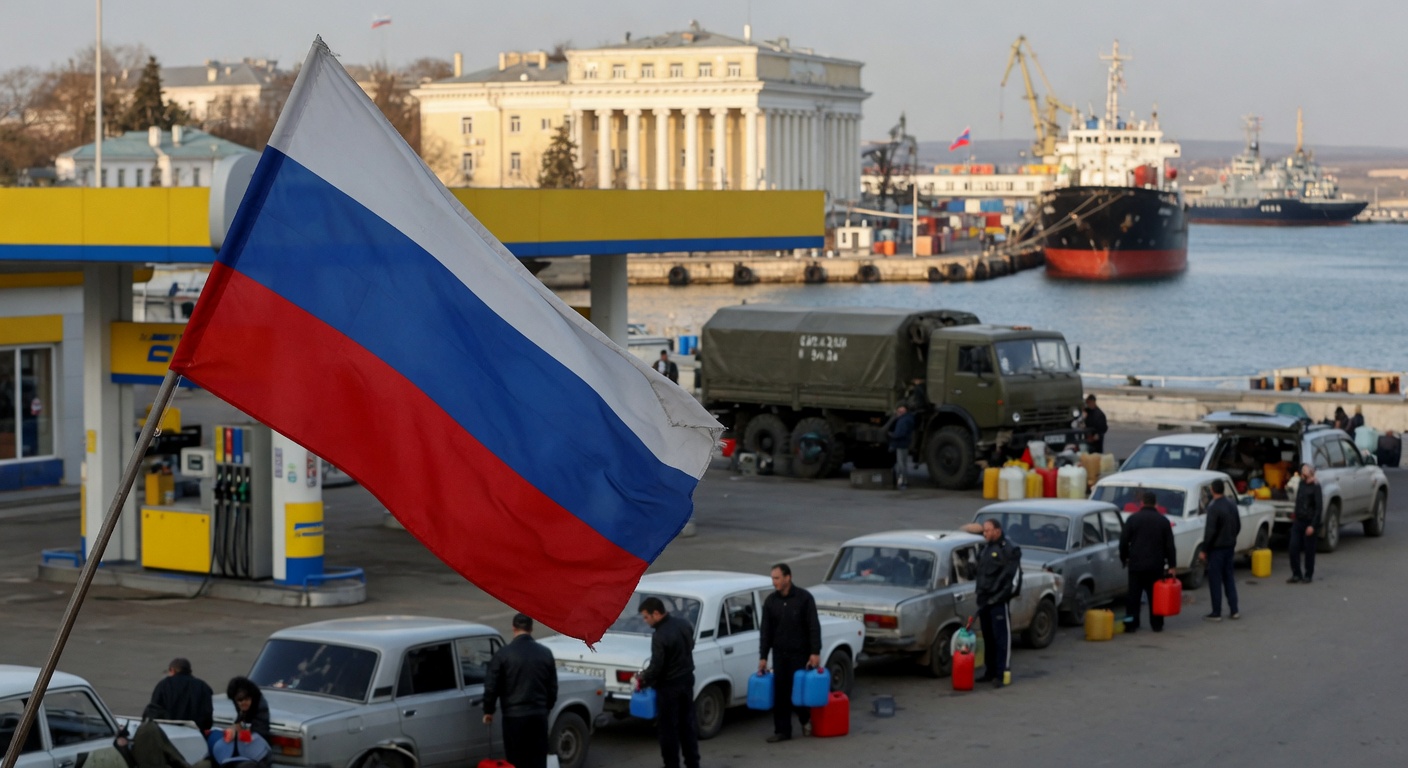
Russia introduces fuel rationing in Crimea's Sevastopol amid logistical challenges
Russia has introduced fuel rationing for cars in the port city of Sevastopol in Russian-occupied Crimea due to logistical challenges, according to the local governor on May 23, 2026. This follows ongoing Middle East tensions affecting energy supplies.

Brent crude oil rises to ~$104 amid Middle East supply concerns
On May 22, 2026, Brent crude futures settled around $104.25, up 0.69-0.95% for the day, with WTI near $97, as ongoing geopolitical tensions in the Middle East continue to support prices despite some volatility from earlier peace talk reports.
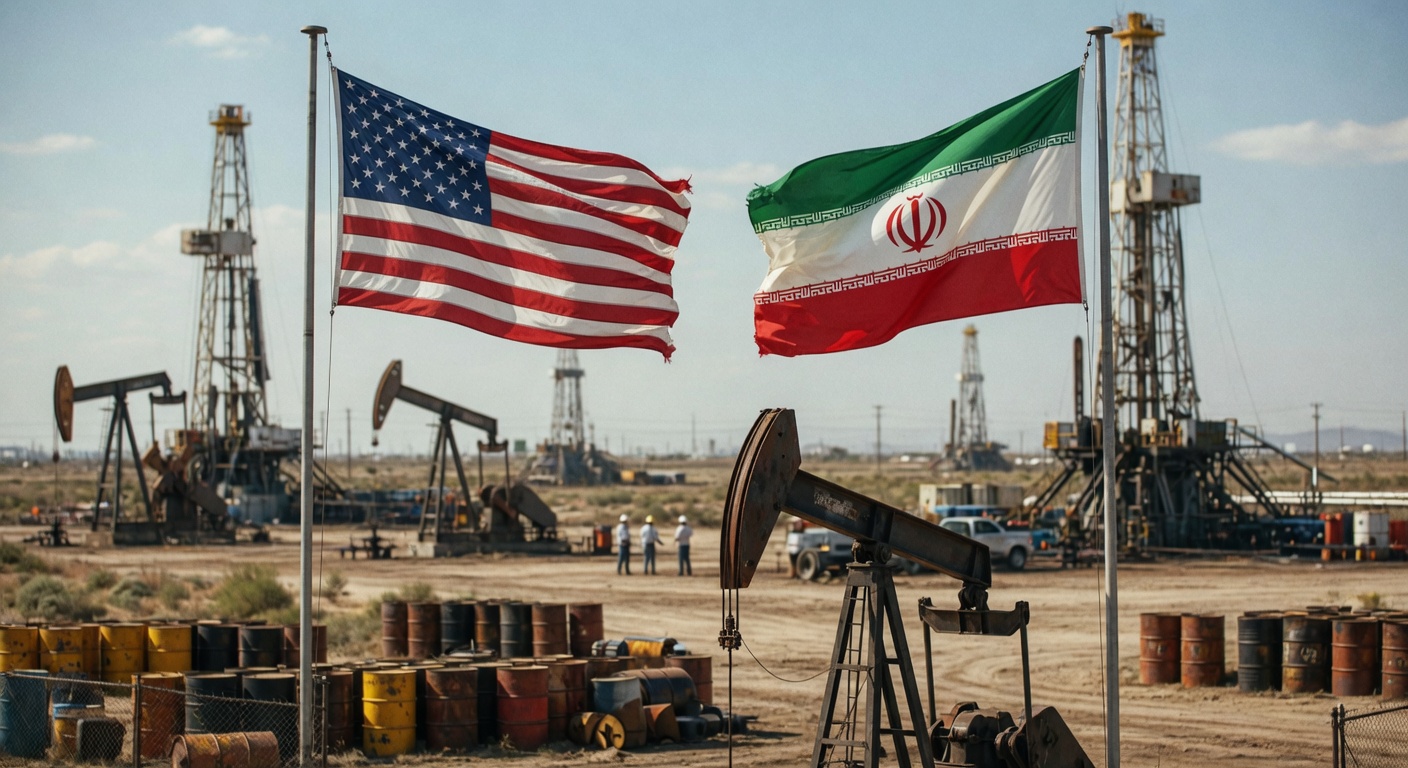
US oil producers increase output to capture price surge from Iran war
US oil producers are ramping up output to take advantage of higher crude prices driven by the ongoing Iran conflict. This development was reported on May 23, 2026.