China heatwaves and floods threaten corn, soybean, and cotton crops, spurring import demand
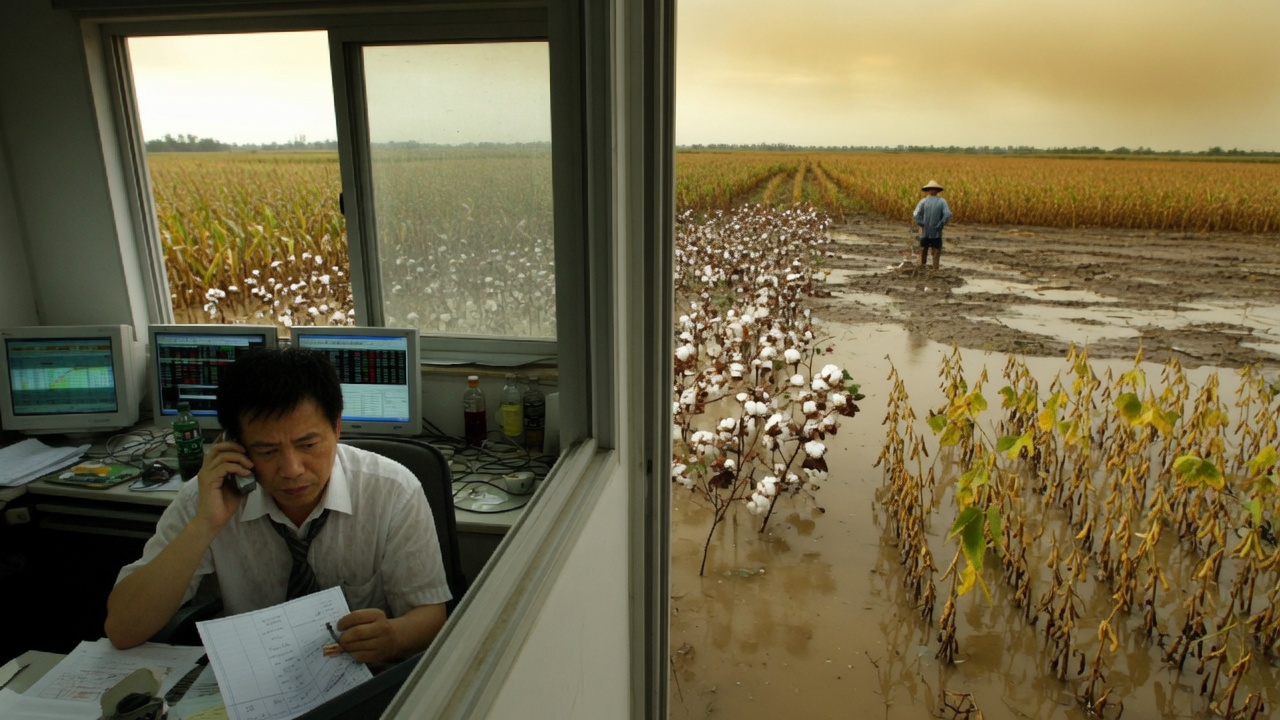
- Extreme weather since mid-July has damaged key growing regions in China, potentially lowering yields and increasing needs for US feed grains and cotton.
Persistent high temperatures and heavy rainfall across China's northeast and North China Plain corn and soybean belts, along with Xinjiang cotton areas, have raised concerns over 2026 crop quality and output.
Analysts note possible corn losses and reduced soybean production despite expanded acreage, which could accelerate import needs from major suppliers like the US amid already rising Chinese purchases.
This weather-driven supply risk adds to global agricultural balances that were already shifting toward tighter margins after strong prior harvests. Affected sectors include grains, oilseeds, and textiles, with potential upside for US exporters and futures on corn, soybeans, and cotton.
Higher import demand may also support prices amid global food inflation worries. Traders should watch upcoming Chinese import data, weather forecasts, and USDA reports for confirmation of yield impacts and trade flows.
AI insight — what it means
Bad weather in China has hurt local corn, soybean, and cotton crops, so China may need to buy more from overseas suppliers like the US. This extra demand can push up prices for those crops and related US farm products.
Unlock the full AI insight
Free account — takes 10 seconds.
- Why this story matters — explained simply
- How it moves prices, sectors and assets
- What traders and analysts are watching next
Share this story
Spread the signal — link, social or copy.
Related topics
Related coverage

US Threatens Indefinite Iran Blockade, Boosting Oil Supply Risk Premium

US oil producers increase output to capture price surge from Iran war

Brent crude oil rises to ~$104 amid Middle East supply concerns

Russia introduces fuel rationing in Crimea's Sevastopol amid logistical challenges

Oil Prices Rise 2% on Complications to US-Iran Peace Talks