Brent Crude Climbs on Uncertainty Over Strait of Hormuz Reopening Amid US-Iran Talks

- Brent crude futures rose $1.06 to settle at $83.55 per barrel on August 7, 2026, as doubts persisted about the timing and terms of reopening the Strait of Hormuz following US-Iran negotiations.
- WTI gained 89 cents to $78.18.
Geopolitical tensions in the Middle East continue to dominate oil markets, with the latest developments centered on stalled or uncertain progress in talks to end the US-Iran conflict and restore normal tanker flows through the critical Strait of Hormuz.
On August 7, Brent crude posted a modest gain amid ongoing uncertainty, reversing some of the sharp declines seen earlier in the week when hopes for a quick diplomatic resolution pushed prices lower.
This volatility underscores how sensitive energy markets remain to any hints of de-escalation or renewed hostilities. The Strait of Hormuz handles roughly 20% of global oil trade, making even temporary disruptions or fee proposals by Iran a major risk factor for supply chains.
Traders are watching for further statements from US, Iranian, and Omani officials, as well as any signs of tanker movements resuming without restrictions.
The episode highlights the limits of US influence over crude benchmarks versus downstream products like gasoline, where refining constraints and prior inventory draws have kept pump prices elevated even as crude eases.
Sectors affected include upstream producers who benefit from higher realized prices, downstream refiners facing margin squeezes, and shipping companies exposed to potential Hormuz fees or rerouting costs.
Agricultural and industrial users reliant on stable fuel costs are also monitoring the situation closely. Next, traders should focus on weekly inventory reports, any updates on CPC pipeline loadings affected by separate Black Sea drone incidents, and broader risk sentiment tied to US economic data.
A confirmed deal could trigger a further 5-10% drop in benchmarks, while escalation risks could push Brent back toward $90 or higher. The market remains range-bound between $75-85 pending clarity, favoring nimble positioning over directional bets.
Share this story
Spread the signal — link, social or copy.
Related topics
Related coverage

Oil Prices Volatile on Uncertainty Over US-Iran Deal Resolution
On May 21, Brent crude settled at $102.58 per barrel down $2.44 (2.3%) and WTI at $96.35 down $1.90 (1.9%), with prices whipsawing amid uncertainty over prospects for ending the US-Israeli conflict with Iran and supply disruptions via the Strait of Hormuz.
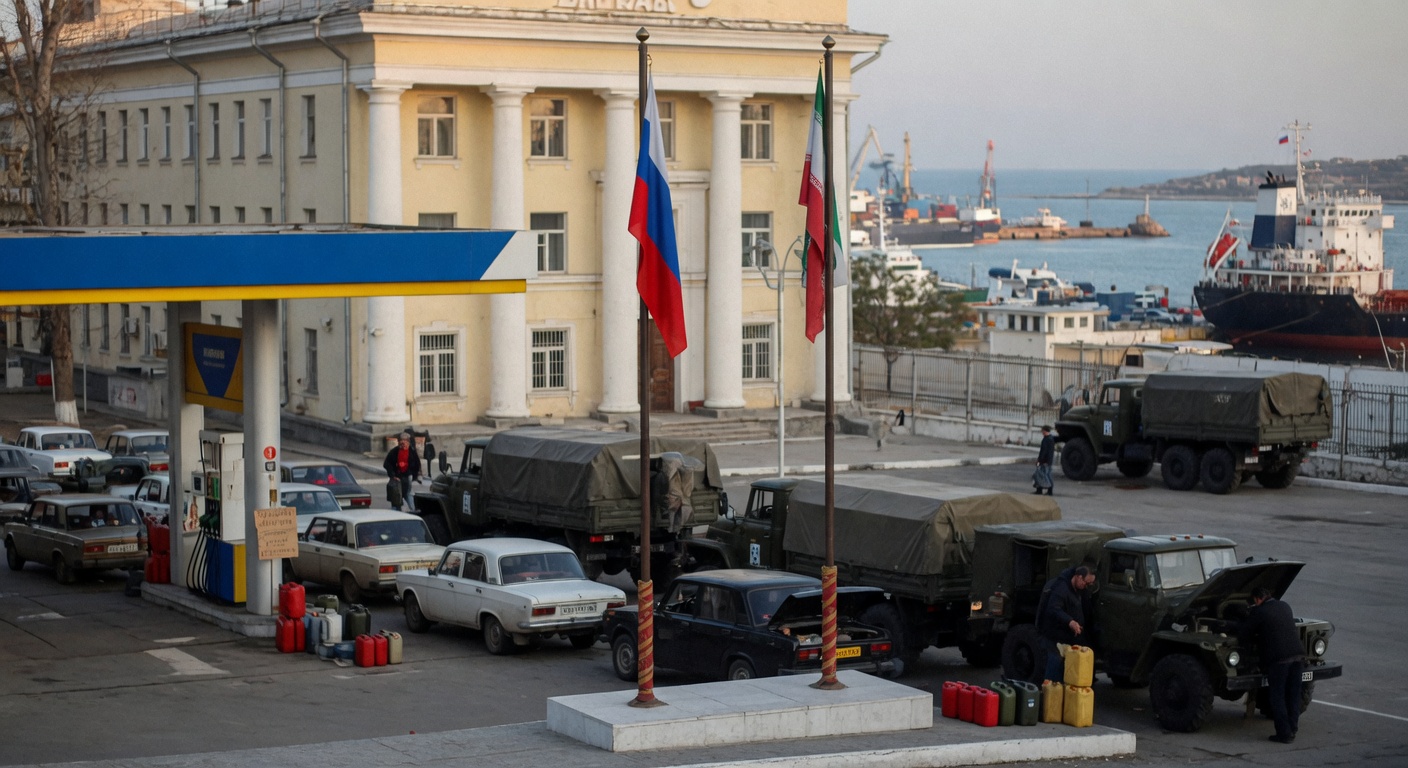
Russia introduces fuel rationing in Sevastopol amid logistical challenges from Iran war
Russia has introduced fuel rationing for cars in the port city of Sevastopol in Russian-occupied Crimea due to logistical challenges, as reported on May 23, 2026. This comes amid broader impacts from the Iran conflict on energy supplies.

Oil Prices Rise 2% on Complications to US-Iran Peace Talks
Oil prices rose over 2% on May 21 as Iran's Supreme Leader directed that near-weapons-grade uranium must stay in the country, complicating potential US-Iran deals. Brent crude gained $1.95 to around $106.97 per barrel and WTI rose to $100.61.
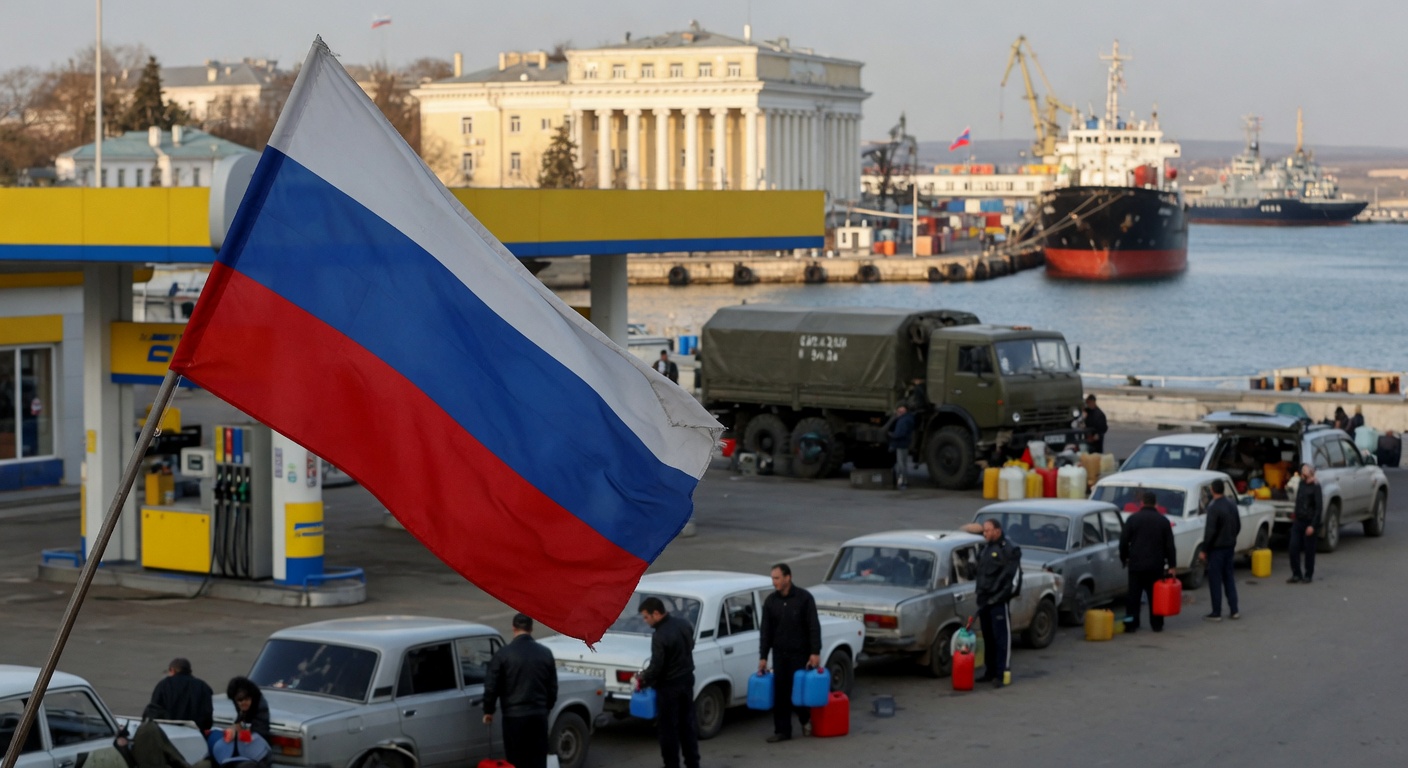
Russia introduces fuel rationing in Crimea's Sevastopol amid logistical challenges
Russia has introduced fuel rationing for cars in the port city of Sevastopol in Russian-occupied Crimea due to logistical challenges, according to the local governor on May 23, 2026. This follows ongoing Middle East tensions affecting energy supplies.

Brent crude oil rises to ~$104 amid Middle East supply concerns
On May 22, 2026, Brent crude futures settled around $104.25, up 0.69-0.95% for the day, with WTI near $97, as ongoing geopolitical tensions in the Middle East continue to support prices despite some volatility from earlier peace talk reports.
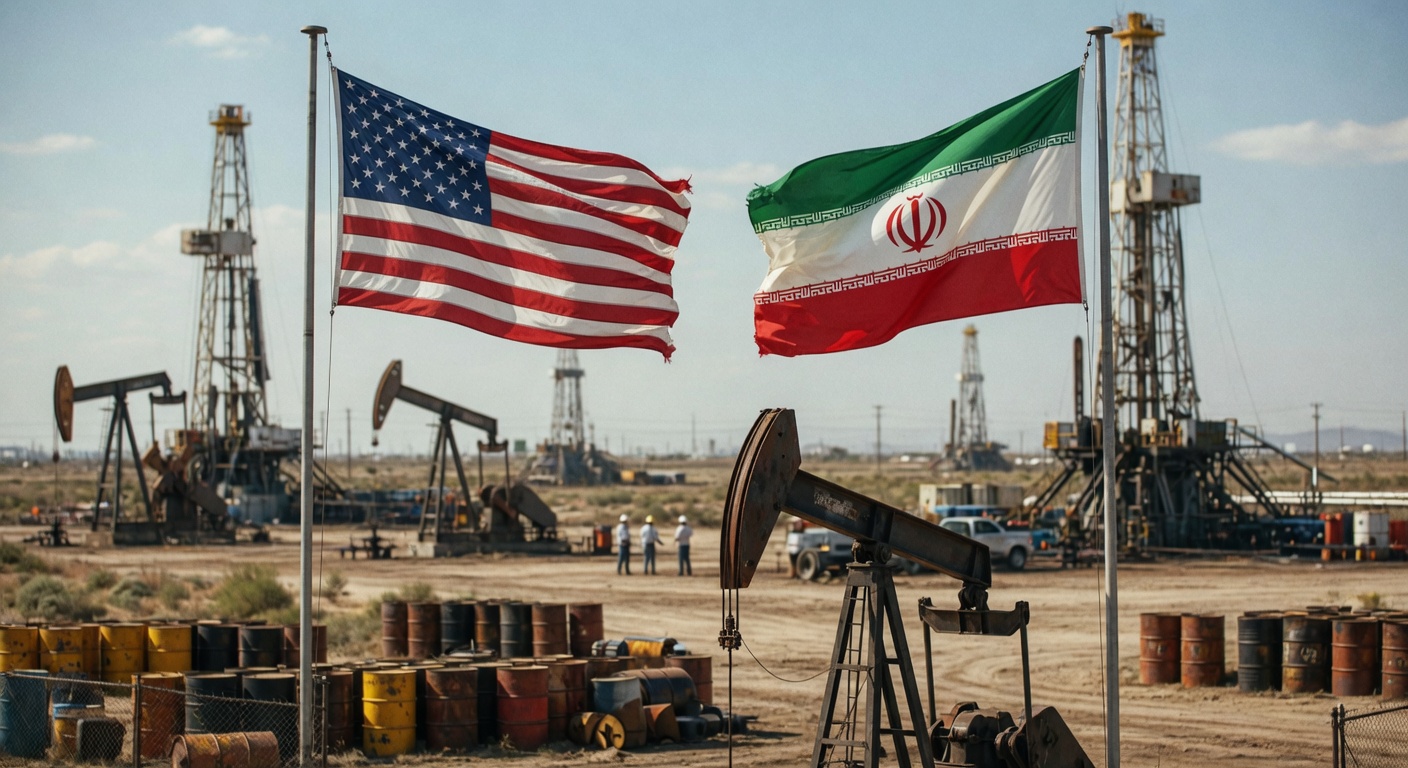
US oil producers increase output to capture price surge from Iran war
US oil producers are ramping up output to take advantage of higher crude prices driven by the ongoing Iran conflict. This development was reported on May 23, 2026.