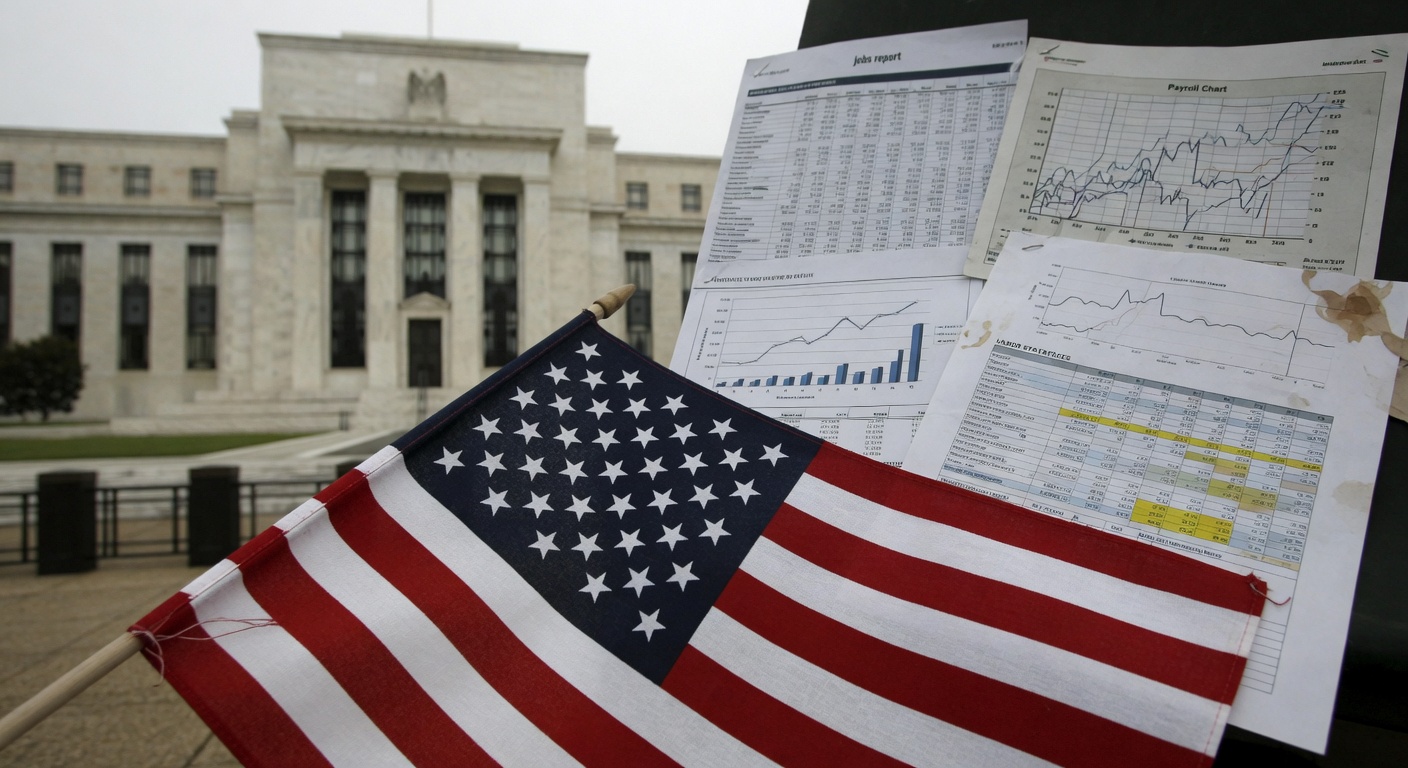
Weak July Jobs Report Shifts Fed Rate Hike Calculus Amid Persistent Inflation
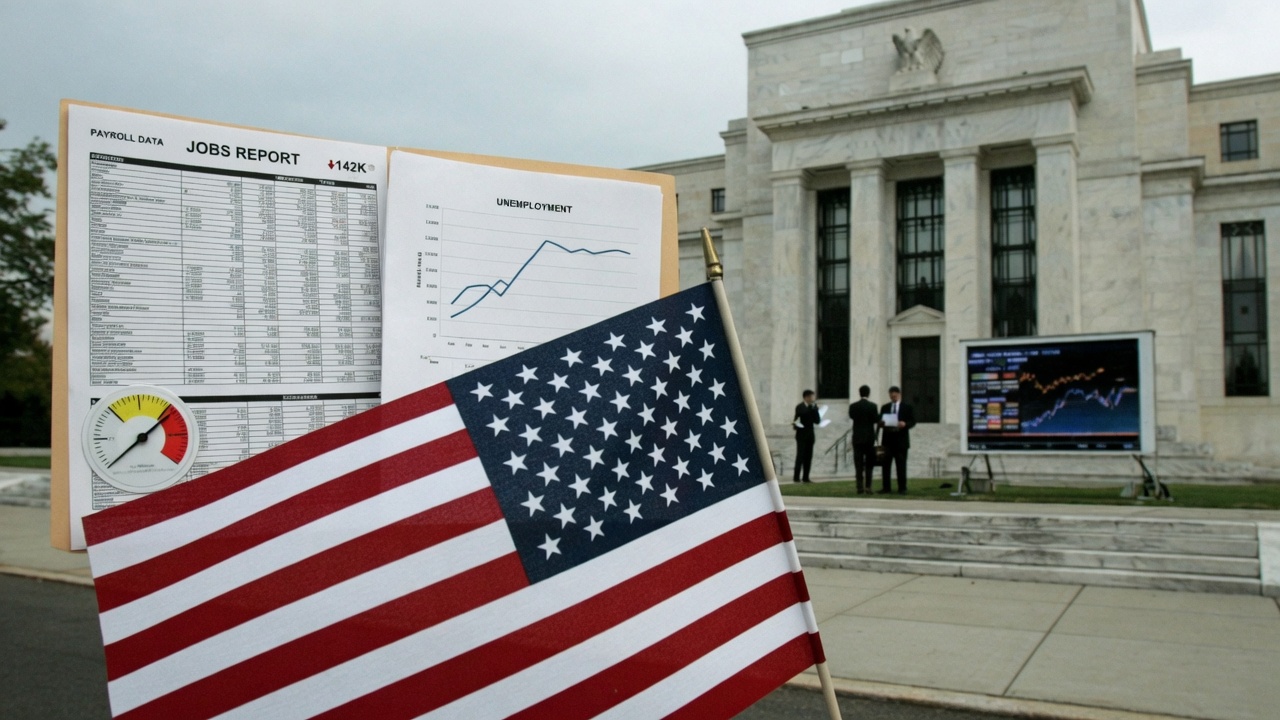
- The surprise decline in US nonfarm payrolls for July, released the prior week, has lowered near-term Fed tightening expectations even as inflation remains above target and unemployment sits at a low 4.1%.
Friday's July employment report, showing an unexpected loss of jobs and downward revisions, has introduced fresh uncertainty into the Federal Reserve's rate path, tempering odds of a September hike while highlighting tensions between a cooling labor market and sticky prices.
The unemployment rate edged lower to 4.1%, signaling ongoing tightness that could sustain inflationary pressures, prompting some analysts to argue the softness is insufficient to offset full-employment conditions.
This development matters as it challenges the narrative of imminent policy easing or aggressive hikes, forcing markets to reassess the balance between growth risks and inflation control in an economy that has already seen rates held steady all year.
Key drivers include slowing wage growth and revisions to prior data, compounded by external factors like geopolitical oil risks.
Sectors impacted include rate-sensitive areas such as housing and autos, where higher-for-longer rates could weigh on activity, and financials benefiting from steeper yield curves. The dollar has fluctuated, with Treasury yields sensitive to the mixed signals.
Broader implications extend to global central banks like the BOJ and RBA, which face their own decisions.
Traders should watch this week's inflation data closely for confirmation on whether the jobs weakness translates to disinflation, upcoming Fed minutes or speeches, and any shifts in the dot plot expectations.
The episode underscores how data-dependent policy remains highly reactive in the current environment.
AI insight — what it means
A weaker than expected jobs report shows the US economy is adding fewer new positions than hoped. This can lead the central bank to hold off on raising borrowing costs soon, which often makes stocks and other investments more attractive for regular investors.
Unlock the full AI insight
Free account — takes 10 seconds.
- Why this story matters — explained simply
- How it moves prices, sectors and assets
- What traders and analysts are watching next
Share this story
Spread the signal — link, social or copy.
Related topics
Related coverage
Fed Chair Warsh Makes First Hires Including 'Project 2025' Author
Fed Officials Signal Readiness to Hike Rates on Inflation Risks

US April PCE Inflation Surges to 3.8% YoY, Fastest in Three Years
ECB Says Consumer Price Expectations Ease But Stay Elevated
US April Core PCE Inflation Hits 3.3% Annual Rate