USD Weakens to Near Two-Month Low on Soft US Jobs Data
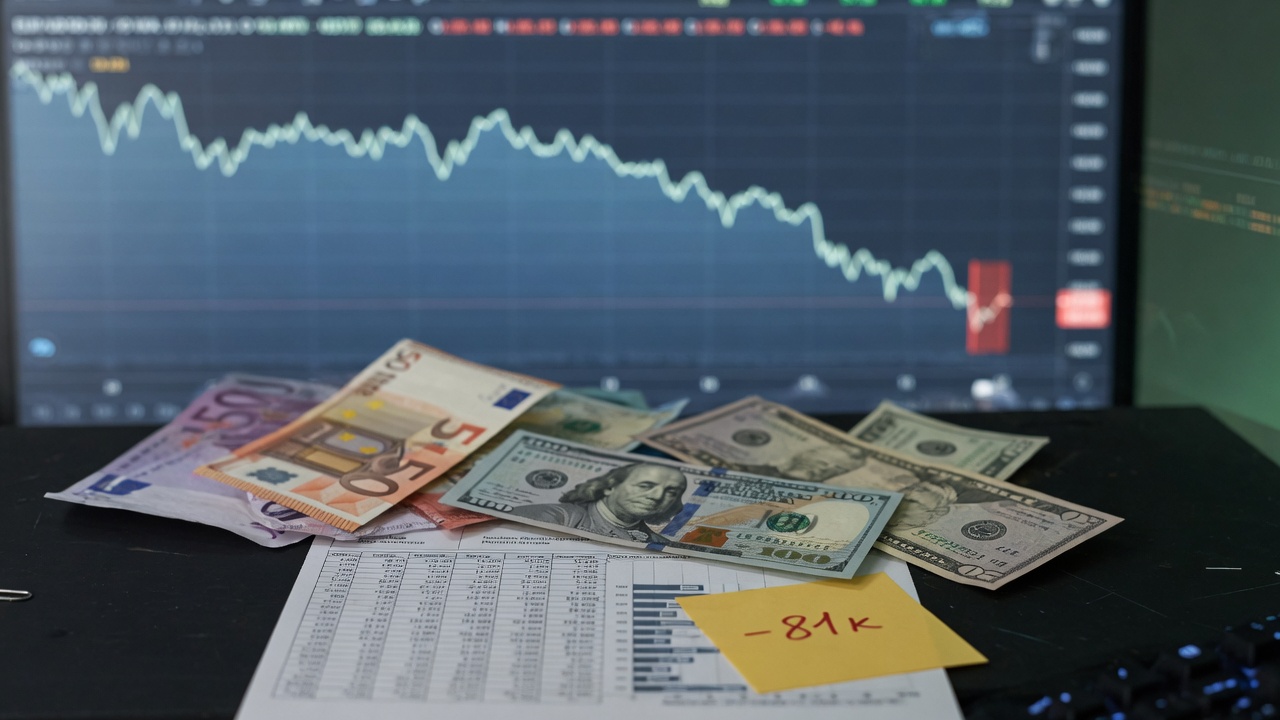
- The US dollar fell to levels near its lowest since early June after July nonfarm payrolls missed expectations sharply.
- EUR/USD rose toward 1.155 and GBP/USD held near 1.35 as markets priced in fewer Fed rate hikes.
The July US jobs report delivered a significant downside surprise, with nonfarm payrolls declining unexpectedly and triggering a broad-based sell-off in the dollar against major currencies.
This data point has shifted market pricing toward a more dovish Federal Reserve path, with rate-cut expectations for the remainder of 2026 now front-loaded.
The dollar index slipped to around 99.6, its weakest print in nearly two months, while EUR/USD climbed above 1.154 and touched seven-week highs. Sterling remained resilient near 1.35 despite Middle East headlines.
The move matters because the USD remains the global reserve currency and funding currency for carry trades; sustained weakness can amplify volatility across equities, commodities, and emerging-market assets that are often funded in dollars.
Drivers include both the labor-market softening and lingering effects from the prior week's joint US-Japan yen intervention, which removed some safe-haven bid from the greenback. Sectors most affected include US exporters (positively) and importers or dollar-funded EM borrowers (negatively).
Fixed-income markets also reacted as Treasury yields fell in tandem with lower rate-hike odds.
Traders should watch the upcoming US CPI release for confirmation of the inflation trajectory, any follow-up comments from Fed officials, and positioning data showing whether speculative shorts in USD have reached crowded levels.
A rebound in payrolls revisions or hotter-than-expected inflation could quickly reverse the move, while further downside surprises would cement the bearish USD bias into September.
Overall, the story underscores how sensitive currency markets remain to US data surprises in an environment of geopolitical uncertainty and divergent central-bank paths.
AI insight — what it means
The US dollar lost value because recent job growth numbers came in weaker than expected. This makes currencies like the euro and British pound stronger against the dollar for now.
Unlock the full AI insight
Free account — takes 10 seconds.
- Why this story matters — explained simply
- How it moves prices, sectors and assets
- What traders and analysts are watching next
Share this story
Spread the signal — link, social or copy.
Related topics
Related coverage
Iran War Opens 'Golden Window' for China's Renminbi

Pound Softens as UK Borrowing Jumps and Consumers Cut Spending

Dollar near six-week high amid US-Iran talks uncertainty
Fed's Waller Signals Readiness to Remove Easing Bias
Pound Softens as UK Retail Sales Plunge and Public Finances Worsen