US Widens Iran Sanctions, Oil Prices Drop as Traders Downplay Supply Risks
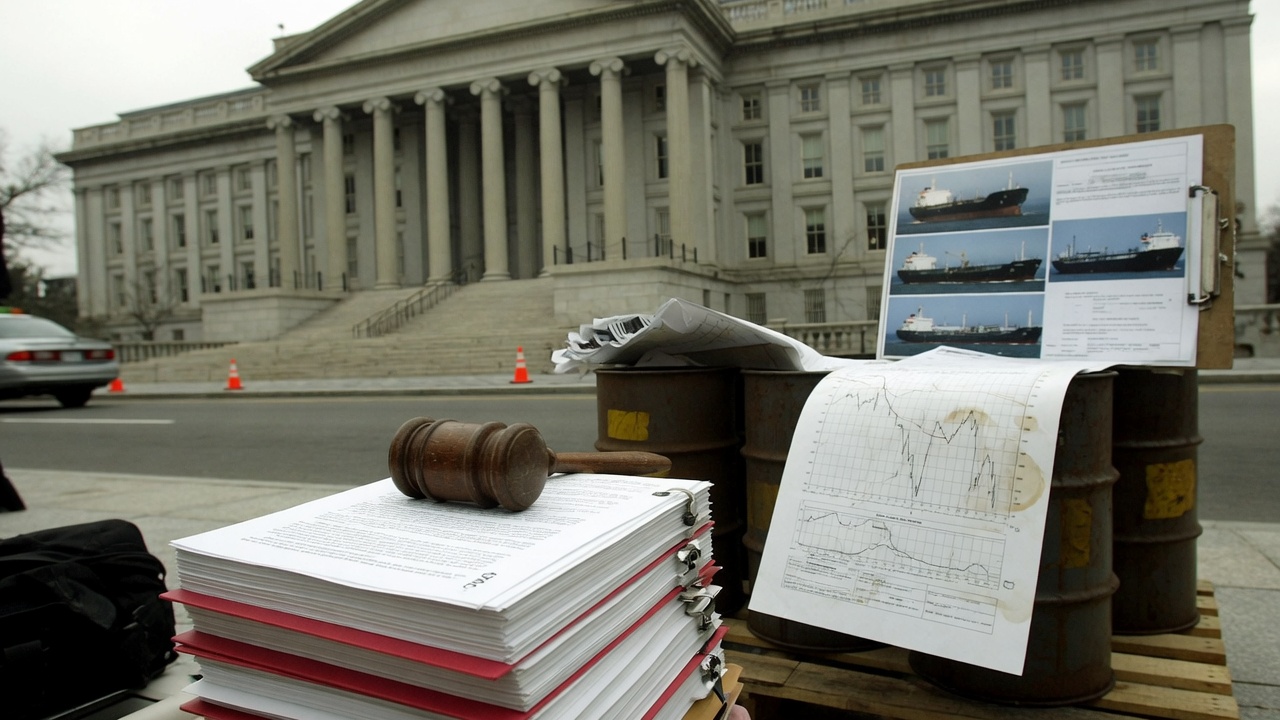
- On August 25, 2026, the US Treasury announced expanded sanctions targeting Iran's trade partners and maritime activities, with Iran vowing retaliation; oil prices fell over 3% to a one-week low.
The latest round of US sanctions against Iran marks a shift from military escalation to economic pressure in the ongoing Middle East conflict, leading markets to reassess oil supply disruption risks.
Treasury Secretary Scott Bessent outlined measures described as an 'economic D-Day,' including secondary sanctions on buyers of Iranian crude and efforts to curb maritime trade, yet the announcement lacked the severity some traders anticipated.
This tempered response has eased immediate fears of a full blockade or military confrontation that could choke off exports through the Strait of Hormuz.
As a result, Brent and WTI crude benchmarks declined sharply, hitting lows not seen since August 17, reflecting a market consensus that economic tools pose less immediate threat to physical supplies than kinetic actions.
Defense stocks saw modest gains in European sessions amid lingering geopolitical uncertainty, while safe-haven assets like gold remained relatively stable without strong inflows.
The development matters because it highlights how sanctions fatigue and expectations of diplomatic off-ramps can mute volatility in energy markets, even amid active conflict.
Traders should monitor Iranian retaliation threats, data on tanker transits through Hormuz (already at three-month lows), and any follow-up US actions on secondary sanctions.
Potential impacts include sustained pressure on oil if compliance tightens among Asian buyers, bullish defense equities if tensions simmer, and neutral-to-bearish effects on broader risk assets as capital flows toward equities over commodities.
Watch for updates on US-Iran talks and Gulf stock performance, which rose earlier on oil strength but may now consolidate.
AI insight — what it means
The US added more sanctions on Iran's trade partners and shipping routes. Oil traders decided these steps would not actually reduce available supply, so prices fell.
Unlock the full AI insight
Free account — takes 10 seconds.
- Why this story matters — explained simply
- How it moves prices, sectors and assets
- What traders and analysts are watching next
Share this story
Spread the signal — link, social or copy.
Related topics
Related coverage

Russia Launches Major Missile and Drone Strikes on Ukraine
US-Iran Ceasefire on 'Life Support' Amid Ongoing Gulf Exchanges
Xi and Putin Meet in Beijing, Condemn US Policies
US Expects Billions in Chinese Farm Purchases Post-Trump-Xi Summit
Trump Seeks China's Help to End Iran War During Trade Talks