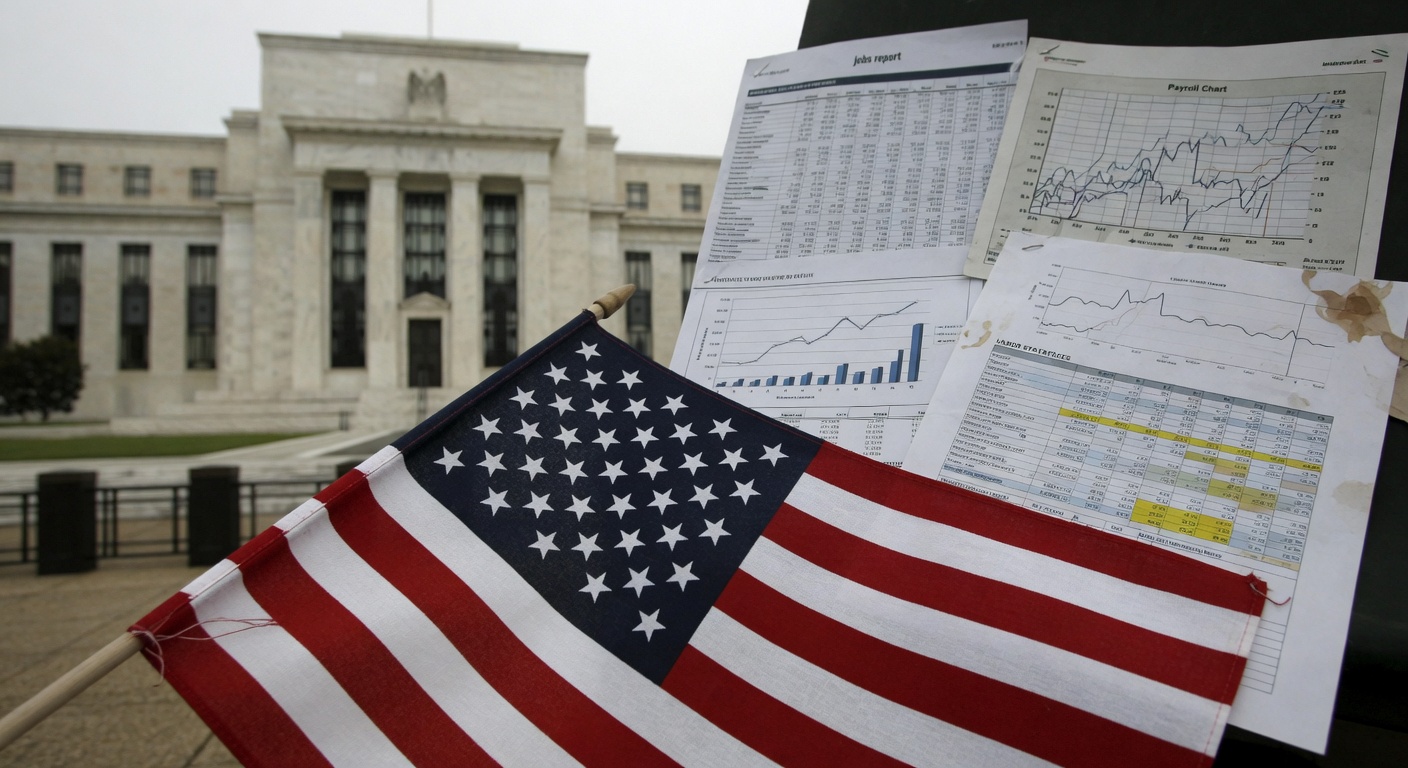
US Treasury Yields Rise on Inflation Watch and Geopolitical Oil Pressures

- Yields on US Treasuries climbed in the lead-up to the August 12 CPI release, with the 10-year note approaching 4.7% amid oil price gains from Middle East tensions and lingering Fed hike expectations.
US Treasury yields have been on an upward trajectory in early August 2026, with the benchmark 10-year note yield rising above 4.7% and the 30-year exceeding 5.25%, driven by a combination of sticky inflation expectations and geopolitical risks pushing oil prices higher.
This move reflects investor positioning ahead of the July CPI data and ongoing uncertainty from the Fed's July hold, where markets continue to debate the odds of a September rate increase despite softer employment figures.
The rise in borrowing costs is notable as it occurs against a backdrop of resilient US growth fueled by fiscal support and investment, yet it highlights bond market concerns over potential overheating.
This development matters for the macro landscape because elevated yields act as a de facto tightening mechanism, influencing everything from corporate borrowing to consumer spending on big-ticket items.
Drivers include renewed oil volatility tied to Iran-Hormuz tensions, which could feed into future inflation readings, and the Fed's divided stance signaling possible future action.
Sectors impacted include housing, where higher mortgage rates (already near 6.8%) further dampen affordability, and banks, which may benefit from wider net interest margins but face credit risks from slower growth.
Equities in rate-sensitive areas like tech and real estate have felt pressure, while energy stocks gain from oil strength.
Traders should watch real-time yield reactions to the CPI outcome, any Fed speaker comments outside blackout periods, and oil price developments for signals on whether yields continue climbing or stabilize.
Persistent high yields could cap equity upside and reinforce a neutral-to-cautious stance on risk assets until clearer policy direction emerges.
AI insight — what it means
Rising US government bond yields signal that investors expect higher borrowing costs ahead, which can make stocks and other risk assets less appealing for everyday investors. At the same time, higher oil prices from geopolitical tensions add pressure on inflation, raising the chance of tighter policy that affects savings and loans.
Unlock the full AI insight
Free account — takes 10 seconds.
- Why this story matters — explained simply
- How it moves prices, sectors and assets
- What traders and analysts are watching next
Share this story
Spread the signal — link, social or copy.
Related topics
Related coverage
Fed Chair Warsh Makes First Hires Including 'Project 2025' Author
Fed Officials Signal Readiness to Hike Rates on Inflation Risks

US April PCE Inflation Surges to 3.8% YoY, Fastest in Three Years

ECB Says Consumer Price Expectations Ease But Stay Elevated

US April Core PCE Inflation Hits 3.3% Annual Rate