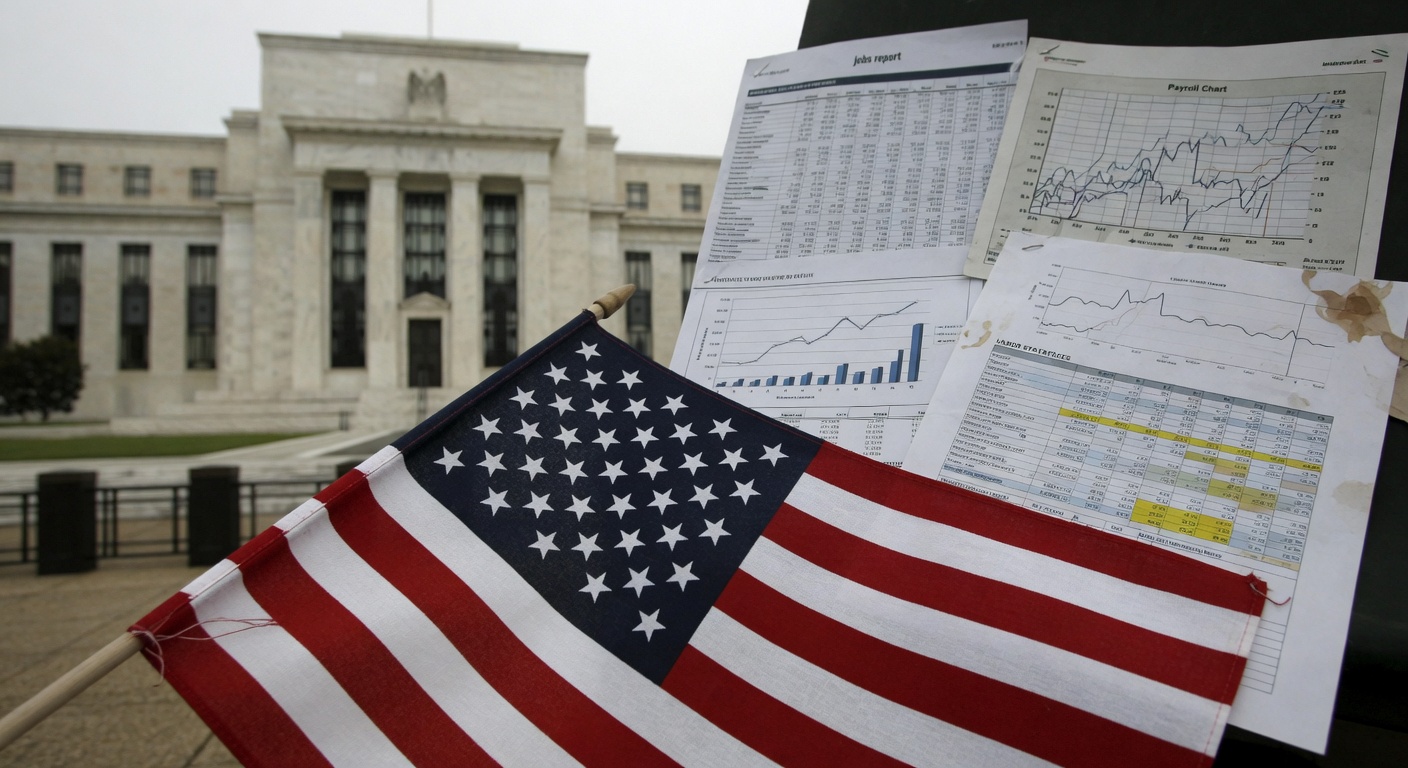
US PCE Inflation Holds Steady at Elevated Levels, Intensifying Fed Rate Hike Debate
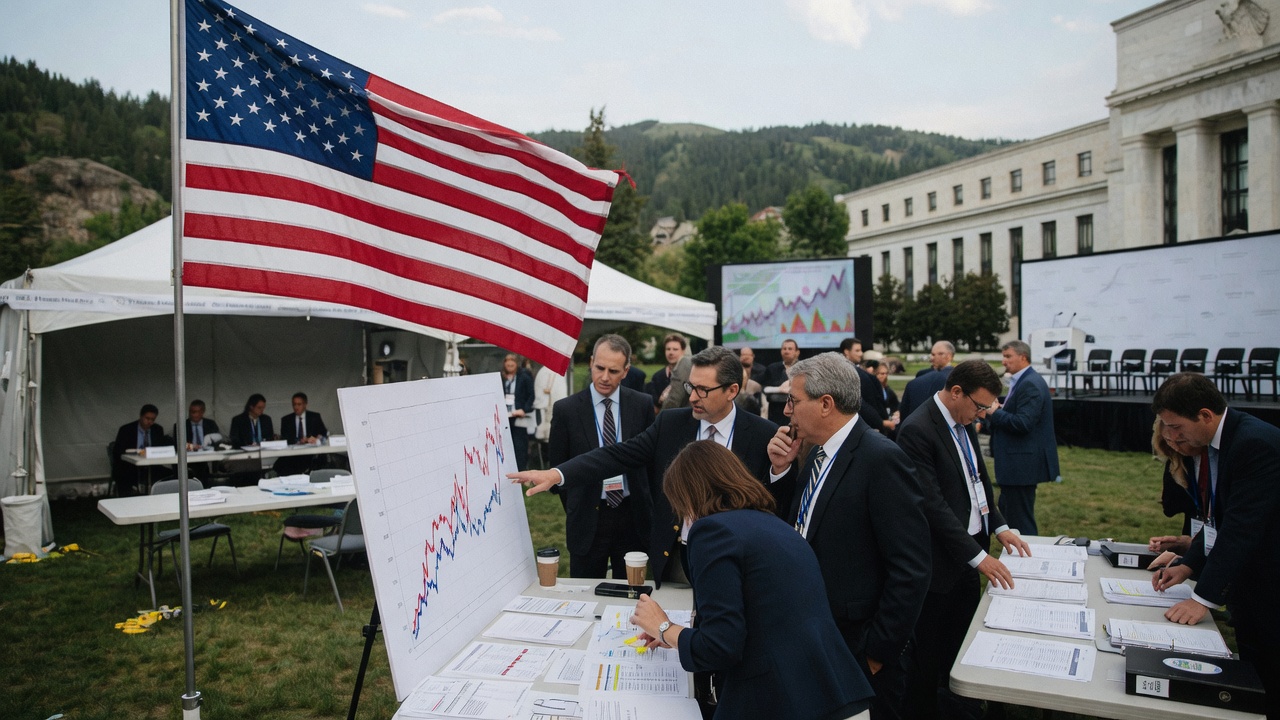
- July PCE inflation remained at 3.7% year-over-year, above the Fed's 2% target, with core measures showing no improvement; this follows recent data and comes amid Jackson Hole discussions.
The latest Personal Consumption Expenditures (PCE) price index data released on August 26 showed annual inflation holding steady at 3.7% through July, matching June's level and defying expectations for further cooling.
Monthly PCE rose 0.2% after a 0.1% decline, while core PCE stayed at 3.3% year-over-year. This stickiness, driven partly by lingering effects from Middle East tensions and energy prices, has reignited internal Fed divisions on whether to hike rates soon.
Second-quarter GDP growth was revised upward slightly due to stronger consumer spending at 3.4%, painting a resilient economy that may require tighter policy to tame prices. Fed Chair Kevin Warsh's team faces pressure as inflation has now exceeded target for 65 consecutive months.
Markets reacted by lifting the probability of a September hike to around 40-44% from lower levels pre-data. This matters because persistent inflation risks eroding purchasing power and forcing central banks into prolonged tightening cycles, potentially slowing growth more than anticipated.
Sectors like housing and autos, sensitive to borrowing costs, could face renewed pressure if rates rise. Traders should watch upcoming August inflation prints, Warsh's Jackson Hole speech, and labor market data for clues on whether the Fed shifts from hold to hike.
The data underscores that supply-side shocks from geopolitics are complicating the disinflation path, affecting equities broadly but favoring value over growth stocks in a higher-for-longer environment.
Analysts note that without a clear deceleration, the risk of policy error increases, with implications for global capital flows and USD strength.
AI insight — what it means
High inflation numbers mean everyday prices are not coming down as hoped, so the central bank may keep interest rates higher for longer. This can make borrowing more expensive and slow down spending and investing across the economy.
Unlock the full AI insight
Free account — takes 10 seconds.
- Why this story matters — explained simply
- How it moves prices, sectors and assets
- What traders and analysts are watching next
Share this story
Spread the signal — link, social or copy.
Related topics
Related coverage
Fed Chair Warsh Makes First Hires Including 'Project 2025' Author
Fed Officials Signal Readiness to Hike Rates on Inflation Risks
US April PCE Inflation Surges to 3.8% YoY, Fastest in Three Years
ECB Says Consumer Price Expectations Ease But Stay Elevated
US April Core PCE Inflation Hits 3.3% Annual Rate