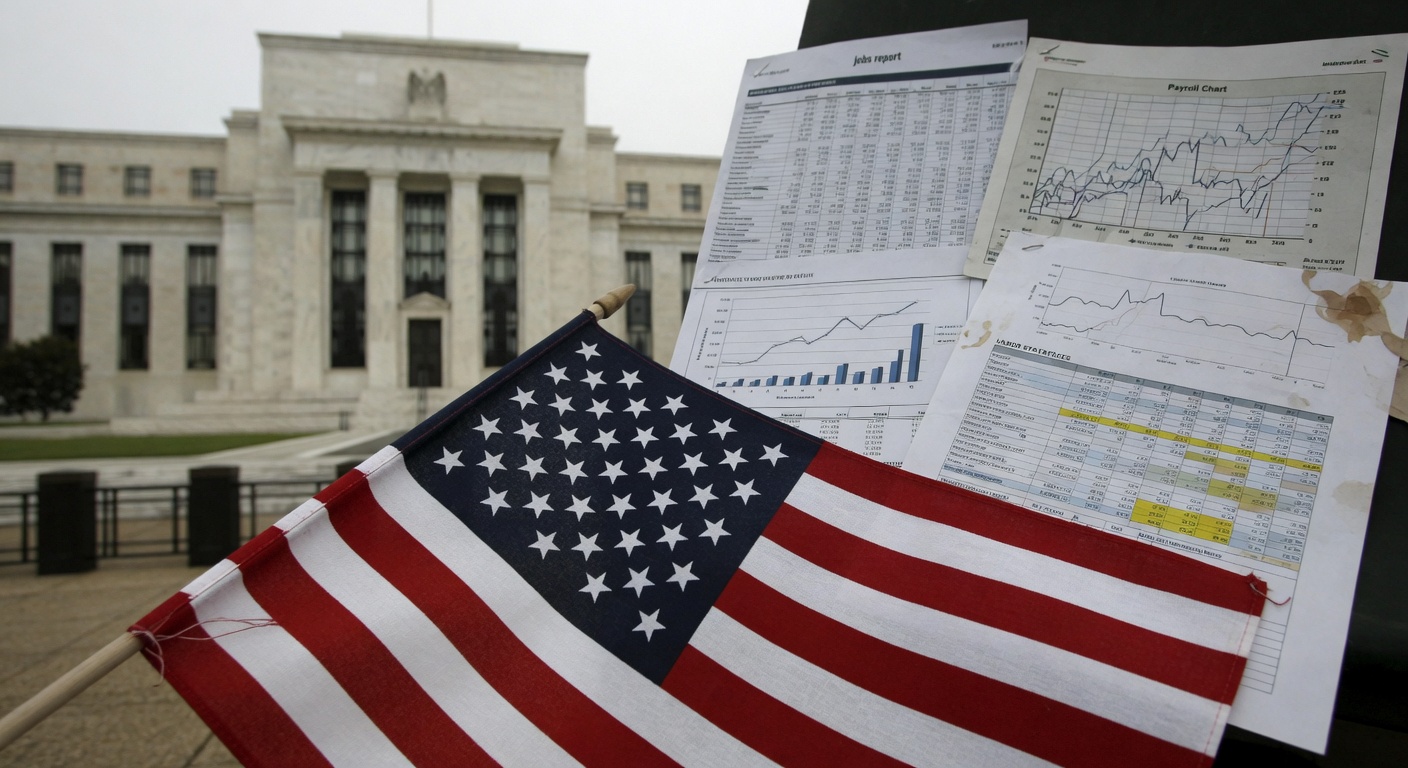
US July CPI and PPI Show Cooling Inflation, Easing Near-Term Rate Hike Fears
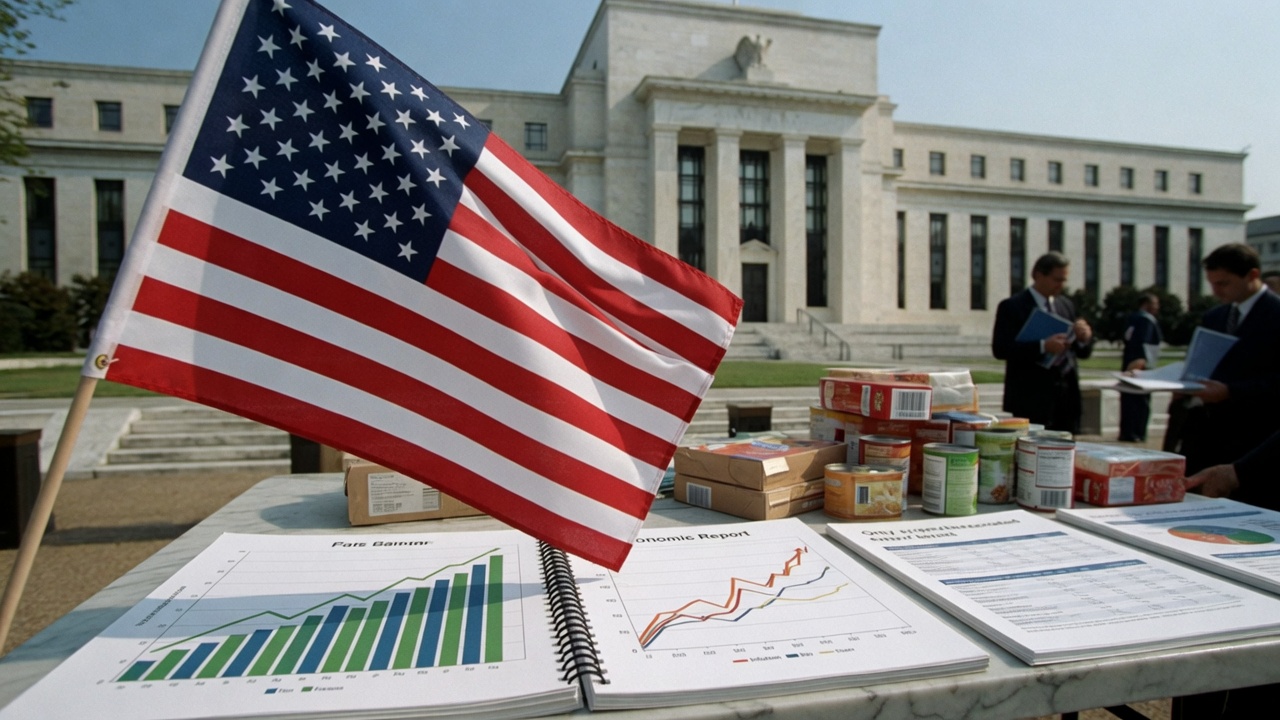
- US consumer prices rose 0.1% in July for a 3.4% annual rate, while wholesale prices were flat, both aligning with or below expectations.
The latest US inflation readings for July delivered a measure of relief to markets, with the consumer price index advancing just 0.1% month-over-month to bring the annual pace to 3.4%.
Core measures also moderated in line with forecasts, suggesting the post-pandemic disinflation trend remains intact despite earlier energy volatility.
Complementing this, the producer price index came in flat for the month, underperforming the 0.2% consensus and pointing to subdued pipeline pressures. These figures matter because they directly inform Federal Reserve decision-making under Chair Warsh.
The data buys the central bank additional time to assess whether inflation is sustainably returning to target before committing to further policy adjustments.
With upcoming meetings in focus, the softer-than-feared prints have led traders to trim September rate hike probabilities, supporting risk assets in the short term. However, the annual CPI rate still sits above 3%, keeping vigilance high on services and shelter components.
Equities, particularly growth and tech names, benefited as lower rate expectations supported valuations, while the dollar softened and Treasury yields eased across the curve. Sectors sensitive to borrowing costs, such as housing and autos, saw relative outperformance.
Conversely, banks faced some pressure from the flatter yield environment. Traders should monitor the next CPI release, retail sales, and Fed speakers for clues on the September dot plot. Any rebound in oil or persistent core services inflation could quickly reprice hike odds higher.
Position sizing in duration and equity beta should account for the narrow path between soft-landing optimism and reacceleration risks, with volatility likely to spike around data prints and policy rhetoric.
AI insight — what it means
Cooling inflation readings suggest prices are rising more slowly than expected. This reduces the chance of quick interest rate increases, which can support prices of stocks and other investments.
Unlock the full AI insight
Free account — takes 10 seconds.
- Why this story matters — explained simply
- How it moves prices, sectors and assets
- What traders and analysts are watching next
Share this story
Spread the signal — link, social or copy.
Related topics
Related coverage
Fed Chair Warsh Makes First Hires Including 'Project 2025' Author
Fed Officials Signal Readiness to Hike Rates on Inflation Risks
US April PCE Inflation Surges to 3.8% YoY, Fastest in Three Years
ECB Says Consumer Price Expectations Ease But Stay Elevated
US April Core PCE Inflation Hits 3.3% Annual Rate