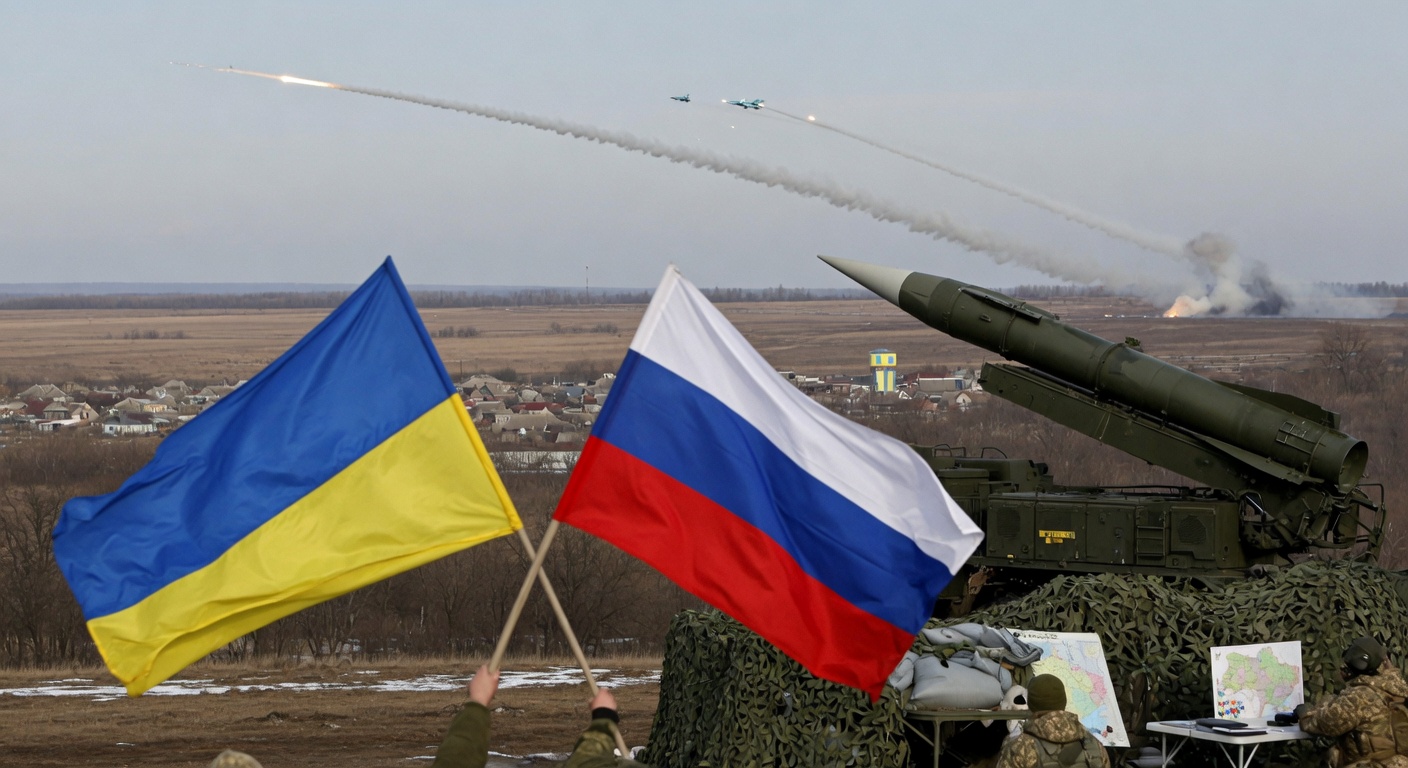
US-Iran War Impasse and Strait of Hormuz Disruptions Drive Oil Volatility
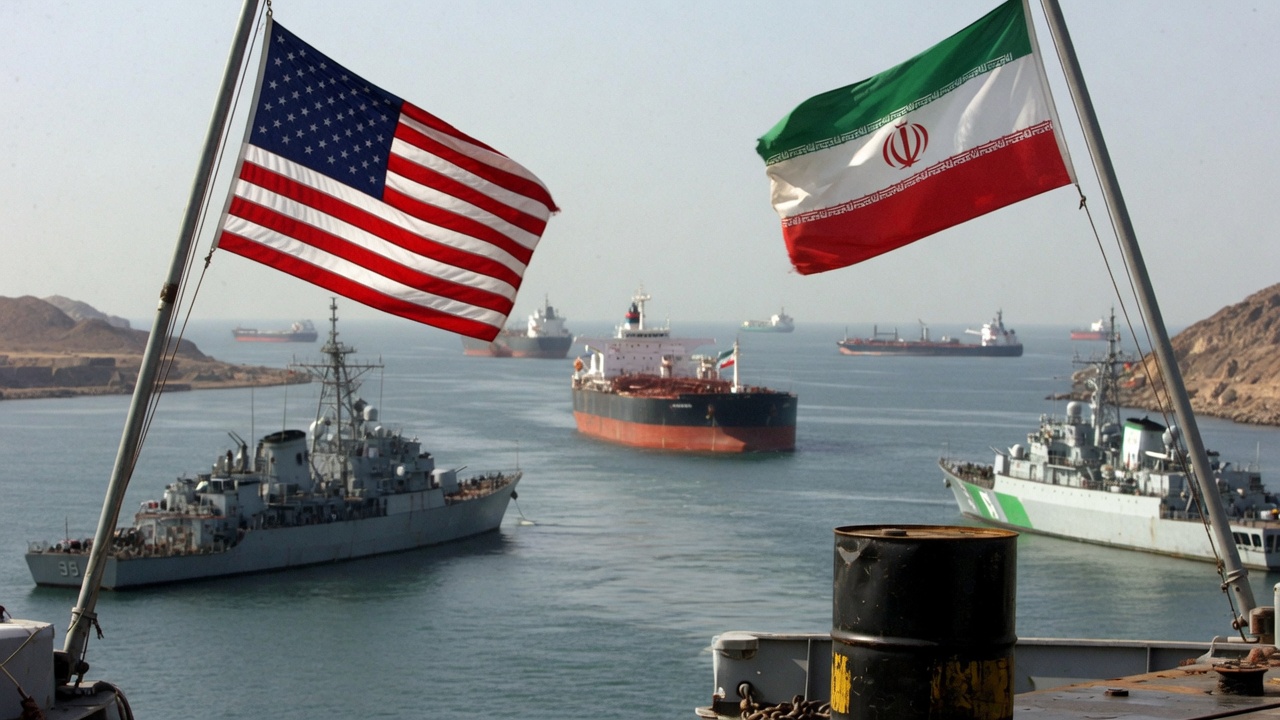
- Ongoing US-Iran conflict talks stalled as of August 12-13 2026, with attacks on ships continuing and uncertainty over reopening the Strait of Hormuz keeping oil prices elevated amid supply concerns.
The US-Iran war that began in late February 2026 continues to dominate energy markets into mid-August, with fresh reports showing no progress on extending a fragile ceasefire and persistent maritime attacks in the Gulf and Red Sea.
Iranian officials have stated the Strait of Hormuz will remain closed unless the US alters its behavior, directly threatening flows that represent about one-fifth of global oil and LNG trade before the conflict.
This impasse follows volatile price swings, including sharp drops on hopes of de-escalation earlier in the month and rebounds tied to doubts over any quick diplomatic fix.
Oil traders are pricing in sustained risk premiums as global inventories face scrutiny over their ability to buffer another six months of disruptions, with Aramco noting the world has already lost 2.6 billion barrels since February.
OPEC's downward revision of 2026 demand growth to just 580,000 barrels per day adds a counterweight but has not offset the geopolitical bid. Defense stocks stand to benefit from prolonged tensions, while safe-haven gold has climbed above $4,400 per ounce.
Traders should monitor any signals from Islamabad talks, Iranian Supreme National Security Council statements, and weekly US crude inventory data for clues on whether supply fears intensify or ease.
Further escalation could push Brent toward recent highs near $90+, while any breakthrough risks a rapid unwind of the risk premium.
AI insight — what it means
Tensions between the US and Iran are blocking oil shipments through a key waterway, which can push oil prices higher and raise costs for fuel and goods. Everyday investors may see this affect energy-related investments and broader market swings.
Unlock the full AI insight
Free account — takes 10 seconds.
- Why this story matters — explained simply
- How it moves prices, sectors and assets
- What traders and analysts are watching next
Share this story
Spread the signal — link, social or copy.
Related topics
Related coverage
Russia Launches Major Missile and Drone Strikes on Ukraine
US-Iran Ceasefire on 'Life Support' Amid Ongoing Gulf Exchanges
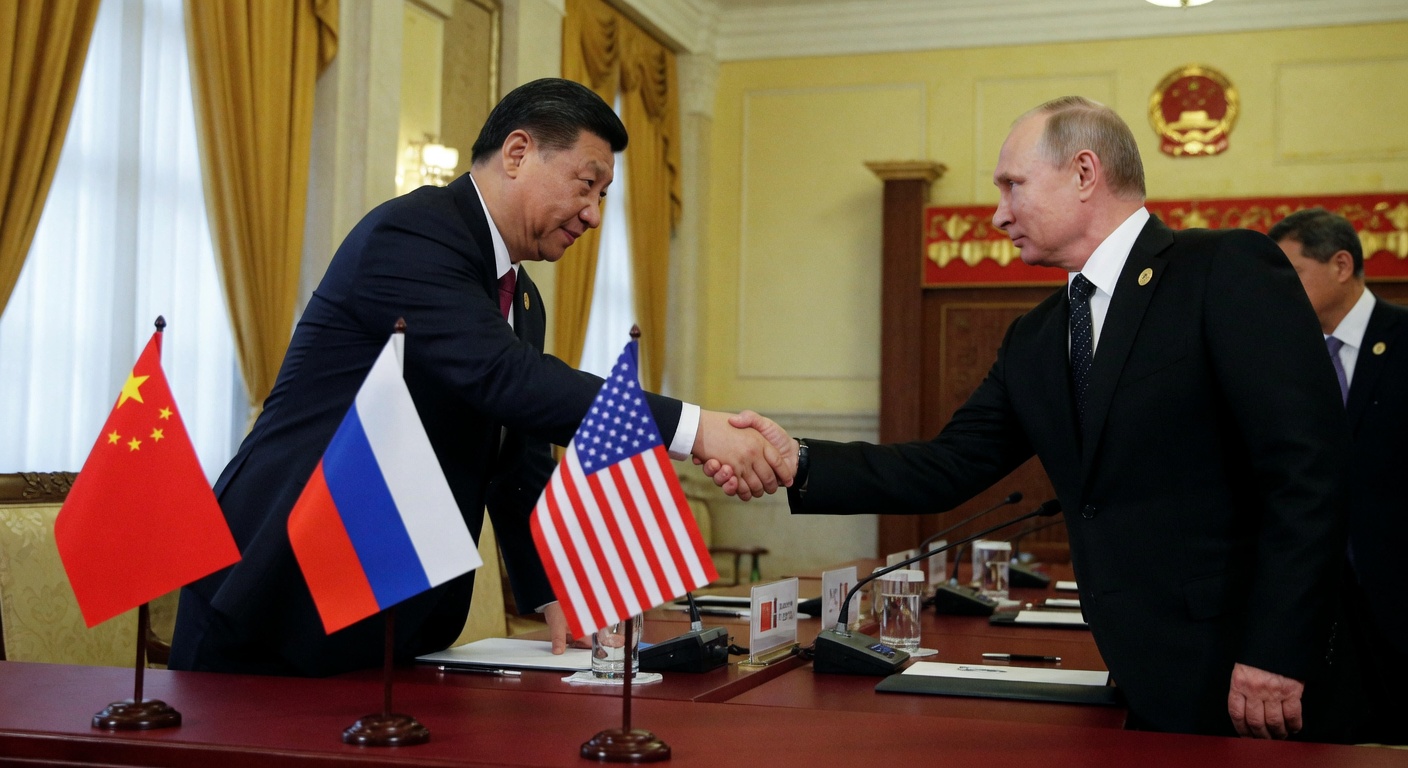
Xi and Putin Meet in Beijing, Condemn US Policies
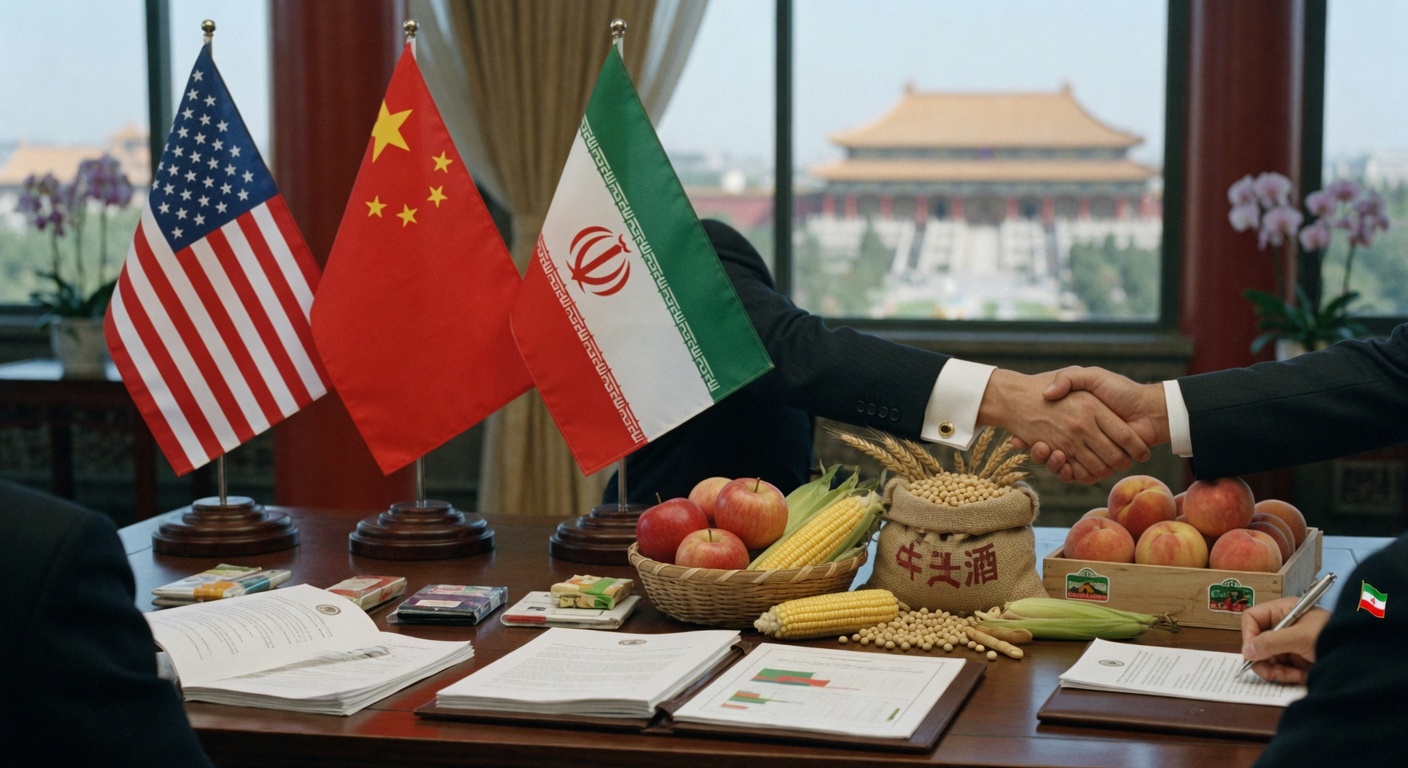
US Expects Billions in Chinese Farm Purchases Post-Trump-Xi Summit
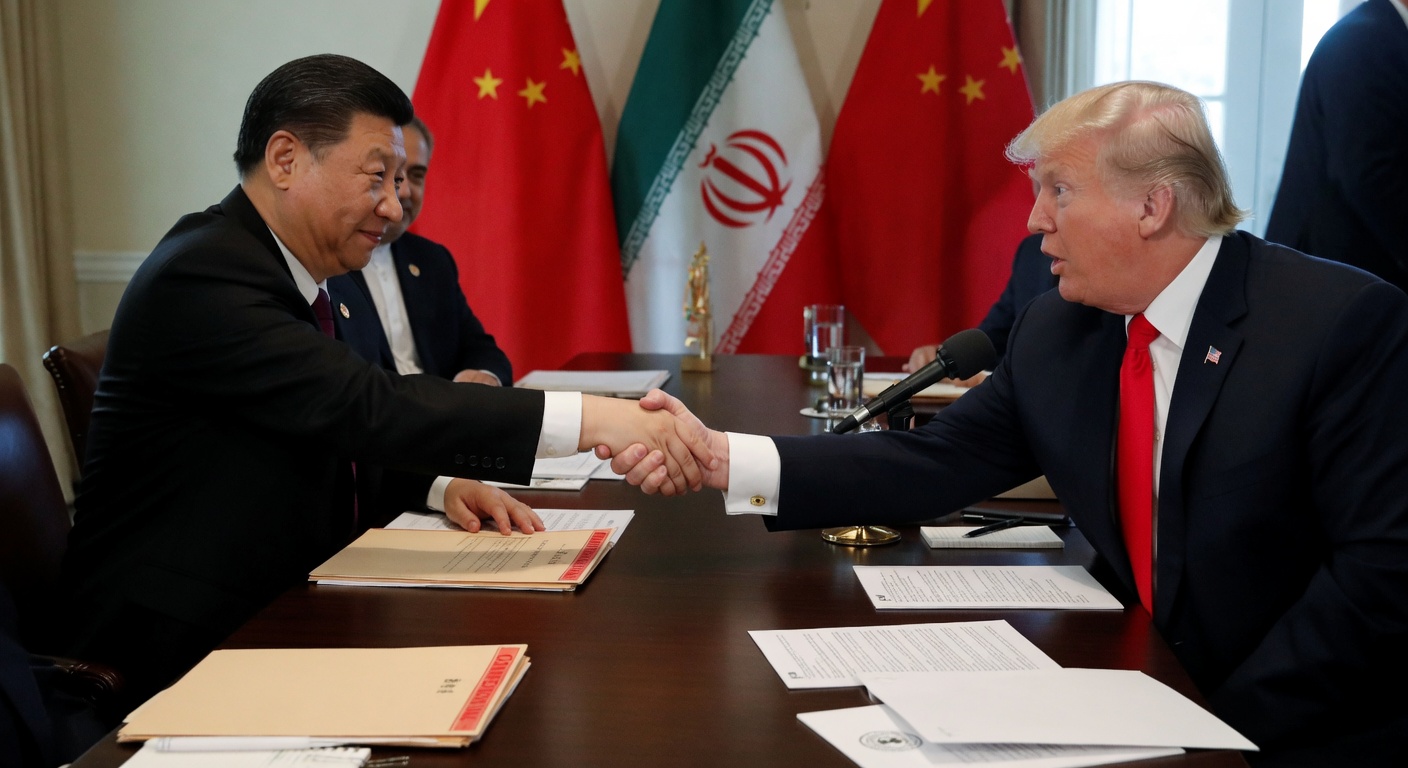
Trump Seeks China's Help to End Iran War During Trade Talks