US-Iran Military Escalation Renews Strait of Hormuz Risks, Spikes Oil Prices
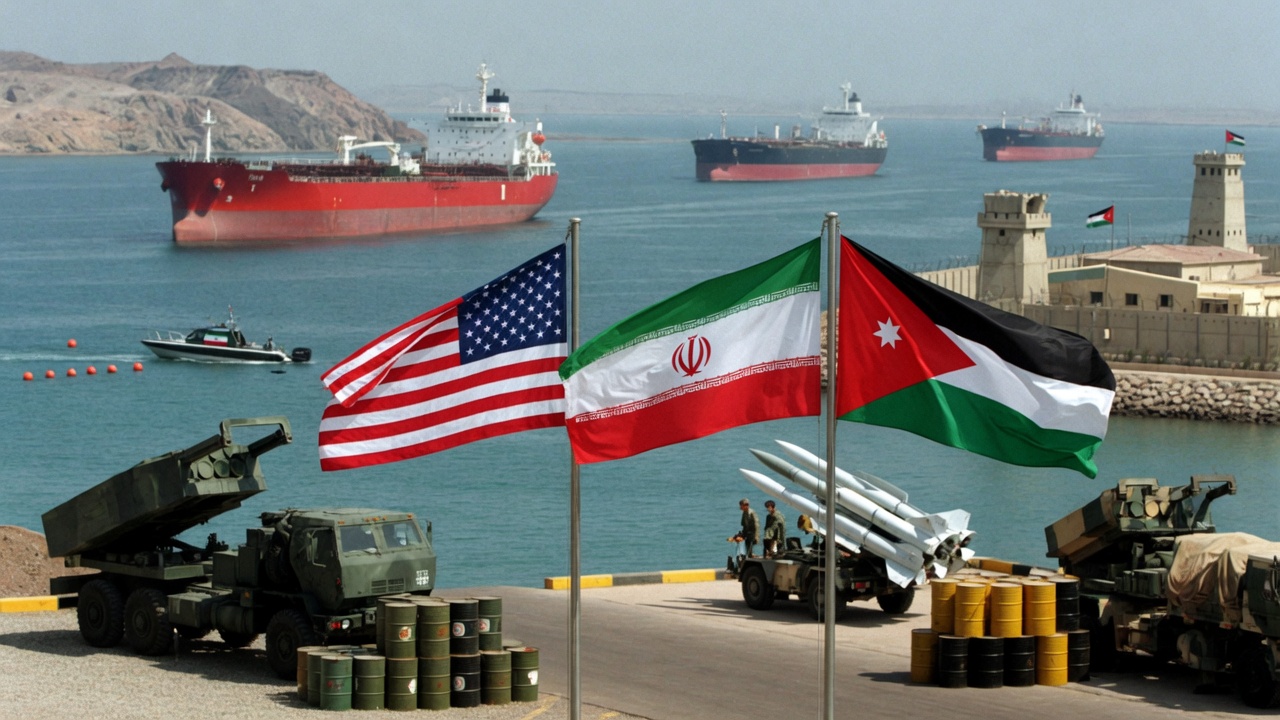
- On August 31, 2026, the US struck Iranian missile launchers on Larak Island in the Strait of Hormuz, prompting Iranian retaliation on US bases in Jordan; oil prices jumped over 2% above $90 per barrel amid renewed supply disruption fears.
The latest round of direct US-Iran military exchanges marks a sharp reversal from the economic standoff that had prevailed for weeks, injecting fresh volatility into global energy markets.
US forces targeted launch sites on Larak Island following Iranian missile activity, with Tehran responding by striking American positions in Jordan.
This cycle of escalation directly threatens the Strait of Hormuz, through which roughly one-fifth of seaborne oil trade flows, raising the specter of prolonged shipping disruptions or even partial closures.
Oil benchmarks such as Brent crude surged more than 2% in immediate reaction, pushing prices back above the $90 threshold and reviving memories of earlier 2026 spikes that briefly exceeded $120.
Defense contractors and energy producers stand to benefit from heightened tensions, while broader equities face downward pressure from inflation concerns.
Bond yields rose sharply as investors priced in potential Federal Reserve rate hikes to combat energy-driven price pressures, with the 10-year Treasury yield briefly exceeding 4.75%.
Safe-haven flows have been mixed: gold slipped toward two-week lows despite the geopolitical noise, as hawkish Fed commentary from Chair Warsh overshadowed the risk premium.
Traders should monitor Iranian rhetoric on further retaliation, any movement in tanker traffic data through the Strait, and upcoming US employment reports that could clarify the inflation trajectory.
A sustained oil rally above $95 would likely accelerate rotation into energy equities and commodities while pressuring rate-sensitive sectors; conversely, any de-escalatory signals from Washington or Tehran could trigger a rapid unwind in the risk premium.
Portfolio managers are advised to maintain hedges in oil futures and review exposure to Middle East-sensitive shipping and refining names.
AI insight — what it means
Tensions between the US and Iran are raising worries that oil shipments through a key waterway could be blocked, pushing oil prices higher. This may increase costs for fuel and goods that everyday investors buy.
Unlock the full AI insight
Free account — takes 10 seconds.
- Why this story matters — explained simply
- How it moves prices, sectors and assets
- What traders and analysts are watching next
Share this story
Spread the signal — link, social or copy.
Related topics
Related coverage
Russia Launches Major Missile and Drone Strikes on Ukraine
US-Iran Ceasefire on 'Life Support' Amid Ongoing Gulf Exchanges
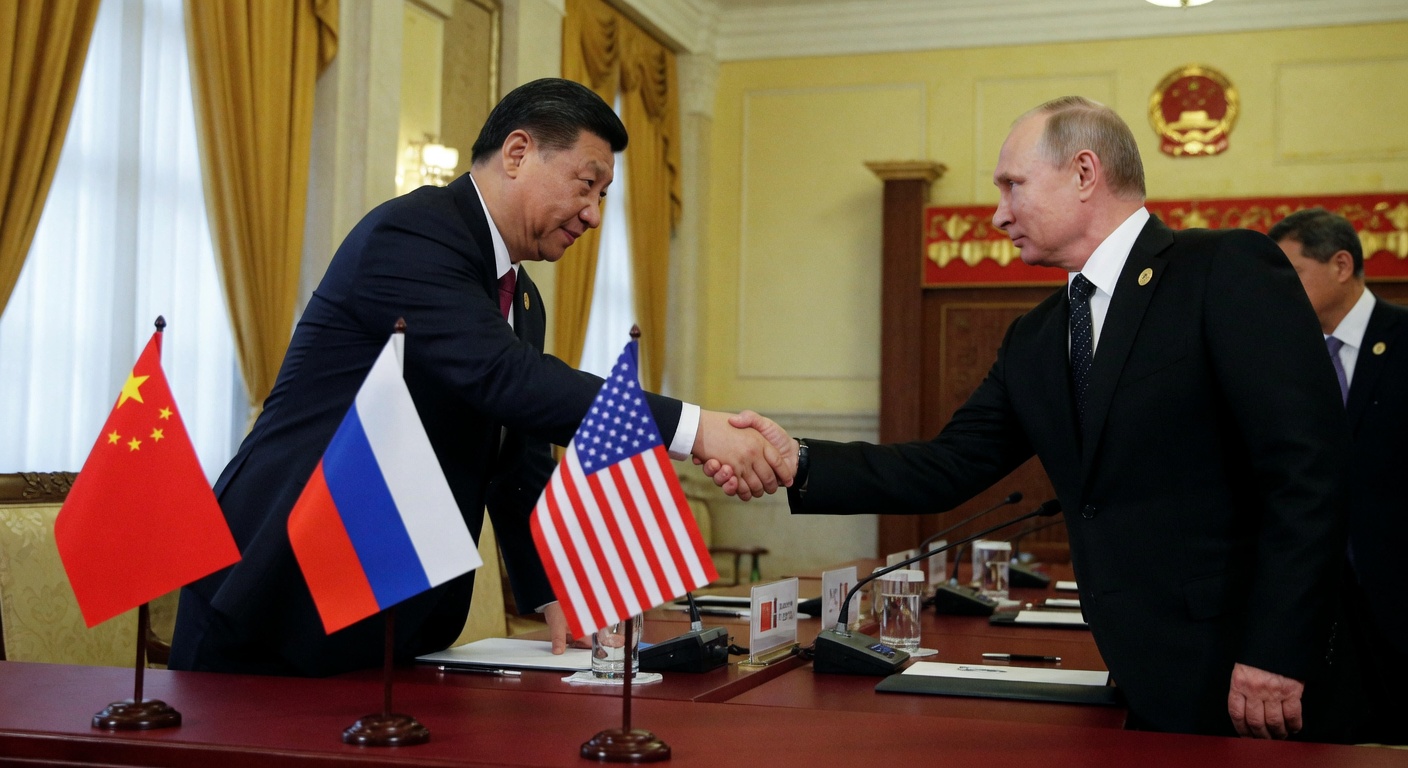
Xi and Putin Meet in Beijing, Condemn US Policies
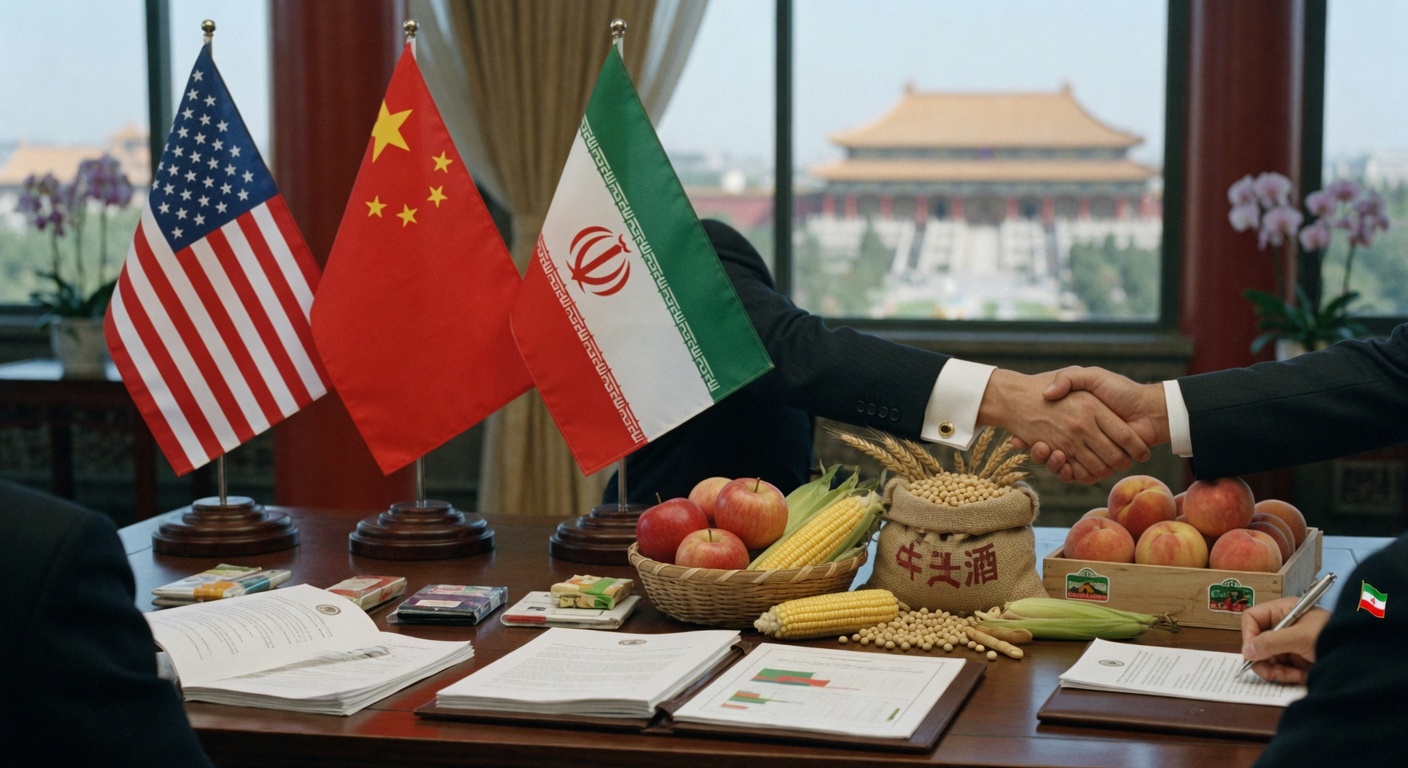
US Expects Billions in Chinese Farm Purchases Post-Trump-Xi Summit
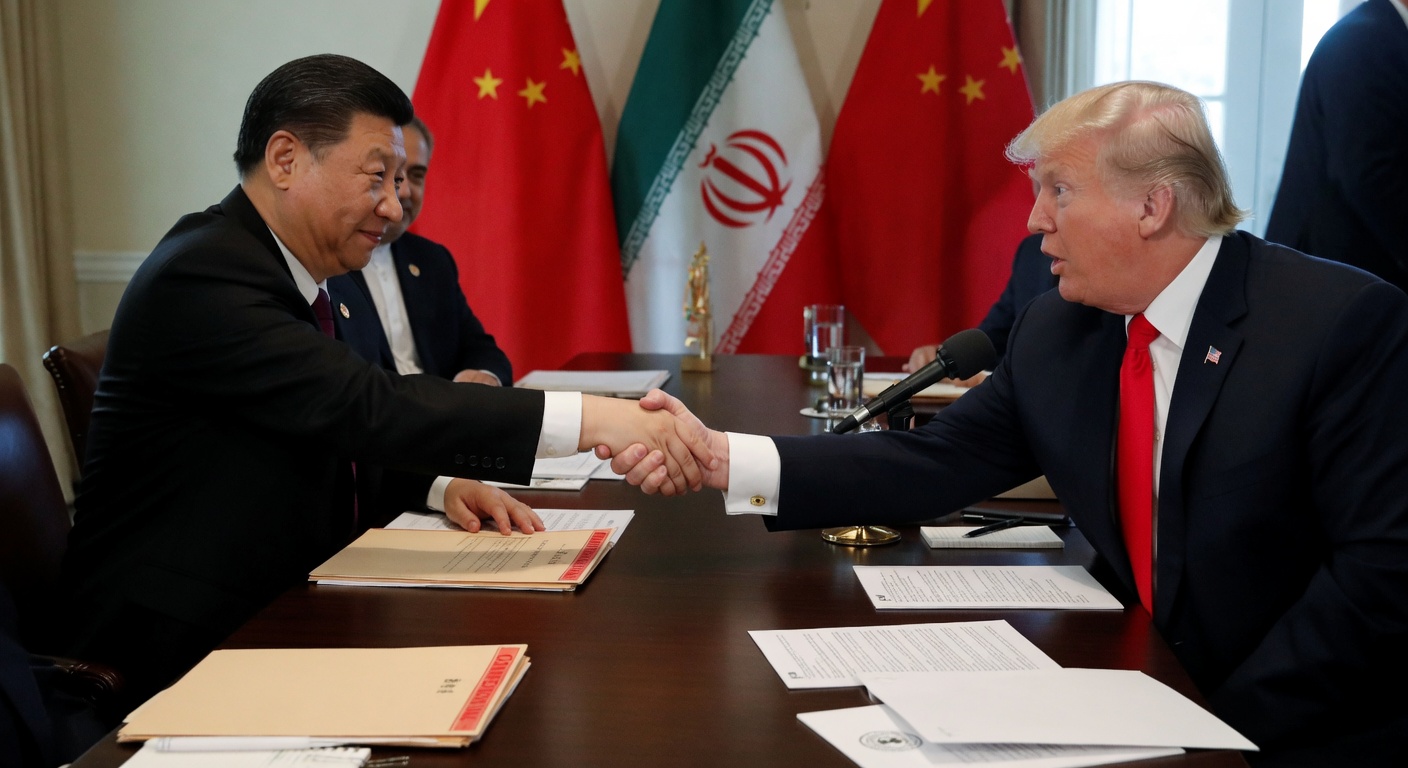
Trump Seeks China's Help to End Iran War During Trade Talks