US-Iran Military Attacks Resume, Oil Jumps Over 3%
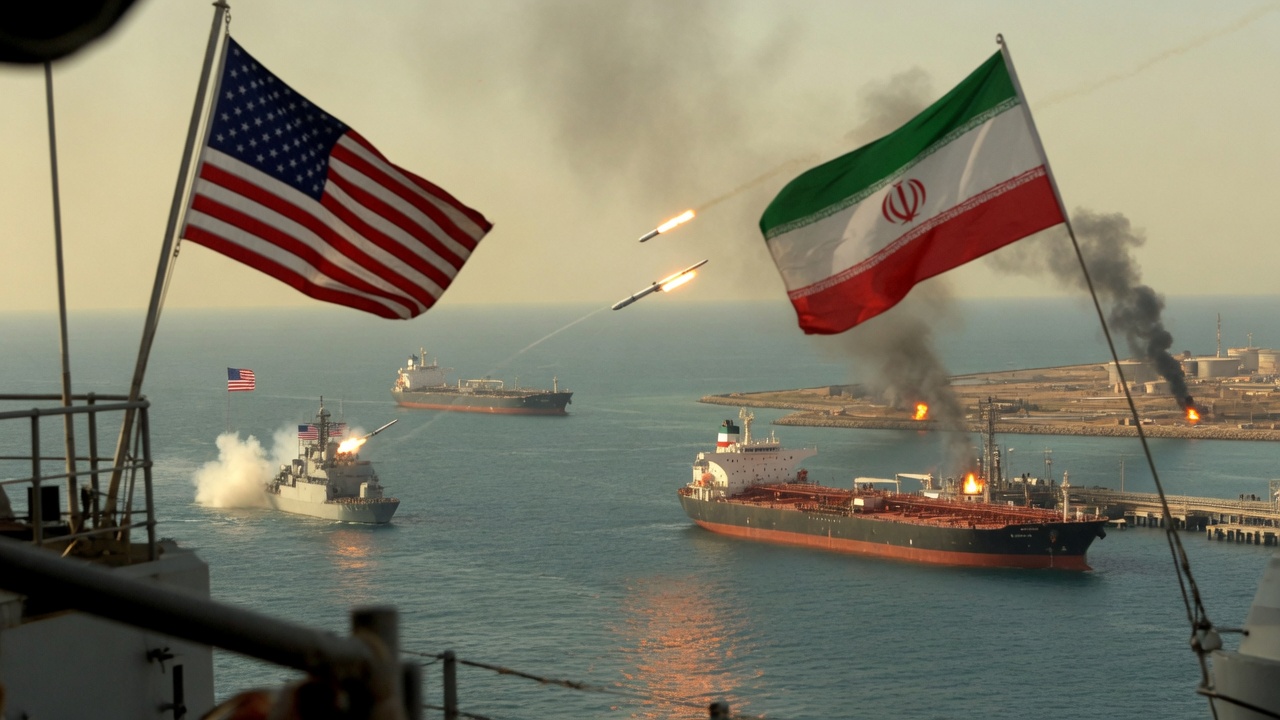
- US and Iran resumed hostilities with attacks reported near key energy sites; oil prices surged more than 3% amid Strait of Hormuz disruptions and Trump's AI video of Kharg Island.
The resumption of direct military actions between the US and Iran on August 30 marks a significant escalation in the six-month conflict that began in late February 2026.
Reports indicate strikes near Iran's Larak Island and renewed tensions around the Strait of Hormuz, a critical chokepoint for nearly 20% of global oil trade. This development drove immediate market reactions, with Brent crude climbing over 3% as traders priced in heightened supply risks.
President Trump's posting of an AI-generated video depicting the destruction of Iran's Kharg Island energy hub further inflamed rhetoric, though Iranian officials dismissed it as fabricated and 'laughable.' The underlying drivers include ongoing US efforts to isolate Iran's economy through expanded sanctions and military pressure, compounded by Iran's refusal to reopen the strait fully.
This story matters profoundly for energy markets because any sustained disruption could push oil toward record highs, echoing the largest supply crisis on record.
Defense contractors stand to benefit from increased military spending and stockpiling needs, while broader equities may face downside pressure from inflation fears and higher energy costs. Safe-haven assets like gold and the US dollar typically see inflows during such spikes in geopolitical risk.
Traders should monitor weekly updates on secondary sanctions from Treasury Secretary Bessent, potential Iranian retaliation via proxies like the Houthis, and any signs of diplomatic backchannels or further attacks on energy infrastructure.
Watch for OPEC+ responses, Chinese import adjustments that have partially offset disruptions so far, and daily tanker transit data through Hormuz. Volatility in shipping rates and defense sector earnings reports will also provide key signals for positioning.
AI insight — what it means
Tensions between the US and Iran have led to attacks near key oil sites, raising fears that oil supplies could be disrupted. This has pushed oil prices higher as traders expect possible shortages in the near term.
Unlock the full AI insight
Free account — takes 10 seconds.
- Why this story matters — explained simply
- How it moves prices, sectors and assets
- What traders and analysts are watching next
Share this story
Spread the signal — link, social or copy.
Related topics
Related coverage
Russia Launches Major Missile and Drone Strikes on Ukraine
US-Iran Ceasefire on 'Life Support' Amid Ongoing Gulf Exchanges
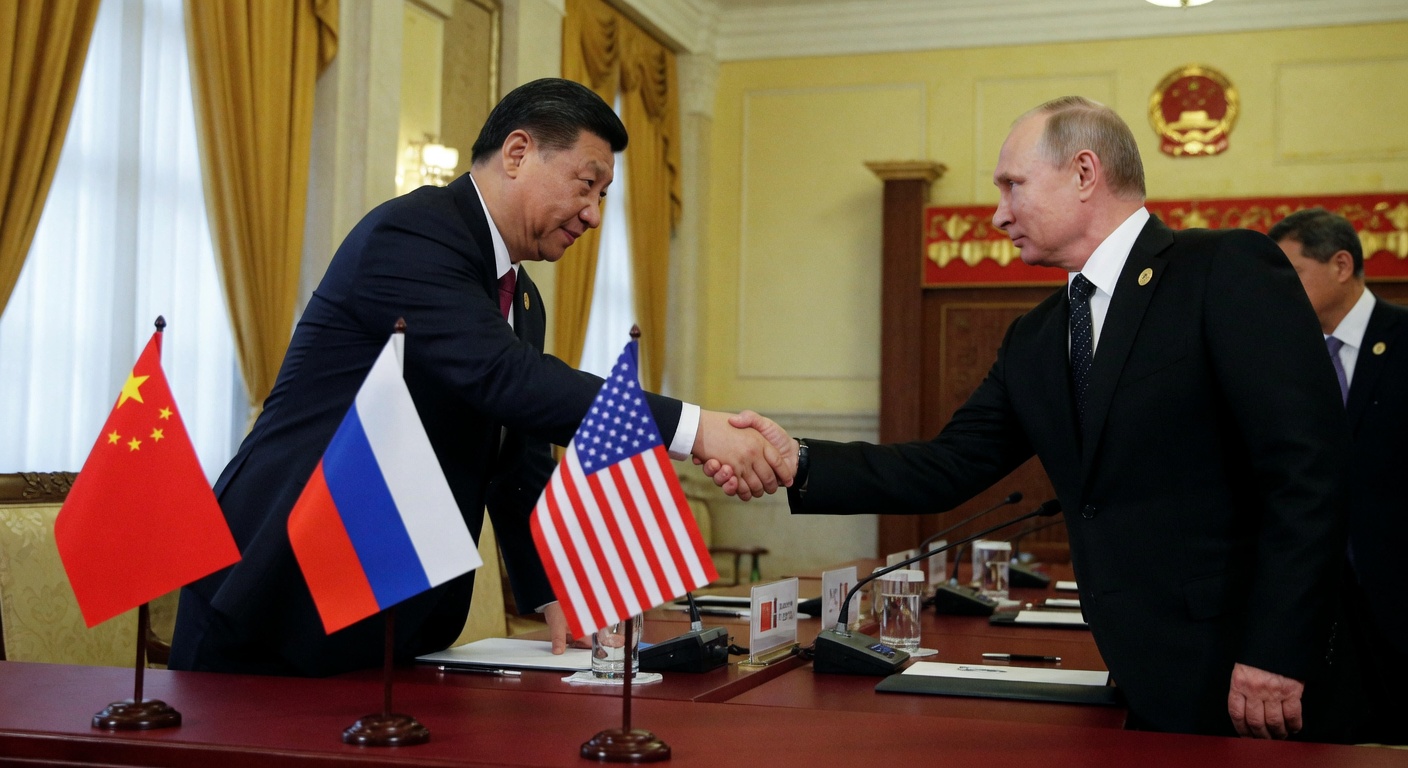
Xi and Putin Meet in Beijing, Condemn US Policies
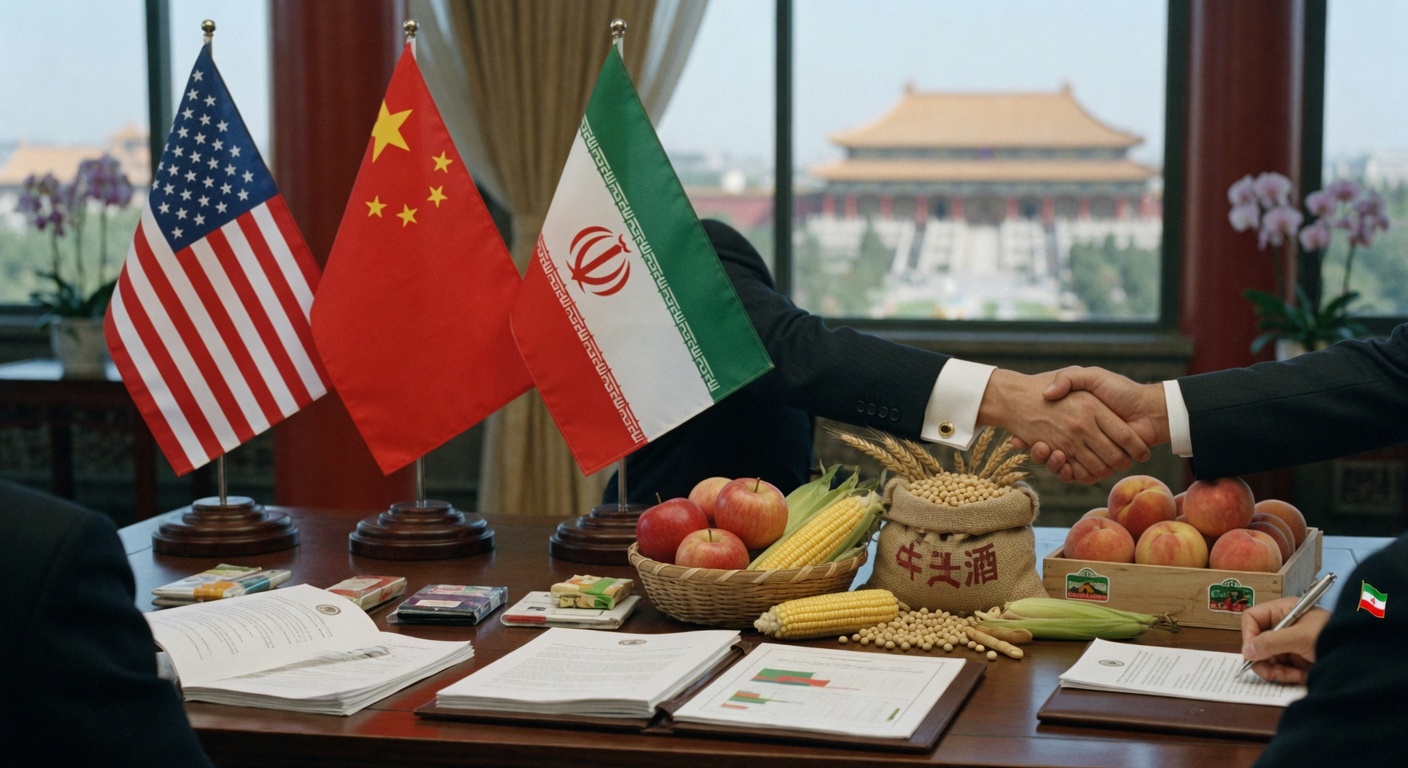
US Expects Billions in Chinese Farm Purchases Post-Trump-Xi Summit
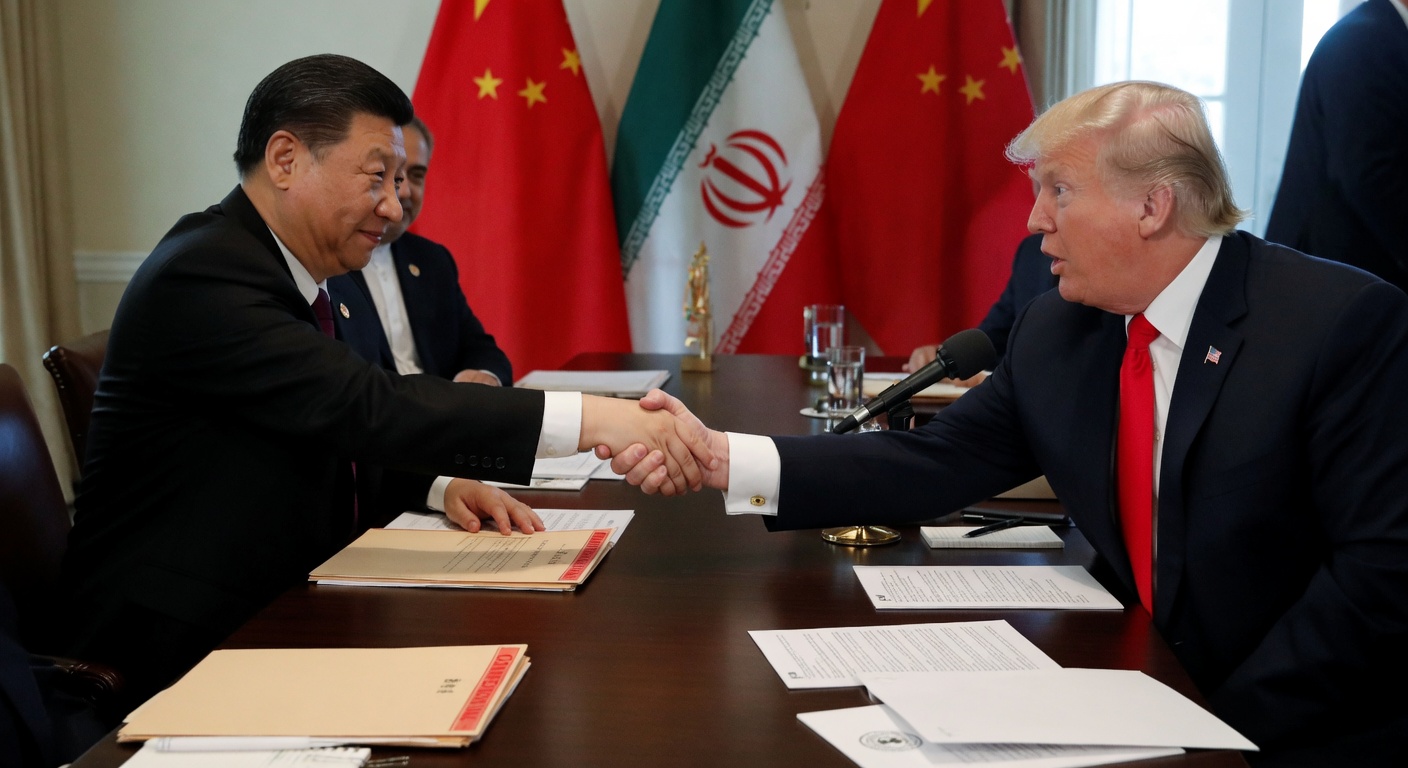
Trump Seeks China's Help to End Iran War During Trade Talks