US-Iran Hormuz Stalemate Sends Oil Prices Surging
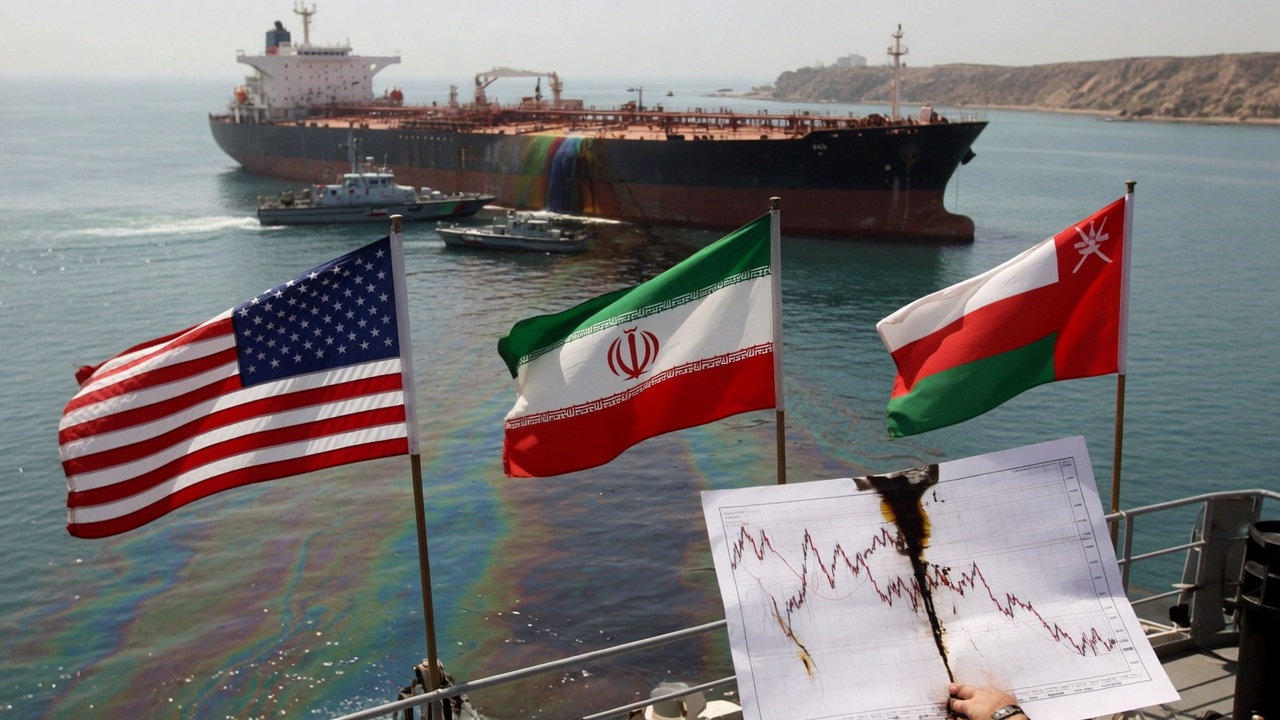
- Negotiations between the US and Iran over reopening the Strait of Hormuz hit an impasse on August 10-11, 2026, as Tehran demands sanctions relief, compensation, and an end to blockades while a deal with Oman nears final stages.
- Oil prices rallied nearly 5% on Monday, with Brent at $87.72 and WTI at $82.13.
The prolonged closure of the Strait of Hormuz, through which roughly one-fifth of global oil trade once flowed, has created a structural supply shock that is rippling through energy markets and beyond.
Iran's hardened stance—tying any reopening to US concessions including frozen asset releases and war reparations—has dimmed hopes for a quick diplomatic resolution, keeping traders on edge. This uncertainty is directly bullish for crude benchmarks as inventories tighten and rerouting adds costs.
Defense contractors stand to benefit from sustained naval deployments in the Gulf, while safe-haven assets like gold have touched multi-week highs amid broader inflation fears.
Equity markets, particularly in Asia and the US, faced pressure as higher energy prices threaten to reignite inflationary pressures ahead of key data releases. Gulf stock exchanges traded cautiously, reflecting regional exposure to any escalation.
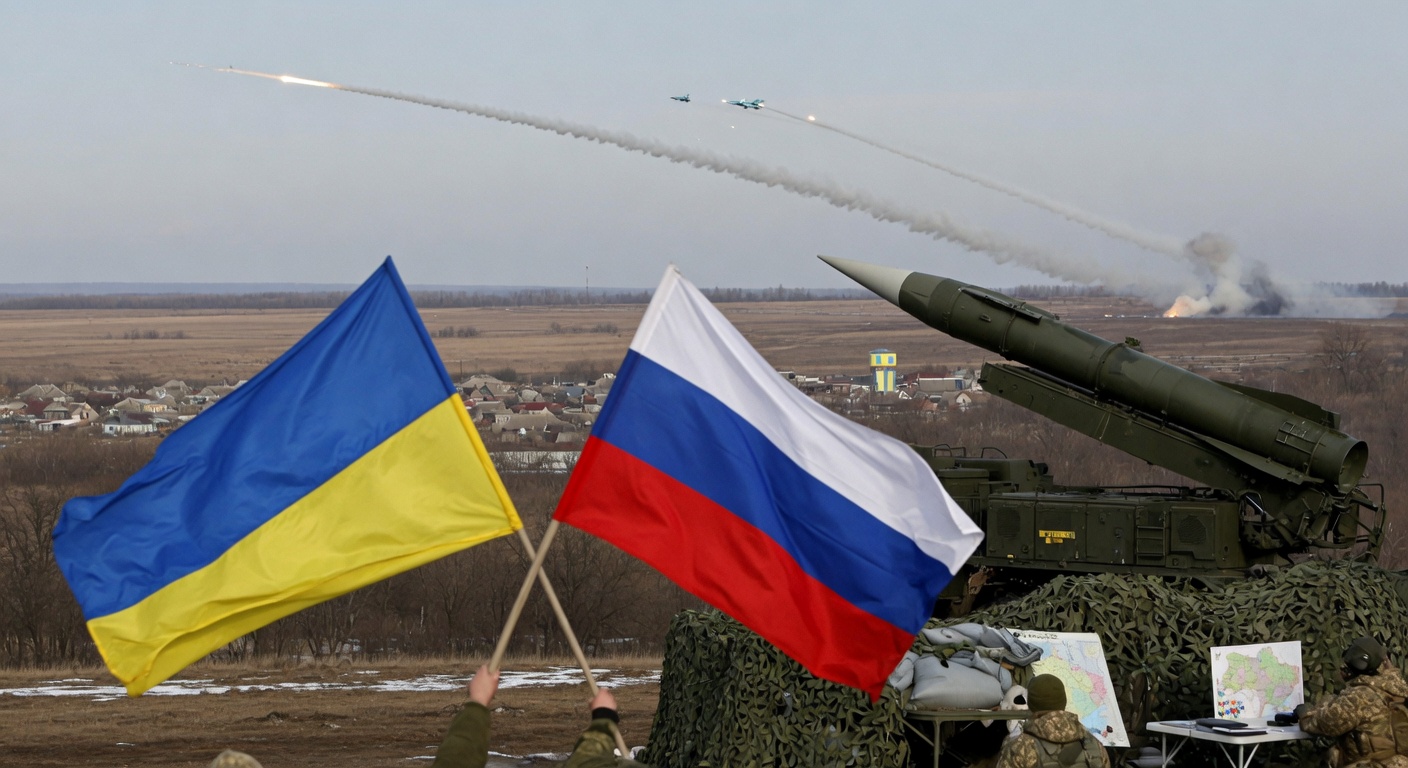
Traders should monitor US inflation prints this week, any new statements from Trump on sanctions policy, and signals from Oman on transit arrangements. Further Ukrainian strikes on Russian energy assets or Houthi activity could compound volatility.
The situation underscores how geopolitical chokepoints continue to dominate price discovery in 2026, with potential for sharp moves on any breakthrough or breakdown in talks.
AI insight — what it means
The stalled talks between the US and Iran over the Strait of Hormuz raise concerns about possible oil supply issues from that key route. This has already pushed oil prices higher, which can increase costs for fuel and many goods that rely on oil for transport.
Unlock the full AI insight
Free account — takes 10 seconds.
- Why this story matters — explained simply
- How it moves prices, sectors and assets
- What traders and analysts are watching next
Share this story
Spread the signal — link, social or copy.
Related topics
Related coverage
Russia Launches Major Missile and Drone Strikes on Ukraine
US-Iran Ceasefire on 'Life Support' Amid Ongoing Gulf Exchanges
Xi and Putin Meet in Beijing, Condemn US Policies
US Expects Billions in Chinese Farm Purchases Post-Trump-Xi Summit
Trump Seeks China's Help to End Iran War During Trade Talks