US-Iran Conflict Escalates Amid Hormuz Tensions, Driving Oil Prices Higher
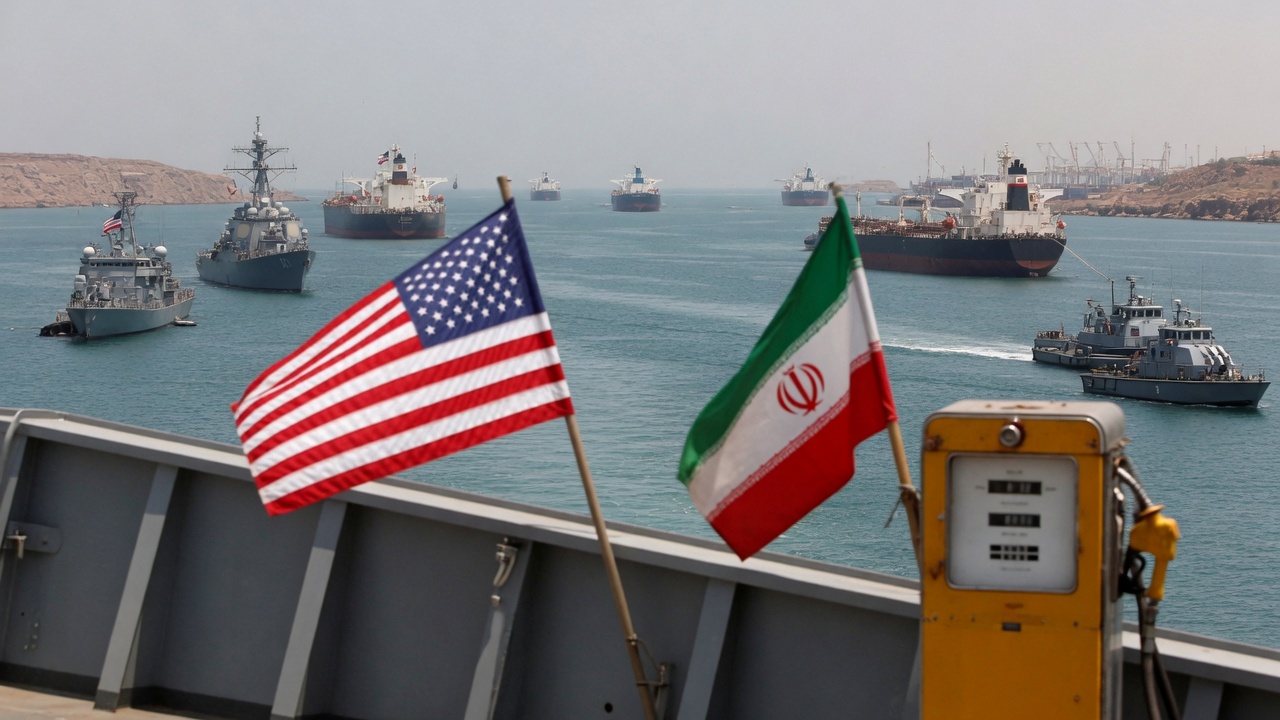
- Ongoing US-Iran war and threats to the Strait of Hormuz have pushed oil markets to price in prolonged disruptions, with gasoline prices rising sharply as of August 22-23, 2026.
The protracted conflict between the United States and Iran, now entering its sixth month, has fundamentally altered global energy dynamics, with the Strait of Hormuz emerging as a critical flashpoint.
Recent reports indicate that hopes for a diplomatic resolution have faded following the collapse of an interim ceasefire, leaving both sides entrenched in their positions.
Iran has warned of potential escalation if the US fails to honor prior agreements, while President Trump has signaled continued pressure, including naval blockades. This standoff is forcing the oil market to treat supply disruptions not as temporary shocks but as a new baseline reality.
Refining capacity strains are already evident, with diesel and gasoline prices likely to stay elevated. Traders are closely monitoring Iranian threats of targeted strikes and US military posturing, which could spike Brent crude beyond current levels.
Defense contractors stand to benefit from heightened military spending, while safe-haven assets like gold and the Swiss franc may see inflows amid broader geopolitical risk aversion.
Equity markets in oil-importing nations, such as India, have already felt the pressure through higher input costs and sentiment hits. Next, watch for any updates on Pakistan's army chief visit to Tehran or G7 statements, as these could signal de-escalation or further polarization.
The November US congressional elections add political urgency, with Trump facing scrutiny over fuel costs that have risen 29% year-over-year.
Overall, this conflict underscores the vulnerability of energy transit chokepoints and is likely to sustain volatility in energy futures, boosting upstream producers and defense sectors while pressuring consumer discretionary and transportation industries.
Analysts recommend hedging with oil call options and monitoring tanker tracking data for early signs of supply squeezes.
AI insight — what it means
The news shows rising tensions between the US and Iran that threaten oil shipping routes, which is already lifting oil and gasoline prices. For a regular investor this means higher fuel costs that can ripple into everyday expenses and certain stock prices.
Unlock the full AI insight
Free account — takes 10 seconds.
- Why this story matters — explained simply
- How it moves prices, sectors and assets
- What traders and analysts are watching next
Share this story
Spread the signal — link, social or copy.
Related topics
Related coverage

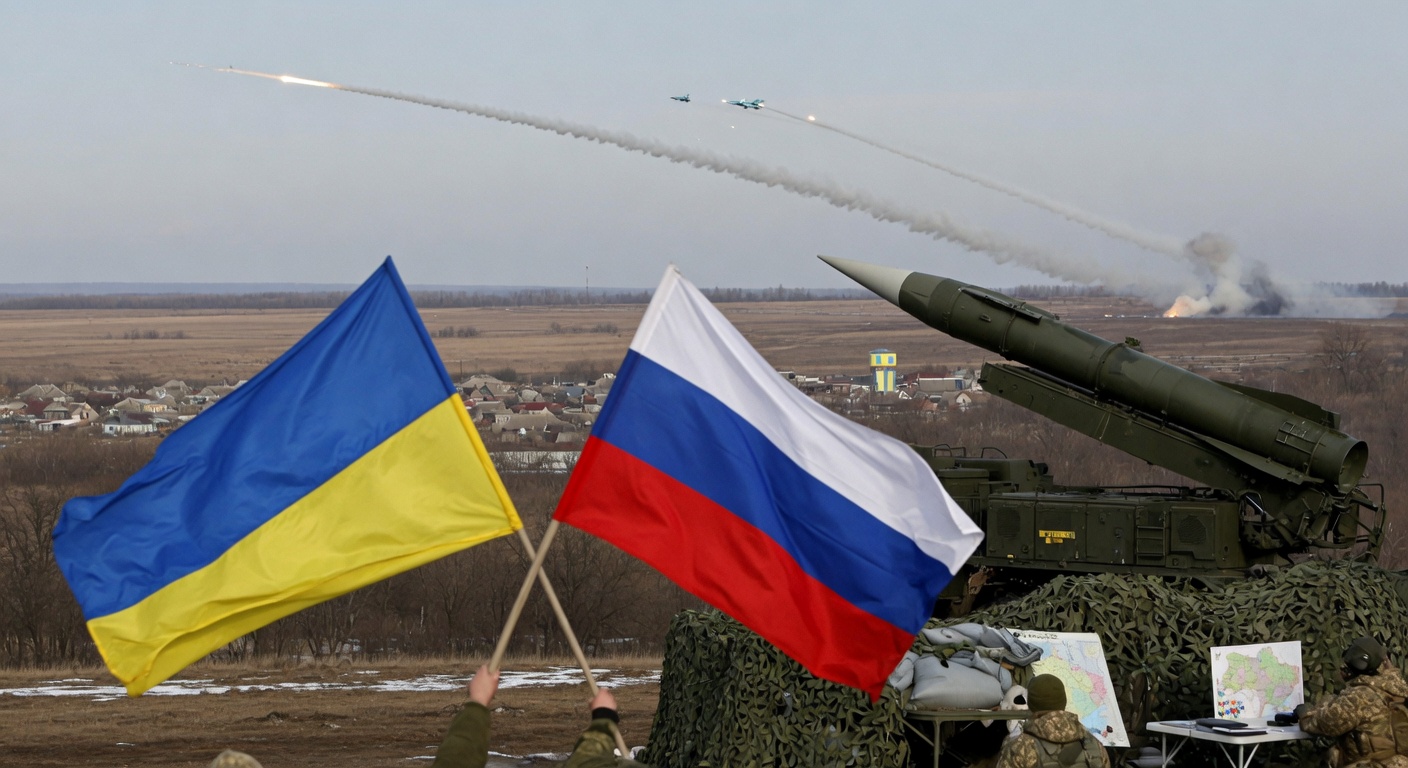
Russia Launches Major Missile and Drone Strikes on Ukraine
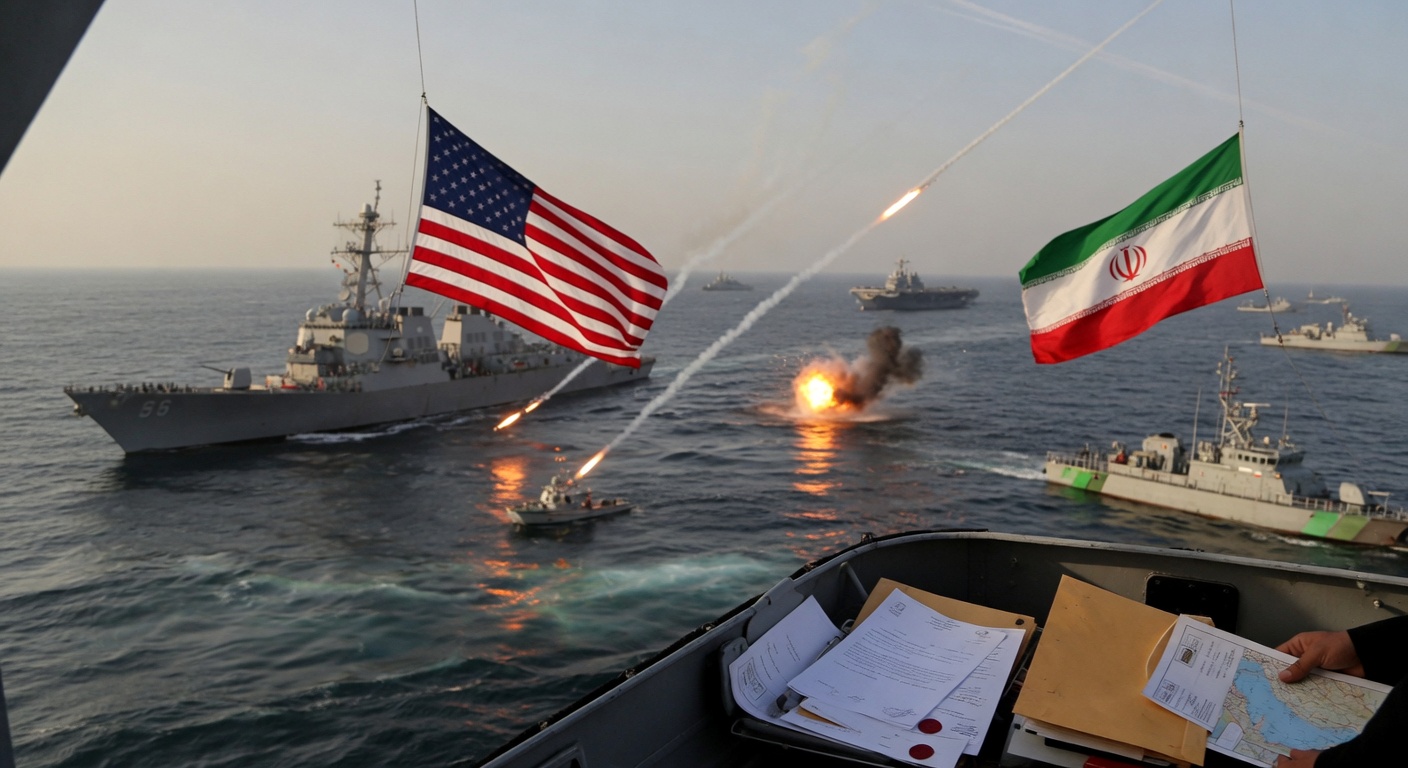
US-Iran Ceasefire on 'Life Support' Amid Ongoing Gulf Exchanges
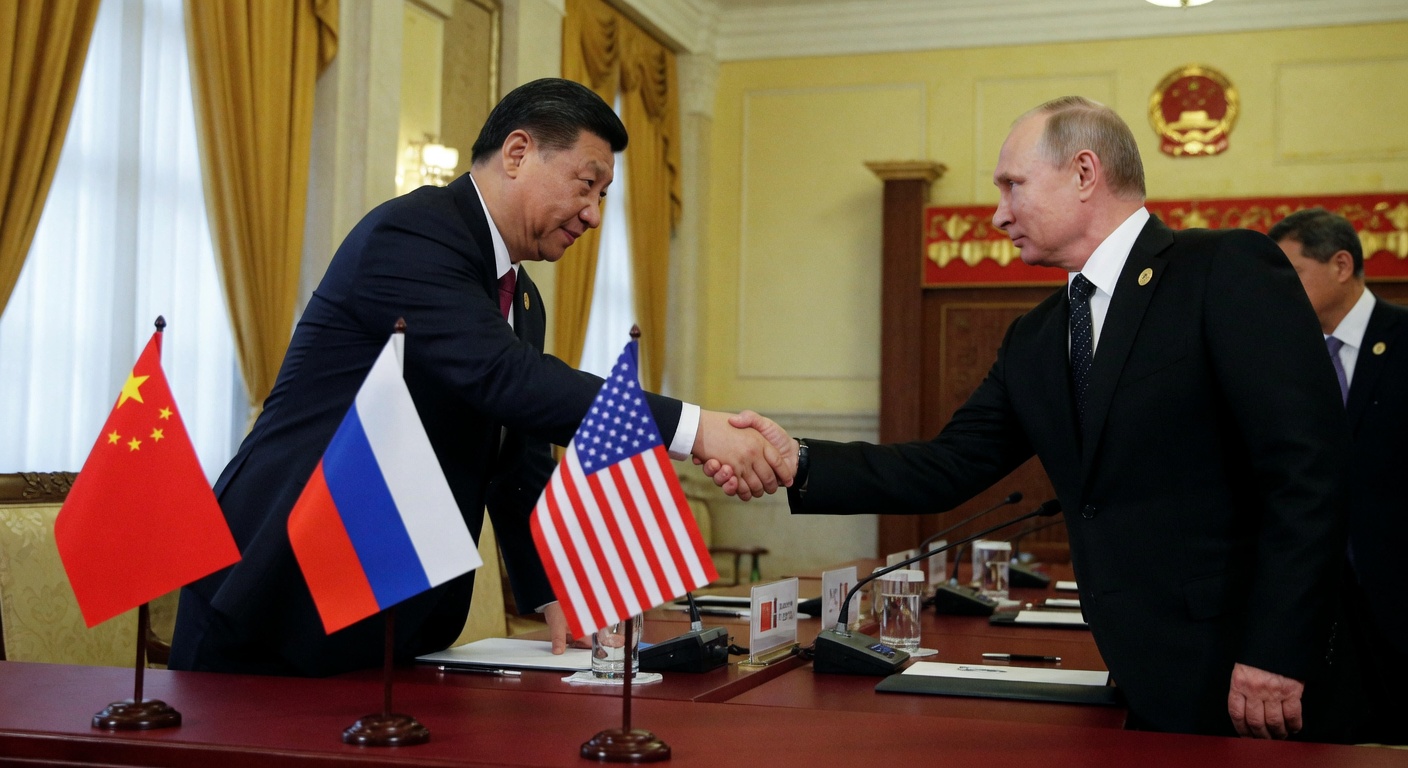
Xi and Putin Meet in Beijing, Condemn US Policies
US Expects Billions in Chinese Farm Purchases Post-Trump-Xi Summit
Trump Seeks China's Help to End Iran War During Trade Talks