US-Iran Ceasefire Expires Amid Iranian Threats to Strait of Hormuz
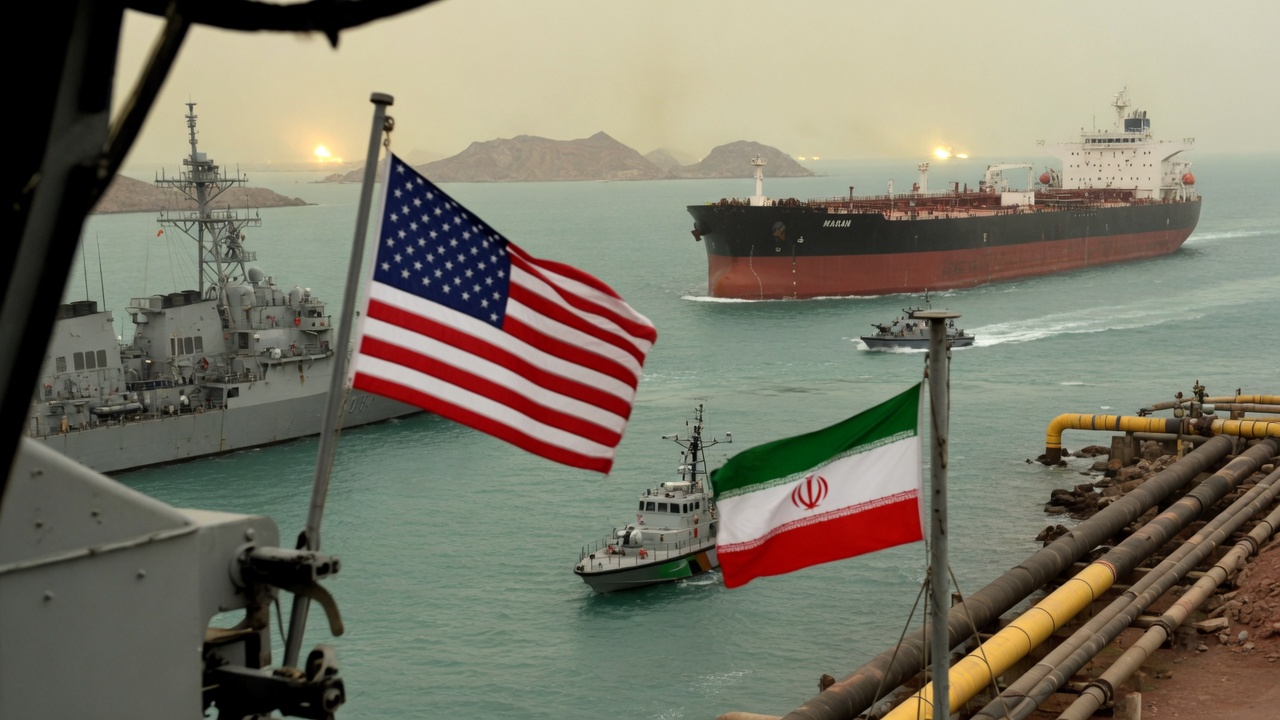
- Iran threatened a new offensive and 'fully offensive' posture as the US-Iran ceasefire expired, halting progress on oil tanker traffic through the Strait of Hormuz.
- Oil prices extended gains for a third day while bond yields climbed to multi-decade highs.
The expiration of the fragile US-Iran ceasefire on August 18, 2026, marks a sharp escalation in the ongoing Middle East conflict that began with US-Israeli strikes on Iran in late February.
Iranian officials signaled willingness to resume hostilities and potentially disrupt shipping if diplomacy fails, directly threatening the Strait of Hormuz, through which roughly 20% of global oil flows.
This development comes after months of stalled peace talks involving mediators and even rare direct contacts between US envoys and Hamas representatives.
Market reaction has been swift and pronounced: Brent and WTI crude futures rose over $2 per barrel, extending a multi-day rally driven by fears of renewed supply disruptions.
Asian equities drifted sideways as investors priced in higher inflation risks, while US Treasury yields surged on expectations of tighter monetary policy to combat energy-driven price pressures.
Defense contractors stand to benefit from heightened geopolitical risk premiums, with increased spending likely on naval assets, missile systems, and regional basing. Safe-haven assets such as gold and the Japanese yen also saw inflows, though the primary move has been in energy and rates.
The conflict's persistence is fueled by mutual distrust, with the US demanding Iranian concessions and Tehran leveraging its position near critical chokepoints.
Traders should monitor daily Hormuz transit data, any new sanctions announcements targeting Iranian oil exports or Chinese refiners handling it, and statements from OPEC+ members on spare capacity releases.
Next key catalysts include potential US military posturing or Iranian Revolutionary Guard movements, which could push oil toward $100+ if tensions spike further. Portfolio implications favor energy longs, defense equities, and duration-short fixed income until clear de-escalation signals emerge.
AI insight — what it means
This news means tensions between the US and Iran could disrupt oil shipments through a key waterway, often leading to higher fuel costs for drivers and businesses. Retail investors may see energy investments gain while rising bond yields could make borrowing more expensive across the economy.
Unlock the full AI insight
Free account — takes 10 seconds.
- Why this story matters — explained simply
- How it moves prices, sectors and assets
- What traders and analysts are watching next
Share this story
Spread the signal — link, social or copy.
Related topics
Related coverage
Russia Launches Major Missile and Drone Strikes on Ukraine
US-Iran Ceasefire on 'Life Support' Amid Ongoing Gulf Exchanges
Xi and Putin Meet in Beijing, Condemn US Policies
US Expects Billions in Chinese Farm Purchases Post-Trump-Xi Summit
Trump Seeks China's Help to End Iran War During Trade Talks