US Intensifies Sanctions on Iran Amid Six-Month War, Weighing on Tehran's Economy
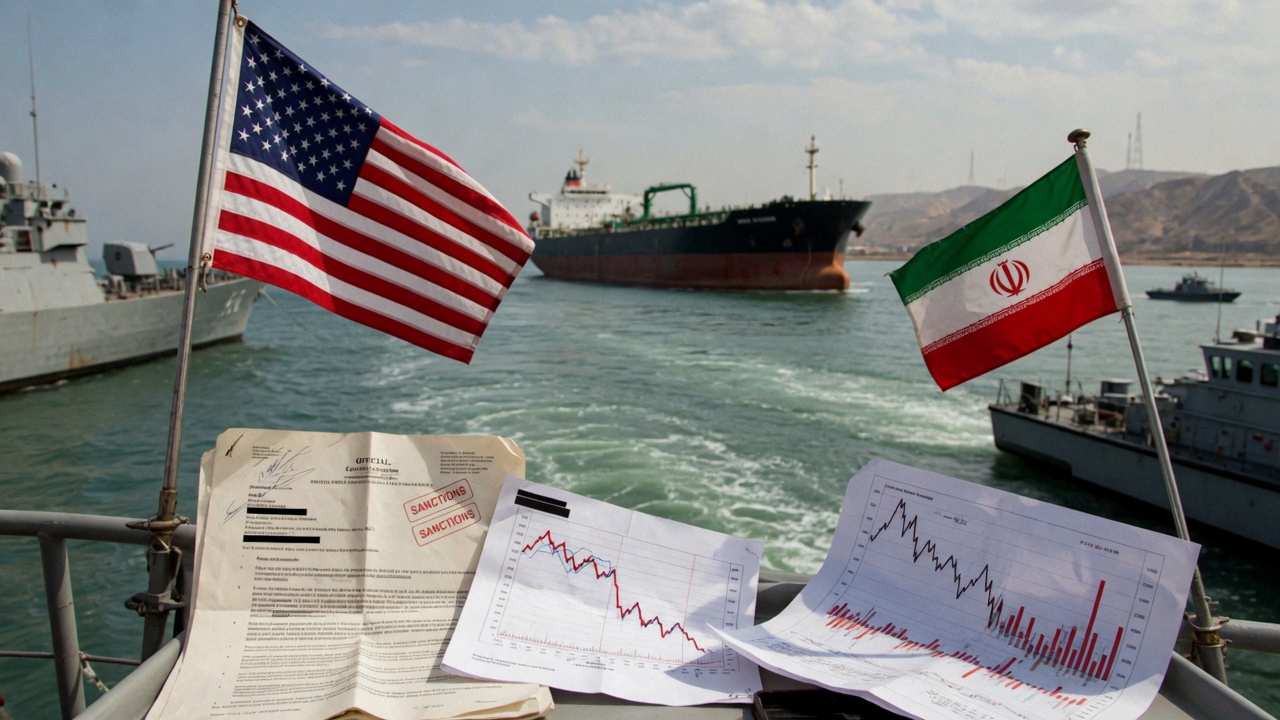
- US Treasury expanded secondary sanctions targeting Iranian entities and threatening partners, as Iran's president reported 35% drop in foreign trade and supreme leader called for addressing economic hardship; the conflict nears six months with Strait of Hormuz risks.
The escalation of US economic warfare against Iran represents a pivotal shift in the ongoing conflict that began with US and Israeli strikes in late February 2026.
Treasury Secretary Scott Bessent's recent announcements have broadened the scope of secondary sanctions, focusing on entities with ties to Tehran while warning third countries of severe penalties for continued engagement.
This follows earlier threats of unprecedented economic isolation, marking what some analysts describe as an 'economic D-Day' aimed at pressuring Iran without immediate further military escalation. The impact on markets has been nuanced but significant.
Oil prices have shown volatility, with recent sessions seeing declines despite the sanctions as traders assessed the measures as less disruptive to physical supply than feared military actions blocking the Strait of Hormuz.
Brent crude has hovered in ranges influenced by profit-taking, yet the persistent risk keeps a premium embedded.
Defense stocks, particularly those involved in Middle East operations or missile systems, have benefited from sustained demand expectations, while safe-haven assets like gold have seen inflows amid geopolitical uncertainty.
Traders should monitor Iranian responses, including potential diplomatic overtures or retaliatory measures in energy markets, alongside any signs of Chinese or other Asian banks being drawn into secondary sanctions.
The resilience of financial markets to this protracted conflict highlights a de-risking in pricing, but any breakthrough in blockades or new military incidents could rapidly reprice oil higher and boost defense equities.
Watch for updates on Hormuz shipping data and Iranian economic indicators for early signals of strain or adaptation.
This story underscores how sanctions can act as a slower-burn pressure valve compared to kinetic warfare, influencing energy volatility and sector rotations in portfolios focused on commodities and industrials.
AI insight — what it means
US sanctions on Iran plus risks around the Strait of Hormuz raise the chance of less oil reaching world markets. For a regular investor this usually means higher prices at the pump and for oil-related investments.
Unlock the full AI insight
Free account — takes 10 seconds.
- Why this story matters — explained simply
- How it moves prices, sectors and assets
- What traders and analysts are watching next
Share this story
Spread the signal — link, social or copy.
Related topics
Related coverage
Russia Launches Major Missile and Drone Strikes on Ukraine
US-Iran Ceasefire on 'Life Support' Amid Ongoing Gulf Exchanges
Xi and Putin Meet in Beijing, Condemn US Policies
US Expects Billions in Chinese Farm Purchases Post-Trump-Xi Summit
Trump Seeks China's Help to End Iran War During Trade Talks