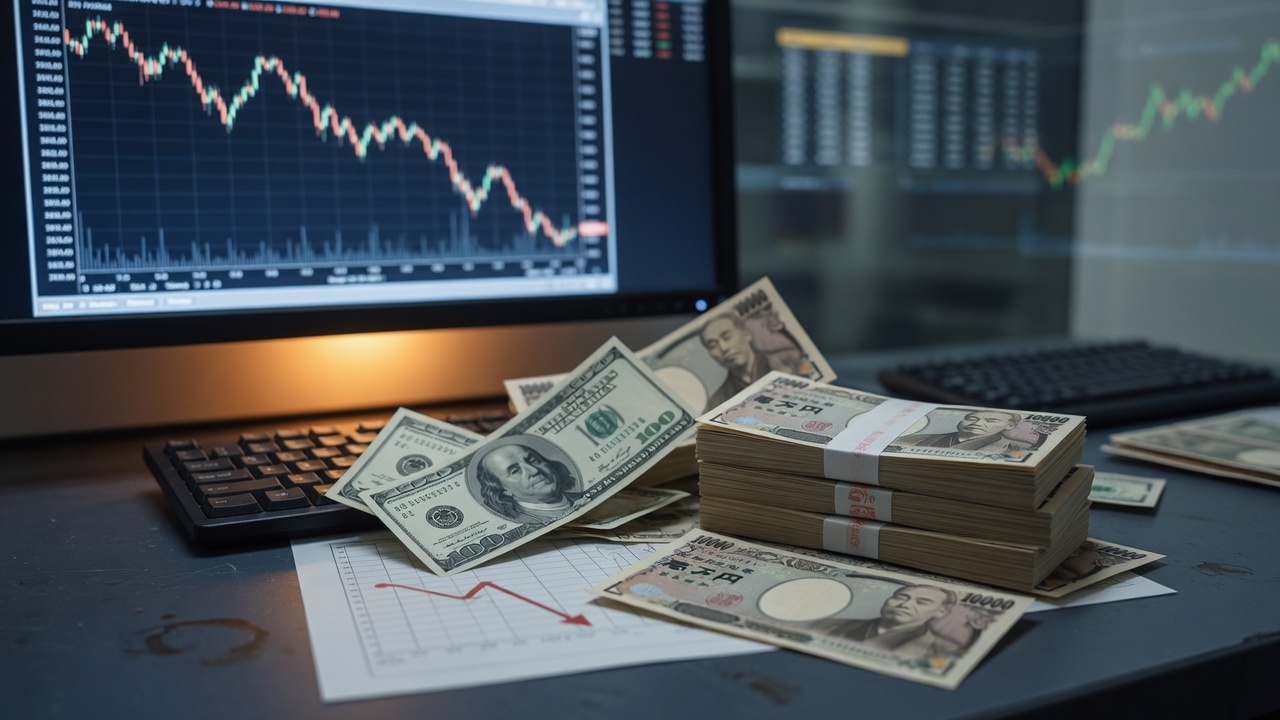
US Dollar Near Multi-Month Lows Amid Debt Concerns and Bessent Bond Buybacks

- The US dollar traded near multi-month lows on August 24, 2026, pressured by US Treasury Secretary Scott Bessent's expanded long-bond buyback operations and persistent debt market nerves.
- Markets await further details on Iran sanctions and upcoming policy speeches.
The US dollar index hovered near its weakest levels in months as investors digested the implications of Treasury Secretary Scott Bessent's decision to double the size of long-dated bond buyback operations to at least $4 billion per issue.
This move, announced earlier in the week, aimed to ease pressure on surging long-term Treasury yields that had climbed toward 19-year highs amid concerns over the US debt load exceeding $40 trillion and heavy corporate issuance for AI infrastructure.
Although the buybacks provided temporary relief, with 30-year yields pulling back slightly, the dollar absorbed much of the adjustment, falling nearly 0.8% against a basket of currencies in the immediate aftermath and remaining defensive into Monday.
Analysts noted that restraining yields through fiscal intervention risks shifting the burden onto the dollar, potentially fueling imported inflation and complicating the Federal Reserve's path. Gold and bitcoin surged in response, highlighting safe-haven flows away from the greenback.
The euro held steady around $1.168, while USD/JPY traded near 158.9, with positioning data showing reduced USD longs and renewed JPY shorts.
Traders should monitor upcoming US inflation data, Fed minutes, and any escalation in Middle East tensions tied to Iran sanctions, as these could dictate whether the dollar's weakness persists or reverses on hawkish policy signals.
The episode underscores how Treasury activism is increasingly influencing FX volatility beyond traditional monetary policy channels, with potential spillovers to risk assets and EM currencies sensitive to USD strength.
AI insight — what it means
The US dollar is losing value because the government is buying back long-term bonds and investors are worried about high debt levels. For everyday investors this can mean higher costs for imports and travel abroad as foreign currencies buy more dollars.
Unlock the full AI insight
Free account — takes 10 seconds.
- Why this story matters — explained simply
- How it moves prices, sectors and assets
- What traders and analysts are watching next
Share this story
Spread the signal — link, social or copy.
Related topics
Related coverage
Iran War Opens 'Golden Window' for China's Renminbi
Pound Softens as UK Borrowing Jumps and Consumers Cut Spending

Dollar near six-week high amid US-Iran talks uncertainty
Fed's Waller Signals Readiness to Remove Easing Bias
Pound Softens as UK Retail Sales Plunge and Public Finances Worsen