US Dollar Gains Ahead of CPI Data as Oil Rises on Mideast Tensions
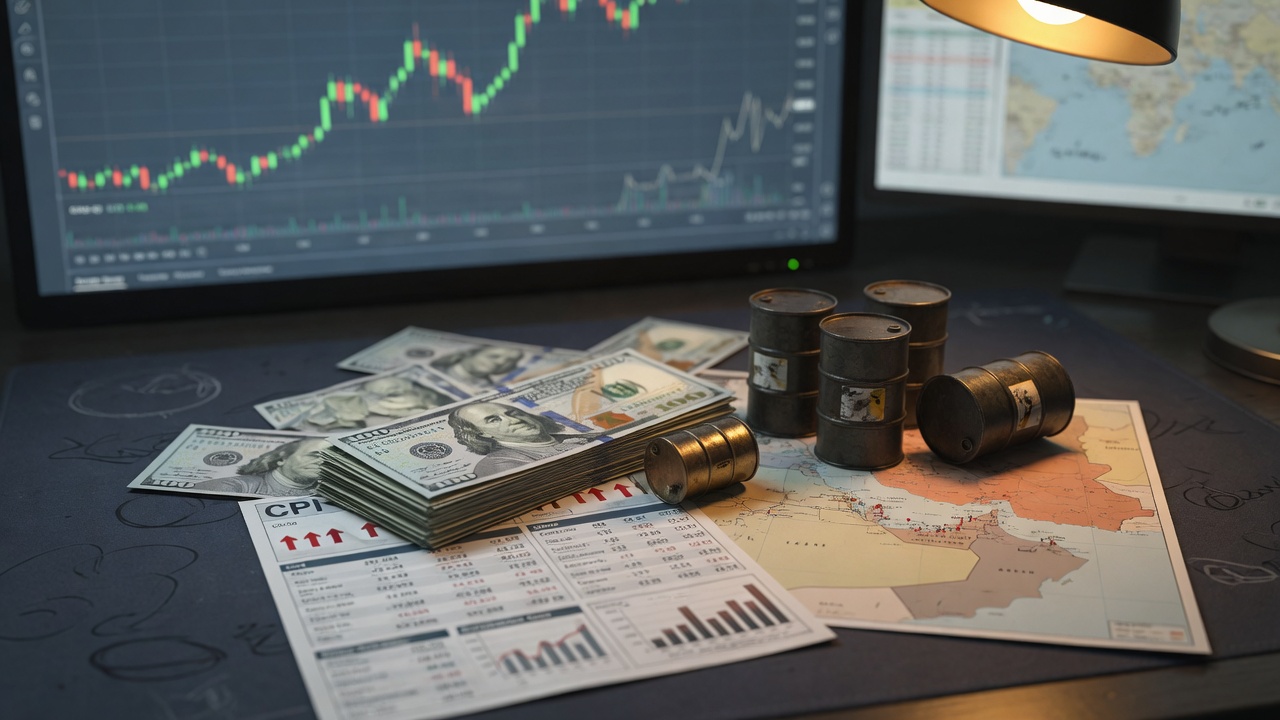
- The USD rose 0.15% to push the DXY to 99.76 on August 10, with EUR/USD slipping to 1.1546 and USD/JPY climbing toward 159 amid higher oil prices and focus on July CPI.
The US dollar posted modest gains on August 10 as markets positioned ahead of the July CPI release scheduled for August 12, with oil prices climbing on renewed concerns over US-Iran tensions in the Middle East.
This follows a softer-than-expected July jobs report that had initially weighed on rate-hike expectations for the Federal Reserve.
Analysts at TD Securities noted fresh USD downtrends forming after bearish catalysts, yet short-term momentum shifted positive on safe-haven flows into the greenback and energy-linked currencies.
The move lifted USD/JPY by roughly 0.75% intraday to near 158.97, marking one of the steepest daily declines for the yen in months and testing levels last seen in early summer.
EUR/USD eased 0.1% as the single currency failed to hold above 1.155, while GBP/USD remained range-bound around 1.35 amid limited UK-specific catalysts. The dollar's resilience underscores how geopolitical risk premia can override softer domestic data in the near term.
Traders should monitor the CPI print closely, as hotter-than-expected inflation could reinforce expectations for delayed Fed easing and support further USD strength against G10 peers.
Key levels to watch include DXY resistance near 100 and support at 99.20; a break higher would likely pressure EUR/USD toward 1.14 and accelerate yen selling unless countered by renewed intervention signals.
In emerging markets, the rupee's retreat to near two-week lows highlights correlated EM vulnerability to oil spikes. Overall, the story reinforces a tactical bullish bias for the USD in the immediate term, with volatility expected to rise around the data release.
AI insight — what it means
The US dollar is getting stronger right before new inflation numbers come out, which can make imports cost more for regular shoppers. At the same time oil prices are climbing because of tensions in the Middle East, adding pressure on fuel costs.
Unlock the full AI insight
Free account — takes 10 seconds.
- Why this story matters — explained simply
- How it moves prices, sectors and assets
- What traders and analysts are watching next
Share this story
Spread the signal — link, social or copy.
Related topics
Related coverage
Iran War Opens 'Golden Window' for China's Renminbi
Pound Softens as UK Borrowing Jumps and Consumers Cut Spending

Dollar near six-week high amid US-Iran talks uncertainty
Fed's Waller Signals Readiness to Remove Easing Bias
Pound Softens as UK Retail Sales Plunge and Public Finances Worsen