Strait of Hormuz Shipping Slows Amid US-Iran Tensions and Blockade Threats
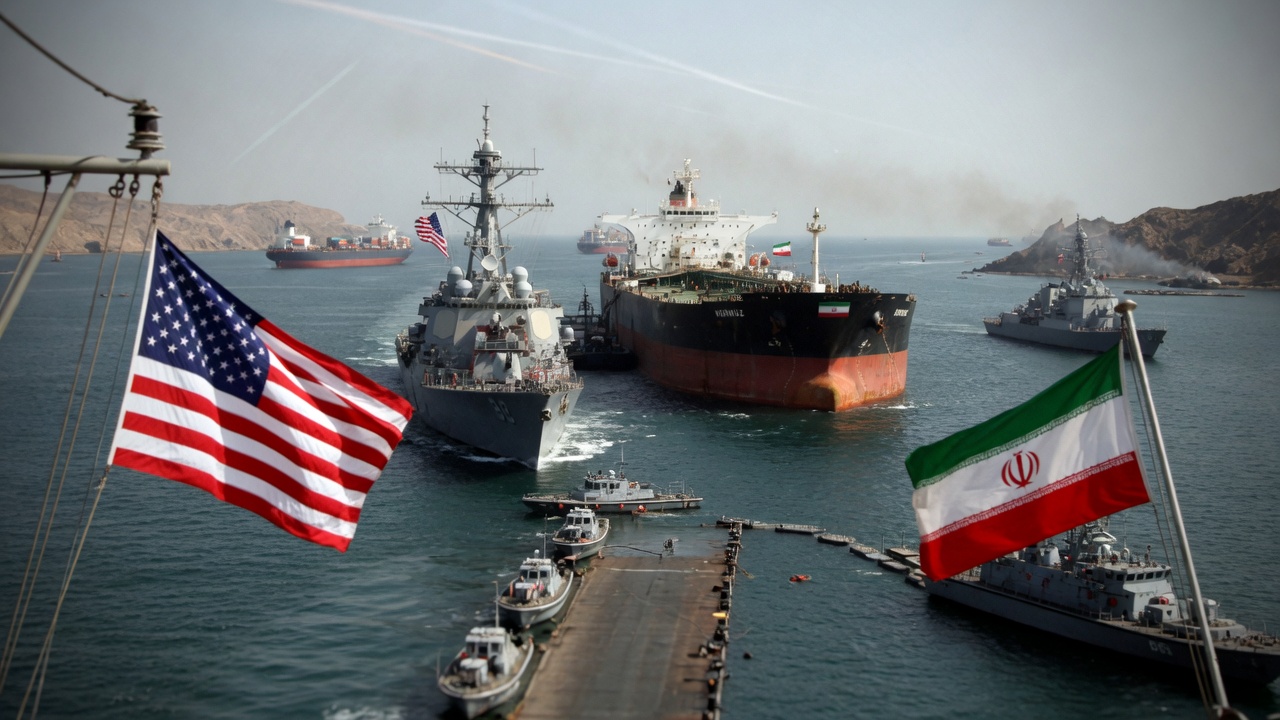
- Transit through the critical Strait of Hormuz has dipped below averages following attacks on vessels and US warnings of indefinite naval enforcement against Iran.
- Rumors of potential shipping agreements have weighed on oil prices, which settled lower for the week.
Persistent disruptions and threats around the Strait of Hormuz, the chokepoint for roughly 20% of global oil trade, continue to inject volatility into energy markets as the US-Iran conflict enters its seventh month.
Recent data shows shipping traffic slipping, exacerbated by reported attacks and Washington's signals it could sustain a blockade indefinitely, per August 28 Reuters coverage.
This has prompted Iranian diplomacy toward reopening talks while lashing out at sanctions, creating a tense equilibrium where any misstep could halt flows and spike crude benchmarks.
Oil prices reacted with a weekly decline to around $89 Brent and $83 WTI, influenced by Fed rate-cut hints and deal rumors, yet the underlying risk premium persists.
Bullish implications for defense and energy infrastructure stocks arise from heightened naval activity and alternative routing investments in the Gulf. Conversely, higher sustained oil costs could dampen global growth forecasts and weigh on equities broadly.
Safe-haven demand for gold has shown resilience in prior spikes but faces counterpressure from improving US data. Next catalysts include Pentagon updates on blockade capabilities, Iranian Hormuz policy signals, and tanker traffic metrics.
Traders should watch for any Venezuelan oil supply deals as a potential offset, alongside broader geopolitical de-escalation risks that could trigger sharp oil selloffs. Position sizing in oil futures or related ETFs requires hedging against sudden diplomatic breakthroughs or escalations.
AI insight — what it means
Tensions between the US and Iran are slowing oil shipments through a key waterway, which normally raises supply worries and prices. Instead oil prices fell this week on rumors of possible deals, so energy-related investments may see near-term pressure.
Unlock the full AI insight
Free account — takes 10 seconds.
- Why this story matters — explained simply
- How it moves prices, sectors and assets
- What traders and analysts are watching next
Share this story
Spread the signal — link, social or copy.
Related topics
Related coverage

Russia Launches Major Missile and Drone Strikes on Ukraine

US-Iran Ceasefire on 'Life Support' Amid Ongoing Gulf Exchanges
Xi and Putin Meet in Beijing, Condemn US Policies

US Expects Billions in Chinese Farm Purchases Post-Trump-Xi Summit
Trump Seeks China's Help to End Iran War During Trade Talks