Sterling Edges Lower on Middle East Tensions and US Payrolls

- The British pound slipped against both the euro and US dollar on August 7-8 as markets digested escalating Middle East developments alongside the softer US jobs report, with GBP/USD trading near 1.3491.
Sterling's modest decline highlights the pound's sensitivity to geopolitical risk premiums and its role as a high-beta currency in global risk sentiment shifts.
Escalating talks and potential escalations in the Middle East have boosted safe-haven demand for the dollar and yen at sterling's expense, while the weaker US payrolls data reduced immediate rate-cut expectations that might otherwise have supported GBP through a softer dollar.
This development is significant because it illustrates how external shocks can override domestic UK fundamentals, such as Bank of England policy divergence or post-Brexit trade data.
Drivers include oil price volatility tied to Hormuz concerns and broader equity market caution, which typically weigh on the pound given its correlation with risk assets.
Key assets impacted encompass GBP/USD and EUR/GBP crosses, UK gilts (which may see flight-to-quality buying), and FTSE 100 companies with heavy overseas earnings exposure.
Emerging markets could see secondary effects if sterling weakness signals broader sterling bloc or commodity currency pressure, though direct links remain limited.
Market participants should monitor upcoming UK GDP revisions, any escalation headlines from the region, and Fed speakers for rate-path signals.
A decisive break below 1.34 would open the door to further downside toward 1.33, while stabilization above current levels could set up a rebound if geopolitical tensions ease. The episode reinforces sterling's vulnerability in an environment of heightened global uncertainty.
Share this story
Spread the signal — link, social or copy.
Related topics
Related coverage
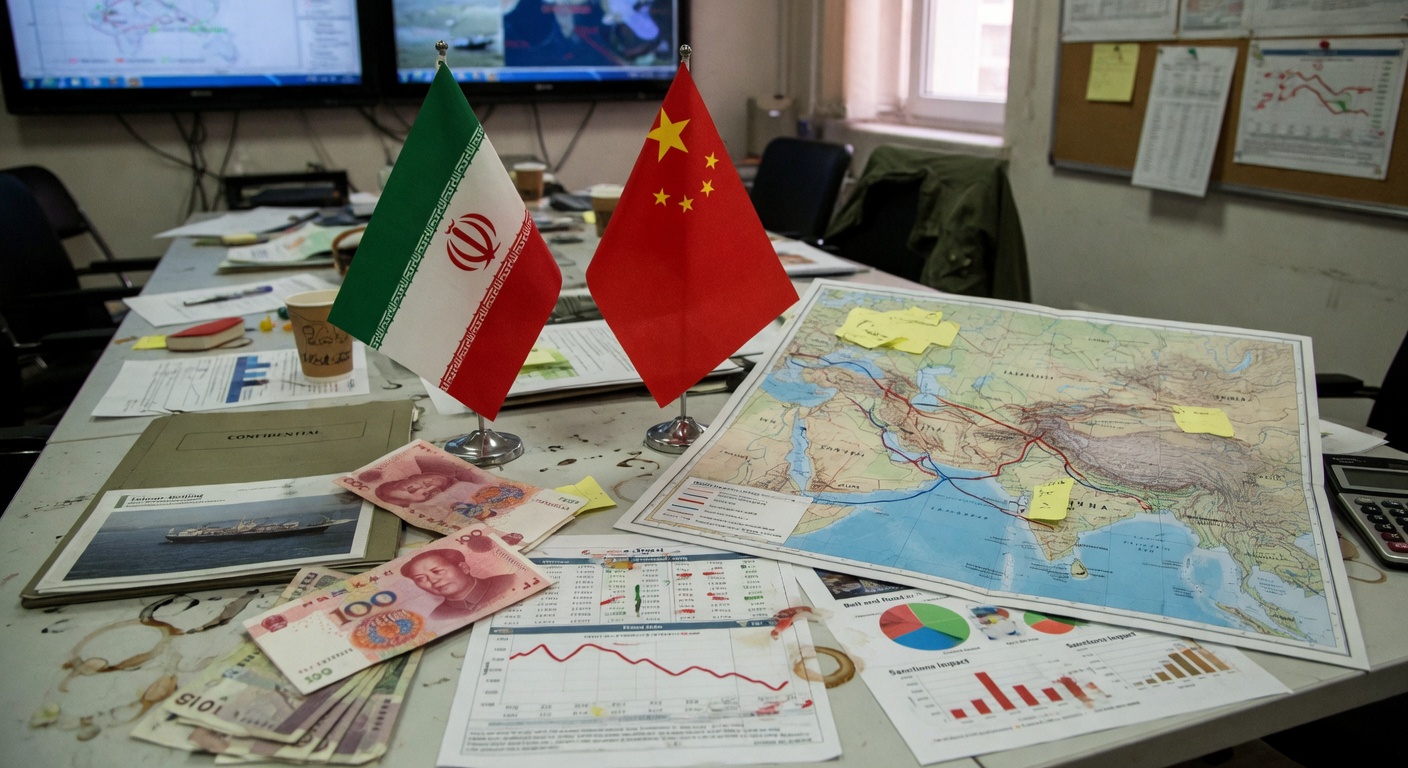
Iran War Opens 'Golden Window' for China's Renminbi
The ongoing Iran conflict has created opportunities for greater international use of the Chinese renminbi. Reports highlight how geopolitical tensions are positioning the CNY as a stronger alternative in emerging markets FX dynamics.

Pound Softens as UK Borrowing Jumps and Consumers Cut Spending
UK public borrowing exceeded forecasts in April 2026 amid worsening public finances and reduced consumer spending. The pound weakened against major currencies including the euro and dollar.

Dollar near six-week high amid US-Iran talks uncertainty
The US dollar held near a six-week high against major currencies as mixed messages on potential US-Iran talks fueled safe-haven demand and uncertainty. Markets focused on geopolitical developments with stocks surging in parallel.
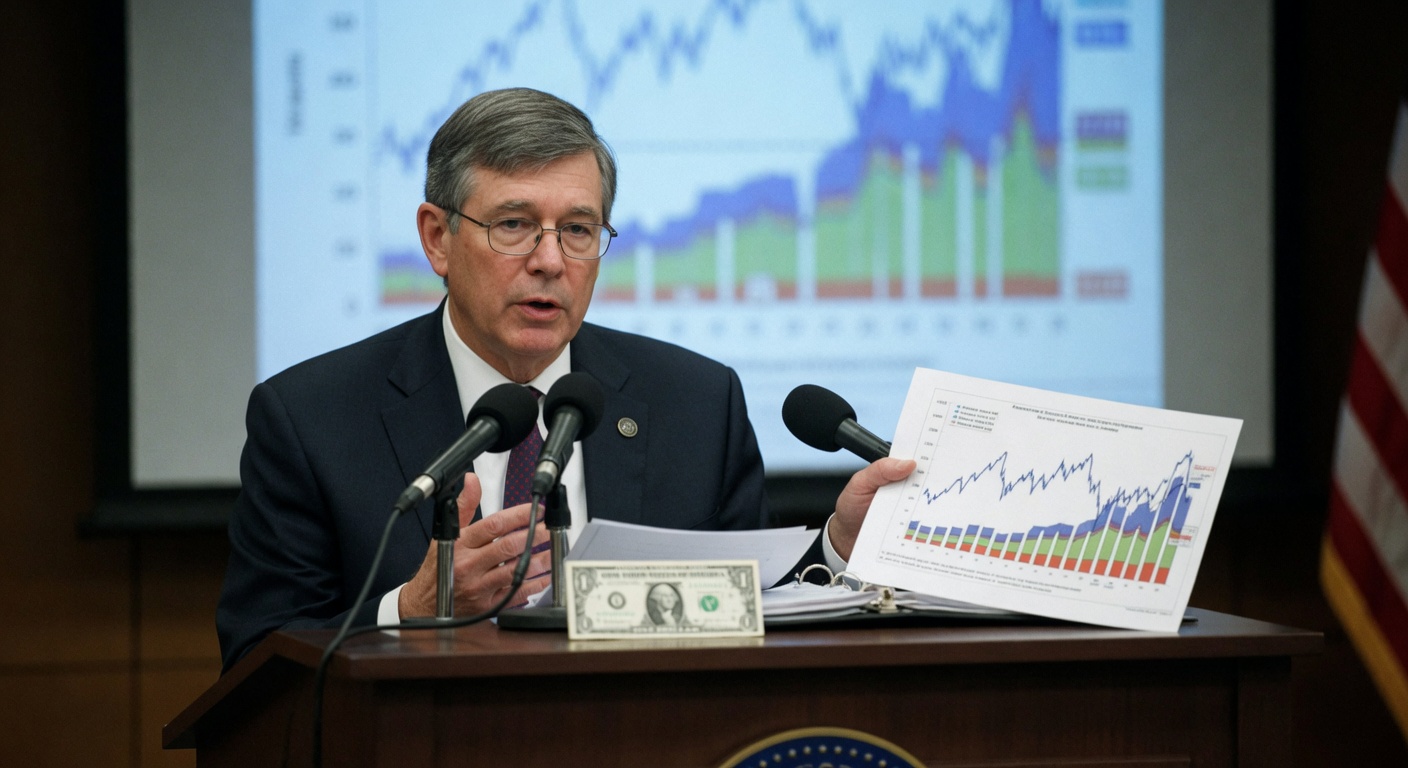
Fed's Waller Signals Readiness to Remove Easing Bias
Fed Governor Christopher Waller stated he is ready to axe the 'easing bias' and called rate-cut talk 'crazy' at this stage, according to Reuters reporting on May 22. The comments suggest a more hawkish tilt that could support the USD in forex markets.
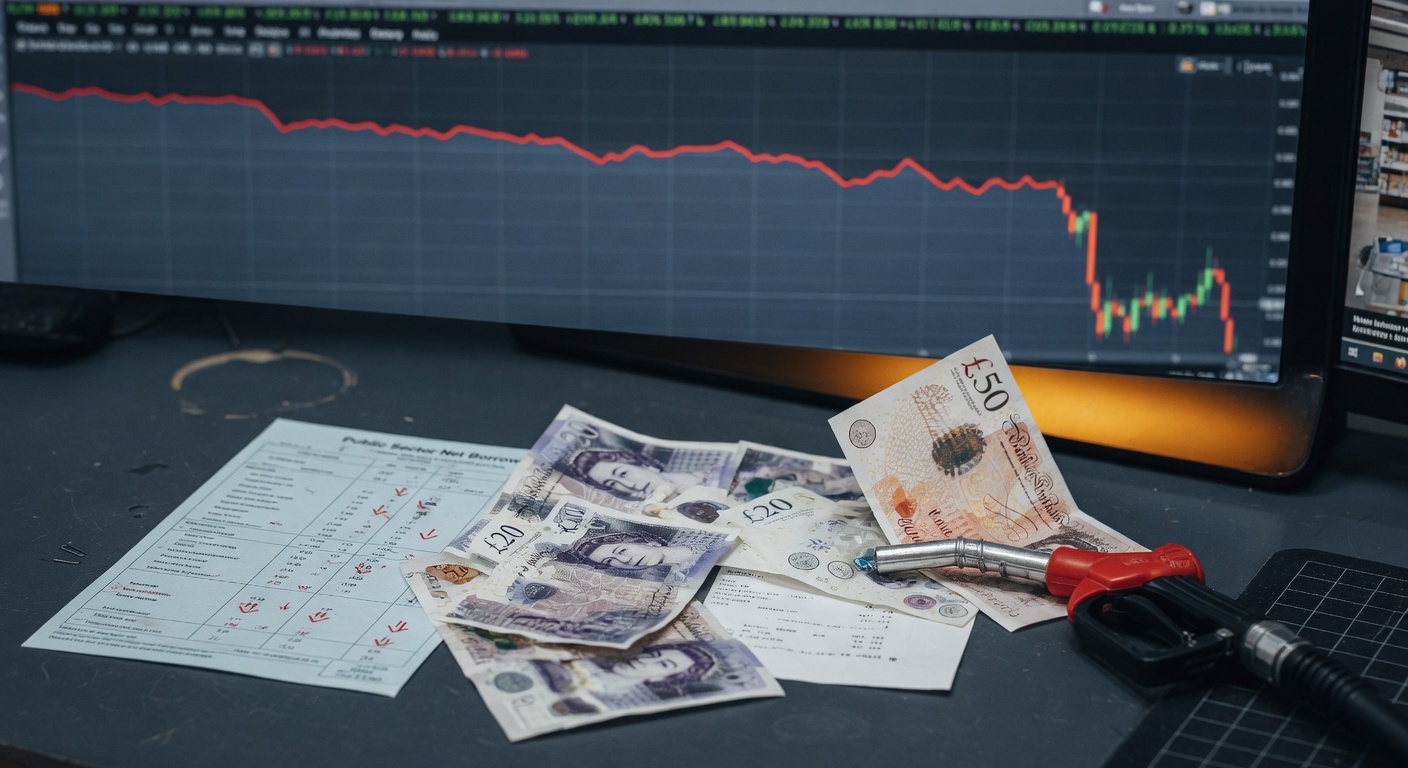
Pound Softens as UK Retail Sales Plunge and Public Finances Worsen
The pound edged lower on May 22 as UK retail sales volumes fell 1.3% month-on-month in April, the steepest drop in nearly a year, while public borrowing rose sharply amid consumer cutbacks on fuel and discretionary spending due to high energy costs and Iran war uncertainty.

Dollar Holds Near Six-Week High on US-Iran Deal Uncertainty
The US dollar remained perched near a six-week peak amid conflicting signals on a potential US-Iran peace deal, with investors focusing on hopes for progress that boosted risk sentiment and caused the dollar to stall.