Statistical Changes to U.S. Inflation Metrics Prompt Scrutiny and Lower Readings
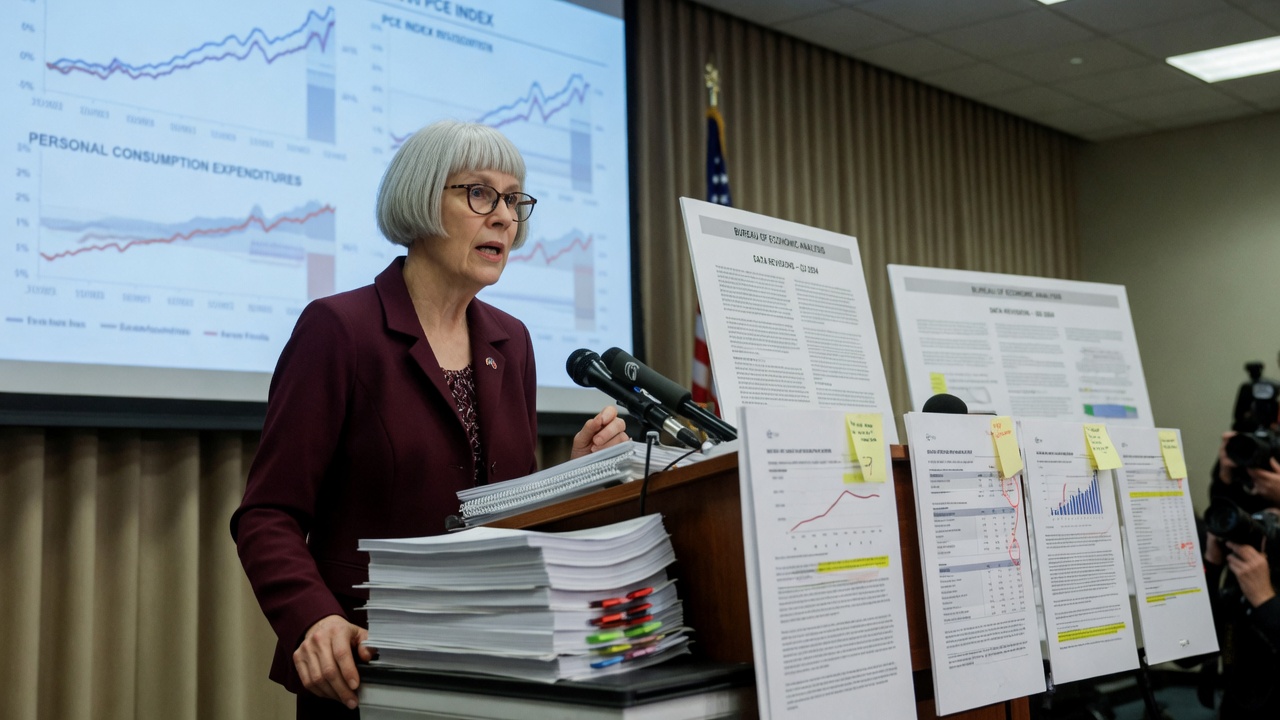
- Revisions to how the Bureau of Economic Analysis calculates components of the PCE inflation index are expected to reduce reported inflation starting with September data, drawing political attention including from Sen.
The Bureau of Economic Analysis is implementing updates to its methodology for measuring personal consumption expenditures prices in three key categories, a change that will likely produce softer inflation prints when applied to August data released in September.
These technical adjustments occur at a sensitive time when the Fed is navigating above-target inflation and internal debates over whether to hike rates. The revisions have already sparked questions from lawmakers about transparency and potential impacts on policy perceptions.
This development is critical because the PCE is the Fed's primary inflation gauge, and any downward bias could influence market pricing of rate paths and long-term yields.
It particularly affects bond markets and inflation-protected securities, while providing potential relief to rate-sensitive equities and real estate. Sectors tied to consumer spending may see indirect benefits if lower measured inflation supports a more dovish Fed tilt.
Market participants should scrutinize the details of the changes upon release, compare old versus new series, and watch for how Fed officials incorporate the data into their assessments.
Broader implications include effects on fiscal policy debates and wage negotiations that reference official inflation figures.
Share this story
Spread the signal — link, social or copy.
Related topics
Related coverage
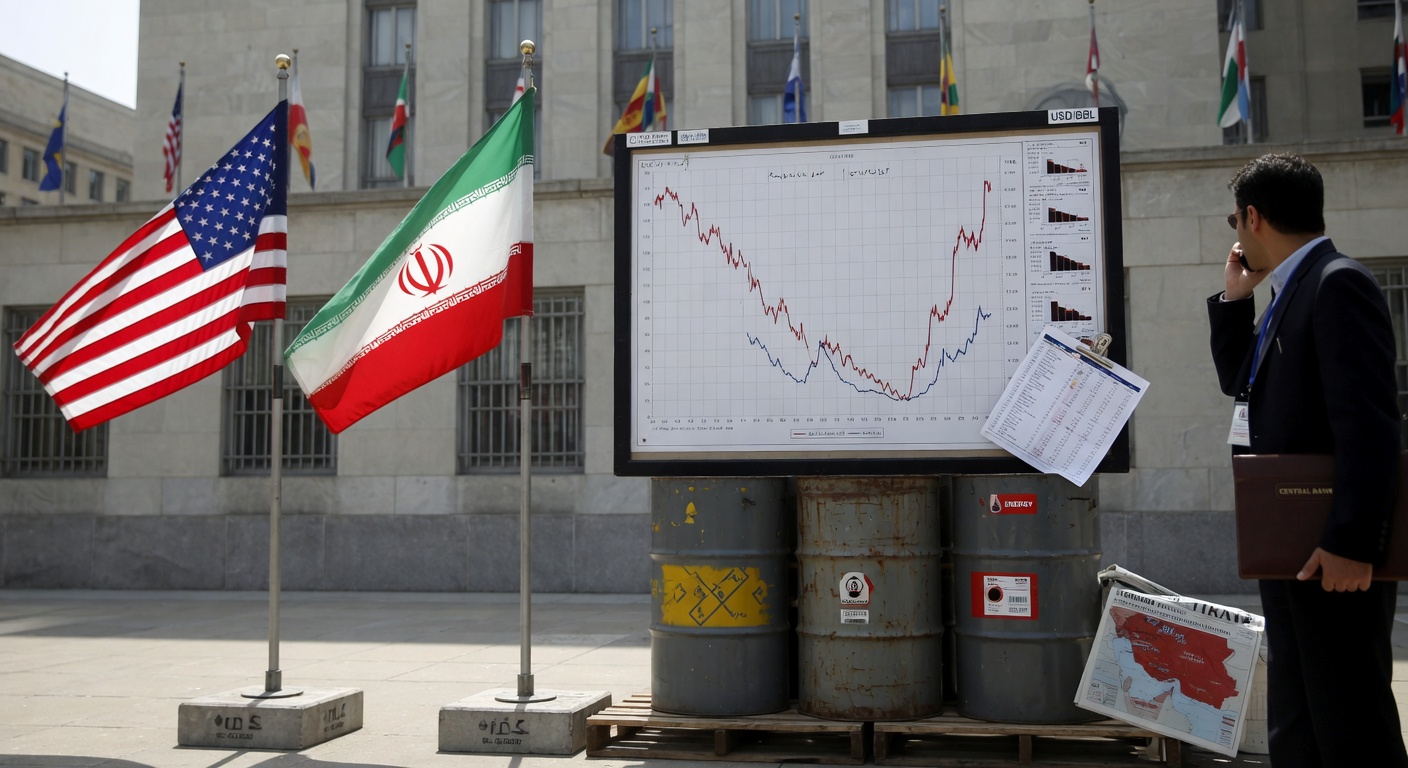
US April PCE Inflation Accelerates to 3.8% YoY
The personal consumption expenditures price index rose 3.8% year-over-year in April, the largest increase since May 2023, driven by higher energy prices amid the Iran conflict; core PCE hit 3.3% annually.
Fed Chair Warsh Makes First Hires Including 'Project 2025' Author
New Federal Reserve Chair Warsh appointed initial staff members, including a key 'Project 2025' figure, signaling potential shifts in central bank policy direction amid ongoing inflation concerns from Middle East conflicts.

US April PCE Inflation Surges to 3.8% YoY, Fastest in Three Years
The Personal Consumption Expenditures Price Index jumped 3.8% year-over-year in April, the largest rise since May 2023, driven by higher energy prices from the Iran war. Core PCE advanced 3.3% YoY, well above the Fed's 2% target.
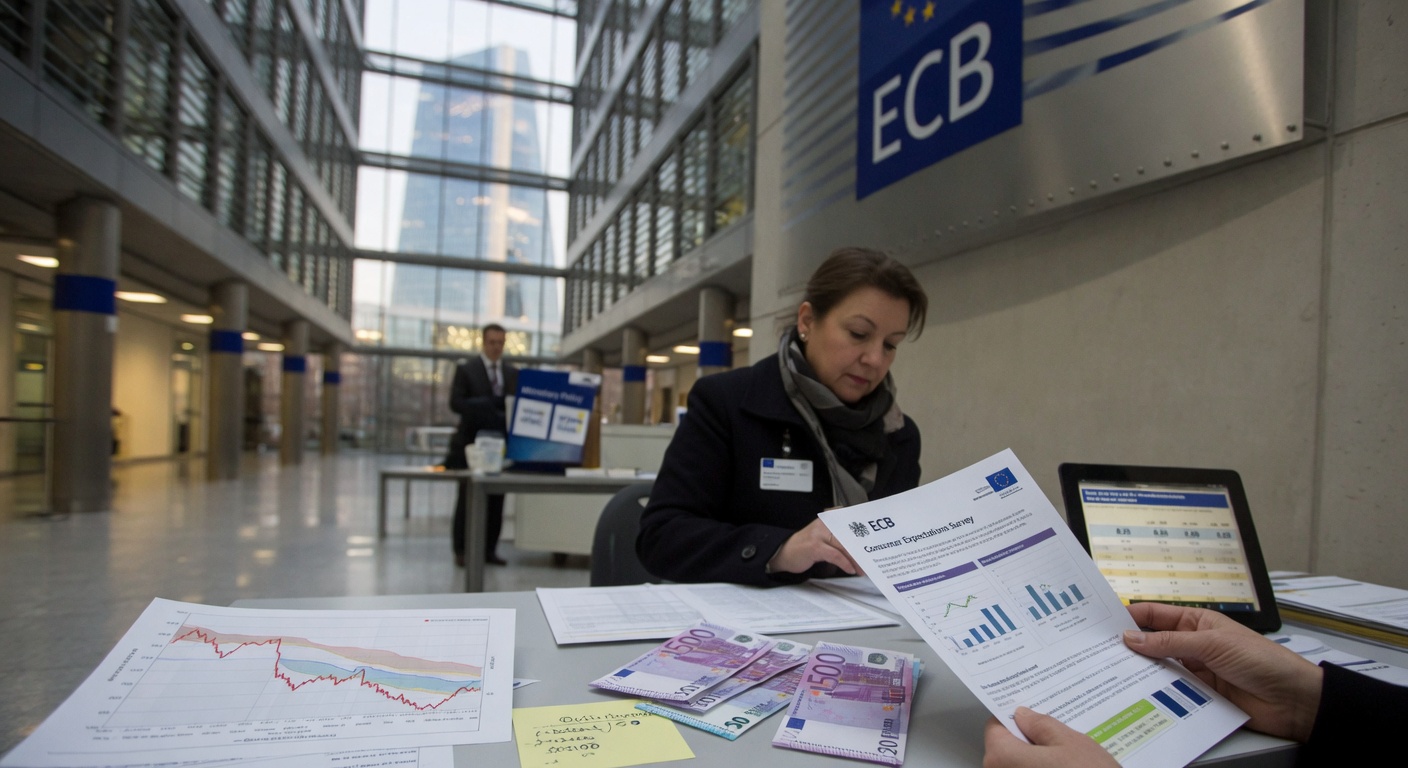
ECB Says Consumer Price Expectations Ease But Stay Elevated
Euro-area consumers’ expectations for inflation in three years fell slightly to 2.9% in April from 3% in March, per ECB survey released June 1, though policymakers remain likely to raise interest rates next week.
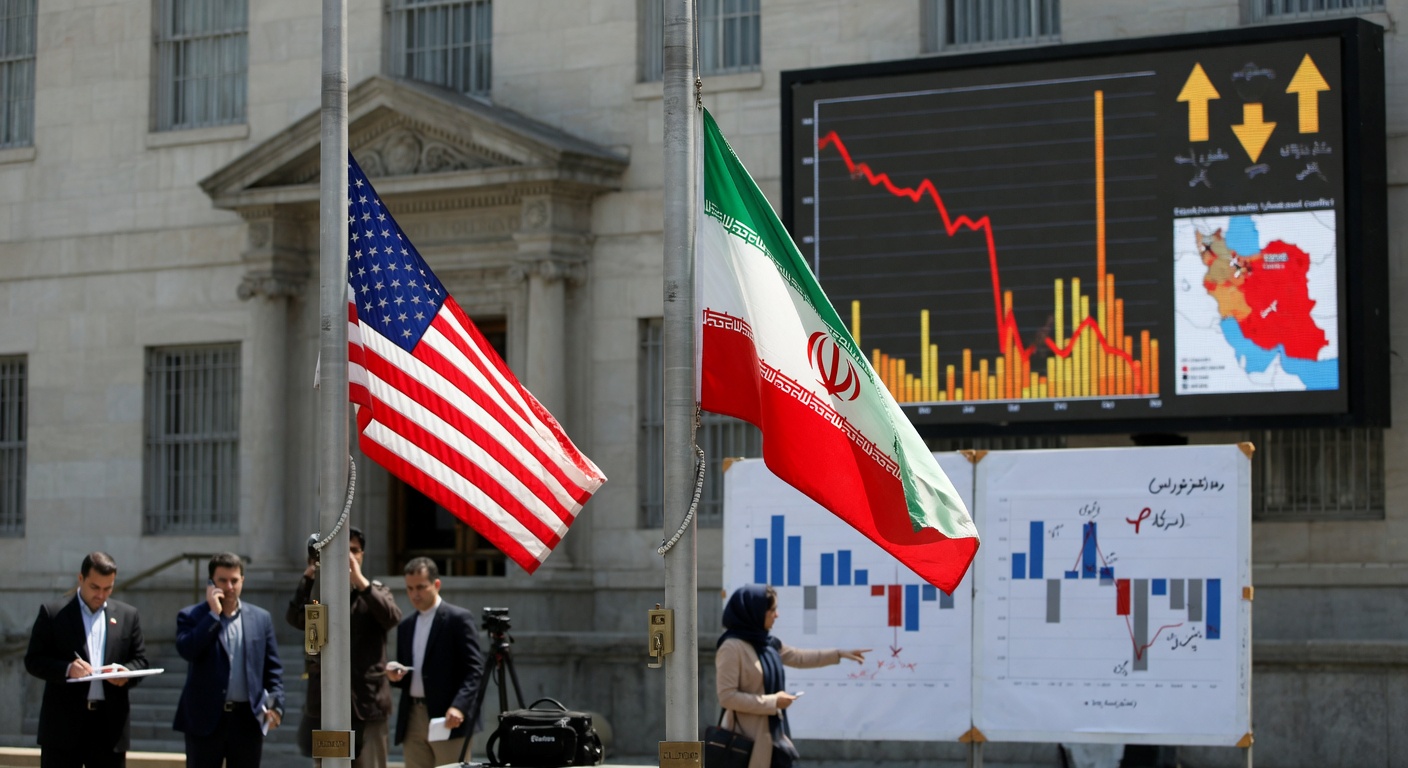
US April Core PCE Inflation Hits 3.3% Annual Rate
The Fed's preferred core PCE gauge rose 3.3% year-over-year in April, matching expectations, while headline PCE jumped 3.8% YoY, the largest annual increase in three years, driven by energy prices amid the Iran conflict. GDP growth was revised lower to 1.6% annualized for Q1.
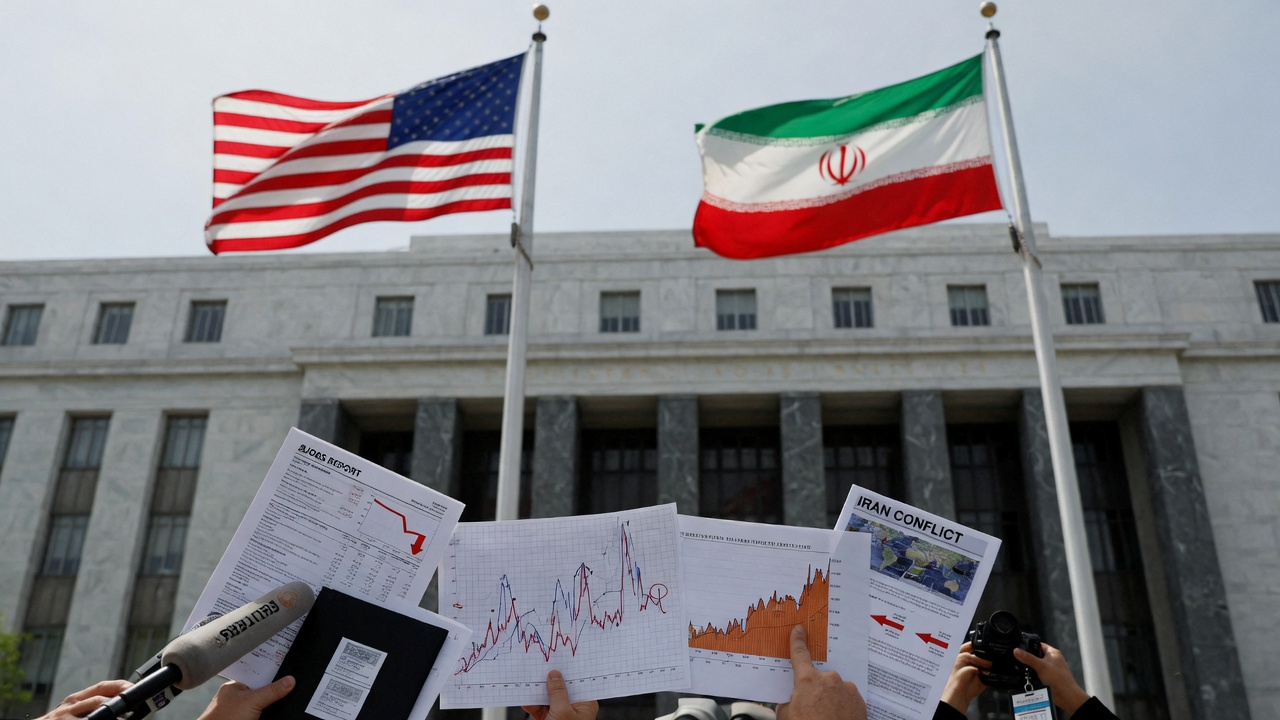
Fed rate hike expectations surge after strong US jobs data
Stronger-than-expected May jobs report boosted bets on a Federal Reserve rate hike by December to around 70% probability, with Goldman Sachs now delaying any cuts until 2027 amid persistent inflation pressures from the Iran conflict.